I’ve spent way too many Saturday nights in Bloxburg build mode, staring at a wall panel color for twenty minutes like it’s a life decision.
And honestly? That’s exactly the energy cottagecore exteriors deserve.
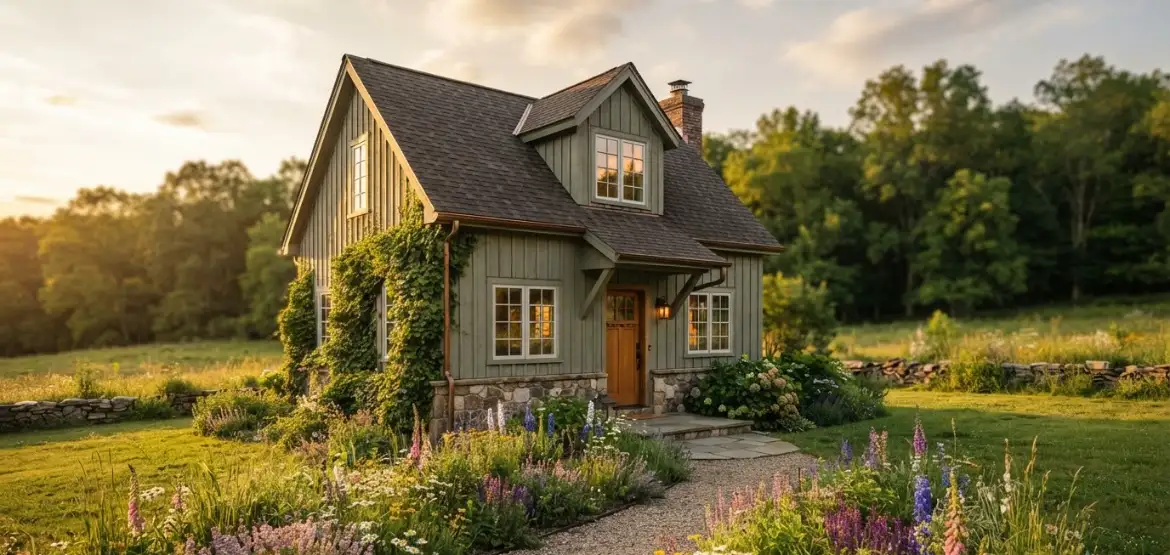
If you’ve scrolled Pinterest lately, you know the aesthetic I mean. Ivy crawling up a stone chimney. A crooked little porch with a swing.
Flower boxes practically overflowing. It’s the kind of house that makes you want to bake bread you’ll never actually bake.
Bloxburg players have picked up on this in a big way, and I get why.
The game’s building tools are flexible enough to fake real architectural texture, and cottagecore rewards texture over perfection.
A slightly wonky roofline reads as charming instead of broken. That’s rare in a building game.
I’ve rebuilt my own Bloxburg cottage probably six times this year. Each version taught me something the last one got wrong.
So this isn’t theory. This is what actually works when you’re sitting in build mode trying to make pixels feel like a hug.
Why cottagecore and Bloxburg were basically made for each other
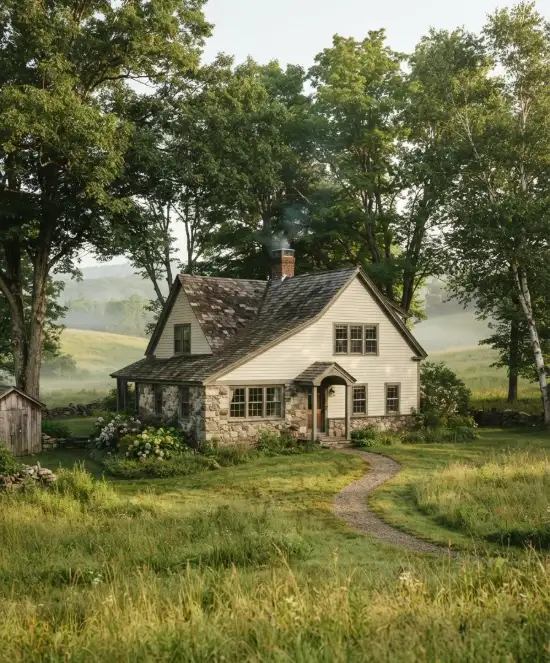
Cottagecore, as a design movement, pulls from rural English countryside living: think worn stone, deep gardens, and a house that looks like it grew out of the landscape instead of getting dropped onto it.
According to Merriam-Webster’s own entry on the term, the aesthetic centers on quaint, cozy style drawn from bucolic inspiration, and that definition tracks with everything design bloggers have been saying since the trend exploded around 2018.
Here’s the thing about Bloxburg specifically: the game gives you roof pitch controls, foliage placement, and enough wall texture variety that you can actually chase that “grew out of the landscape” feeling.
Most building games flatten everything into clean geometric boxes. Bloxburg doesn’t force that on you.
So when someone tells me cottagecore doesn’t translate to a blocky Roblox game, I disagree.
It translates better than most trends do, honestly, because the whole point of cottagecore is imperfection dressed up as intention.
The core visual ingredients
Before touching a single Bloxbuck, get these ingredients straight in your head:
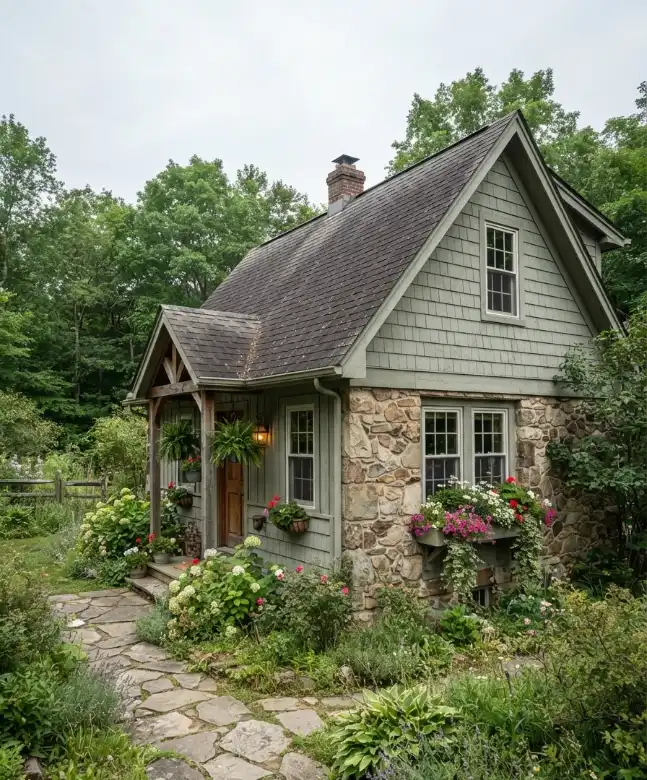
- Weathered or textured exterior materials (stone, wood siding, exposed brick accents)
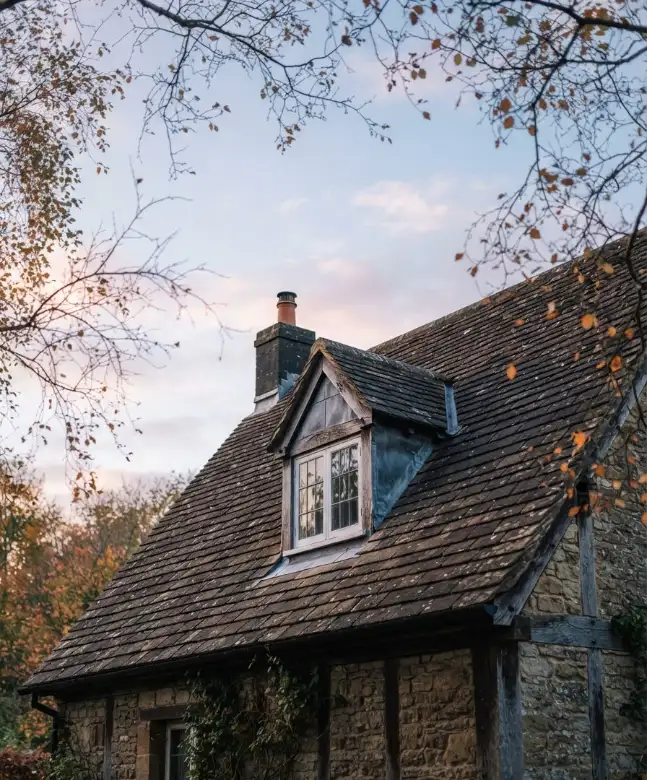
- Steep or multi-angled roofs, ideally with a dormer window or two
- Overgrown, slightly wild landscaping instead of trimmed hedges
- Warm, muted color palettes: sage, cream, terracotta, soft browns
- Small, human-scale porches rather than grand entryways
- Window boxes, hanging plants, and climbing vines wherever you can fit them
Miss two or three of these and your build reads as “farmhouse” instead of cottagecore.
They’re close cousins, but not the same thing. IMO farmhouse gets too much credit for being cozy when it’s really just white paint and black hardware.
Roof shapes that make or break the whole look
I used to think roof shape was a minor detail. I was wrong, and it cost me an entire rebuild.
A flat or single-slope roof kills cottagecore instantly. The style needs verticality and asymmetry.
In Bloxburg, that means layering roof pieces at different heights rather than relying on one uniform slope across the whole structure.
Here’s what actually reads well:
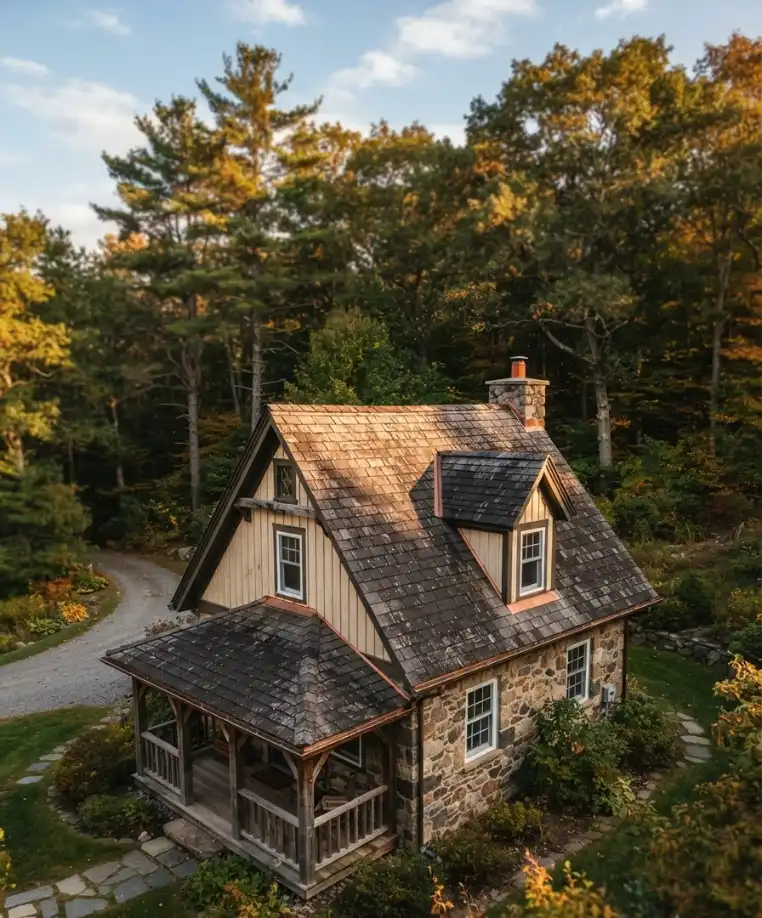
- A steep primary gable roof, angled around 45 to 50 degrees
- A secondary lower roof over an attached porch or bump-out
- At least one dormer window breaking up the roofline
- Shingled or thatched-style roof texture instead of smooth metal
Brick or dark shingle roofing works better than the bright default options. Muted colors let the landscaping do the visual talking, which is where cottagecore actually lives.
Exterior walls and material combos worth stealing
This is where personal taste gets loud, so let me just say what I actually use.
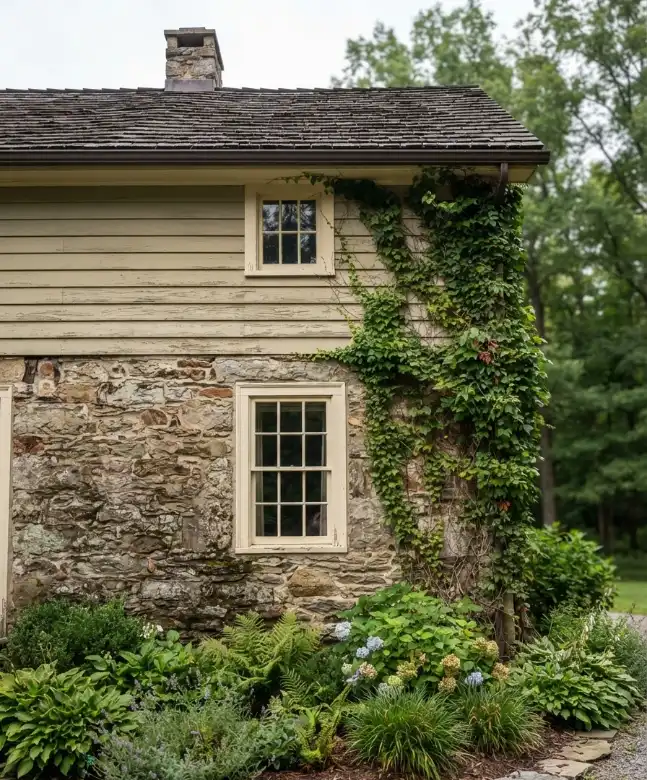
I default to a stone or cobblestone base wrapping the bottom third of the house, then switch to painted wood siding above it.
That transition line does a lot of heavy lifting. It mimics real cottage construction, where stone foundations meet timber framing, and it breaks up what would otherwise be a flat, boring wall.
Color-wise, sage green siding with cream trim is my personal go-to.
I’ve tried the trendy dusty pink combo too, and it’s cute, but it leans more storybook than lived-in cottage.
Both work. Neither is wrong. Just know which mood you’re chasing before you commit to a full paint job, because repainting an entire exterior in Bloxburg eats real time.
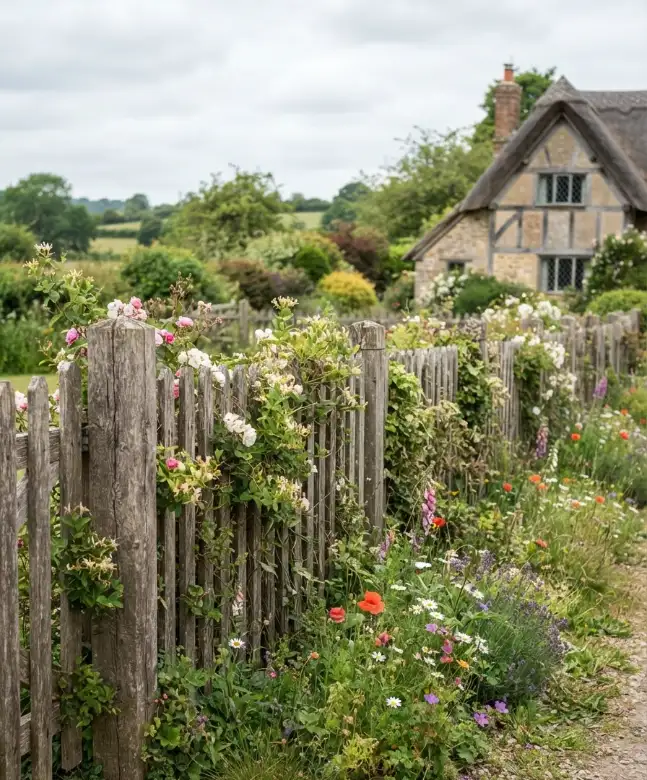
Here’s a quick reference table if you’re deciding between palettes:
| Palette style | Wall color | Trim color | Best paired roof |
|---|---|---|---|
| Classic cottage | Sage green | Warm cream | Dark brown shingle |
| Storybook cottage | Dusty rose | Off-white | Charcoal shingle |
| Woodland cottage | Warm taupe | Forest green | Weathered stone gray |
Pick one and stick with it across the whole exterior, including your door and shutters.
Mixing two palettes on one house is the fastest way to make a build look accidental instead of intentional.
Porches, doors, and the little details that sell the vibe
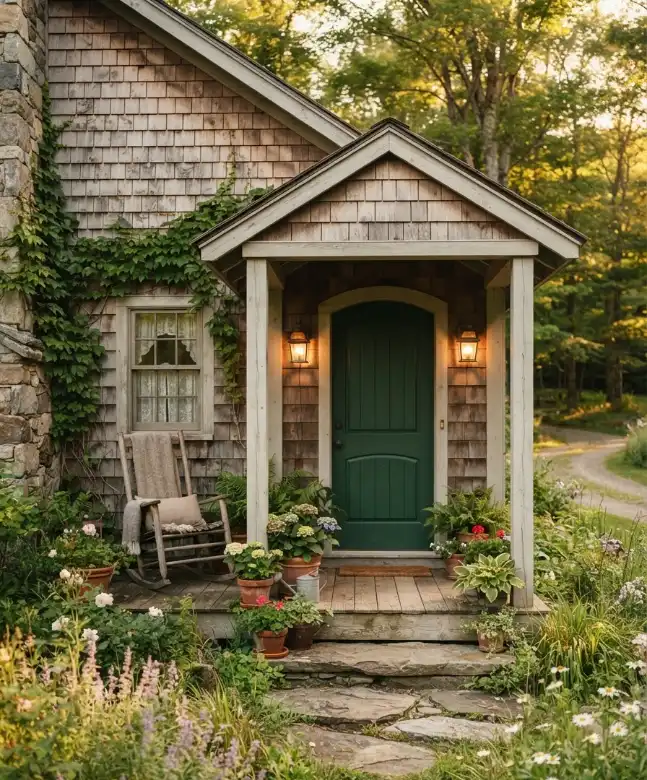
A cottagecore porch does not need to be big. It needs to feel used.
Small covered porches with a single rocking chair or bench beat sprawling wraparound decks every time.
Ever notice how the coziest real-life cottages have the smallest front entries?
There’s a reason for that. Scale matters more than square footage when you’re chasing warmth over grandeur.
Things I always include on a cottagecore porch build:
- A rounded or arched doorway instead of a standard rectangle
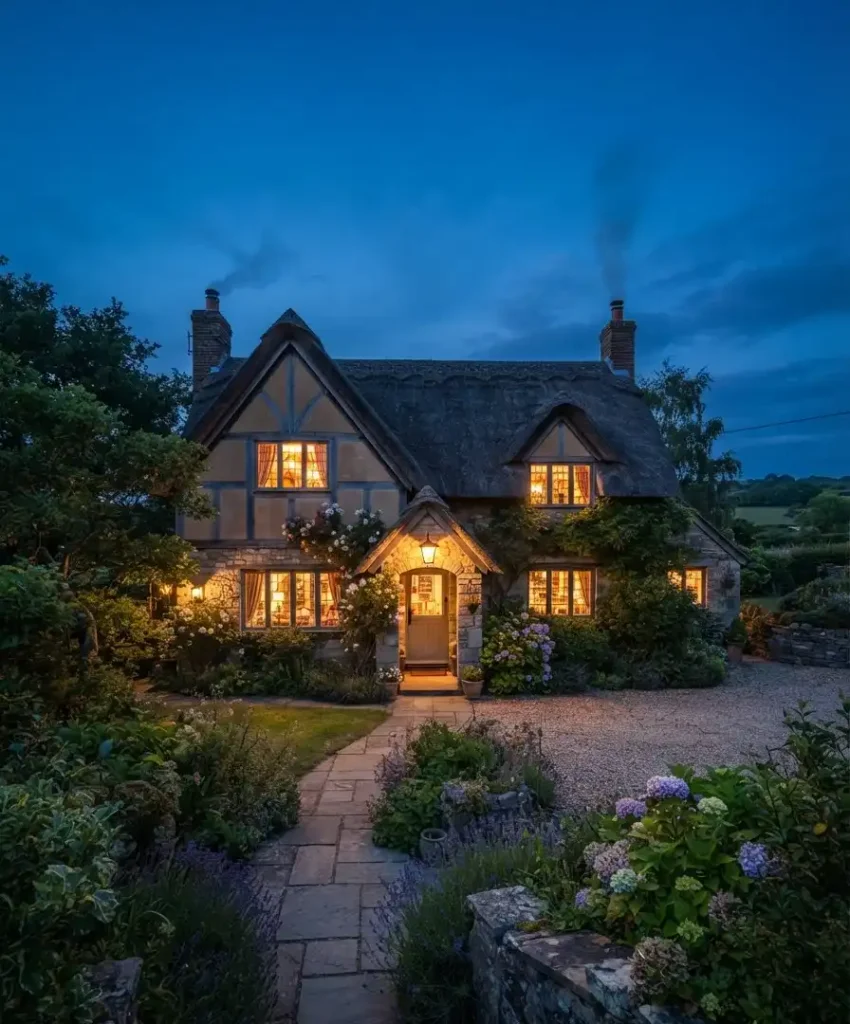
- Warm-toned exterior lighting, nothing stark white
- A wooden door in a deep color like forest green or barn red
- Potted plants flanking the entrance, slightly uneven placement on purpose
- A small overhang roof, even if the main roof already covers the area
That last point trips people up. Layering a mini roof over just the door, separate from the main roofline, adds depth that reads as “someone designed this over time” rather than “someone placed a template.”
Landscaping: where cottagecore actually wins or loses
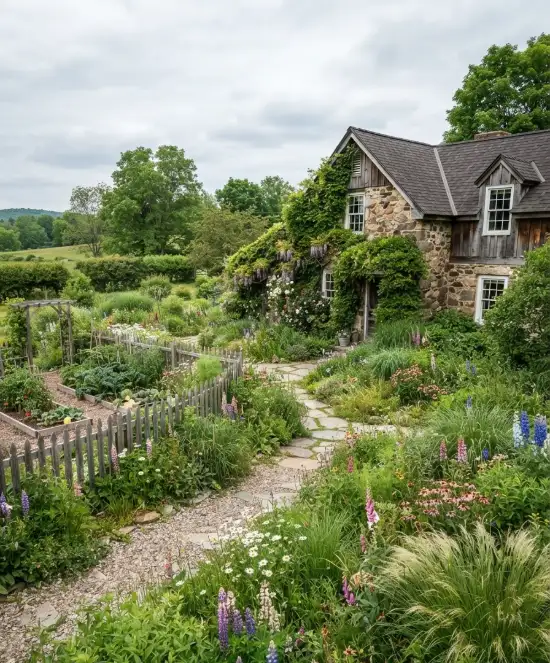
I’ll be blunt. You can nail the exterior walls perfectly and still end up with a build that looks sterile if the landscaping is lazy.
Cottagecore landscaping should look slightly overgrown. Not neglected, just unmanicured.
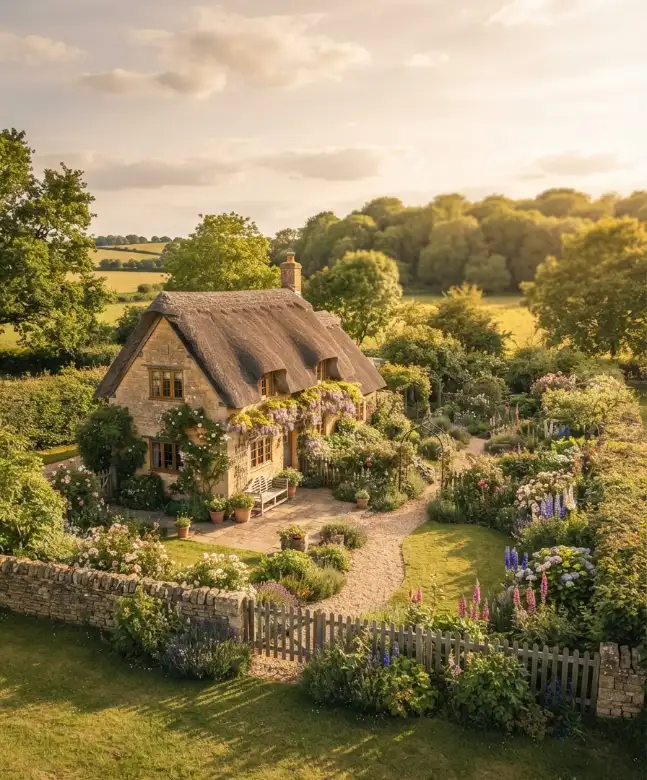
Real cottage gardens mix vegetables, wildflowers, and climbing plants in a way that looks almost accidental, even though someone spent years shaping it that way.
In Bloxburg, that means:
- Planting flower beds in irregular clusters, not straight rows
- Using taller foliage near the house to soften hard wall lines
- Adding a small vegetable garden patch, even a token one
- Placing a stone or gravel path instead of a perfectly straight walkway
- Letting vines climb at least one section of exterior wall
A quick tangent, because I can’t help it: I once spent an entire evening trying to get a fence gate to sit at the “right” crooked angle and completely lost track of time.
My partner asked what I was doing and I genuinely could not explain why a virtual gate mattered that much. It mattered. It still matters. Moving on.
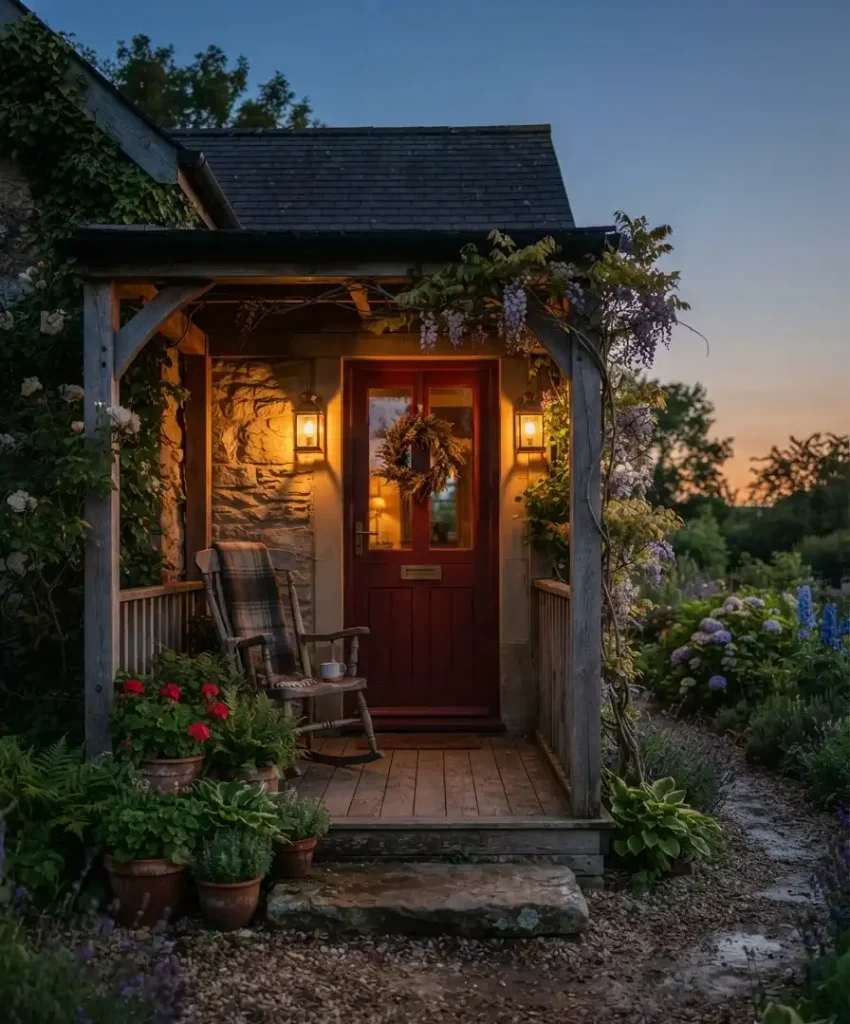
Fencing matters more than people give it credit for. A low wooden picket fence, slightly weathered in color, frames the whole property without walling it off.
Skip anything that looks too clean or symmetrical. Cottagecore fencing should look like it’s been repaired a few times over the years, even in a game where nothing actually ages.
Windows and the details Pinterest boards obsess over
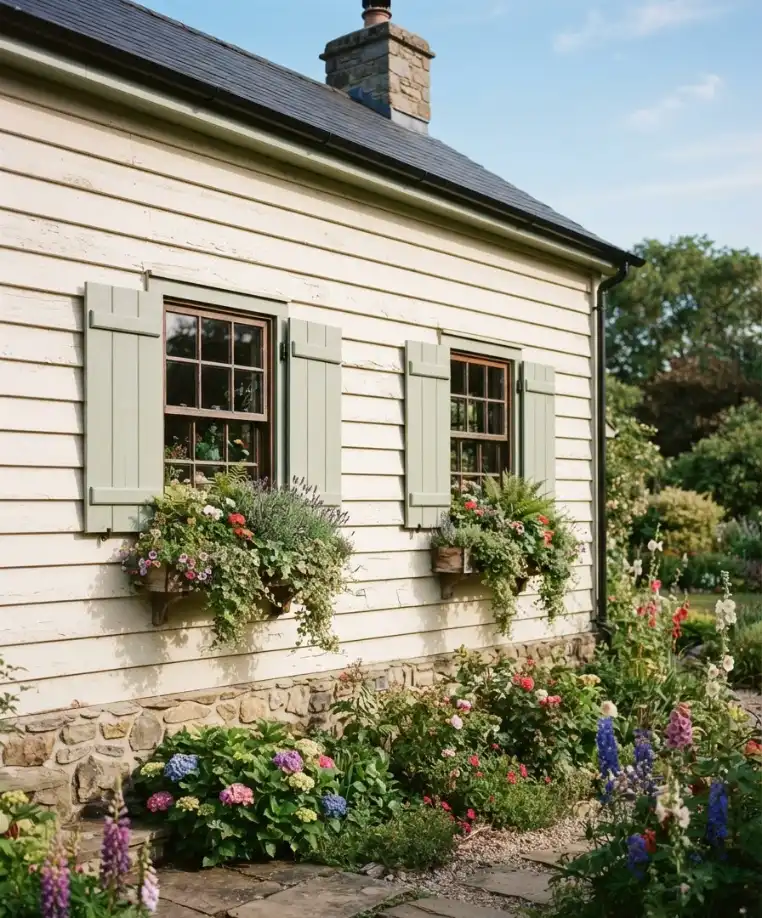
Small-paned windows, the kind with multiple grid divisions, do more for a cottagecore look than almost any other single choice.
Bloxburg’s window catalog has a few options styled this way, and they’re worth the extra build time compared to large single-pane windows.
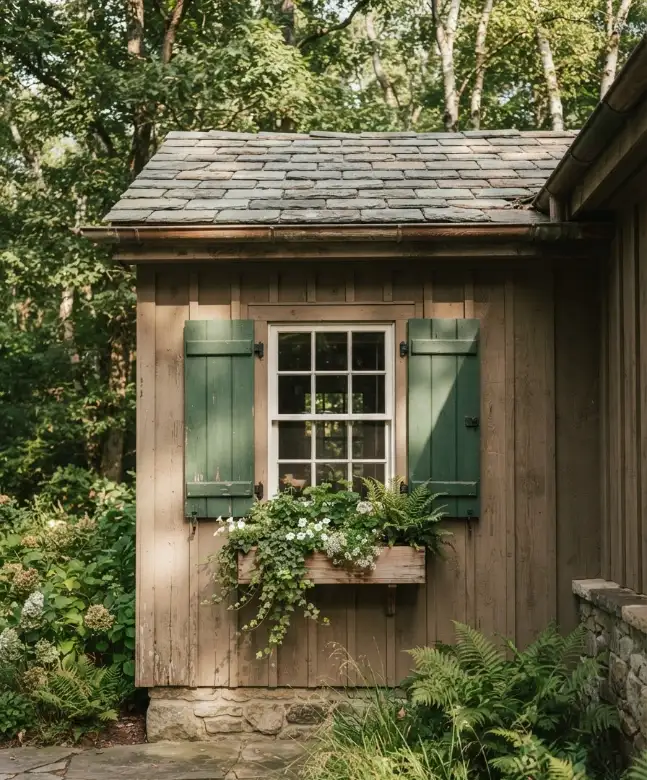
Window boxes are non-negotiable in my book. A house with bare window sills just doesn’t hit the same.
Fill them with flowers that echo your landscaping palette so the whole exterior feels connected instead of assembled from separate decisions.
Shutters help too, especially in a contrasting but complementary color to your siding.
This is another spot where the general cottagecore design guidelines covered by Business Insider translate almost directly into Bloxburg building choices, since real-world cottagecore design and virtual cottagecore building lean on the same visual logic: texture, warmth, and asymmetry.
Common mistakes I see (and made myself)
A few things trip people up constantly, and I’ve been guilty of every single one:
- Overusing bright, saturated colors instead of muted, earthy tones
- Building a roof that’s too shallow, which flattens the whole silhouette
- Skipping the garden entirely and focusing only on the house itself
- Making the porch too large, which shifts the vibe toward farmhouse
- Forgetting exterior lighting warmth, leaving the house looking cold at night
That last one is sneaky. A gorgeous daytime build can look completely wrong once you switch to Bloxburg’s night cycle if your lighting choices are too harsh.
Test your build at night before calling it finished. This is insane how much of a difference warm lighting makes once the sun goes down in-game.
My honest build breakdown
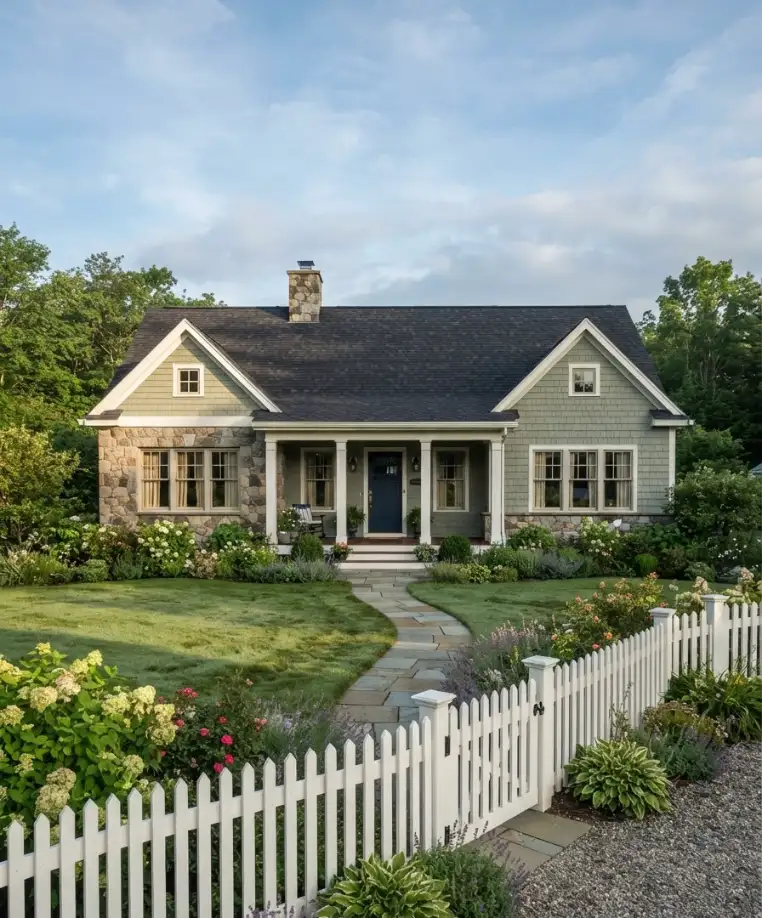
For anyone who wants a rough blueprint rather than scattered tips, here’s roughly how I structure a cottagecore exterior from scratch:
First, I lay the foundation slightly larger than I think I need, because cottagecore homes read better with some porch depth built in from the start.
Then I frame the roof early, before walls, so I can see the silhouette taking shape and adjust pitch before committing to wall height.
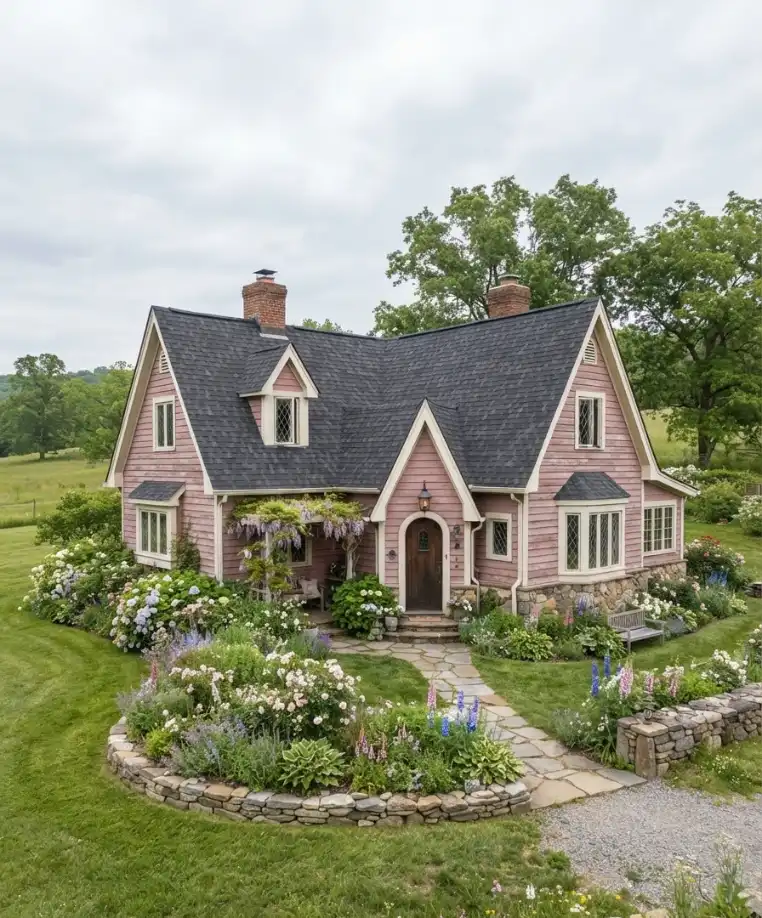
Walls go up in the stone-then-siding combo I mentioned earlier.
I add window placement next, spacing them a little irregularly rather than in a perfectly even grid, since real cottages rarely have perfectly matched window spacing anyway.
Landscaping comes last, and I genuinely think that order matters. Building the garden after the structure is finished lets you react to the actual shape of the house instead of guessing.
A few quick FAQs
Does cottagecore work on a small Bloxburg lot?
Yes, arguably better than on a large one. Cottagecore is about coziness, not scale, so smaller footprints often look more authentic than sprawling builds.
What color palette reads as “most cottagecore” if I can only pick one?
Sage green and cream, paired with a dark shingle roof. It’s the closest match to real-world cottage photography and it’s forgiving if you’re still learning color coordination in-game.
Can I mix cottagecore with modern interior styles inside the same house?
Absolutely, and plenty of Pinterest builds do exactly that. Just keep the exterior consistent so the outside still reads as one cohesive style before you get creative indoors.
Final thought
Cottagecore Bloxburg builds reward patience more than skill, and honestly, that’s kind of the whole point of the aesthetic in the first place.
Slow down, let the roofline stay a little uneven, let the garden look a bit wild.
What’s your go-to cottagecore color combo, and have you tried the stone-to-siding wall transition yet? Drop your build screenshots somewhere I can see them, I want to steal ideas too.