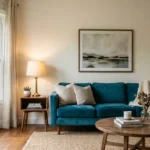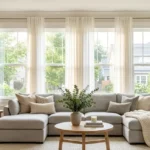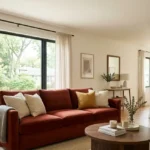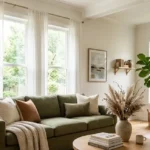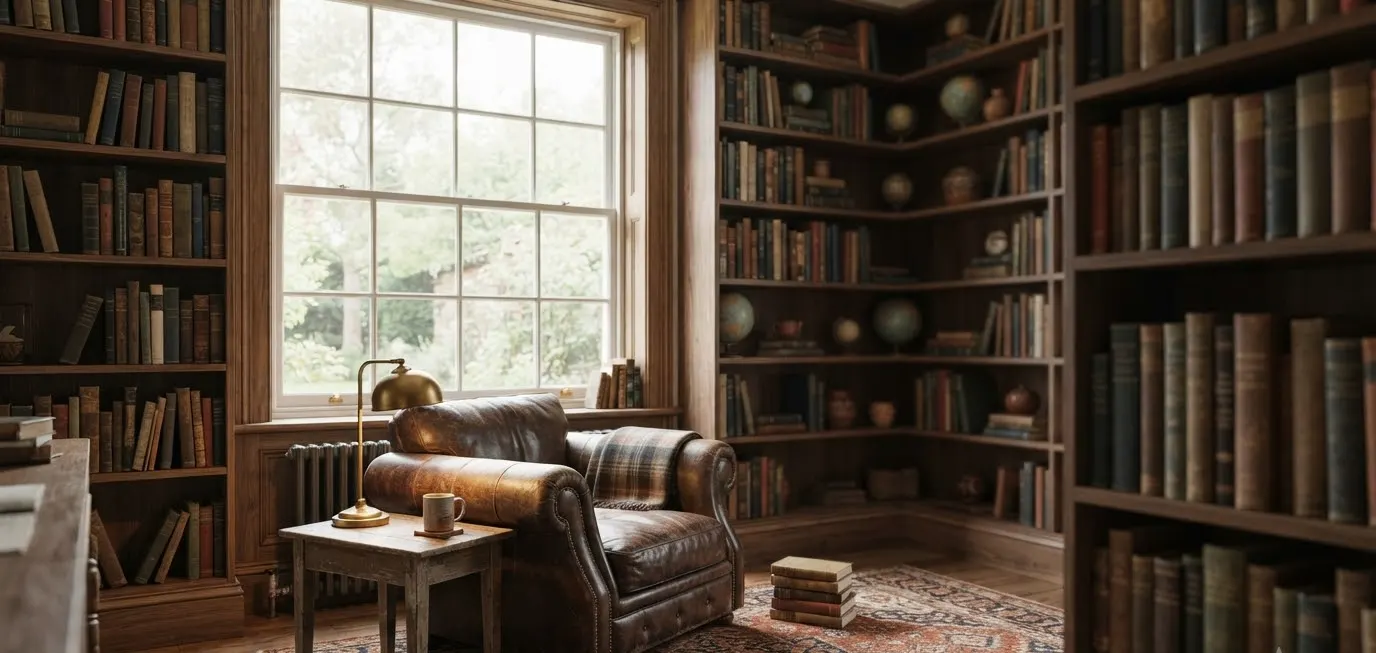
I turned a dusty corner of my spare room into a reading nook three years ago, and I still remember how smug I felt the first time I curled up there with a cup of tea and a stack of paperbacks. That corner used to hold a broken treadmill. Now it holds my entire personality.
If you’ve ever scrolled Pinterest at midnight dreaming about built-in shelves and a window seat, you already know the itch I’m talking about.
You don’t need a mansion or a trust fund to build a proper home library. You need a plan, a little patience, and maybe a trip to a thrift store.
Here’s everything I’ve picked up from turning random rooms into reading retreats, mistakes included.
Start with the bones: layout and space planning
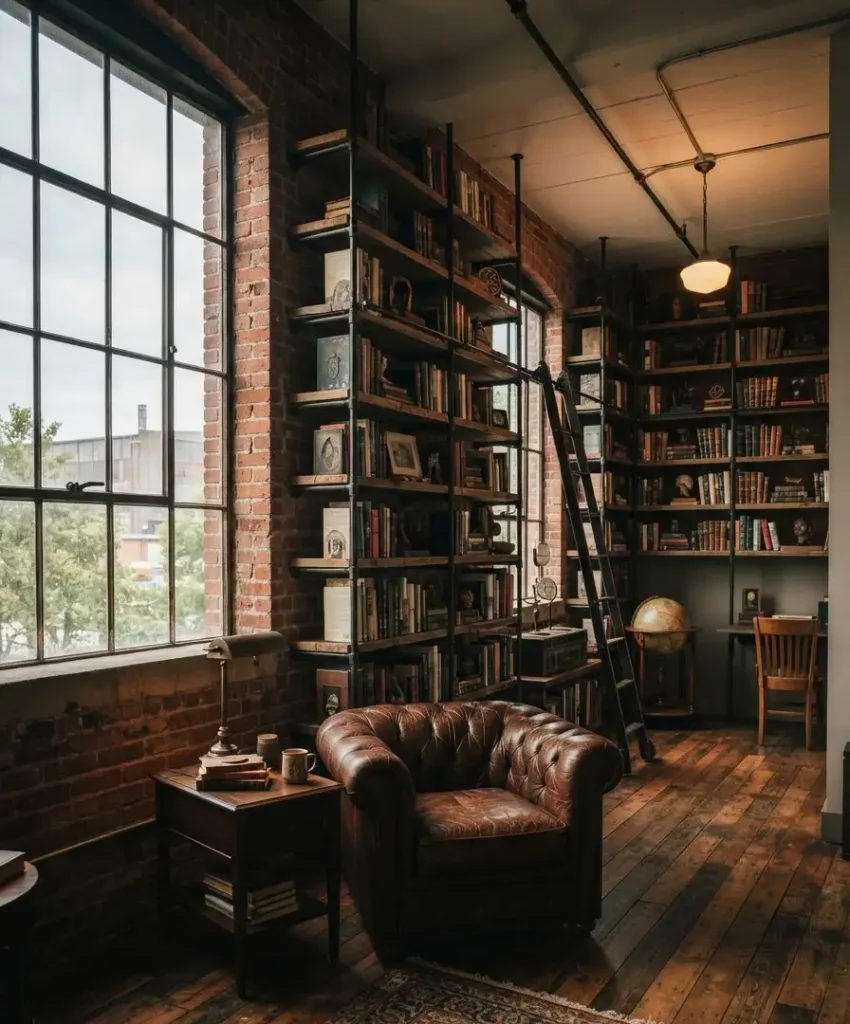
Before you buy a single shelf, figure out how the room actually moves. A library that looks stunning in a photo but blocks your bedroom door is a library nobody uses.
- Pick a dead zone first. Look for the space in your house that nobody uses well: an awkward hallway nook, an unused dining room, the area under a staircase. These spots often have the most potential because nobody’s fighting you for them.
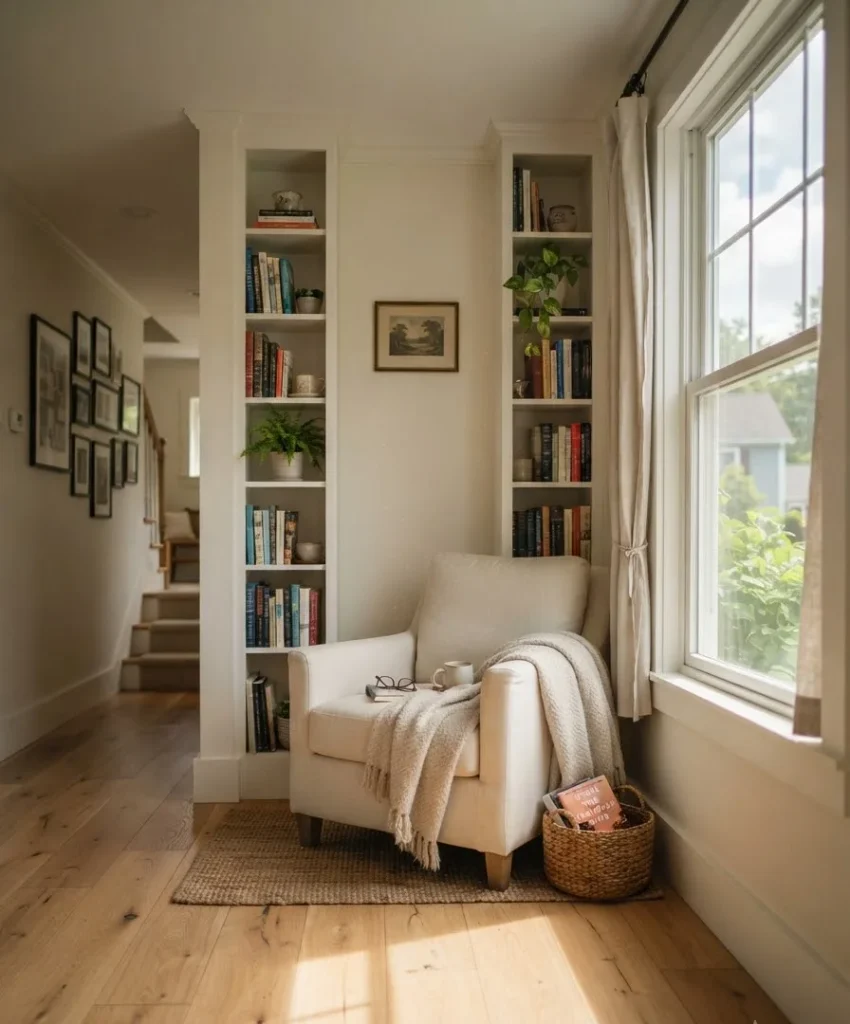
- Measure before you dream. I skipped this step once and ordered a bookshelf that stuck out 4 inches into a doorway. Grab a tape measure and write down the real numbers before you fall in love with anything online.
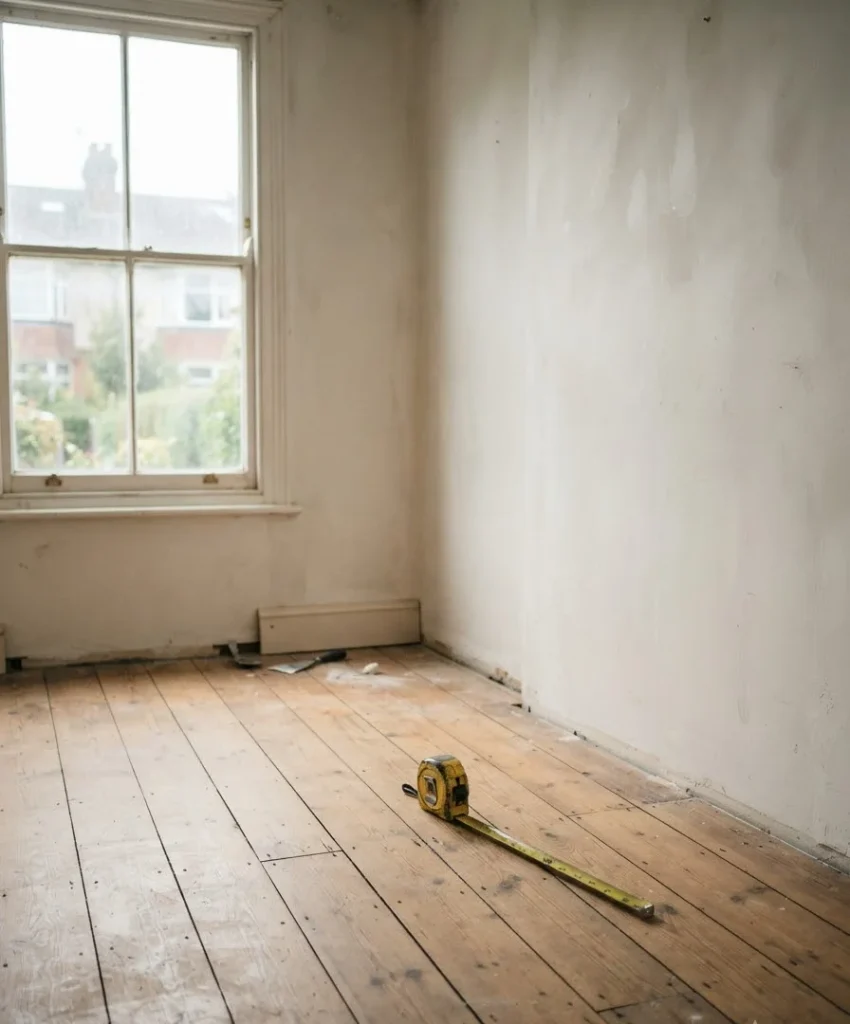
- Leave a reading path. Whatever furniture you choose, keep at least 30 inches of walking space between pieces. Cramped rooms feel like storage units, not retreats.
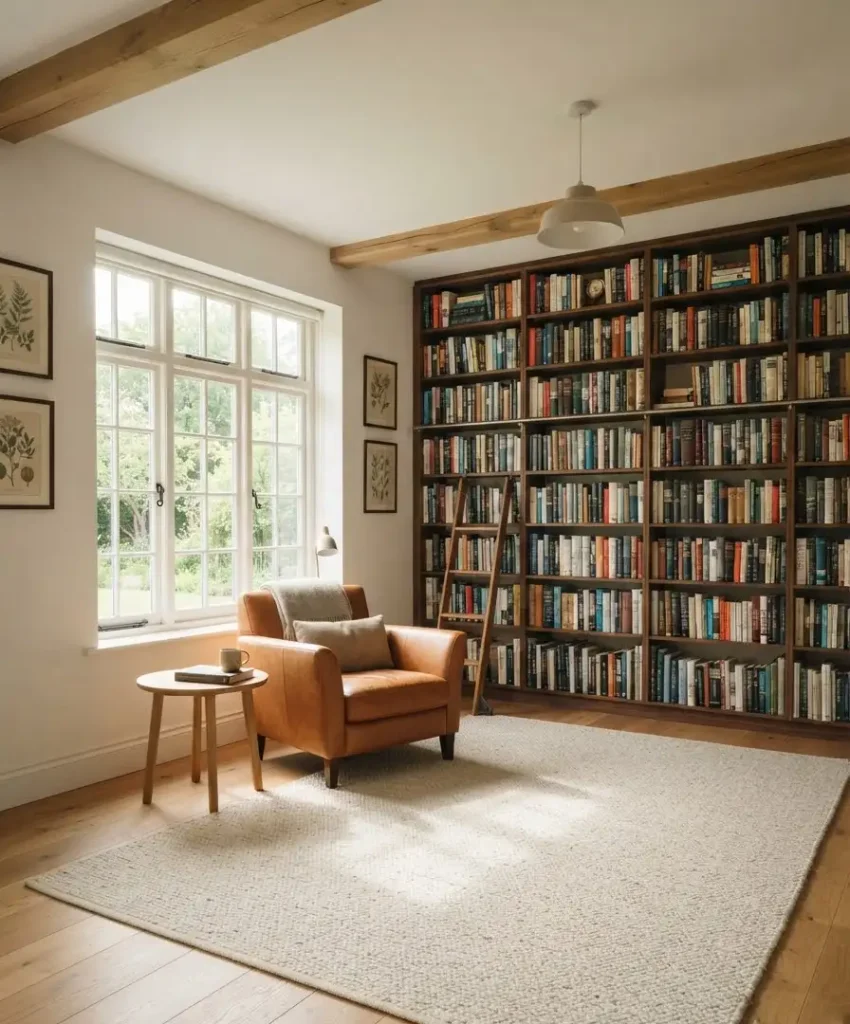
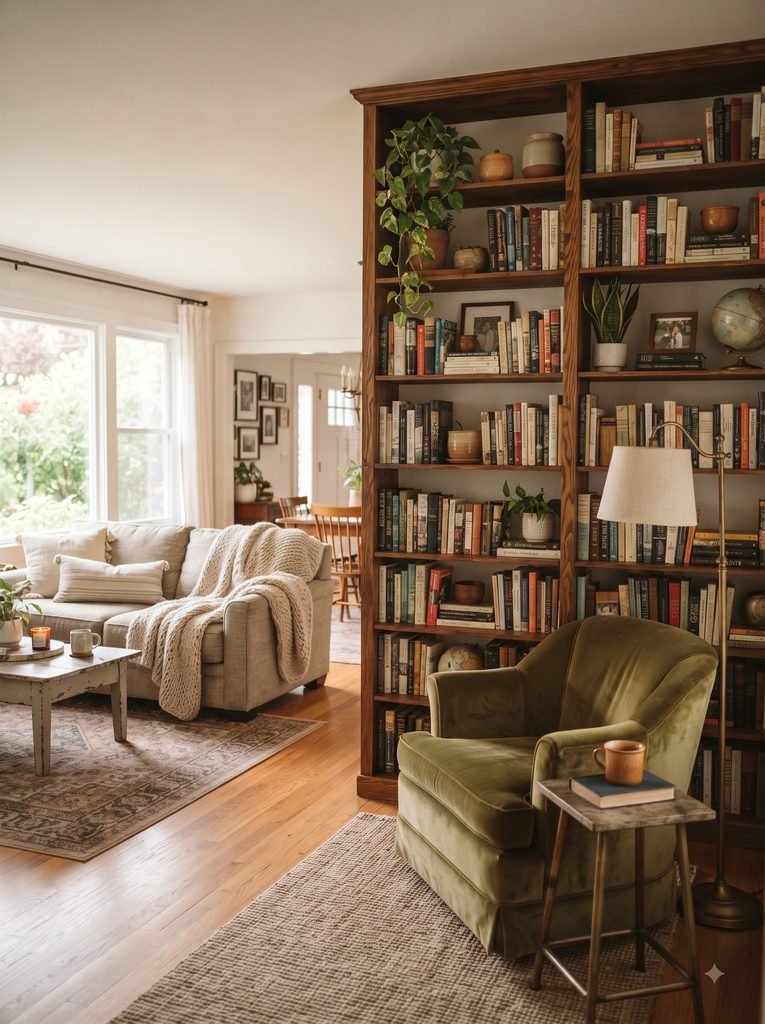
- Use a room divider for open floor plans. A tall bookshelf, a folding screen, or even hanging curtains can carve out a library corner inside a larger living room without a single wall coming down.
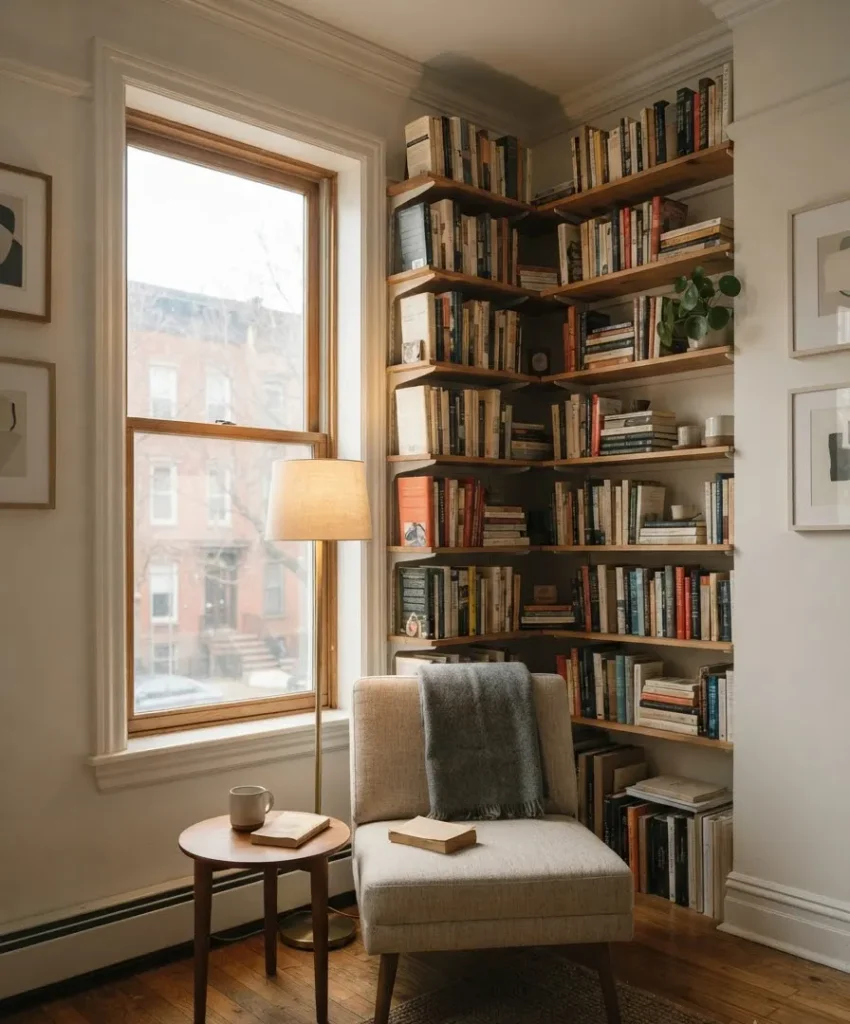
- Think vertically in small rooms. Floor space is precious in apartments, so build up instead of out. Floor-to-ceiling shelving uses the same footprint as a short bookcase but holds triple the books.
- Match the room’s original purpose. A guest bedroom that hosts visitors twice a year is a much better library candidate than your only home office. Be honest about what you actually use each room for.
Shelving that actually works for real books
Shelving is where most people either go beautifully overboard or hilariously cheap out. Both mistakes are fixable.
- Built-ins add real resale value. According to HGTV, built-in bookshelves are one of the home features buyers consistently respond to, so this isn’t just a design choice, it’s a smart one long term.
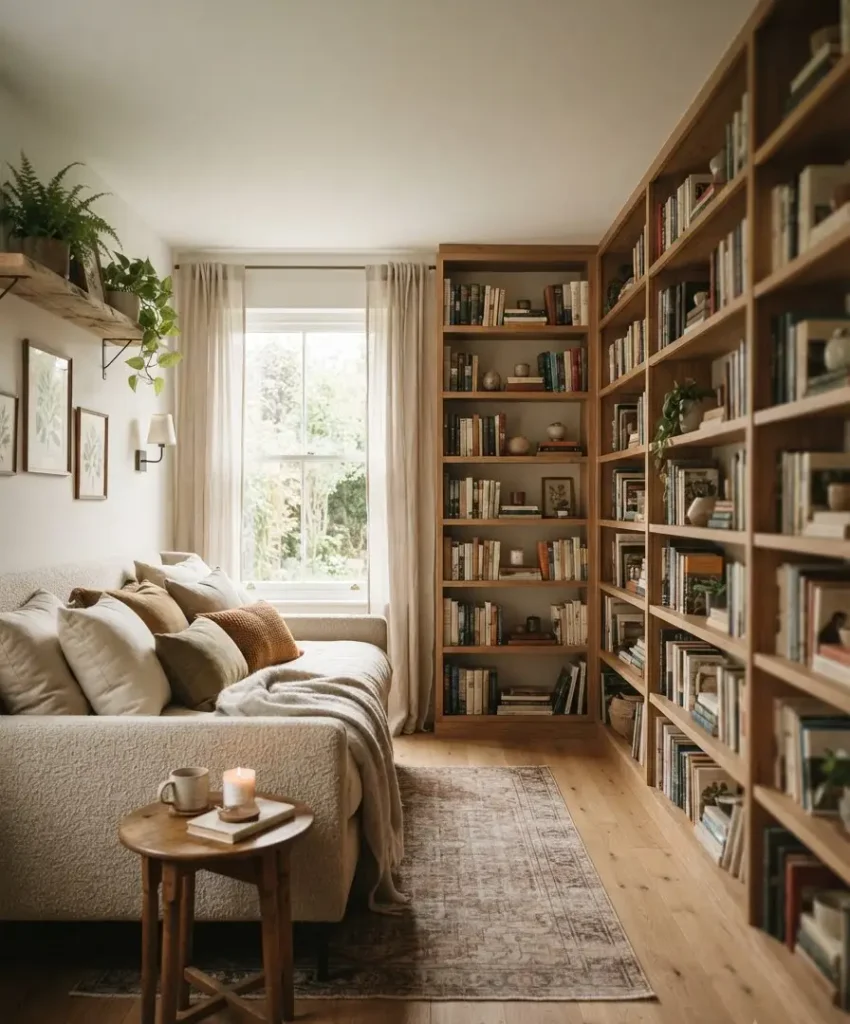
- Freestanding units are the renter’s best friend. IMO, if you’re not planning to stay in your place forever, skip the custom carpentry and invest in a solid freestanding bookcase you can take with you.
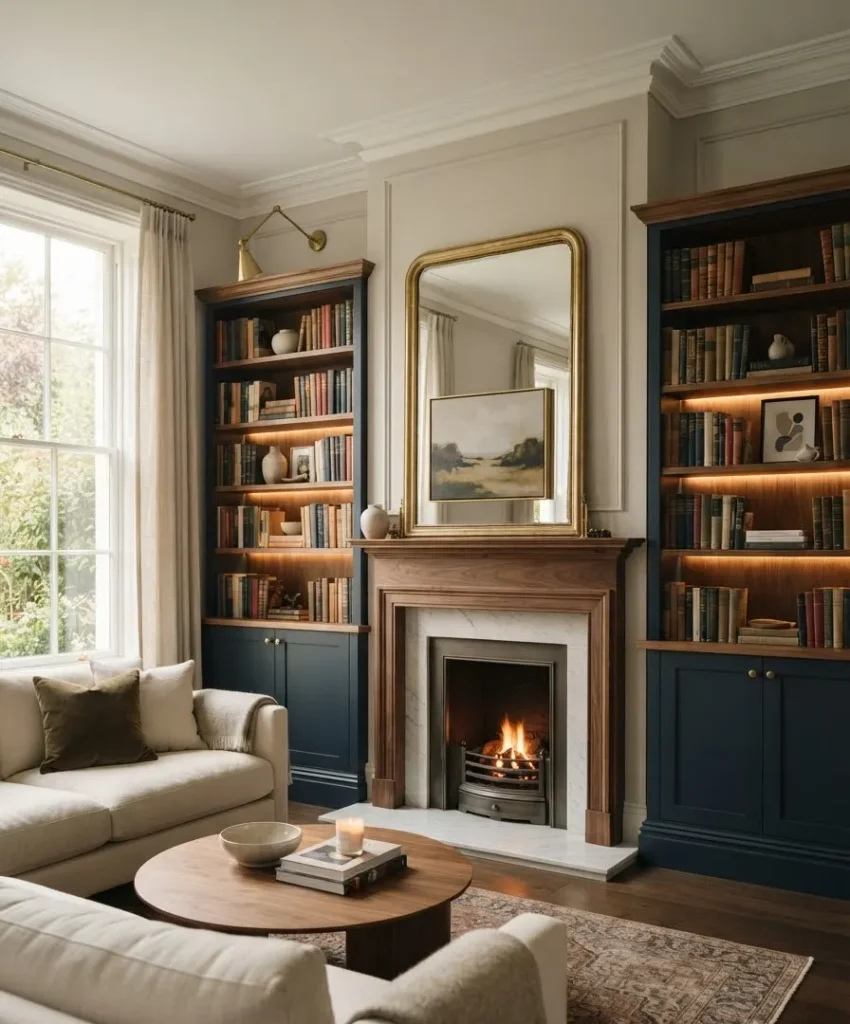
- Ladder shelving looks great and saves floor space. A leaning ladder bookshelf works in corners and against odd wall angles where a boxy unit just won’t fit.
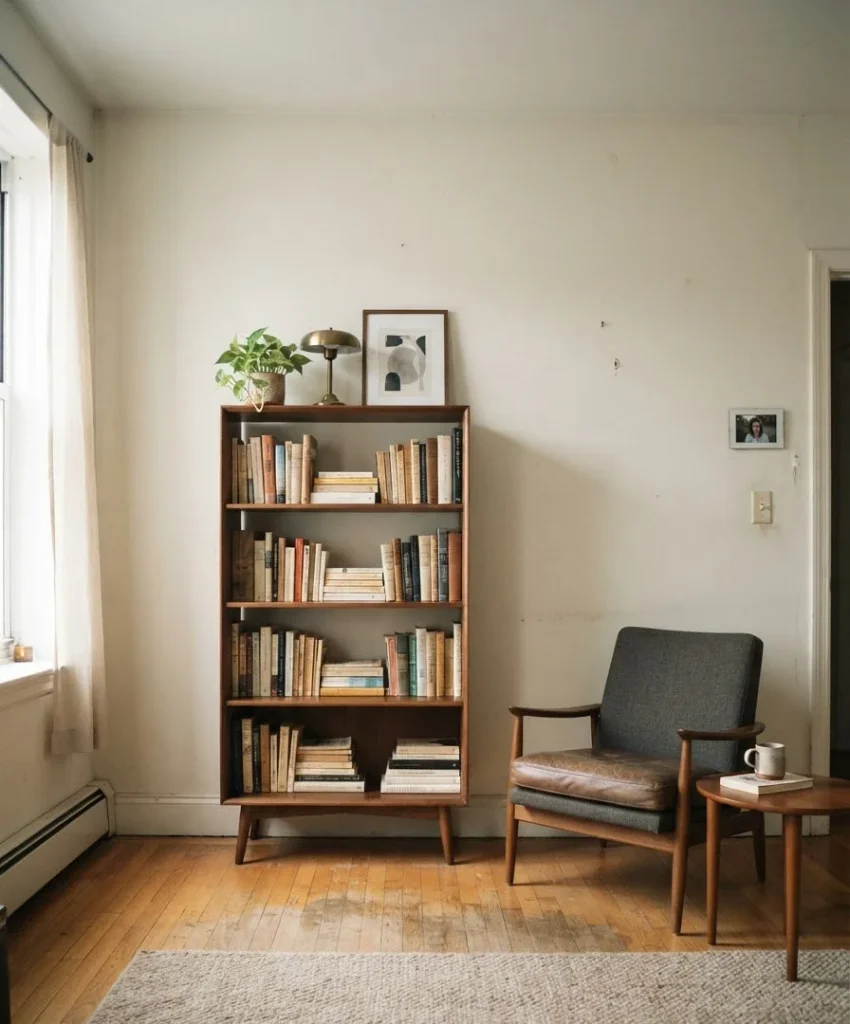
- Mix closed and open storage. Not every shelf needs to show off spines. A cabinet with doors hides the paperbacks you’re embarrassed about (we all have them) while open shelves display your prettiest hardcovers.
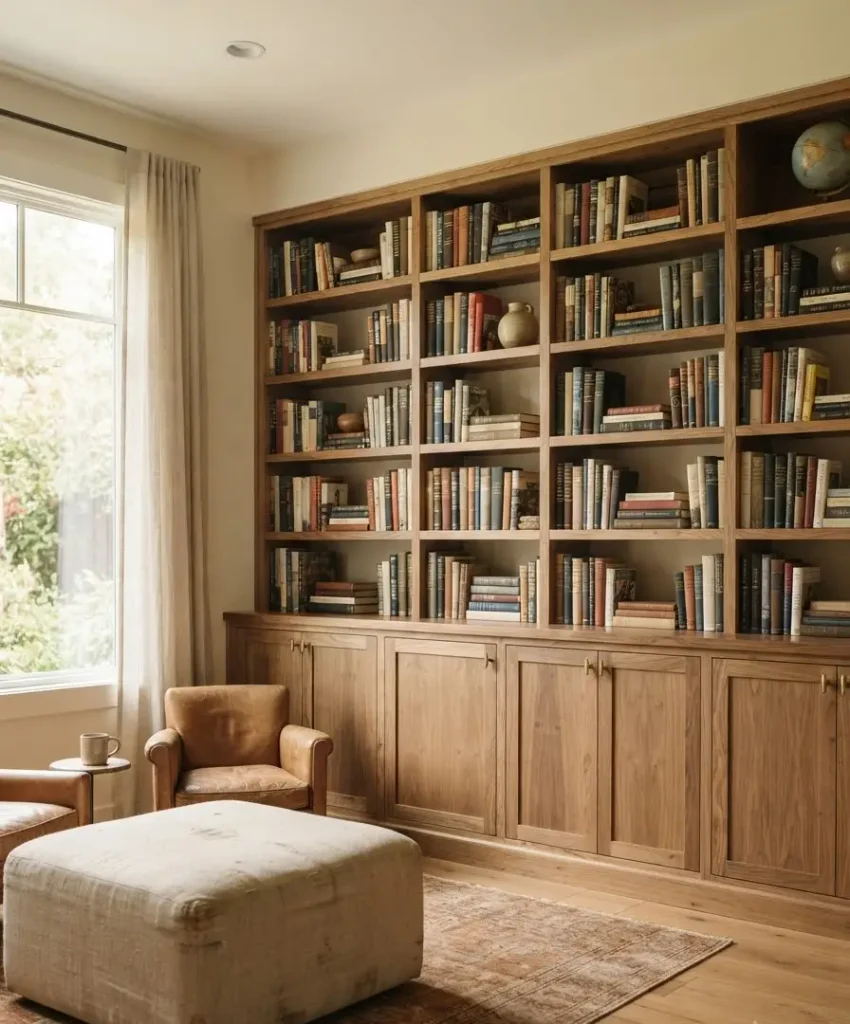
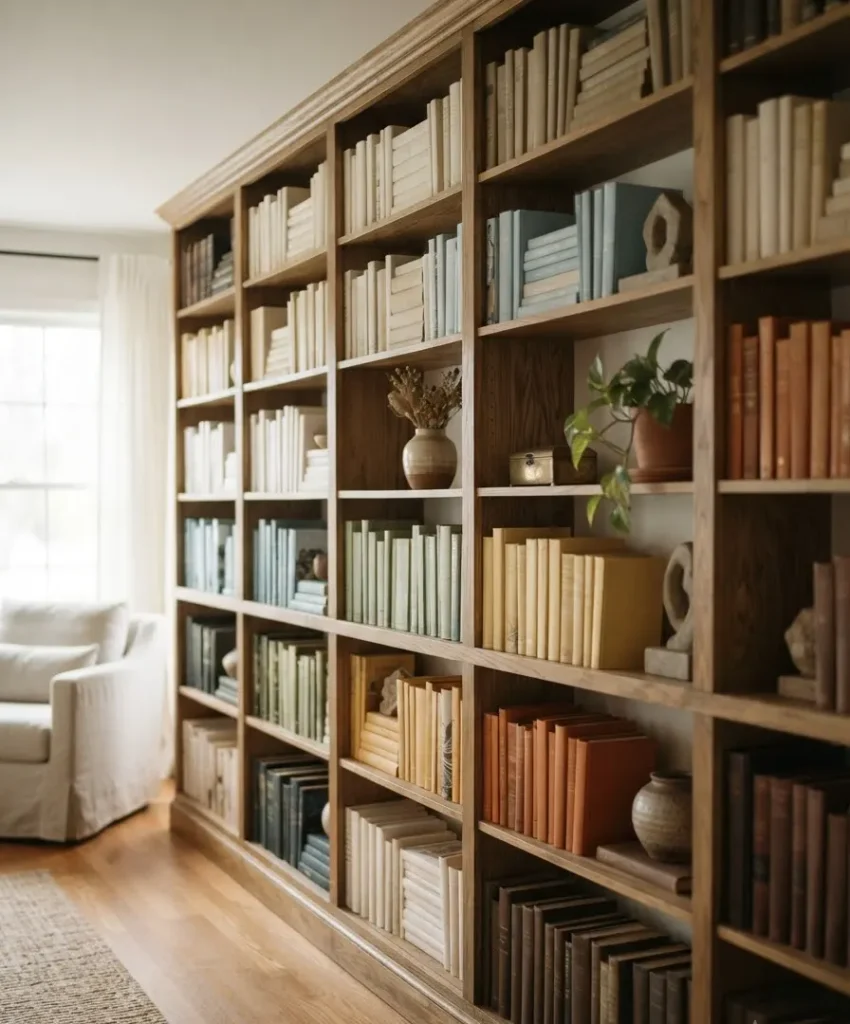
- Color-code sparingly, not obsessively. Rainbow bookshelves photograph beautifully, but if you actually read your books, you’ll spend 10 minutes hunting for one title. I tried full color-coding for a month and gave up.
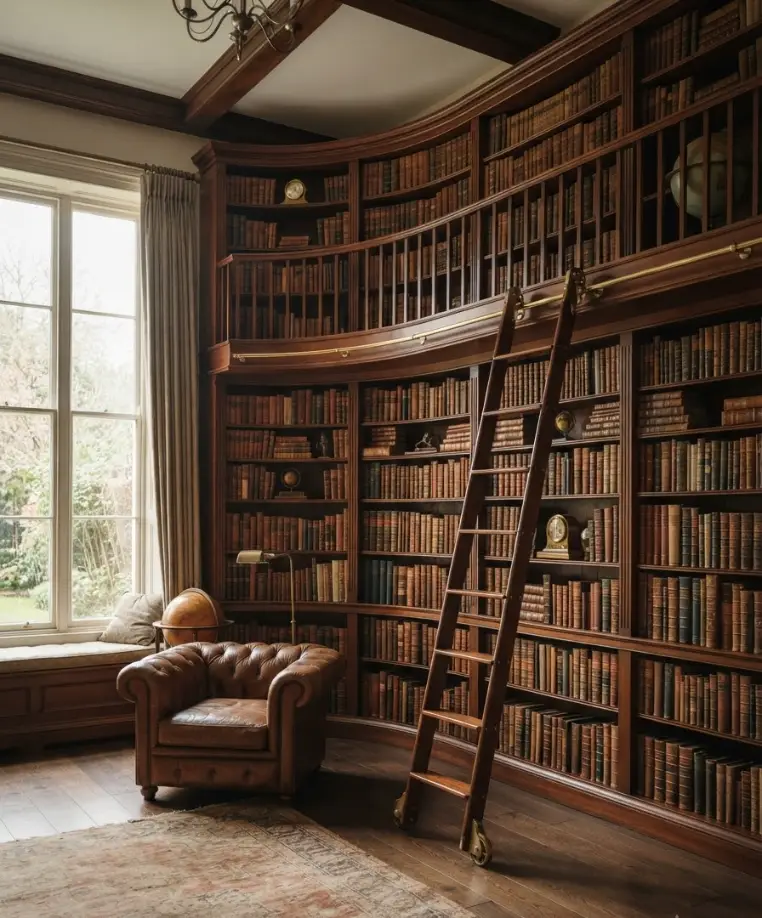
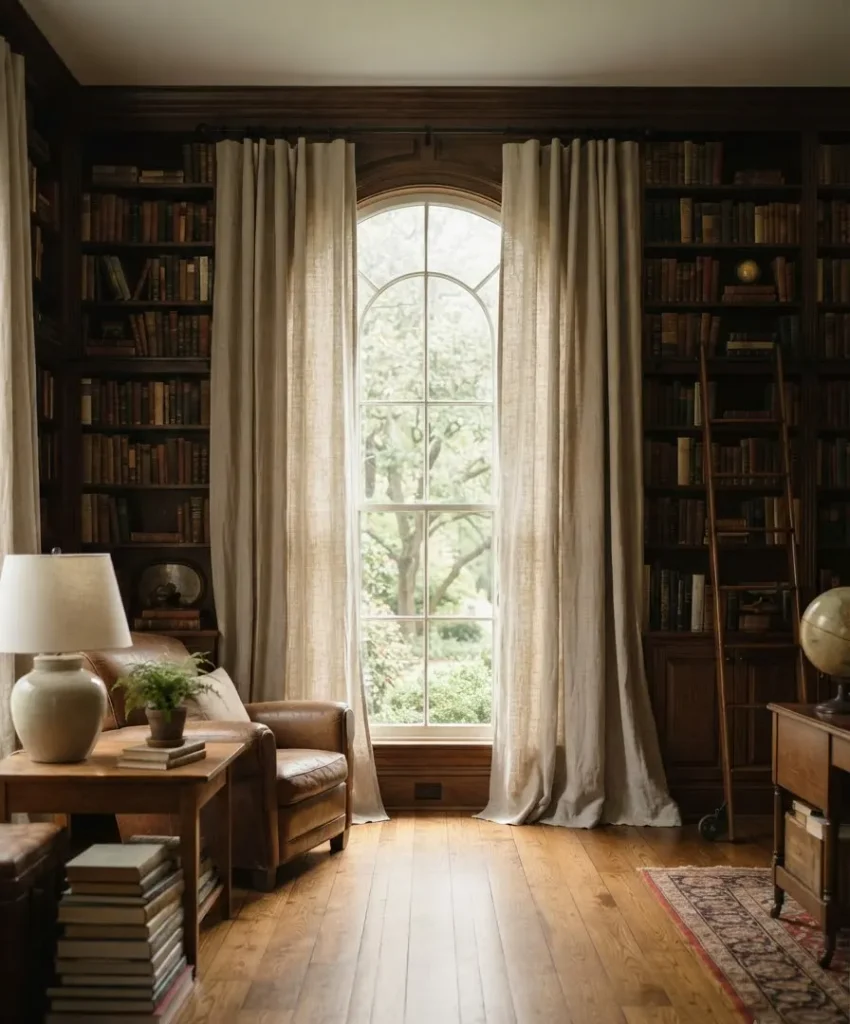
- Add a rolling library ladder if your ceilings allow it. It’s a splurge, sure, but there’s something genuinely magical about sliding a ladder across a wall of books. Wow, that detail alone can make a room.
Lighting that makes reading actually comfortable
Bad lighting ruins more reading nooks than bad furniture ever does. You can have the prettiest chair in the world and still strain your eyes into a headache.
- Layer three light sources. Combine natural light, a floor lamp, and a small reading light near your chair. One overhead bulb alone creates flat, tiring light.
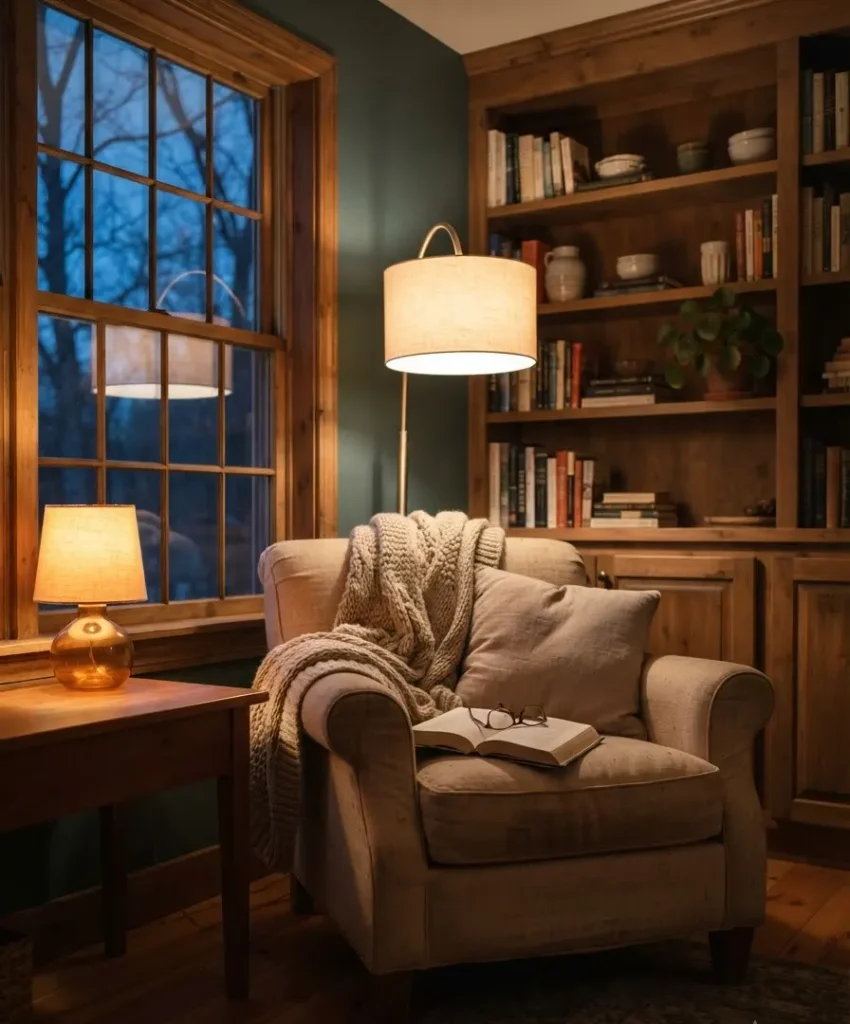
- Put your chair near a window, not directly under it. Direct glare on a page is worse than dim light. Angle your seat so daylight hits the book, not your eyes.
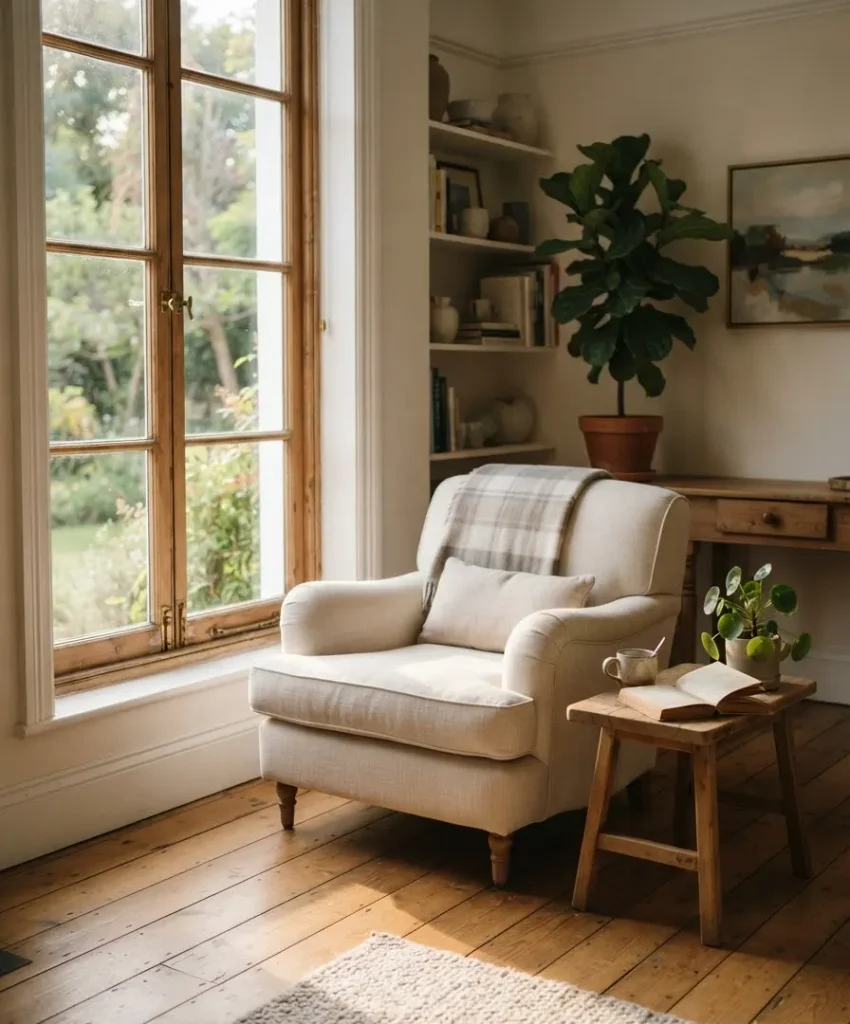
- Warm bulbs beat cool white every time for a library. Aim for bulbs around 2700K to 3000K. Cool white lighting belongs in a garage, not a reading retreat.
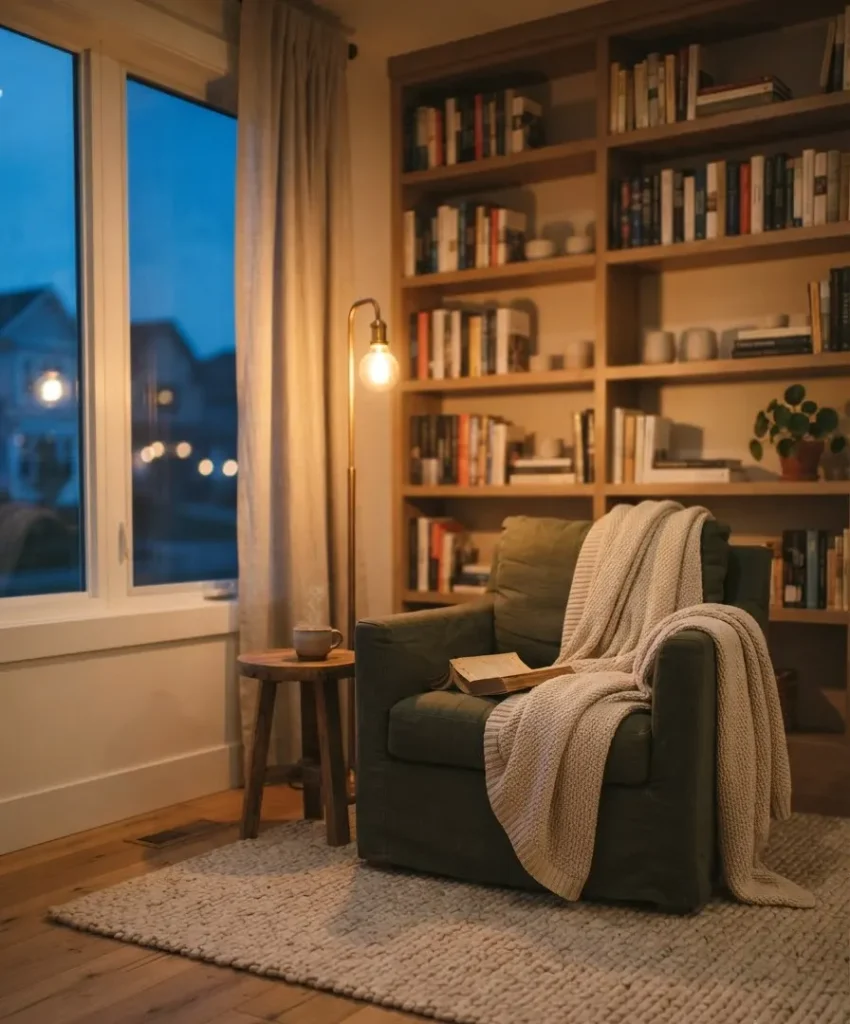
- Install a dimmer switch. Reading in the afternoon needs different light than reading at 10 p.m. A dimmer costs less than a nice hardcover and changes the whole feel of the room.
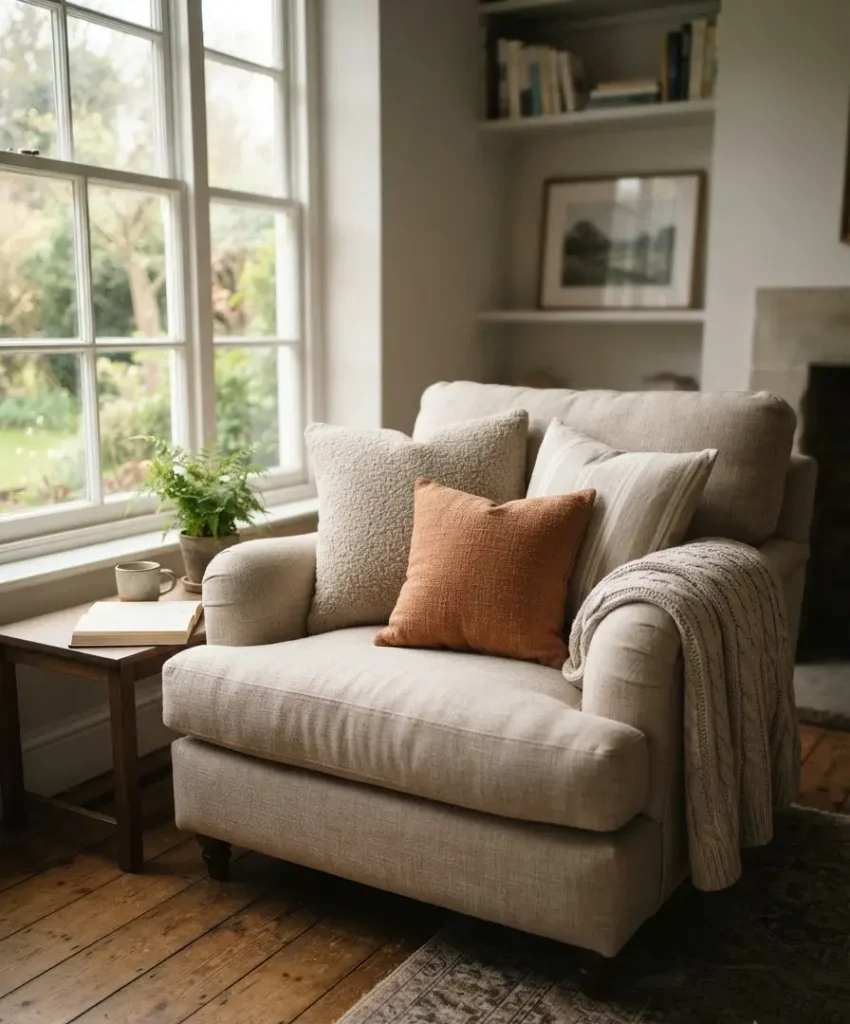
- Try a clip-on book light for late nights. Small, cheap, and it means you won’t wake up your partner scrolling for the light switch at 1 a.m.
Seating you’ll actually want to sit in for hours
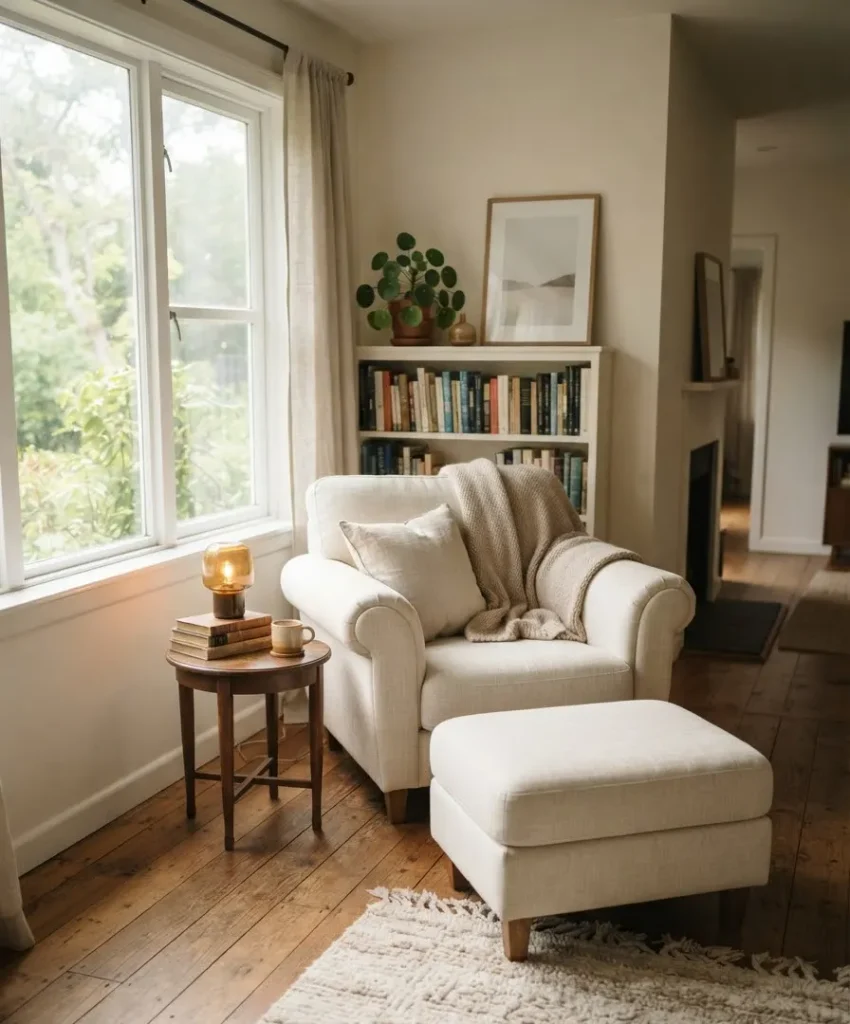
This is the part people rush, and it’s the part that matters most. A library without a genuinely comfortable chair is just a room with a lot of books in it.
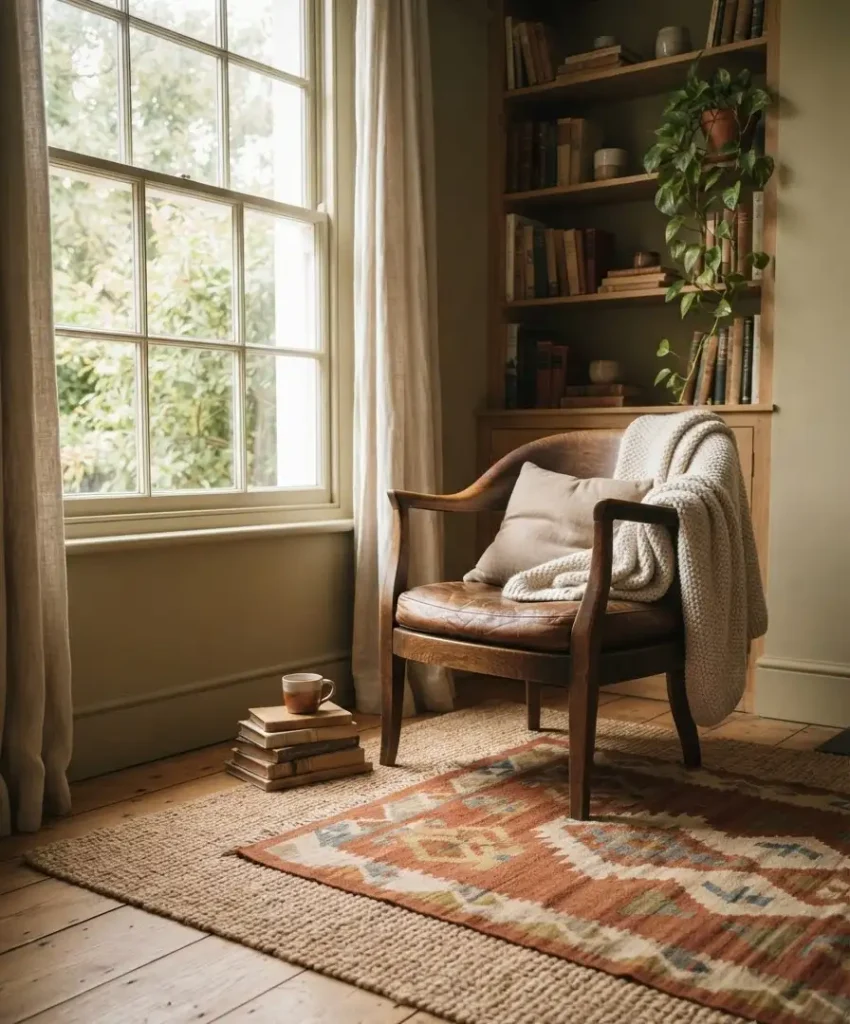
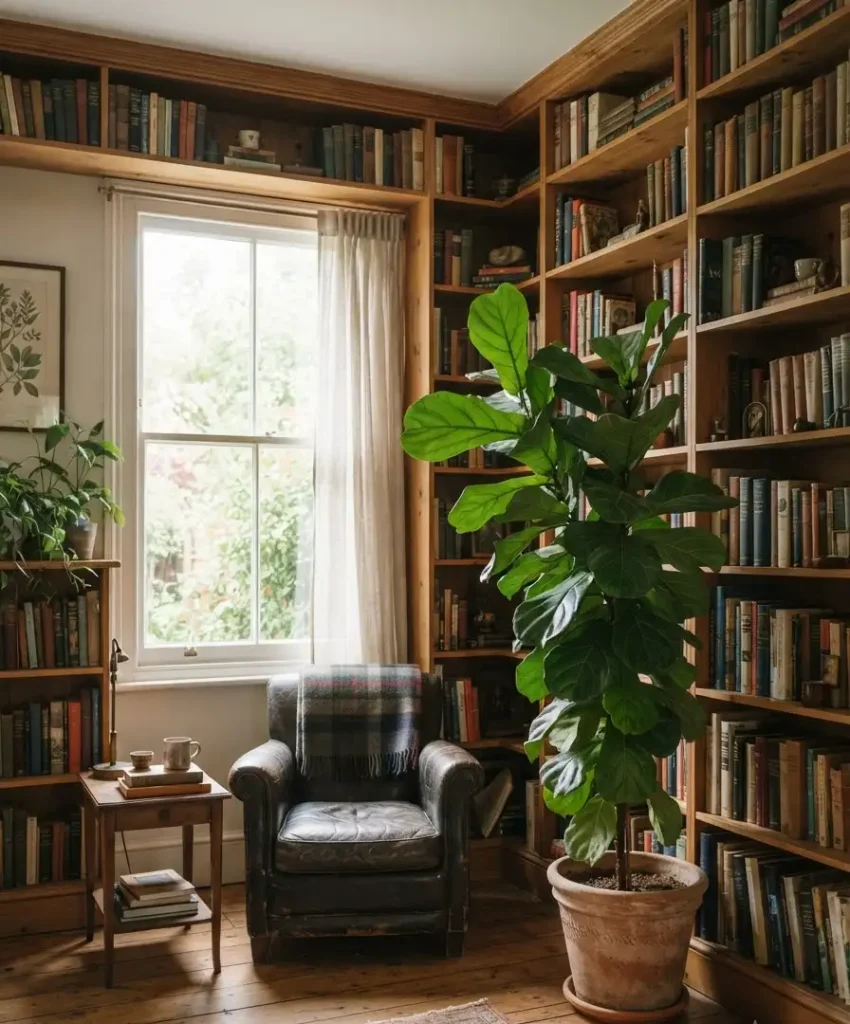
- Get one statement chair, not five mediocre ones. A single well-made armchair beats a cluttered mismatched seating area. Save up for the good one.
- Add a window seat if you have the depth for it. Even a DIY plywood bench with a cushion on top creates one of the coziest spots in any house.
- Consider a chaise for true horizontal reading. Some of us read best lying down, and there’s no shame in that. A chaise lounge makes it official.
- Throw pillows matter more than people admit. A firm lumbar pillow can turn a stiff chair into your favorite seat in the house. Don’t skip this detail just because it seems minor.
- Add a footstool or ottoman. Your feet deserve a place to go that isn’t the floor. This small addition changes how long you’ll actually stay put.
Decor, texture, and the little things that pull it together
Here’s a slightly random thought: my cat has knocked exactly 14 books off my shelves this year, and somehow that chaos still fits the vibe better than a perfectly staged shelf ever did. Real libraries have a little mess in them. That’s fine.
- Layer rugs for warmth and sound absorption. A rug under your reading chair softens the room acoustically and just feels better under bare feet than cold hardwood.
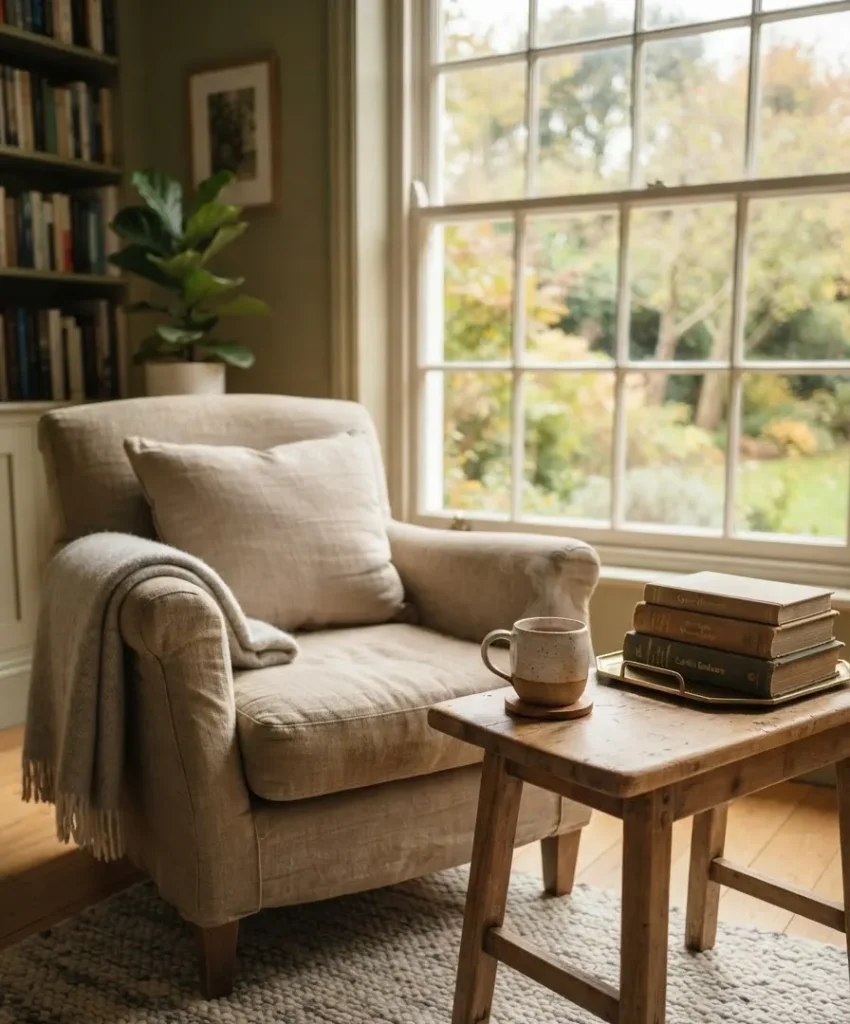
- Add heavy curtains, not just blinds. Fabric absorbs sound and light in a way blinds can’t match, and it makes the whole room feel more intentional.
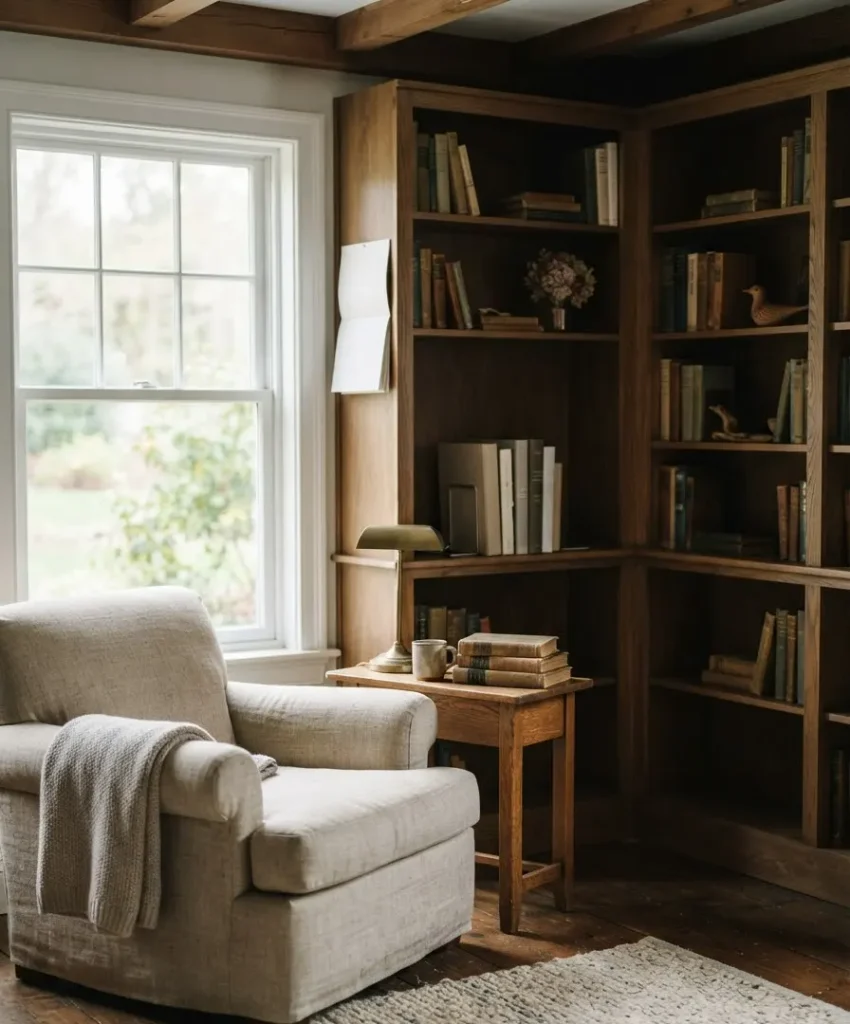
- Bring in one plant, minimum. A library with zero greenery feels a little sterile IMO. You don’t need a jungle, just one healthy plant near the window.
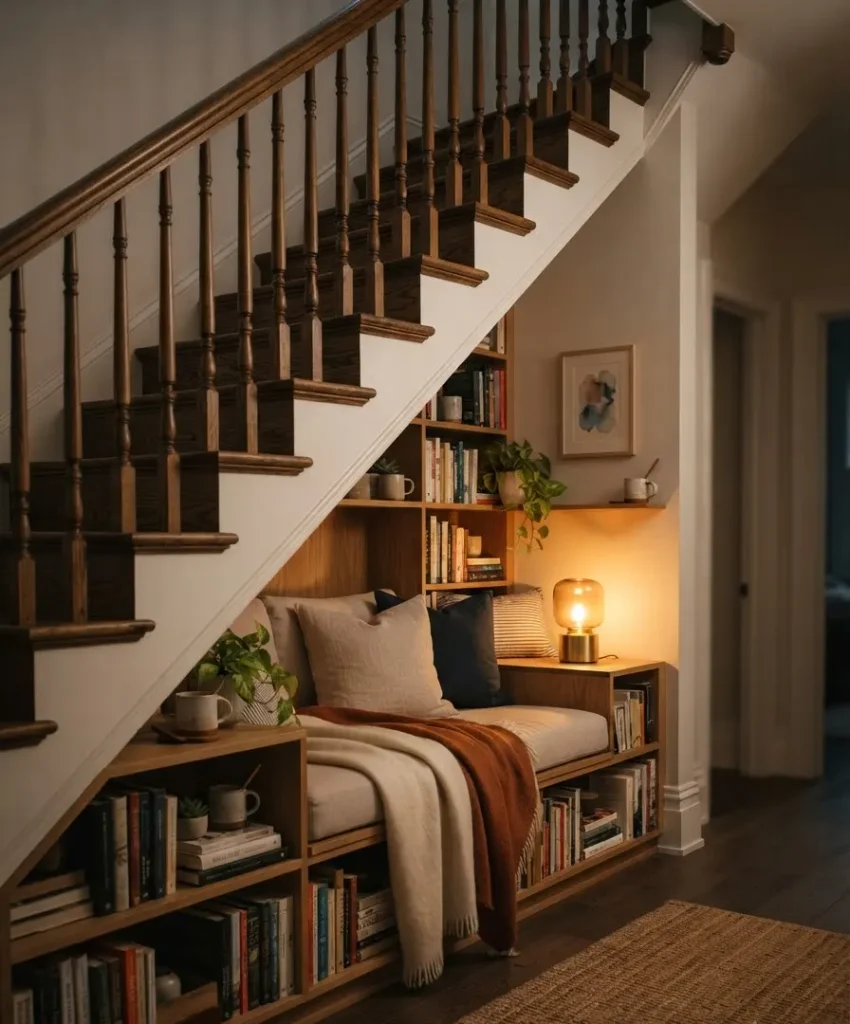
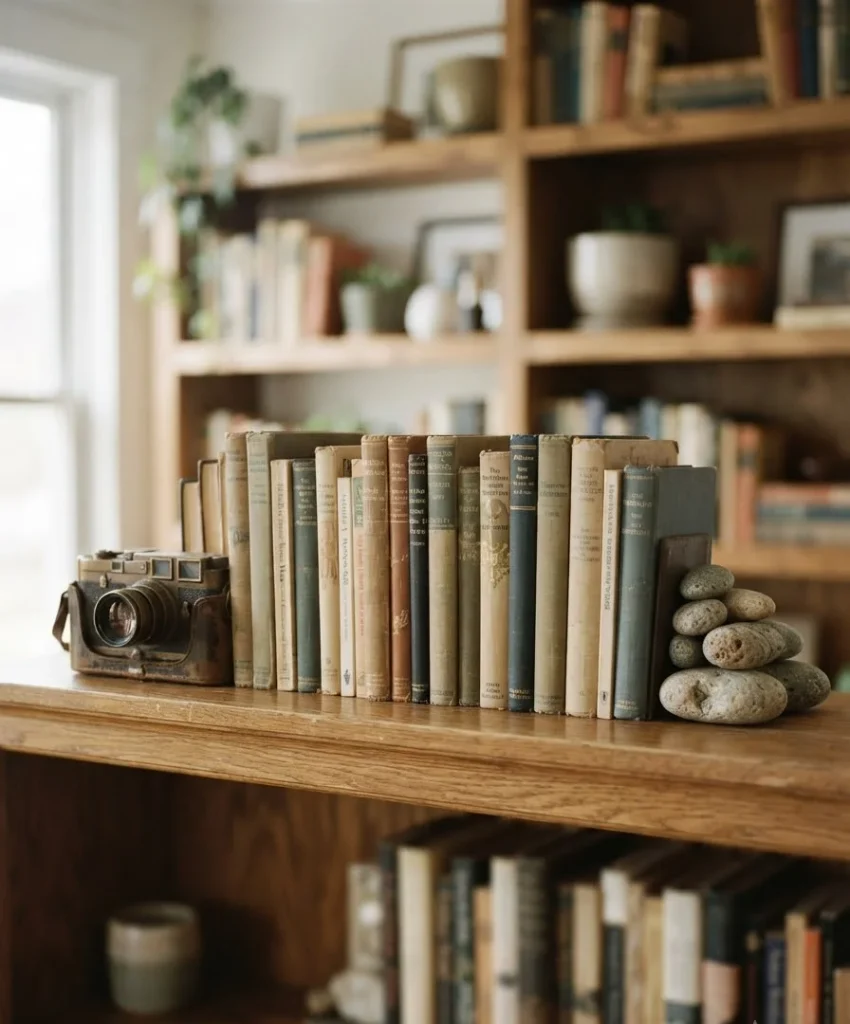
- Use bookends that mean something to you. Skip the generic metal ones from a big box store. Old cameras, chunky stones, small trophies, anything with a story works better.

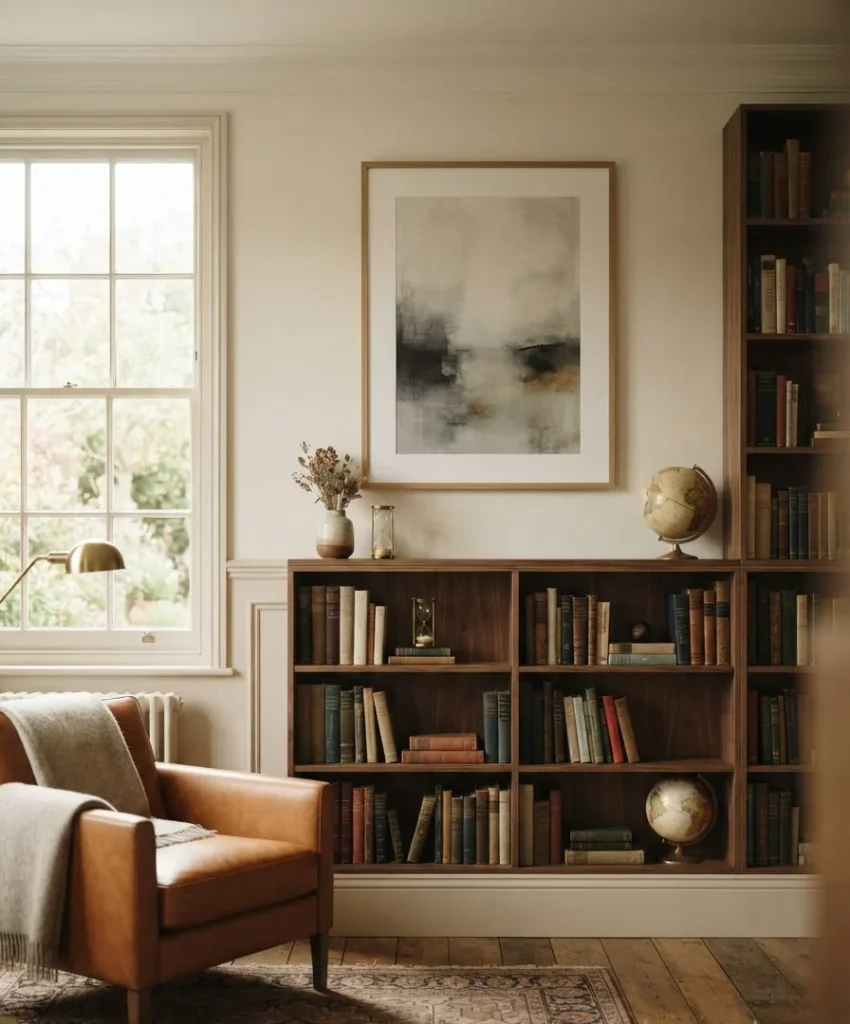
- Hang art related to reading or writing. A vintage map, an old typewriter print, a framed page from a beloved book. Small touches like this make the room feel curated instead of accidental.

- Add a small side table for tea or coffee. You need somewhere for your mug that isn’t the floor or balanced precariously on the armrest. Trust me on this one.
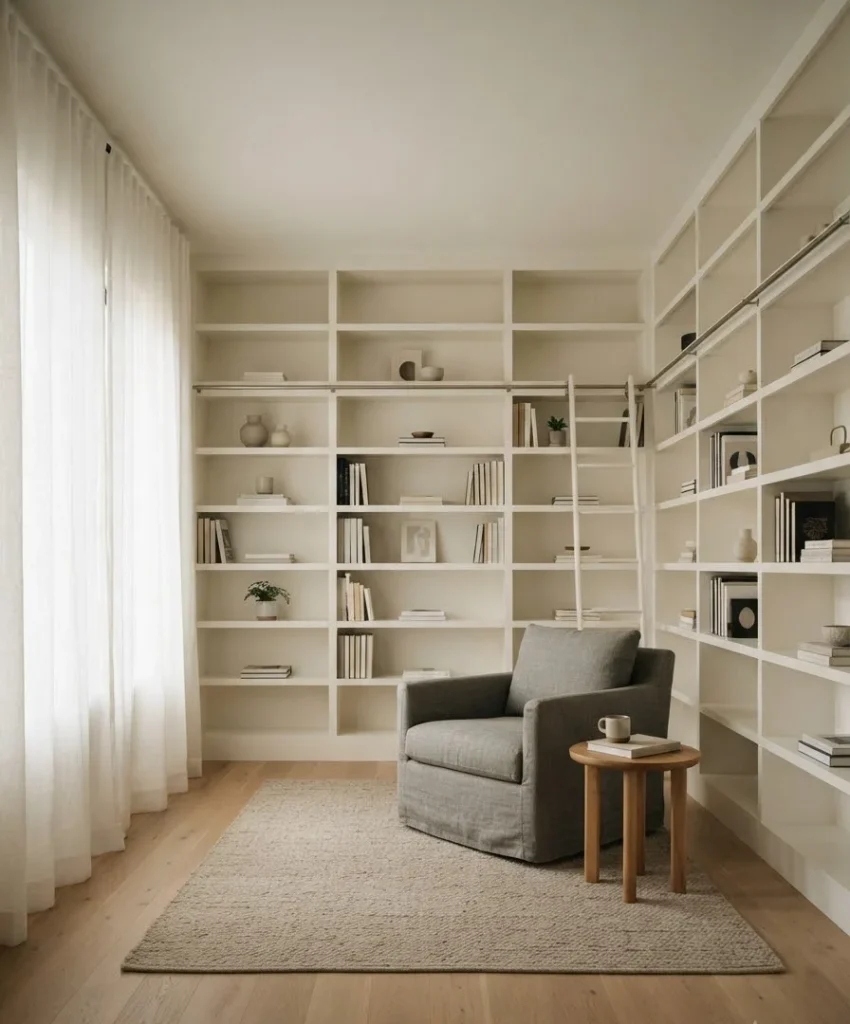
- Personalize with a reading log or wall calendar. Track what you’ve finished this year right there in the room. It’s a small habit that quietly turns a library into a ritual, not just furniture.
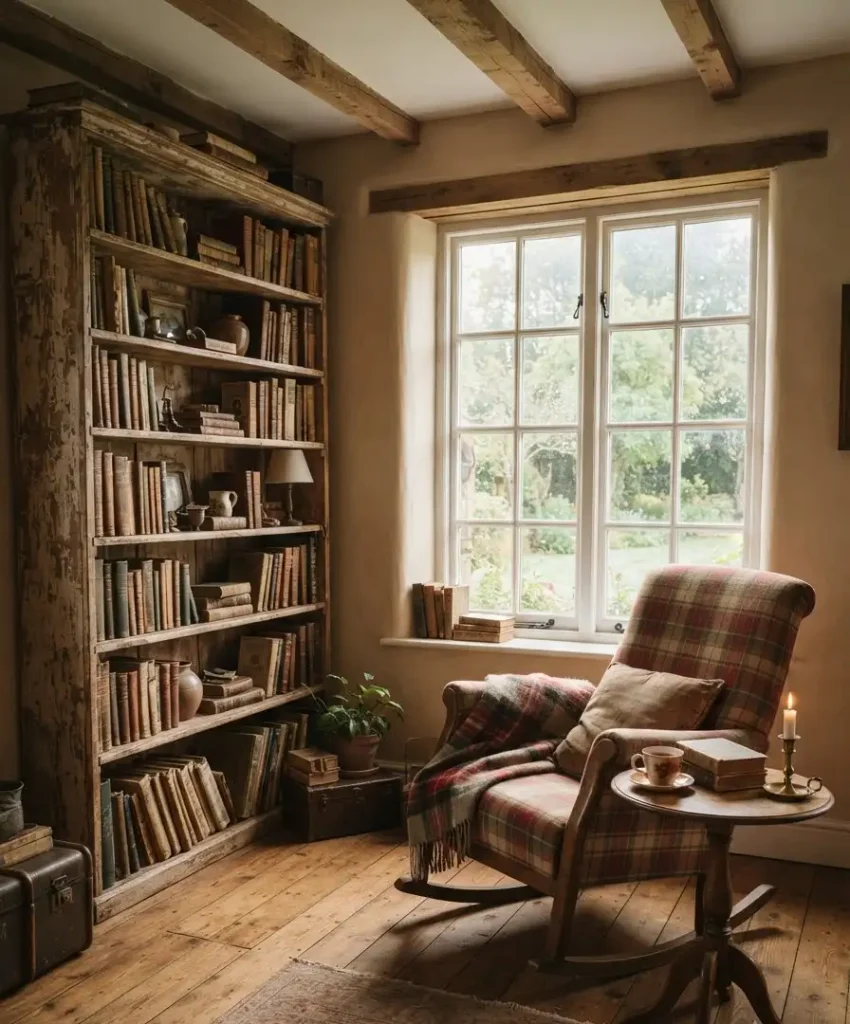
A quick cheat sheet for choosing your approach
| Room type | Best idea to start with | Why it works |
|---|---|---|
| Small apartment corner | Vertical shelving + one chair | Uses minimal floor space |
| Spare bedroom | Built-in shelves + window seat | Worth the investment long term |
| Open living room | Room divider bookshelf | Creates a defined nook without walls |
| Under-stairs nook | Custom low shelving + reading light | Uses awkward space nobody else wants |
If you want more layout inspiration beyond this list, sites like Apartment Therapy regularly feature small-space storage solutions from real homes, which is genuinely useful when you’re working with an odd-shaped room like mine.
A few things I got wrong the first time
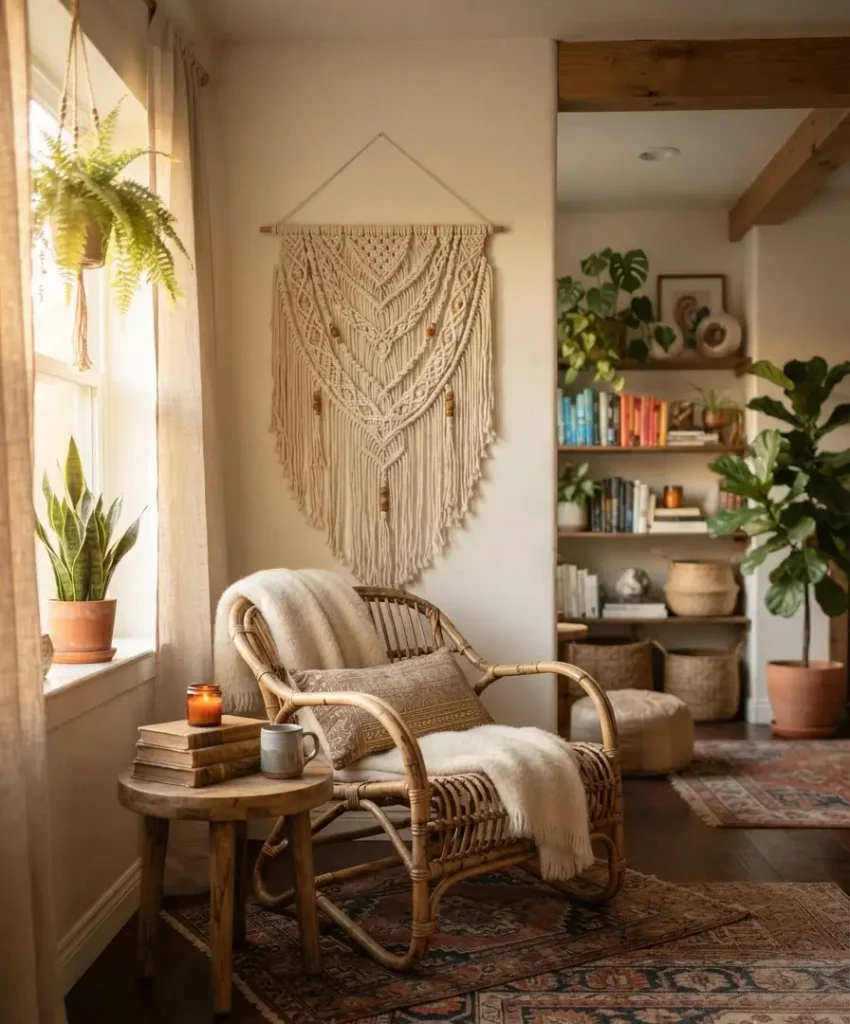
I overbought decorative books early on, ones I never intended to read, just to fill shelf space.
It looked fine in photos and felt hollow in person. IMO, a library should reflect what you actually read, not just what photographs well. Learn from my slightly embarrassing mistake.
Also worth checking before you commit to a big shelving purchase: Better Homes & Gardens has practical guidance on measuring wall space and weight limits for heavier bookcases, which saved me from a wobbly disaster on my second attempt.
Frequently asked questions
Do I need a whole room to build a home library?
No. Plenty of the ideas above work in a single corner, a hallway nook, or even a closet with the door removed. Start small and expand as your collection grows.
What’s the cheapest way to start a cozy reading nook?
A secondhand armchair, one warm-toned lamp, and a rug you already own will get you 80% of the way there. Shelving can come later once you know how much space you actually need.
How many books do I need before it counts as a library?
Honestly, none. If the space makes you want to sit down and read, it’s already working. The books will accumulate on their own, they always do.
Final thought
A cozy home library isn’t about how many books you own or how perfectly matched your shelves look in a photo.
It’s about building one spot in your house where you actually want to sit still for an hour. Pick two or three ideas from this list, start there, and let the rest grow naturally.
So which one are you trying first, the window seat or the ladder shelf? Save this list, pin your favorite idea, and come back and tell me how your reading corner turns out.