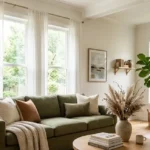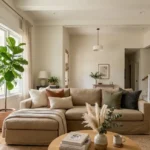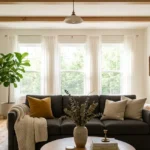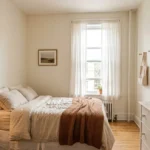
I once lived in a 480 square foot flat where my toaster and my desk shared a surface. Cozy? Sure. Bigger? Not until I started moving things around, painting things, and getting ruthless about clutter.
If you’ve been scrolling Pinterest at midnight, saving photos of tiny homes that somehow look like they have room for a ballroom, this list is for you.
These 26 small cozy house ideas come from things I’ve tried, things friends tried, and a few tricks designers keep repeating for good reason. Grab a coffee and pick the three that fit your space.
Start with the big moves: layout and walls
1. Float your furniture a few inches off the wall
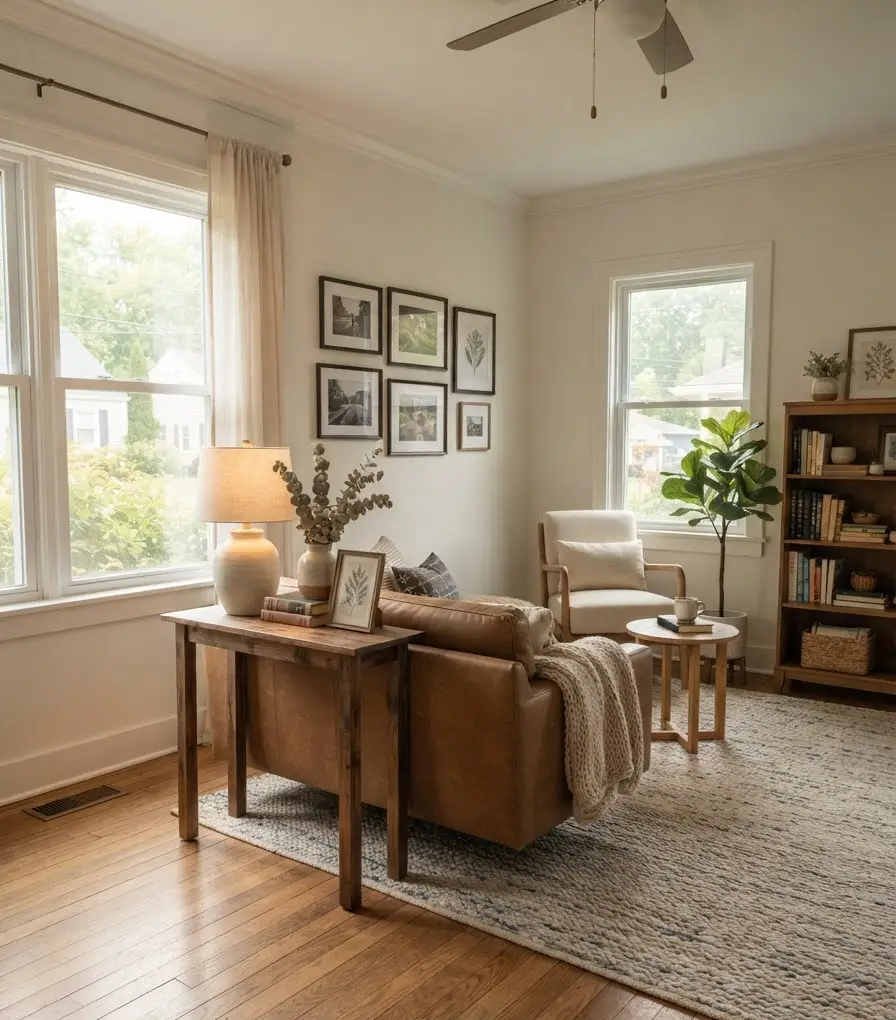
Everyone pushes the sofa flat against the wall to “save space.” I did it for years.
Pulling it out even 4 inches and adding a slim console behind it creates depth, and depth reads as size.
2. Pick one clear focal point
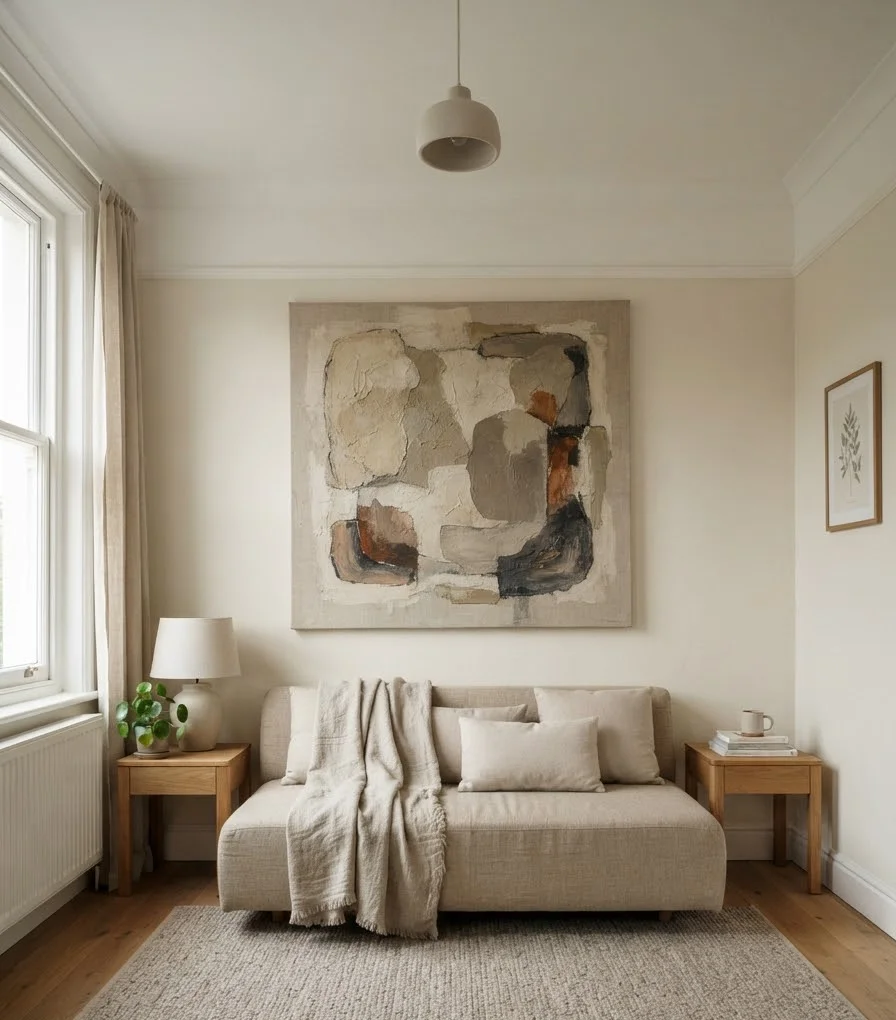
A room with six competing things to look at feels crowded. Choose one: a fireplace, a big piece of art, a window with a view. Then arrange everything else to point at it.
3. Paint the trim the same color as the walls
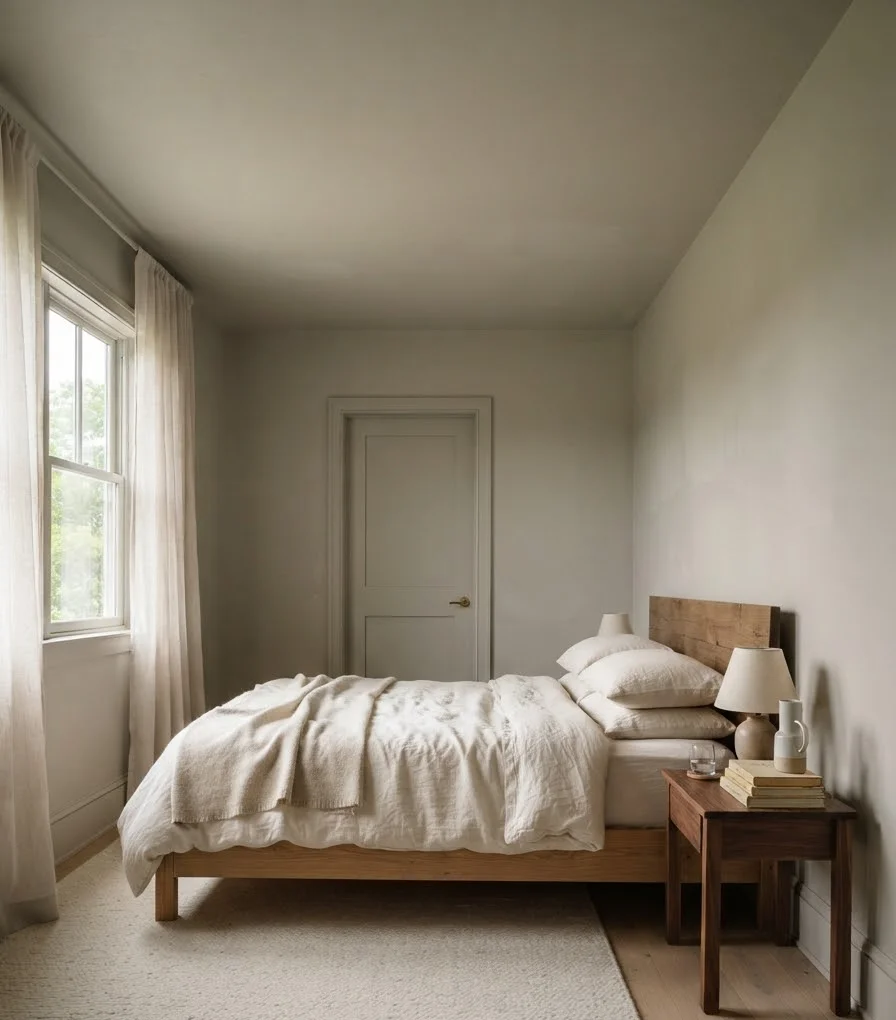
Contrast lines chop a room into smaller boxes. When the baseboards, window frames, and walls share one shade, your eye slides right along without stopping.
Soft warm white or pale greige works beautifully here. Browse paint families at Sherwin-Williams if you want to compare undertones before you commit.
4. Take the doors off (or swap them)
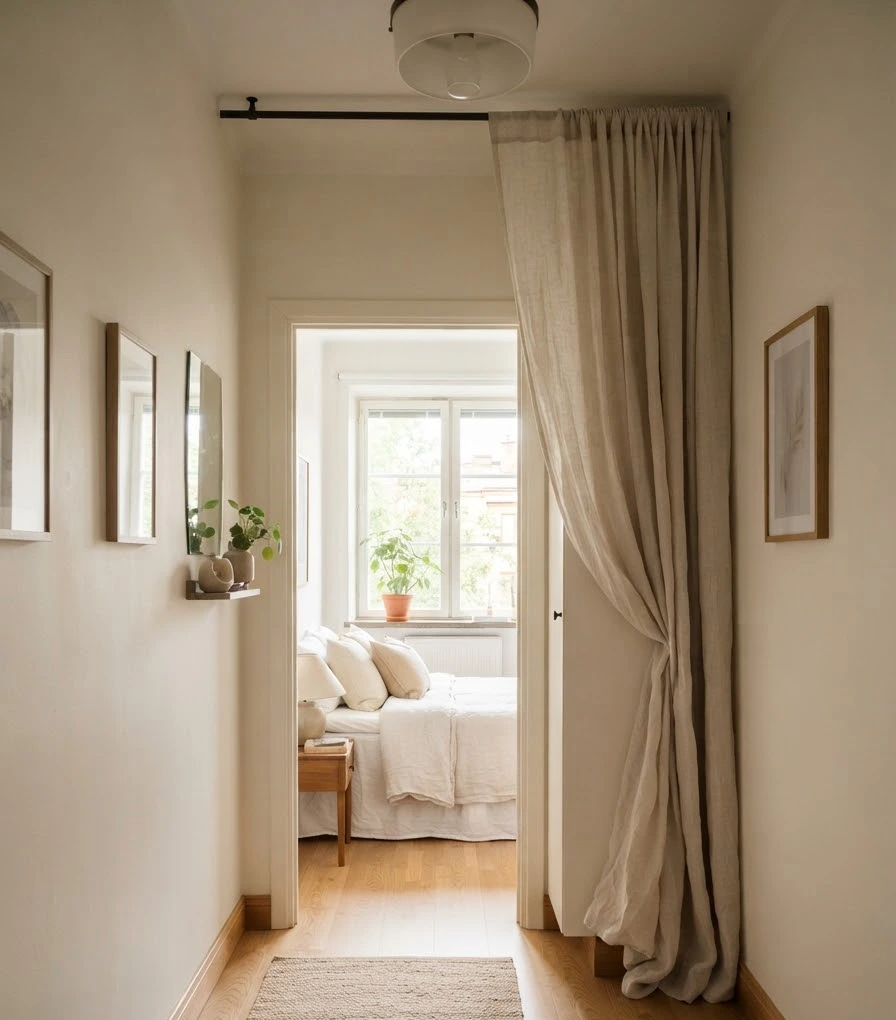
Swinging doors eat 8 to 10 square feet of floor. I replaced a bedroom door with a linen curtain on a ceiling track, and the hallway suddenly felt like it had grown a foot. Pocket doors and sliding barn doors do the same job with more polish.
5. Open up one wall, or half of one
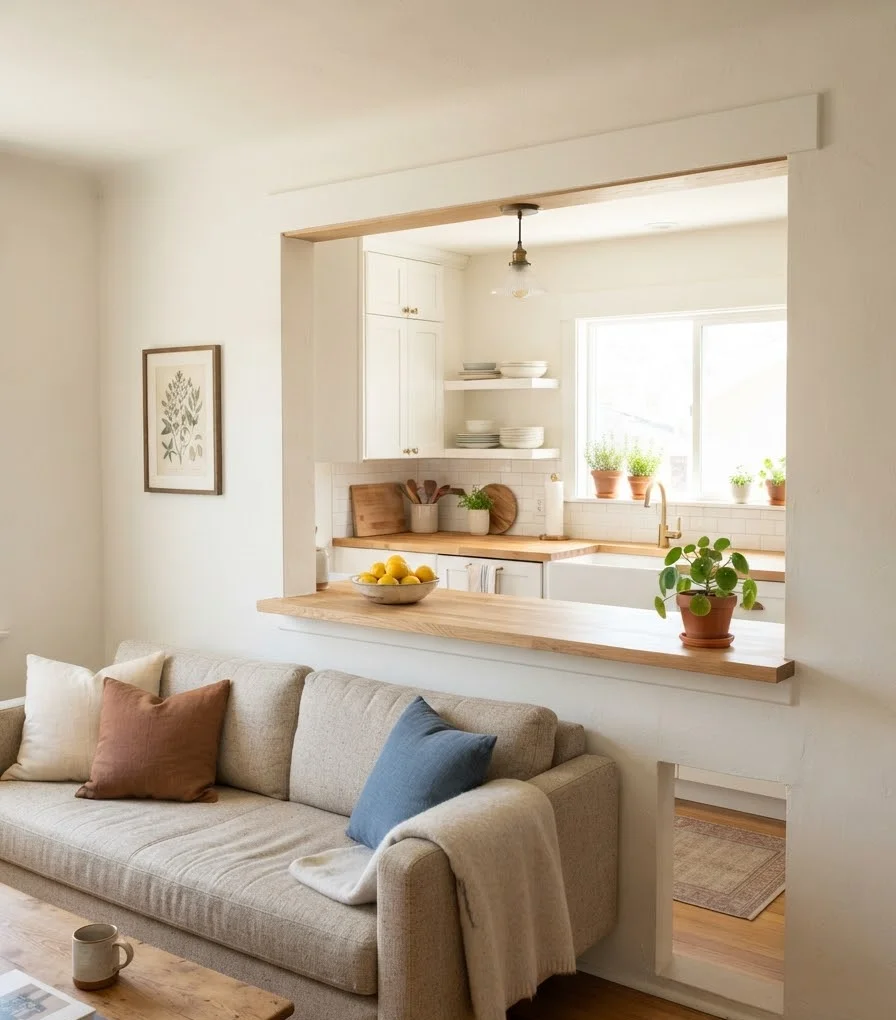
You don’t need to knock down a whole house. A pass-through window between the kitchen and living room, or a half-wall instead of a full one, lets light and sightlines travel.
Check with a contractor first, because some walls hold up your roof. (Ask me how I know that a wall holds up a roof. Actually, don’t.)
6. Zone the room with rugs
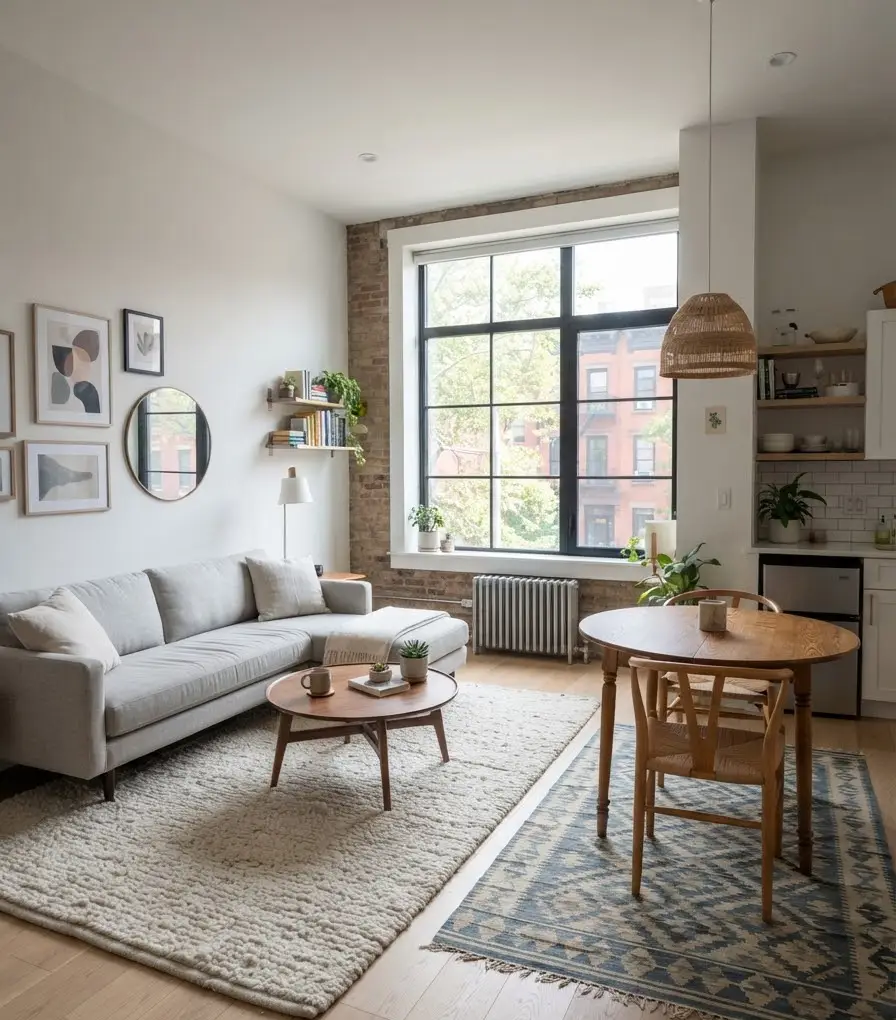
In a one-room living setup, a rug marks “this is the lounge” and another marks “this is the dining spot.” You get separate areas without a single wall.
Keep rugs large enough that the front legs of your furniture sit on them.
Light is your best free square footage
7. Hang curtains high and wide
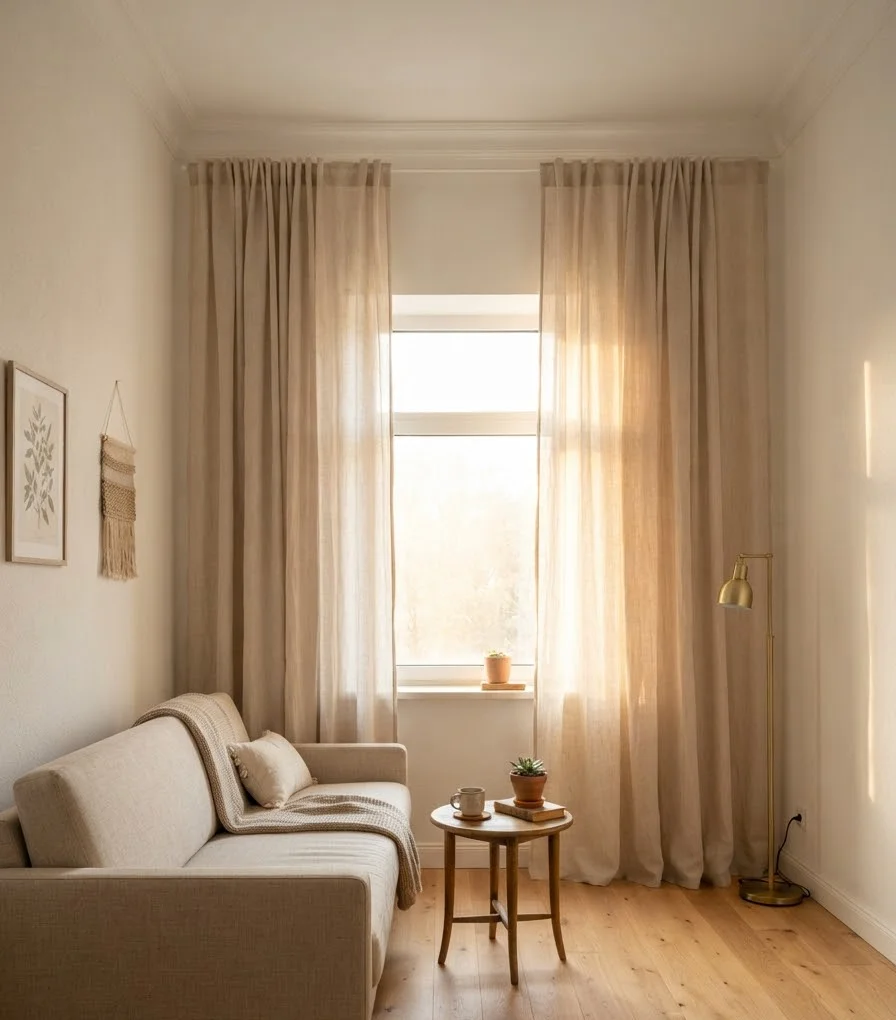
Mount the rod close to the ceiling and extend it 8 to 12 inches past each side of the window.
The window looks taller and wider, and the curtains never block glass when open. Cheap trick, dramatic result.
8. Use sheer or light-filtering fabrics
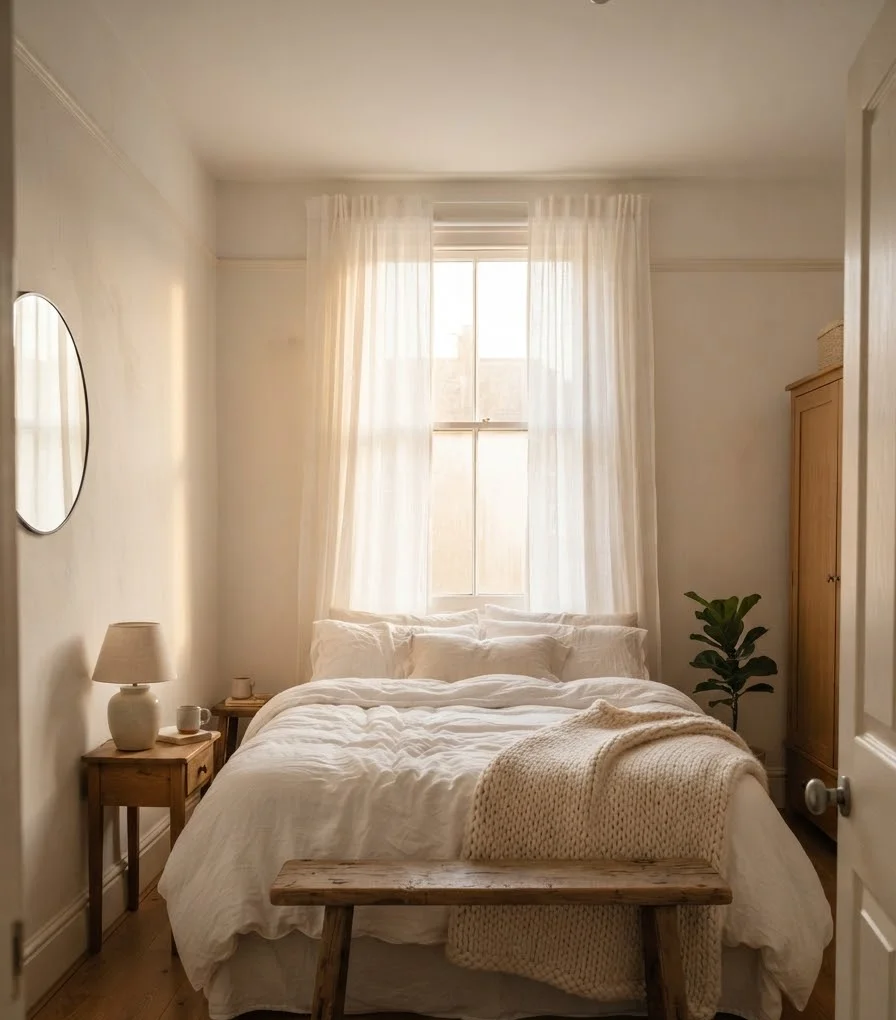
Heavy velvet drapes look lovely in a magazine. In a 10 by 12 room, they swallow light. Linen or cotton voile lets daylight through while still giving you privacy.
9. Layer three light sources per room
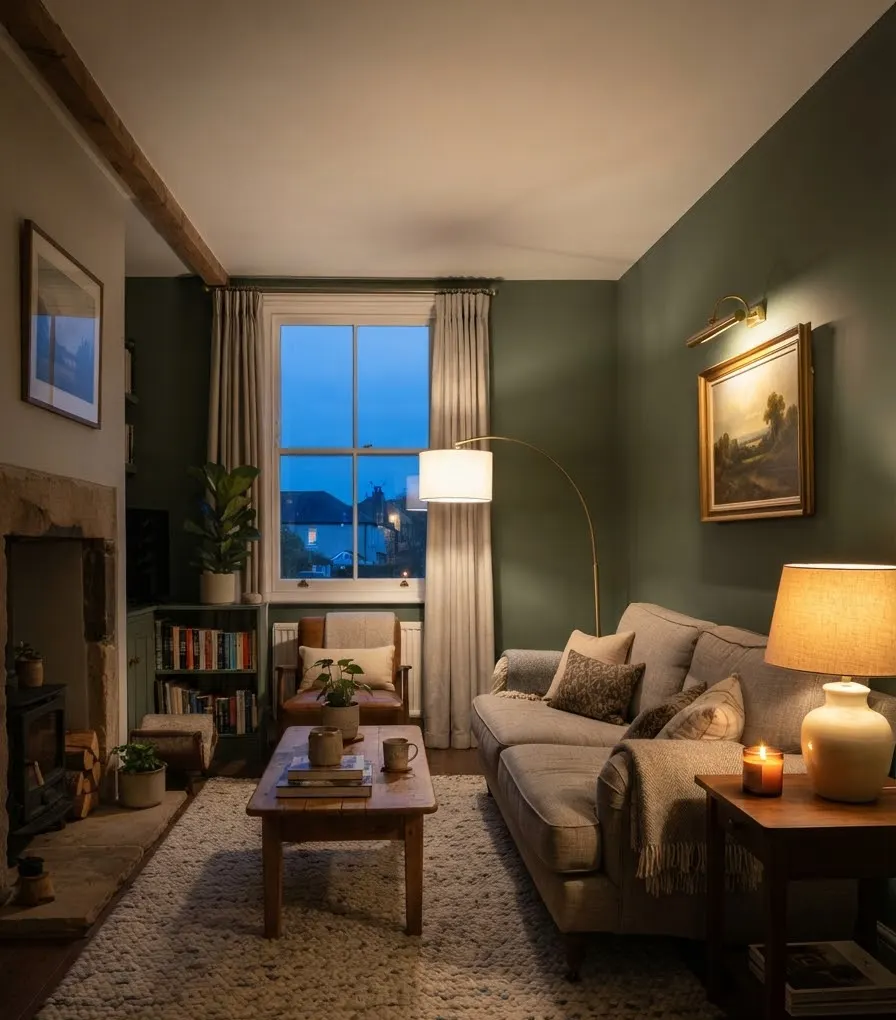
Overhead lighting alone flattens everything. Add a table lamp, a floor lamp, and maybe a small picture light, and the room gets pockets of glow.
Warm bulbs around 2700K feel like candlelight, which is the whole point of cozy.
10. Hang a large mirror opposite a window
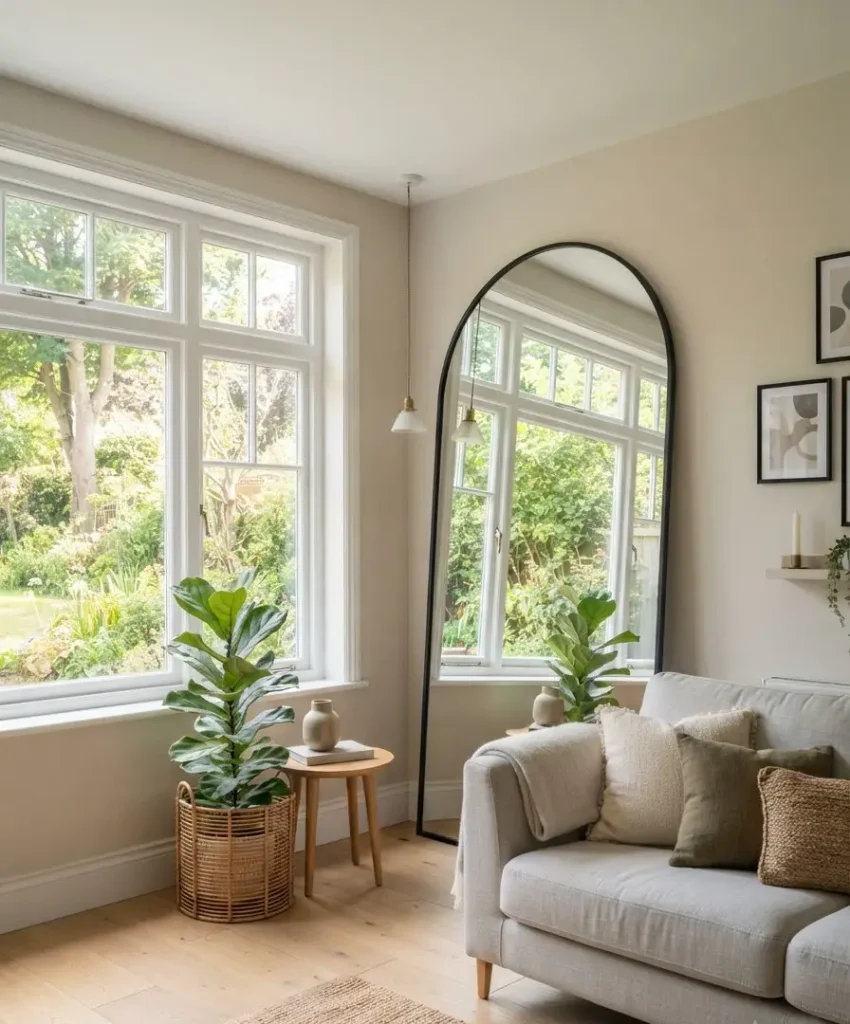
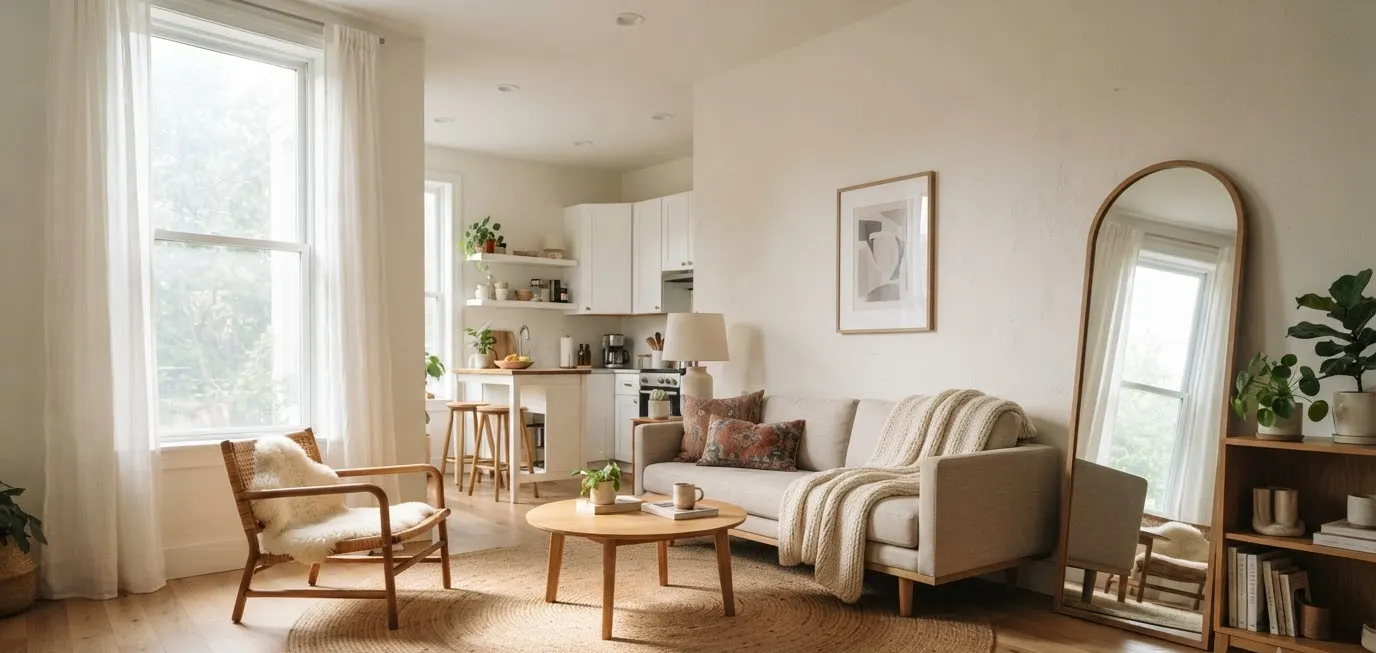
This one earns its reputation. A big mirror bounces daylight deeper into the room and doubles the view.
I leaned an oversized floor mirror against my living room wall, and friends asked if I’d added a window.
11. Try a mirrored or glass-front cabinet
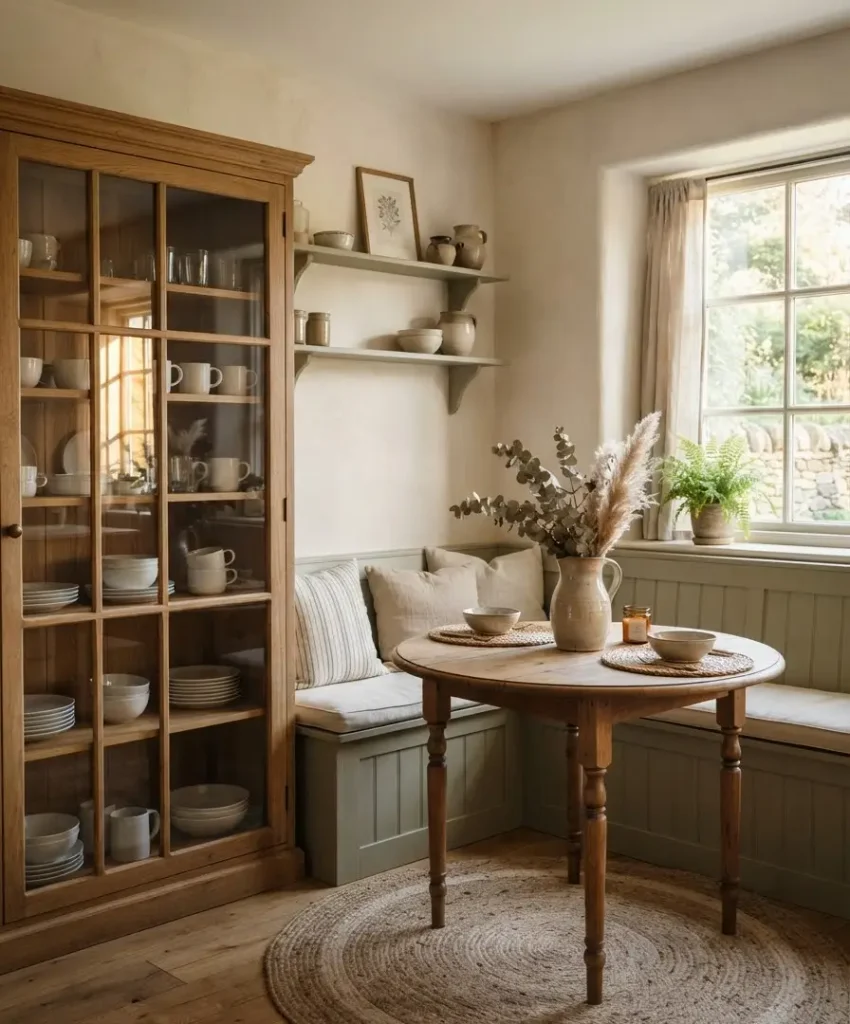
Solid cabinet doors close a wall in. Glass fronts, or a mirrored panel on a wardrobe, break up the mass.
For inspiration on how designers handle reflective surfaces in tight rooms, Houzz has thousands of real-home photos to browse.
Color, texture, and pattern
12. Stay in one color family
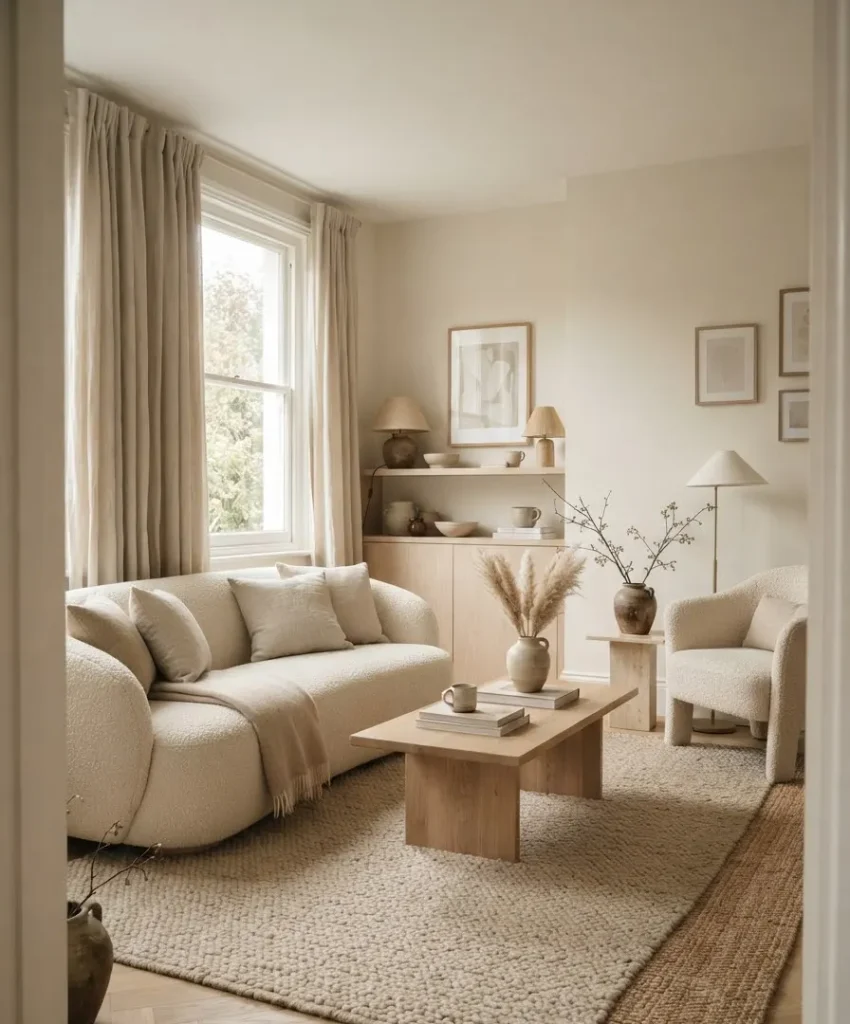
A palette built on 2 or 3 shades of the same hue, say cream, oat, and sand, keeps the space calm.
Calm feels spacious. You can still add depth through texture, which I’ll cover in a second.
13. Go dark on purpose
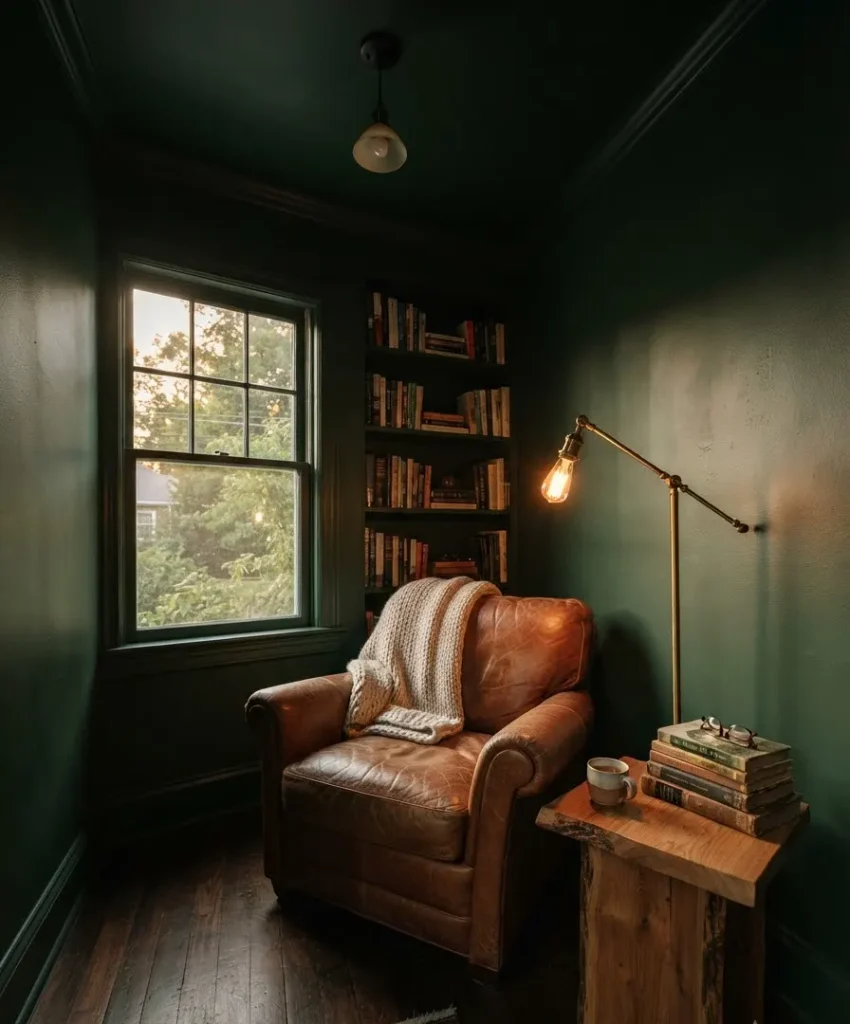
Here’s my unpopular opinion: small rooms can look amazing in deep green or navy. The corners disappear and the room feels wrapped around you.
IMO this works best in bedrooms and reading nooks where you want a hug more than an airy feel.
14. Mix textures instead of patterns
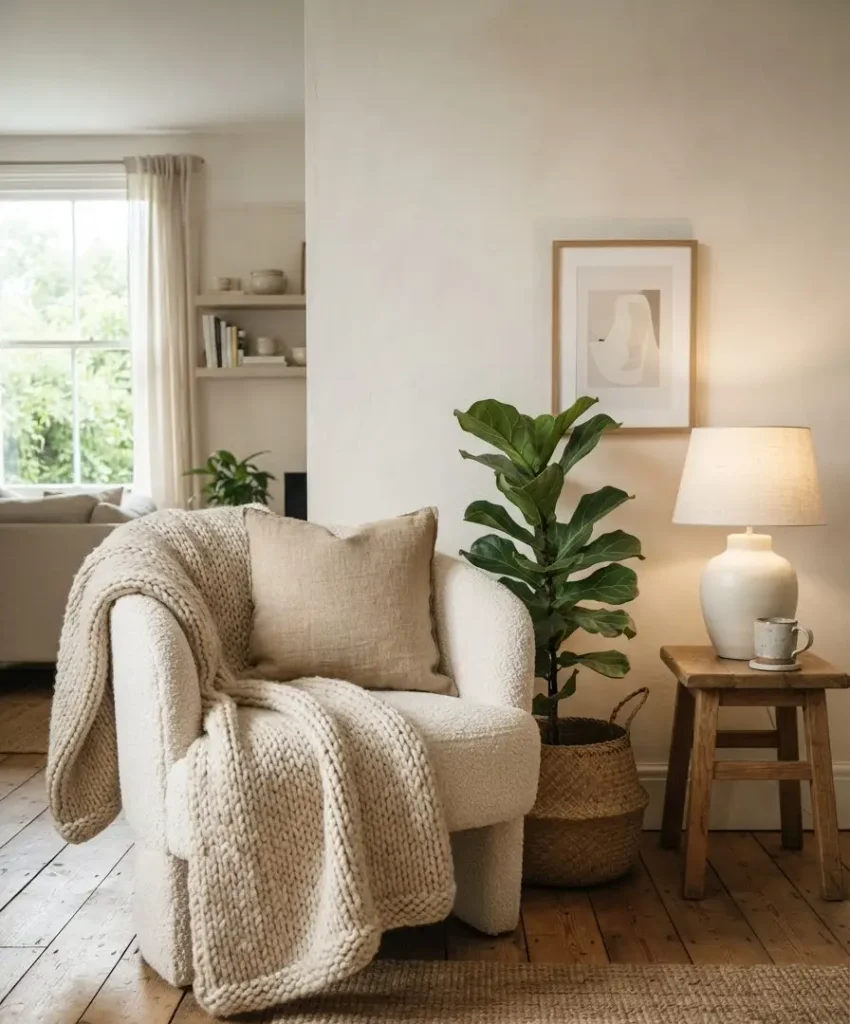
Chunky knit throw, smooth ceramic lamp, rough linen cushion, woven basket. Texture adds warmth without the visual noise of five competing prints.
Wow, what a difference a boucle chair makes next to a plain wall.
15. Use one bold pattern, not four
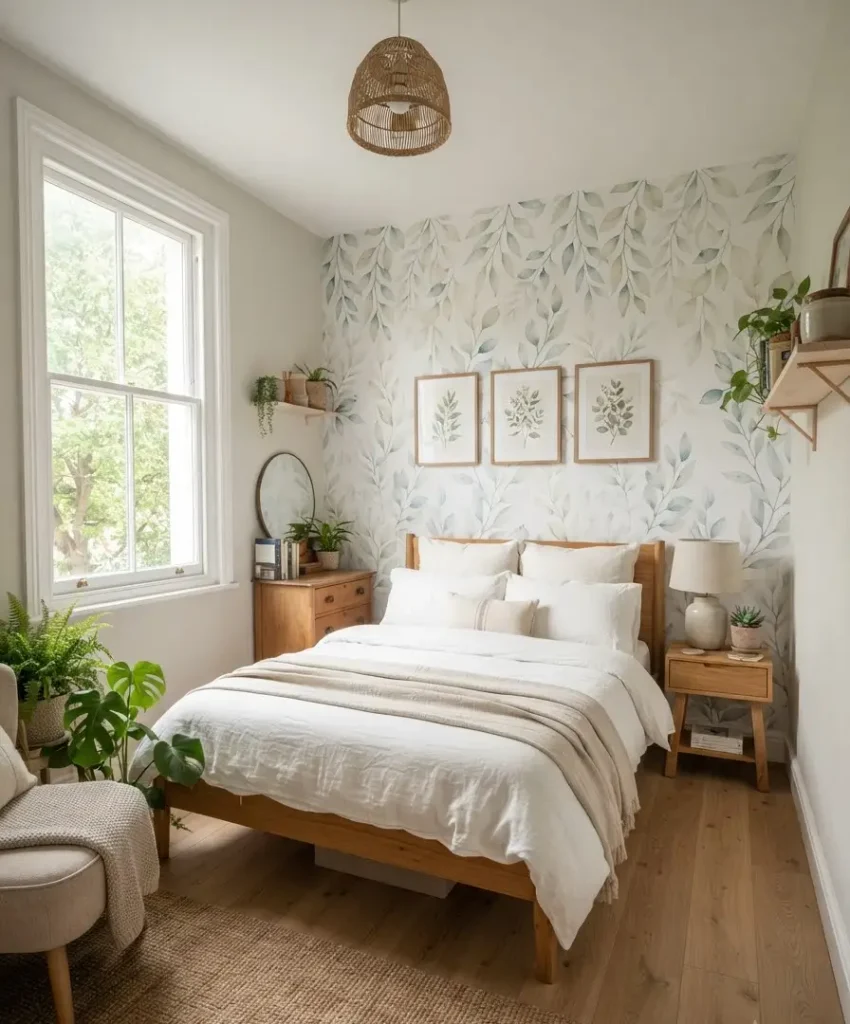
A striped rug or a botanical wallpaper on one wall makes a statement. Add a second and third pattern and the room starts to shout. Pick your hero and let the rest stay quiet.
Furniture that pulls its weight
16. Choose pieces with visible legs
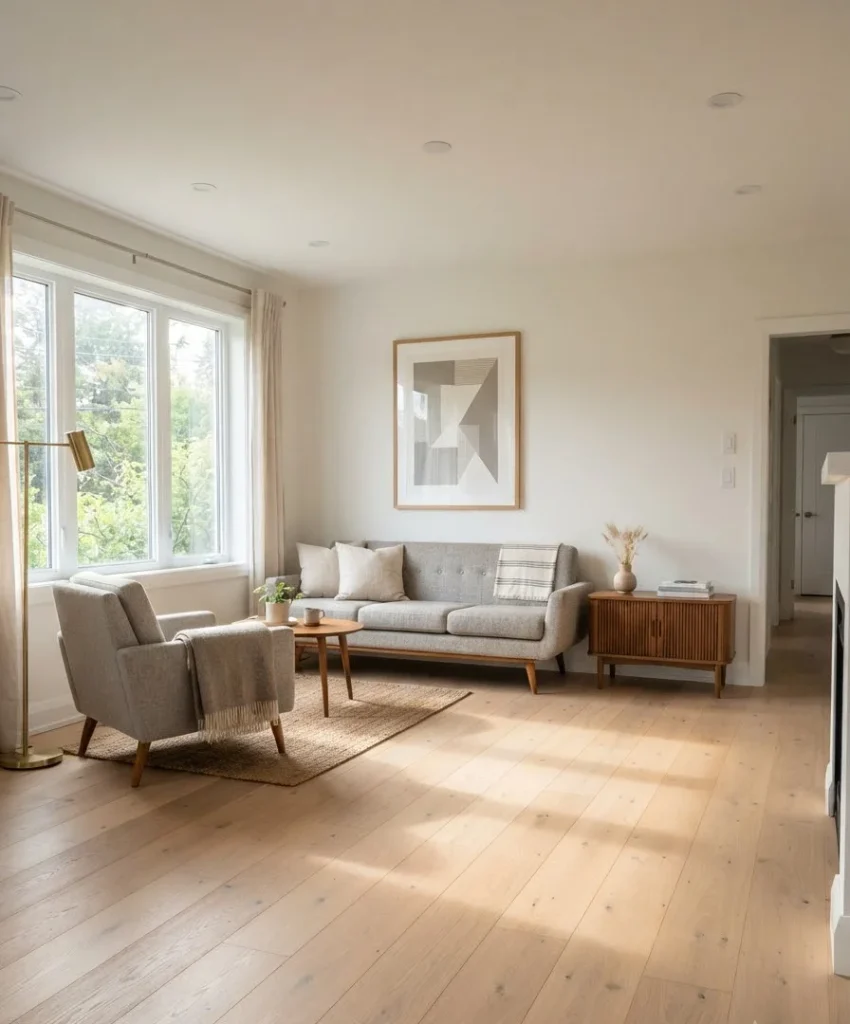
Sofas, beds, and cabinets raised off the floor show more flooring, and more floor means more perceived space.
Solid skirted furniture sits like a block. Leggy pieces look lighter.
17. Buy a sofa with slim arms
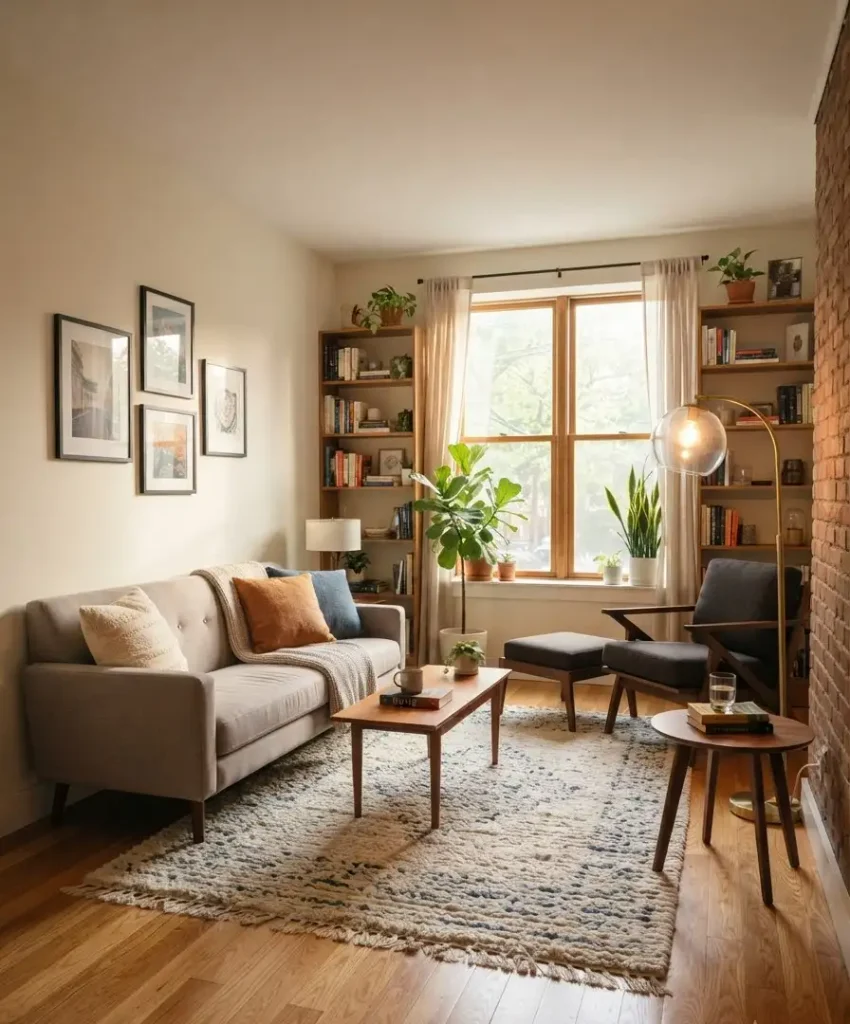
Bulky rolled arms steal 6 to 8 inches of seating width on each side. A track arm or an armless design gives you the same comfort in a smaller footprint.
I swapped a chunky recliner for a slim loveseat and gained a whole reading corner.
18. Use furniture that does two jobs
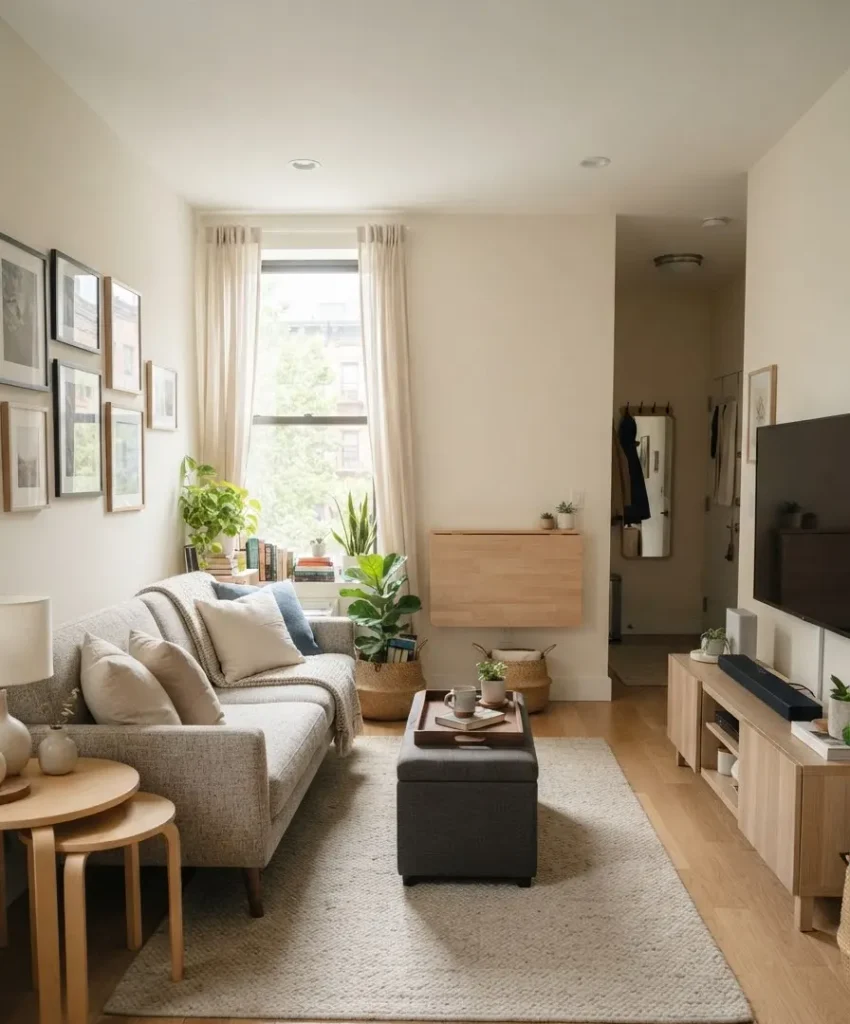
A storage ottoman holds blankets and doubles as a coffee table. A fold-down wall desk turns into a dinner table for four. Nesting tables tuck away when the party ends.
19. Skip the giant coffee table
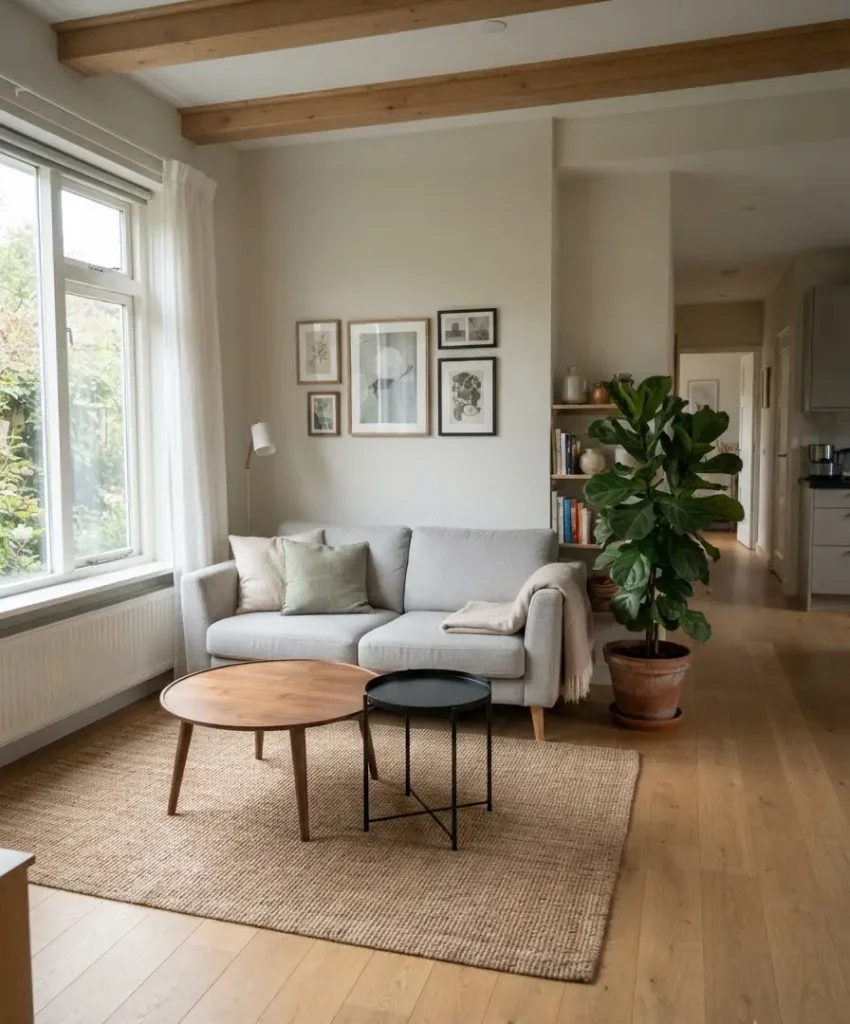
A big rectangular coffee table can block your main walkway. Try two small round tables instead.
They move easily, and round edges keep you from bruising your shins at 2 a.m.
20. Go vertical with shelving
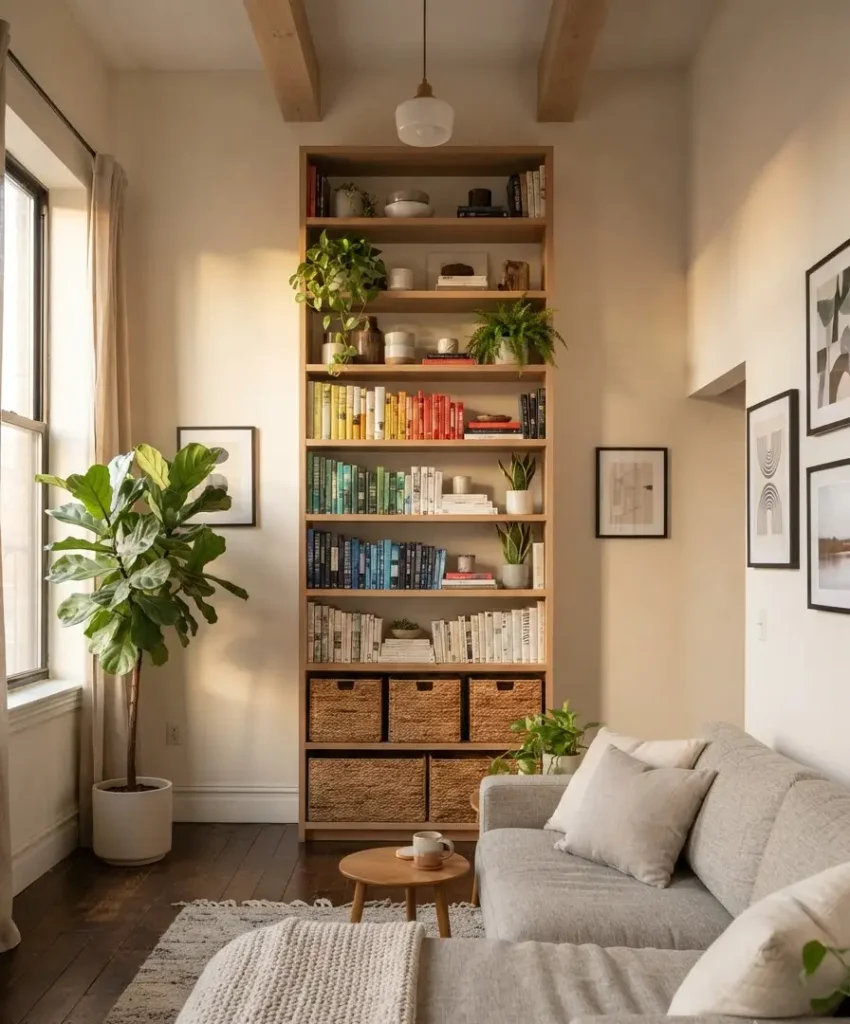
Tall, narrow bookcases pull the eye up and hand you storage without a big footprint.
Fill the lower shelves with baskets for the messy stuff and keep the top shelves for pretty objects.
Sites like IKEA publish loads of small-space shelving layouts if you need a starting point.
Here’s a quick comparison of common small-space tricks
Before we go on, a small table helps sort which ideas cost what and how fast they work.
| Idea | Rough cost | Effort | Speed of effect |
|---|---|---|---|
| Mirror opposite window | $40 to $200 | Low | Instant |
| Same-color trim and walls | $50 to $150 (paint) | Medium | 1 weekend |
| Curtains hung high | $30 to $120 | Low | Instant |
| Swap door for curtain or slider | $60 to $400 | Medium | 1 to 2 days |
A slightly random thought before we finish the list
I have to confess something. I collect tiny lamps. I don’t need them, I don’t have room for them, and my partner has started counting them at parties.
But every time I plug in another one, the room looks softer, so I keep telling myself it’s a design strategy. It’s mostly a habit.
Anyway. Back to the ideas.
Storage that disappears
21. Build storage into the bed
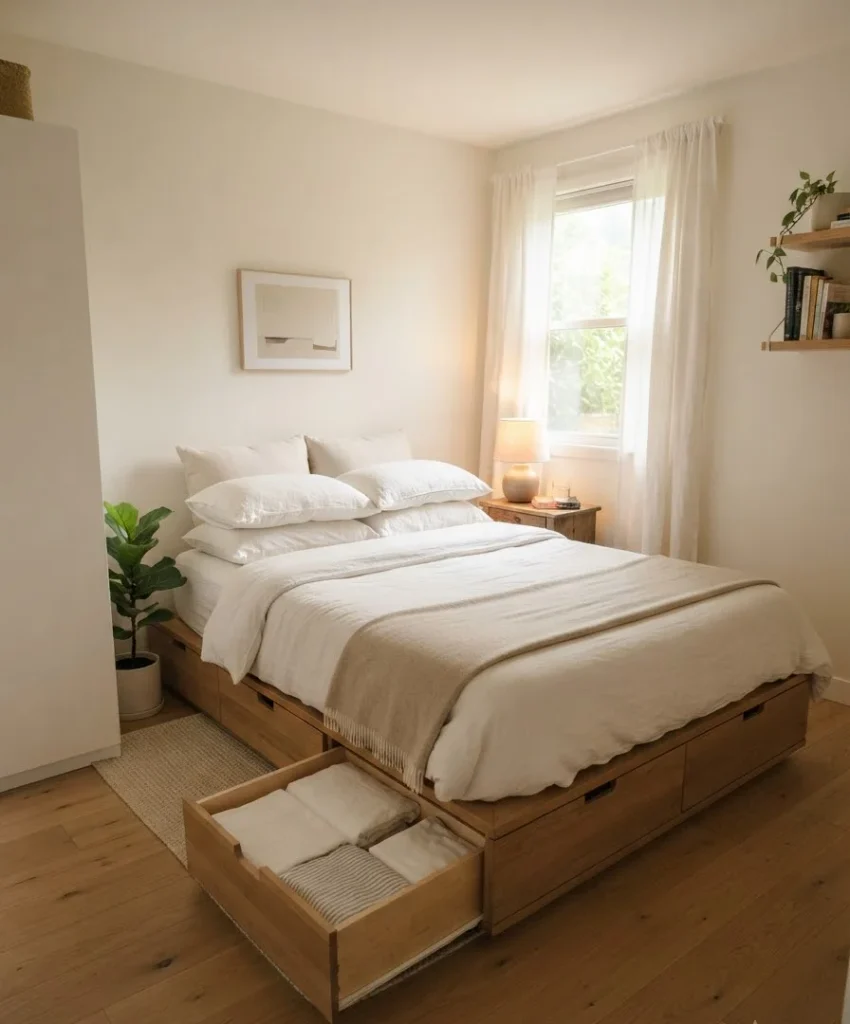
Under-bed drawers hold off-season clothes, spare bedding, and shoes. If your bed frame sits on legs, add flat rolling bins. That’s easily 20 square feet of hidden storage in most bedrooms.
22. Use the back of every door
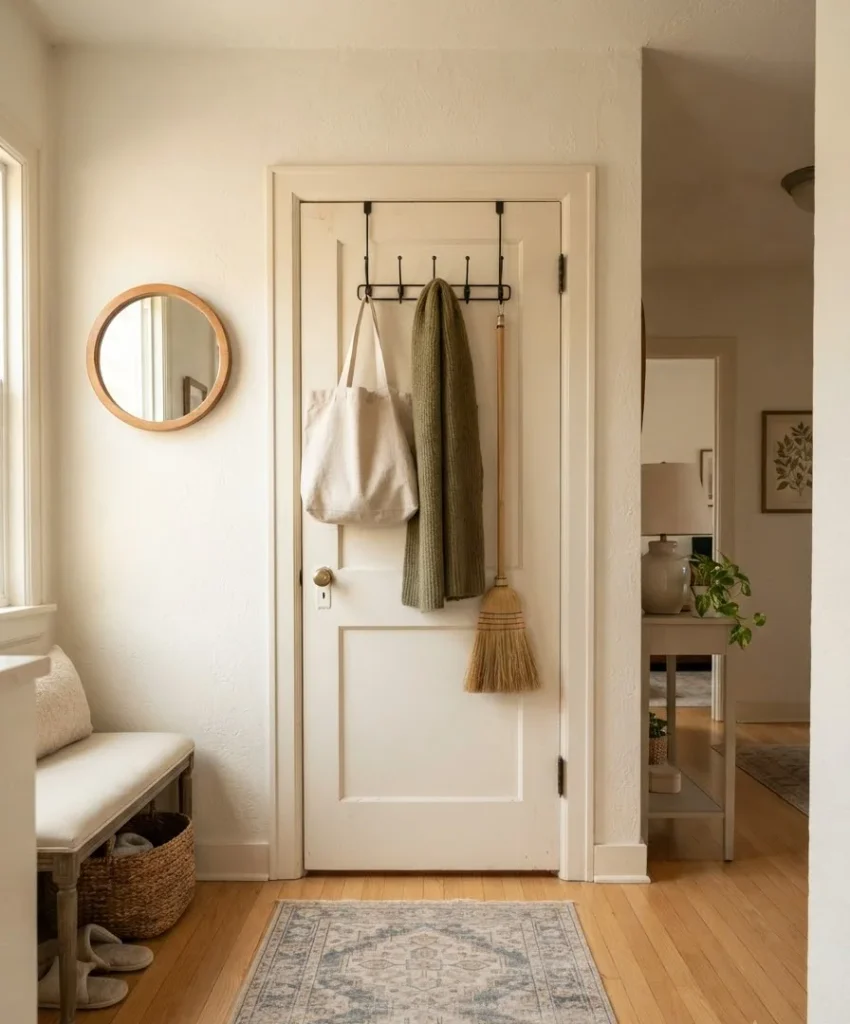
Hooks, slim racks, and over-door organizers rescue you from stacking things on the floor.
Mine holds scarves, a tote bag, and a pretty broom I refuse to hide. Cheap, quick, done in 10 minutes.
23. Edit hard, then edit again
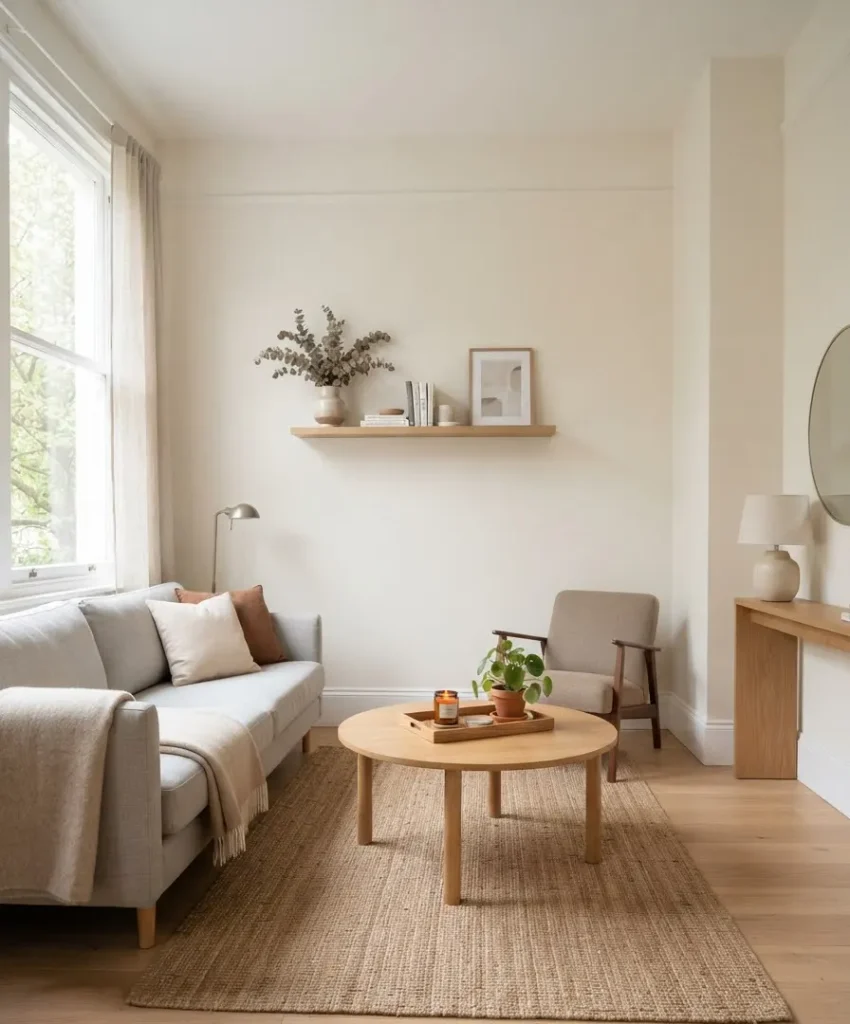
No storage trick beats owning less. Do one drawer per week. If you haven’t touched something in a year, out it goes.
I tossed 3 bags of stuff in a month and the flat looked 20 percent bigger with zero renovation.
Some quick habits worth stealing:
- Keep counters mostly clear, with one pretty tray for daily items.
- Store like things together so you never buy a fourth pair of scissors.
- My personal rule: anything I can’t find in 30 seconds gets donated. It sounds harsh, and I love it.
- My weakness: books. I keep far more than I read, and I’m not sorry.
Cozy finishing touches
24. Add a reading or coffee nook
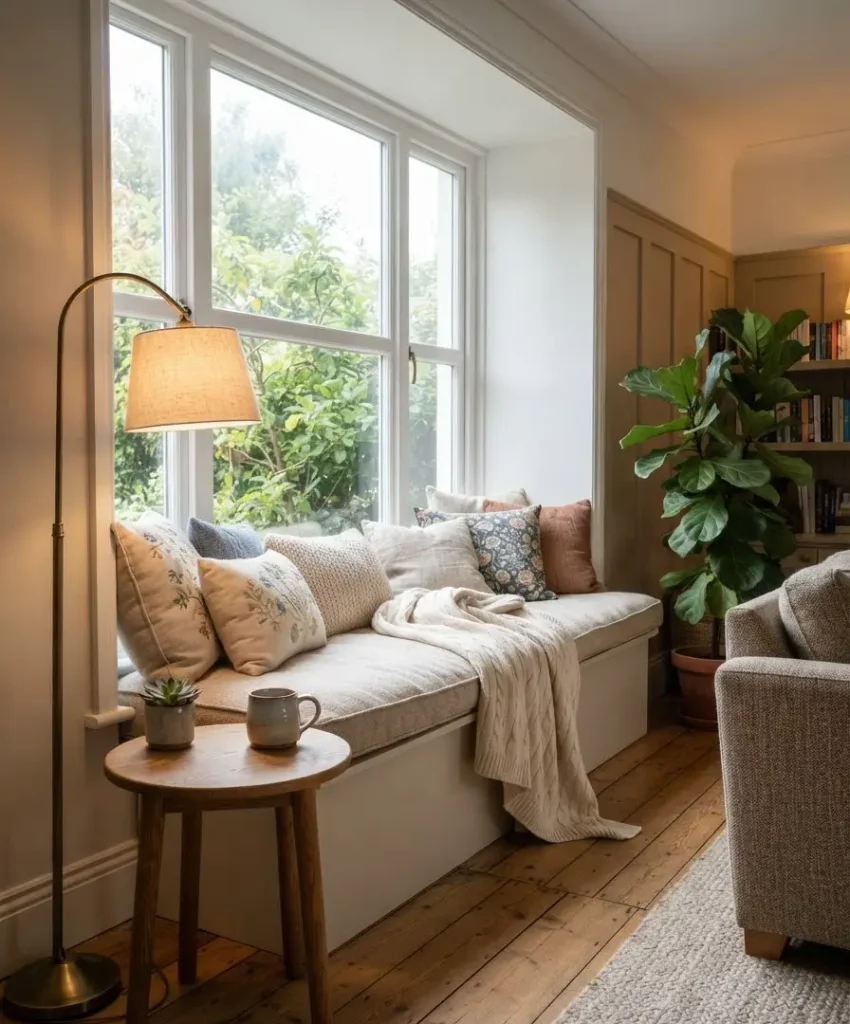
Even a single armchair, a small side table, and a lamp in a corner creates a “place” in the house. Corners rarely get used, so this idea adds function without stealing floor space. Pinterest is full of window-seat and nook photos if you want to browse before deciding on a spot; search Pinterest for “tiny reading nook.”
25. Bring in plants, and be realistic about them
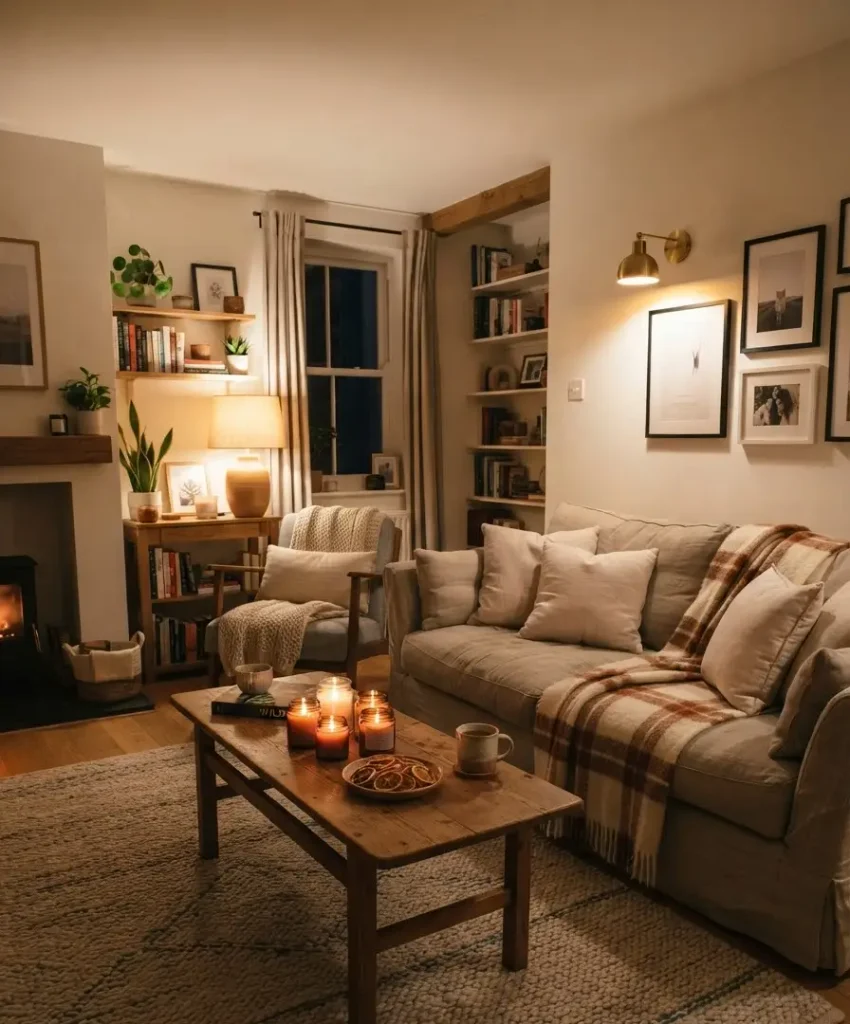
Plants add life and softness, and hanging ones use zero floor. Pick things you can actually keep alive: pothos, snake plants, ZZ plants. I killed 4 fiddle leaf figs before I admitted defeat.
26. Use throws, candles, and scent as your final layer
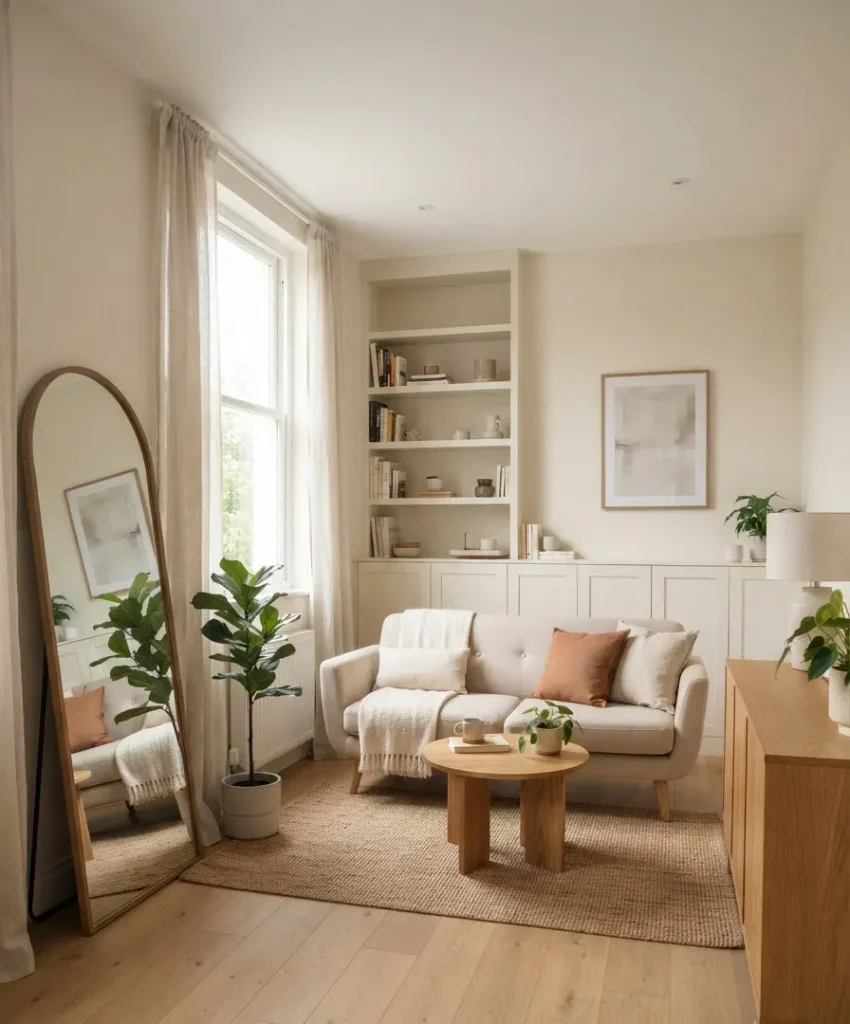
This is the cozy part everybody remembers. A textured throw over the sofa, a candle in a jar, a bit of wood or vanilla in the air.
It won’t change your square footage, but it changes how the space feels the second you walk in.
How to actually pick your first three
Twenty-six ideas can freeze anyone. Here’s the order I’d tackle them in, and I’d stick to it if I were starting over tomorrow:
- Declutter first (idea 23), because it’s free and shows results right away.
- Fix light next (ideas 7, 8, 10), since curtains and a mirror cost little and change everything.
- Then furniture (ideas 16 to 19), once you know how much room you really have.
Paint, walls, and doors can wait until you’ve lived with the changes for a month. Trust me, your priorities shift once the clutter clears.
Short FAQ
How do I make a small house feel cozy and not cramped?
Use warm lighting, soft textures, and fewer but better pieces of furniture. Coziness comes from layers (a throw, a lamp, a rug), and cramped comes from too many objects fighting for space. Cut the extras and keep the comfort.
What color makes a small room look bigger?
Soft whites, warm creams, and pale greige reflect the most light, so they open a room up. Painting walls, trim, and ceiling in closely related shades adds to the effect. Dark colors can work too if you want a snug, wrapped-up mood.
Do mirrors really make a room feel larger?
Yes, mostly by bouncing light and extending the view. Place one opposite a window or at the end of a hallway. Avoid facing a mirror at clutter, because it just doubles the mess.
Final thought
Small doesn’t mean stuck. Every flat, cottage, and tiny house I’ve seen that felt huge had one thing in common: someone edited, lit it well, and chose furniture that fit the room instead of fighting it. You can do all of that this month, one idea at a time.
So which one will you try first: the mirror, the curtains, or that drawer you’ve been avoiding? Tell me in the comments, and share a photo of your space if you’re feeling brave.