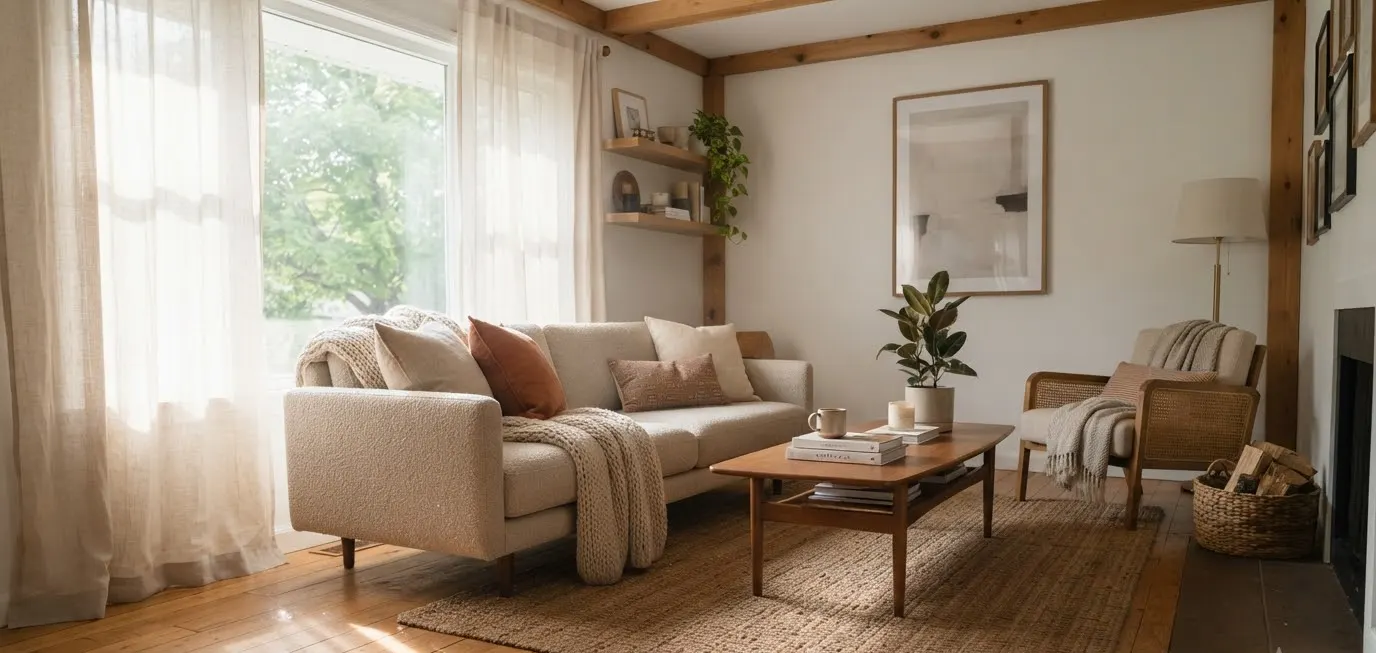
The living room in that apartment was barely bigger than a walk-in closet. I measured it once out of pure spite: 9 feet by 11 feet, and that included the doorway swing.
For two years I fought that room. I bought furniture that was too big, hung art too low, and pushed every single piece against the wall because some blog told me that’s how you “open up” a small space.
It didn’t work. The room still felt like a waiting area, the kind of space you pass through instead of one you actually want to sit in on a Sunday afternoon.
I also went through a phase of buying tiny furniture, thinking smaller pieces would automatically mean more room.
A dollhouse-sized armchair. A coffee table that barely held a mug. That backfired too. Small furniture crammed together just looks like clutter wearing a disguise.
What actually fixed it wasn’t more stuff or less stuff.
It was learning which moves matter and which ones are just decorating myths that get repeated because they sound smart.
Below are 25 ideas I’ve either used myself, stolen from designers who know what they’re talking about, or picked up from years of scrolling Pinterest boards at 1am instead of sleeping.
Grab a coffee. Let’s fix your room.
Start with the layout, not the shopping list
Before you buy a single throw pillow, figure out where things go. Layout is the difference between a room that breathes and one that suffocates.
1. Pull furniture away from the walls.
I know it feels backwards. But pushing everything to the perimeter flattens a room and kills any sense of depth.
Designers interviewed by Real Homes recommend leaving a few inches of breathing room behind the sofa when you can, even just 4 to 6 inches makes a visible difference.
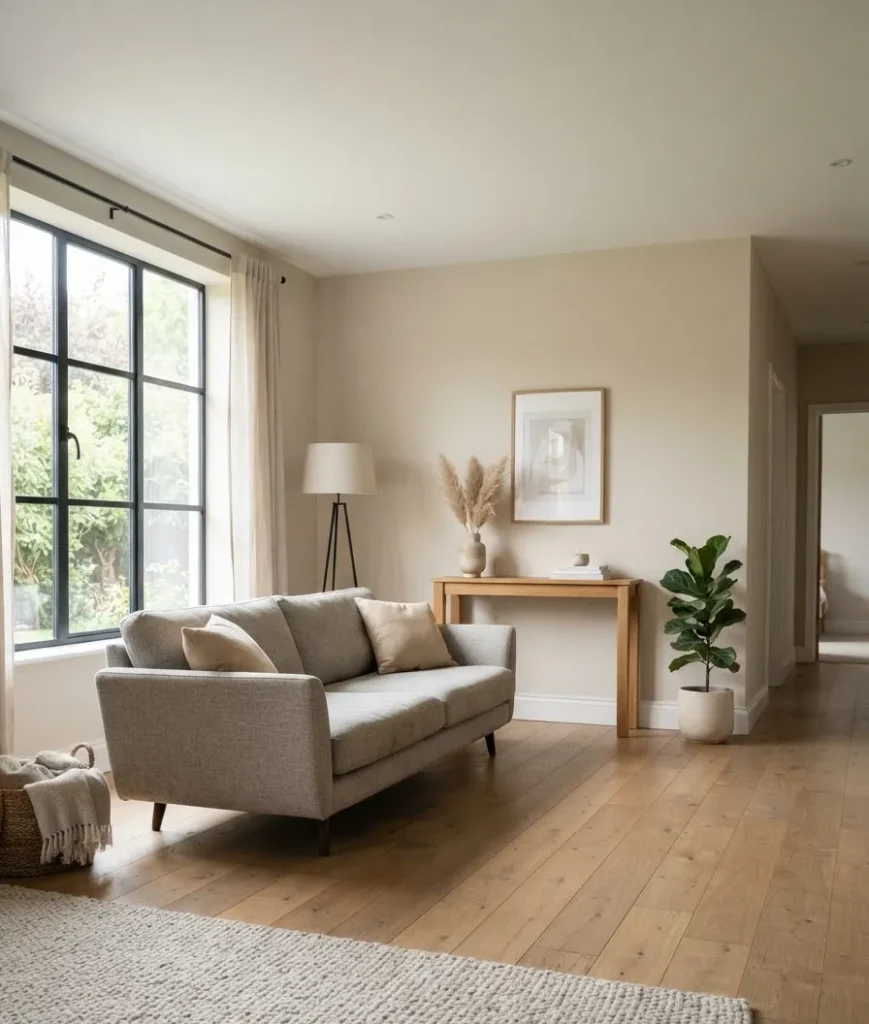
2. Angle your main seating.
A sofa placed at an angle, even a slight one, changes how the whole room reads. It adds movement instead of a flat, boxed-in feel.
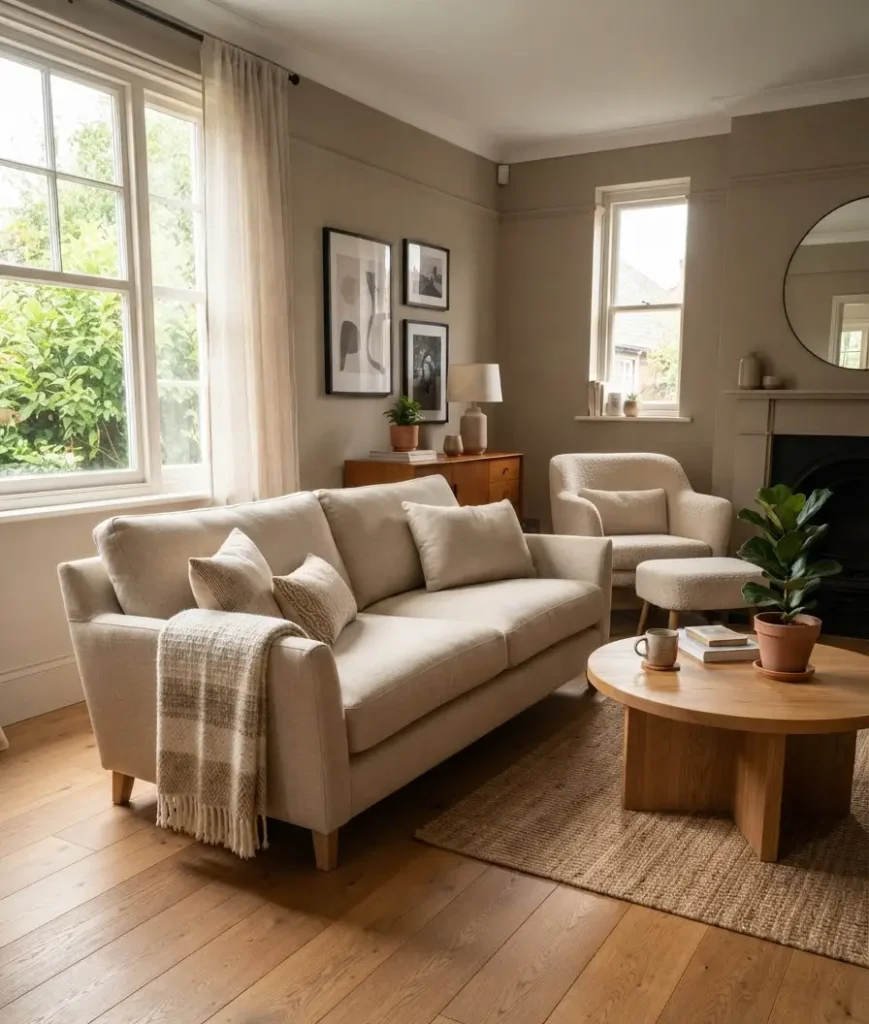
3. Pick one focal point and build around it.
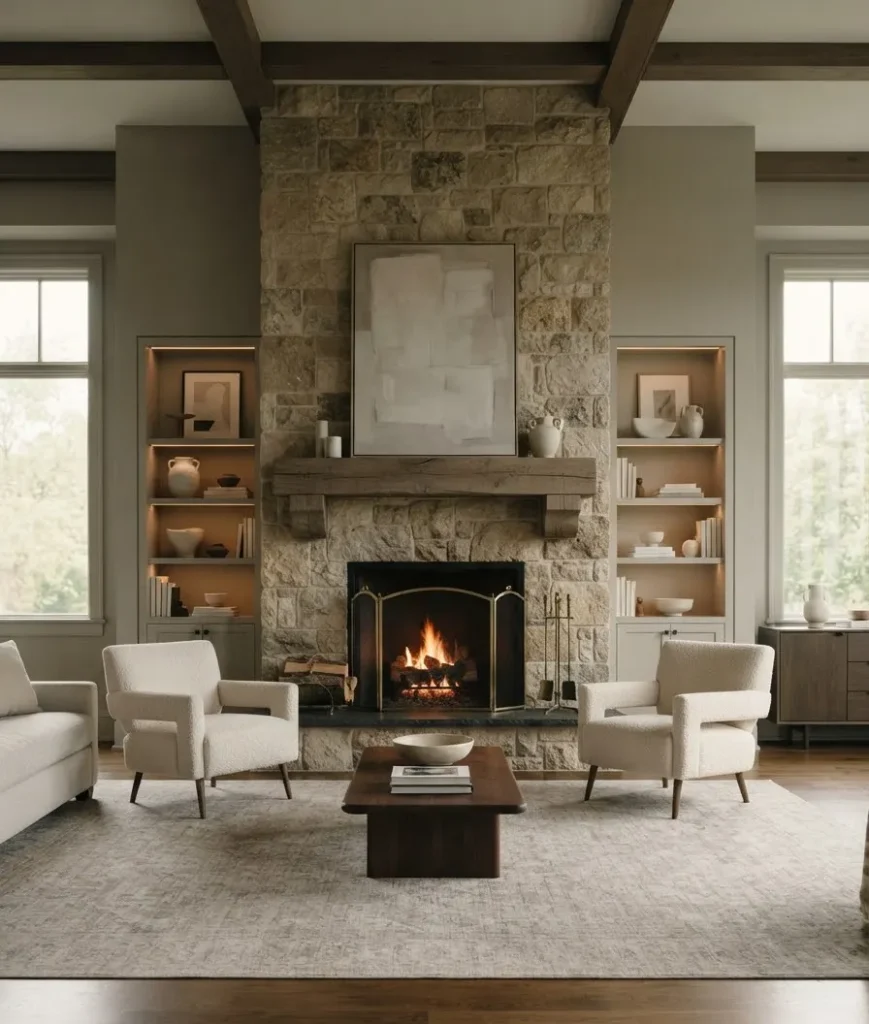
A window, a media wall, a fireplace. Choose one thing and let every other decision support it.
Trying to give equal weight to three focal points is how rooms end up scattered.
4. Measure before you shop.
This sounds obvious, and yet I have bought two couches in my life that didn’t fit through the door.
Note your doorways, outlets, and window placement before anything else.
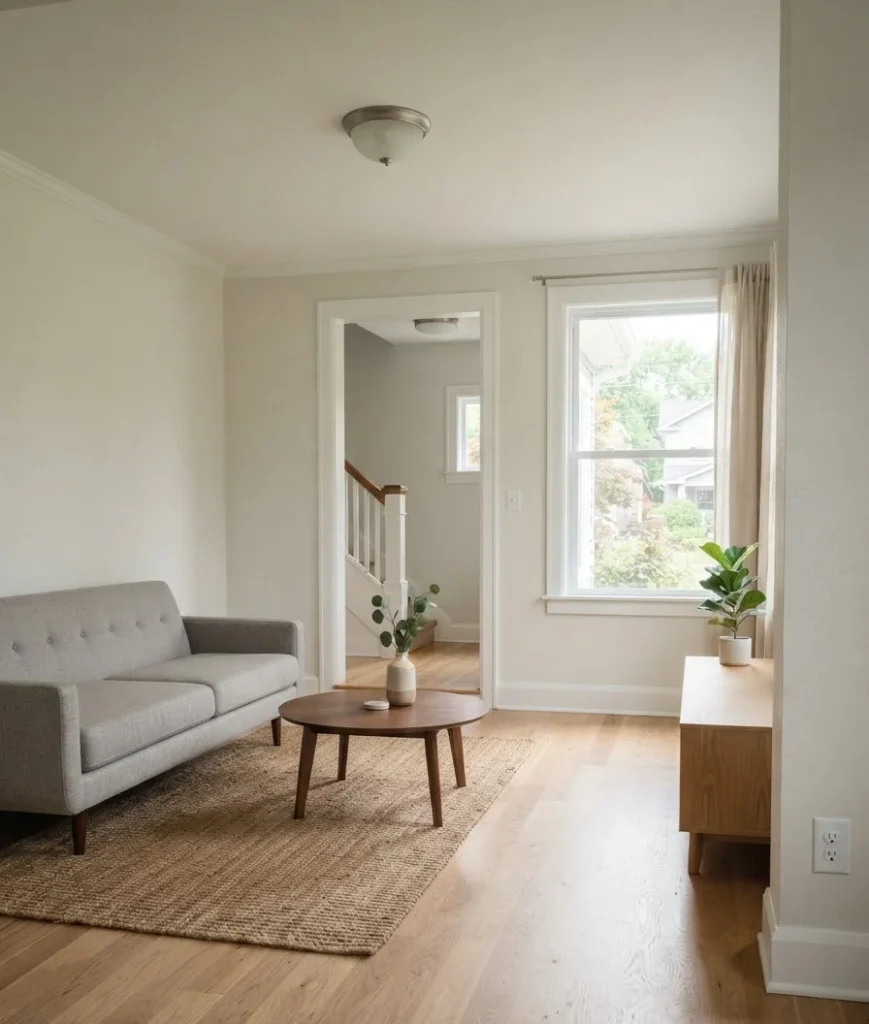
Furniture that pulls double duty
In a small room, every piece needs a job description longer than one line.
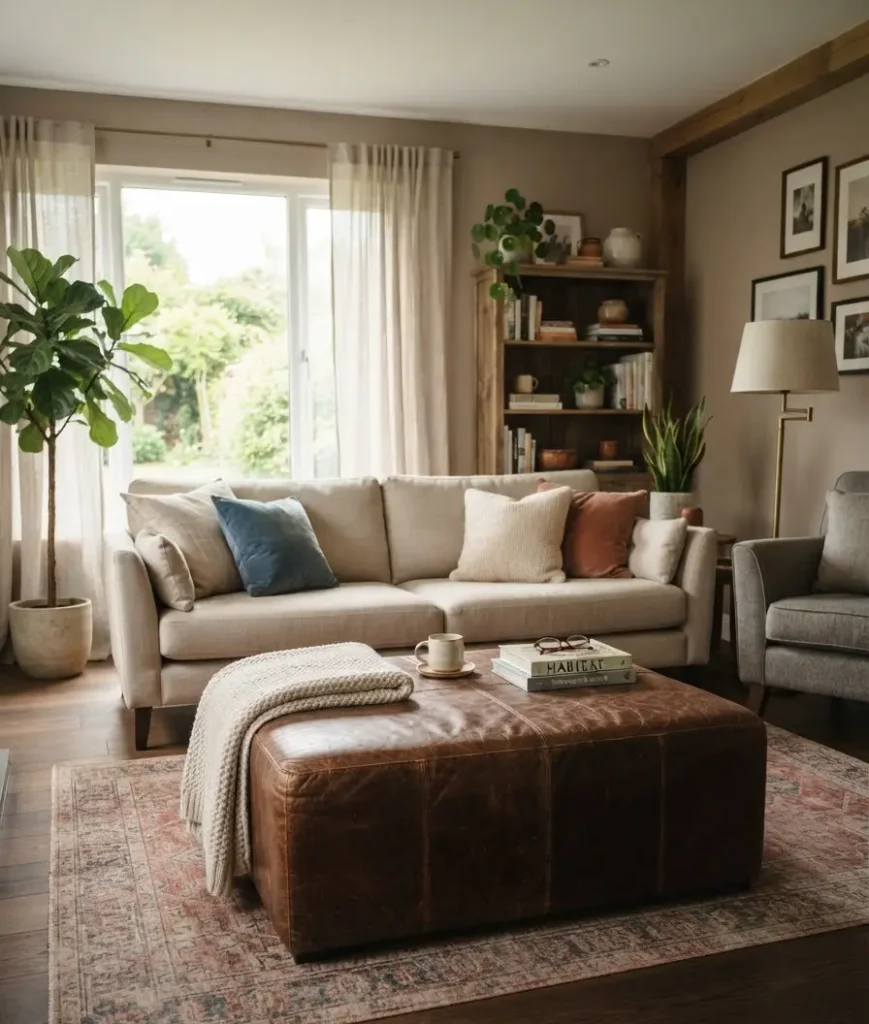
5. Get a storage ottoman.
Mine holds blankets, board games, and a suspicious number of phone chargers.
It works as a coffee table, extra seating, and storage all at once.
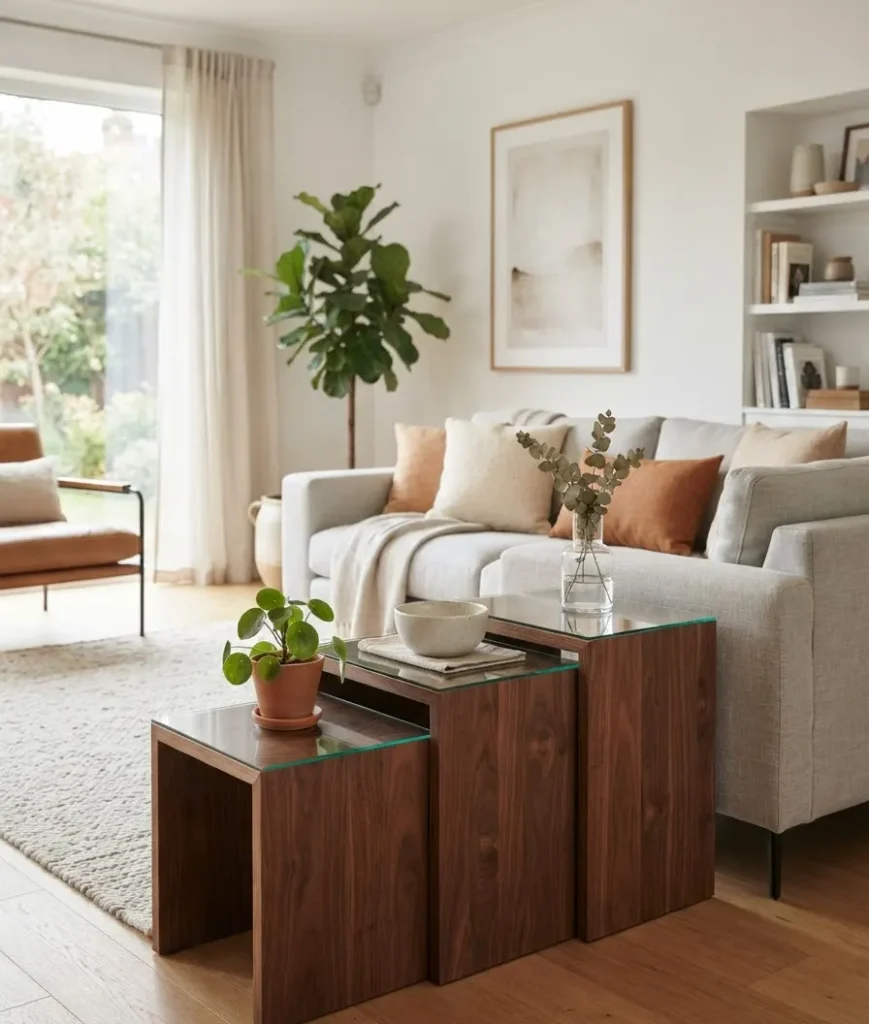
6. Use nesting tables instead of one big coffee table.
You get surface area when guests come over and floor space back when they leave.
7. Try a sleeper sofa if you host overnight guests.
Skip the guest room entirely and let the living room flex.
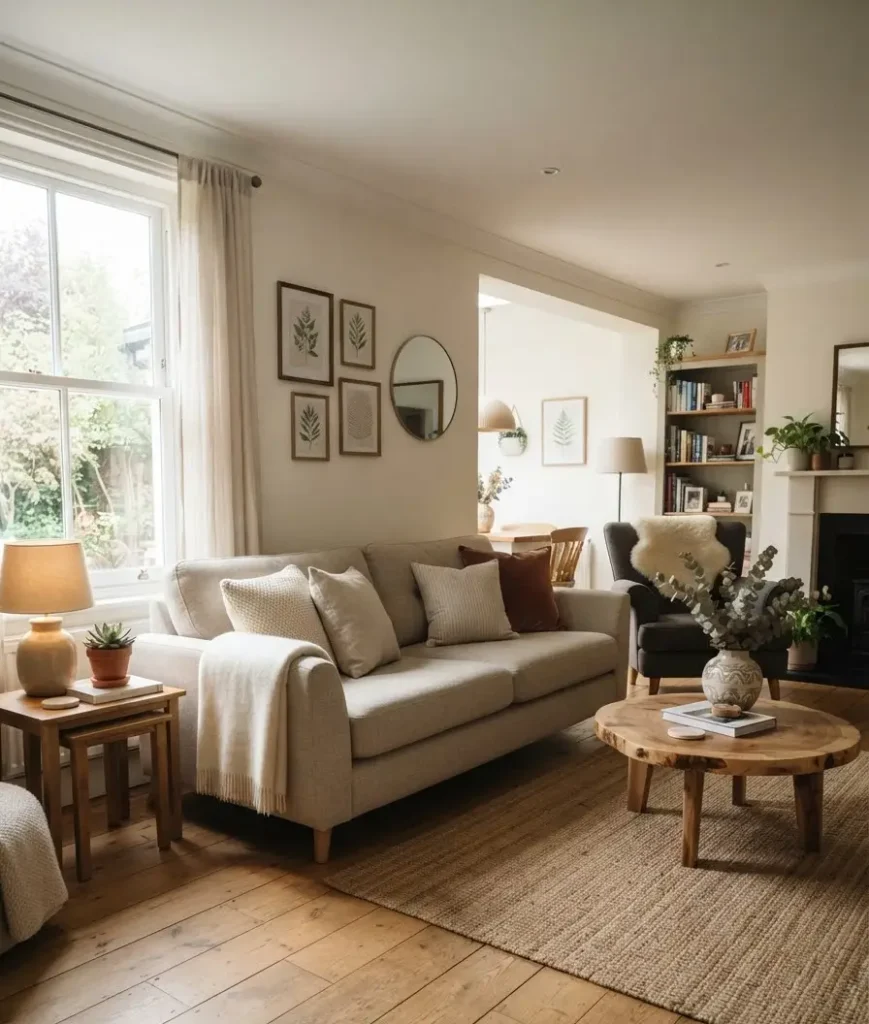
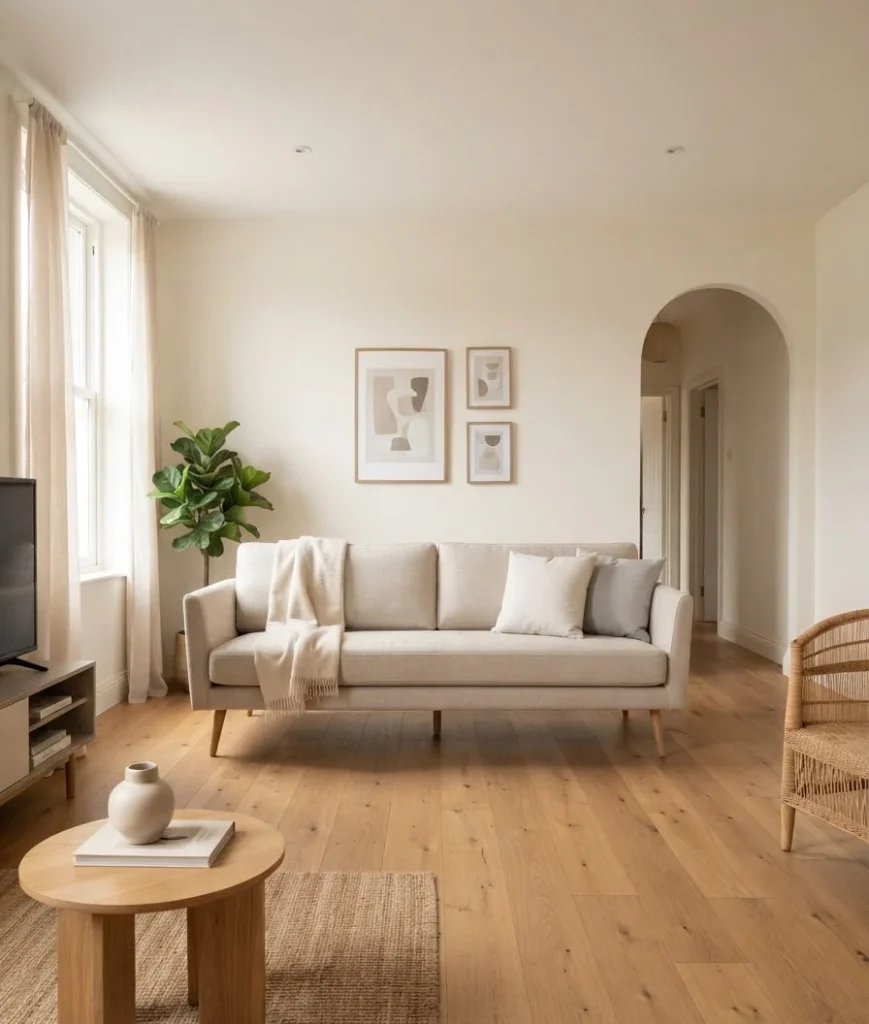
8. Look for sofas with narrow arms and raised legs.
This one matters more than people think. Furniture that shows a sliver of floor beneath it reads as lighter, even if the actual footprint is the same.
It’s a small trick that fools the eye every time.
Here’s a quick opinion of mine: skip the oversized sectional unless your room is genuinely large enough for it.
I see people cram an L-shaped sectional into a 10-by-12 room and wonder why it feels cramped. It’s the sectional. It’s almost always the sectional.
Play with scale and proportion
9. Choose fewer pieces with better proportions.
A room stuffed with small furniture doesn’t feel bigger, it feels cluttered.
Fewer, well-chosen pieces almost always beat a room full of miniature everything.
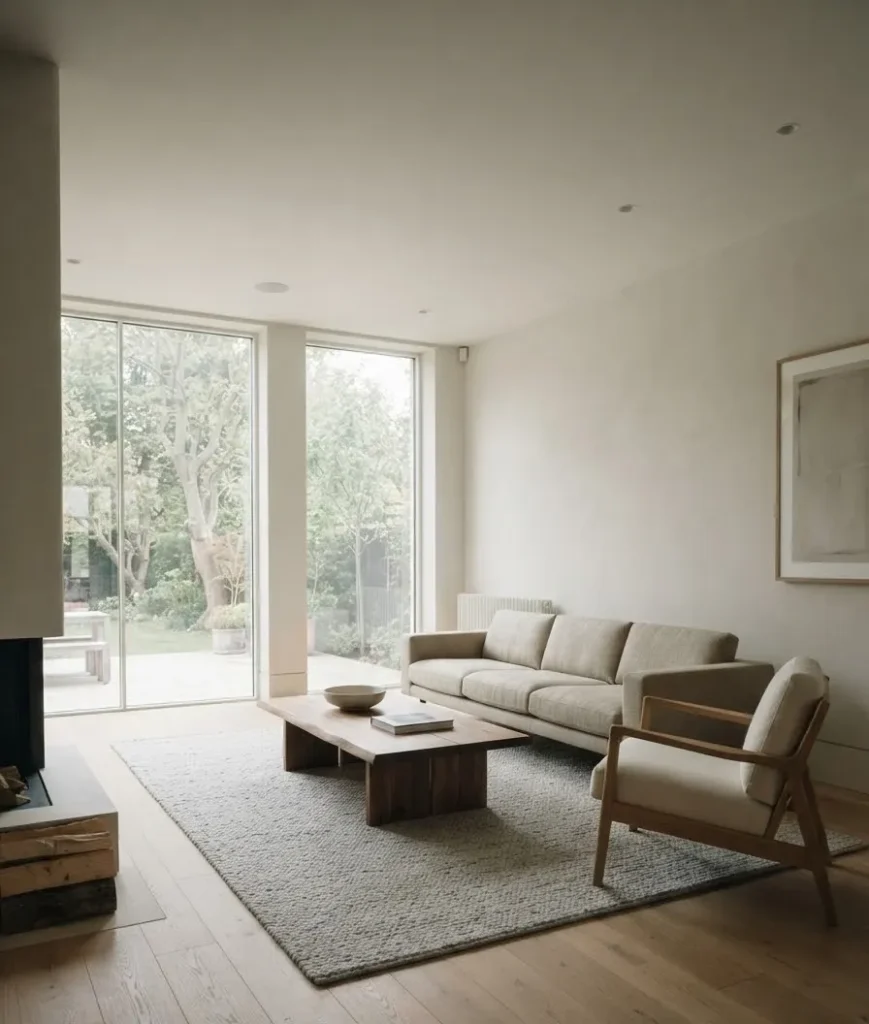
10. Go for low-back sofas near windows.
Keeping the sightline open near natural light sources makes a huge difference in how airy a room feels.
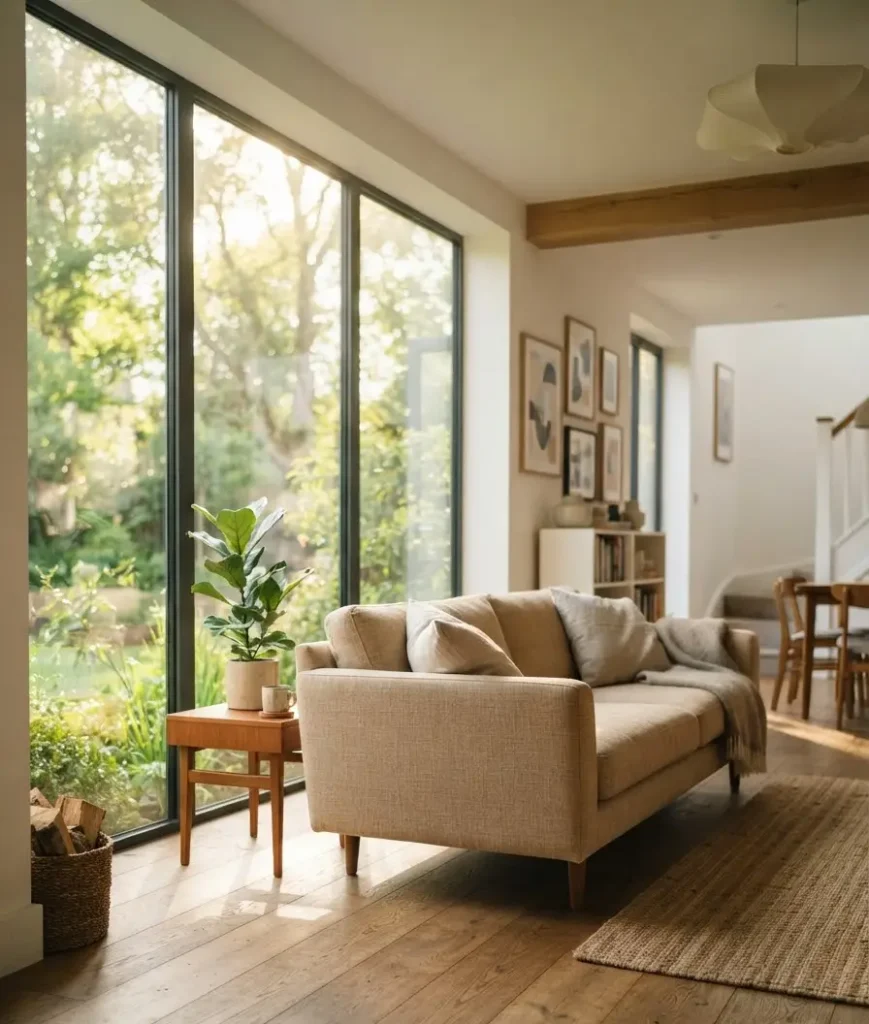
11. Match your rug to the seating area, not the room.
A too-small rug floating under just the coffee table makes furniture look like it’s stranded on an island.
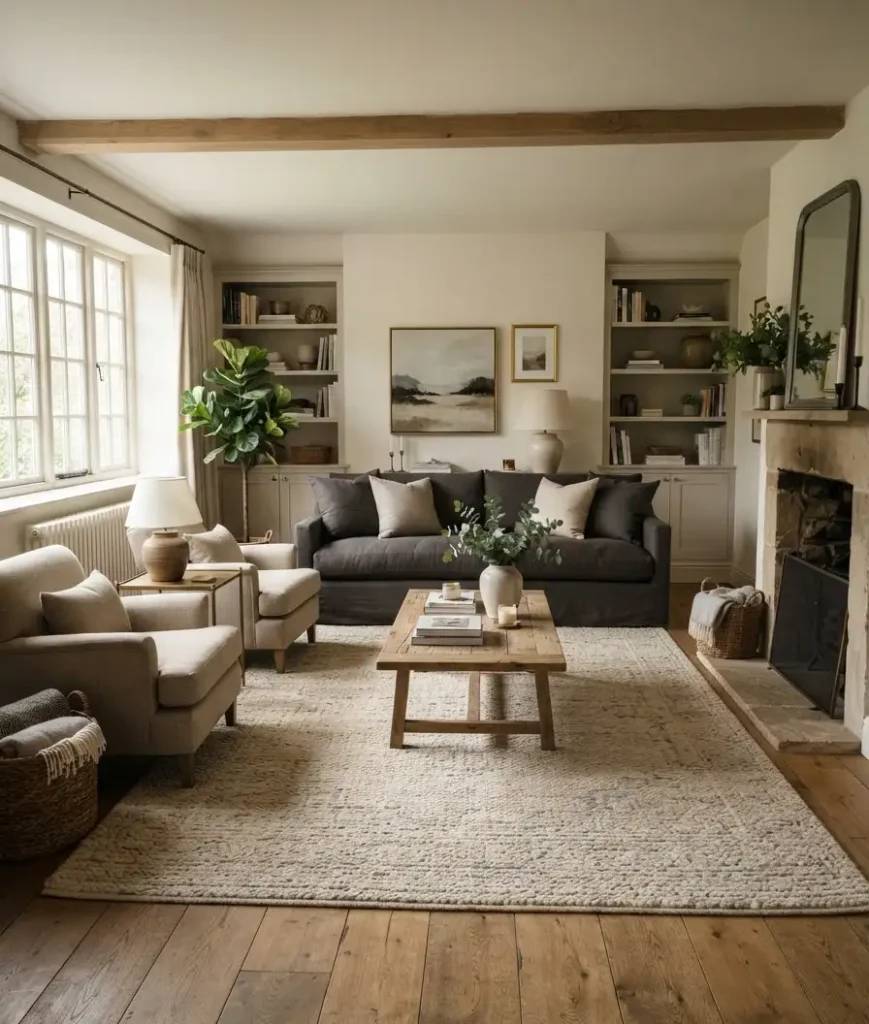
A quick table to keep your proportions in check:
| Room width | Suggested sofa depth | Rug size | Coffee table height |
|---|---|---|---|
| Under 10 ft | 32-34 inches | 5×7 ft, tucked under front legs | 16-18 inches |
| 10-12 ft | 34-36 inches | 6×9 ft | 16-18 inches |
| 12-14 ft | 36-38 inches | 8×10 ft | 17-19 inches |
| Over 14 ft | 38+ inches | 9×12 ft | 17-19 inches |
These are starting points, not rules carved in stone. Your room will tell you if something’s off.
Color and light tricks that actually open up a room
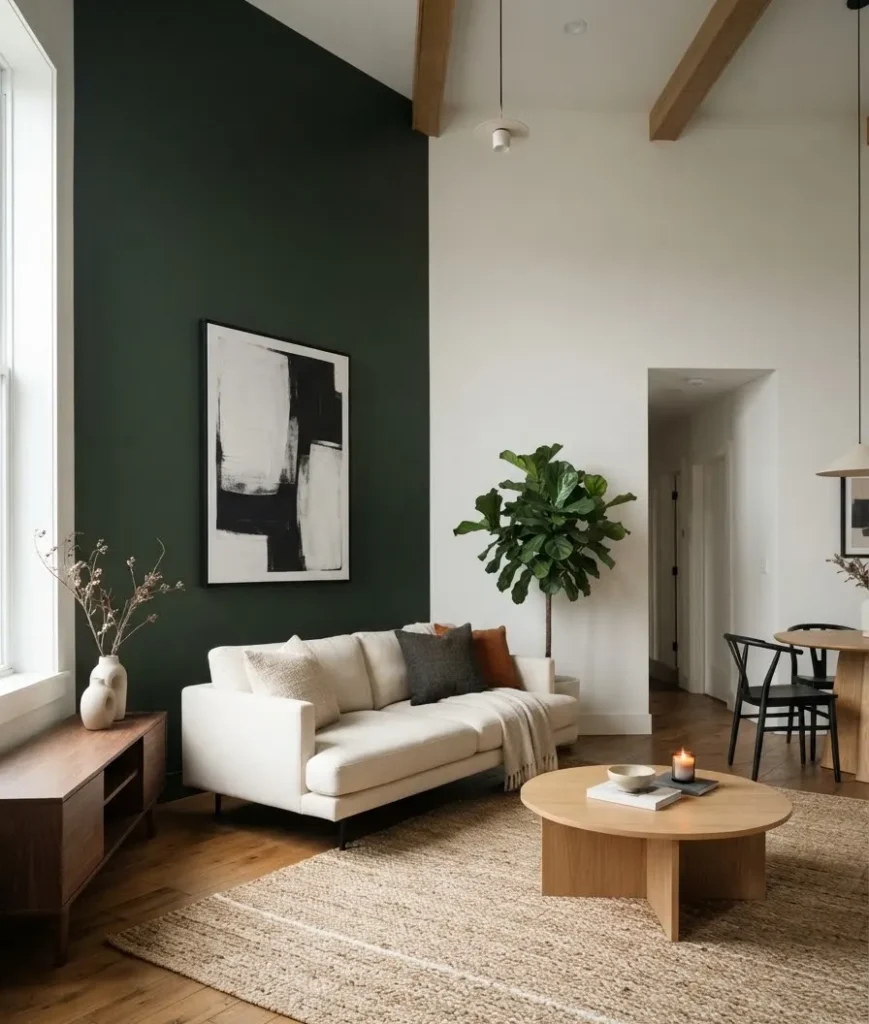
12. Keep walls light, but don’t be afraid of one darker wall.
Soft whites and warm neutrals bounce light around. A single deeper accent wall, done right, adds depth instead of shrinking the room.
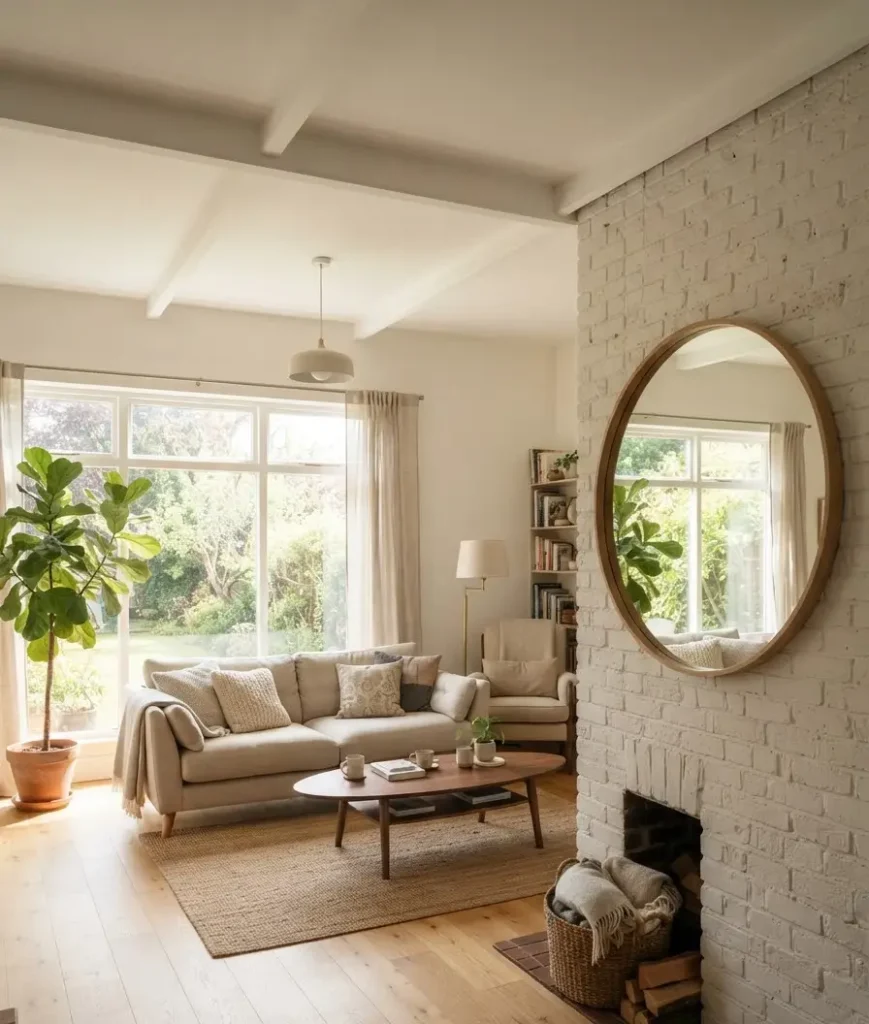
13. Add mirrors across from your main window.
This isn’t a myth. Mirrors genuinely double the perceived light and push the walls back visually.
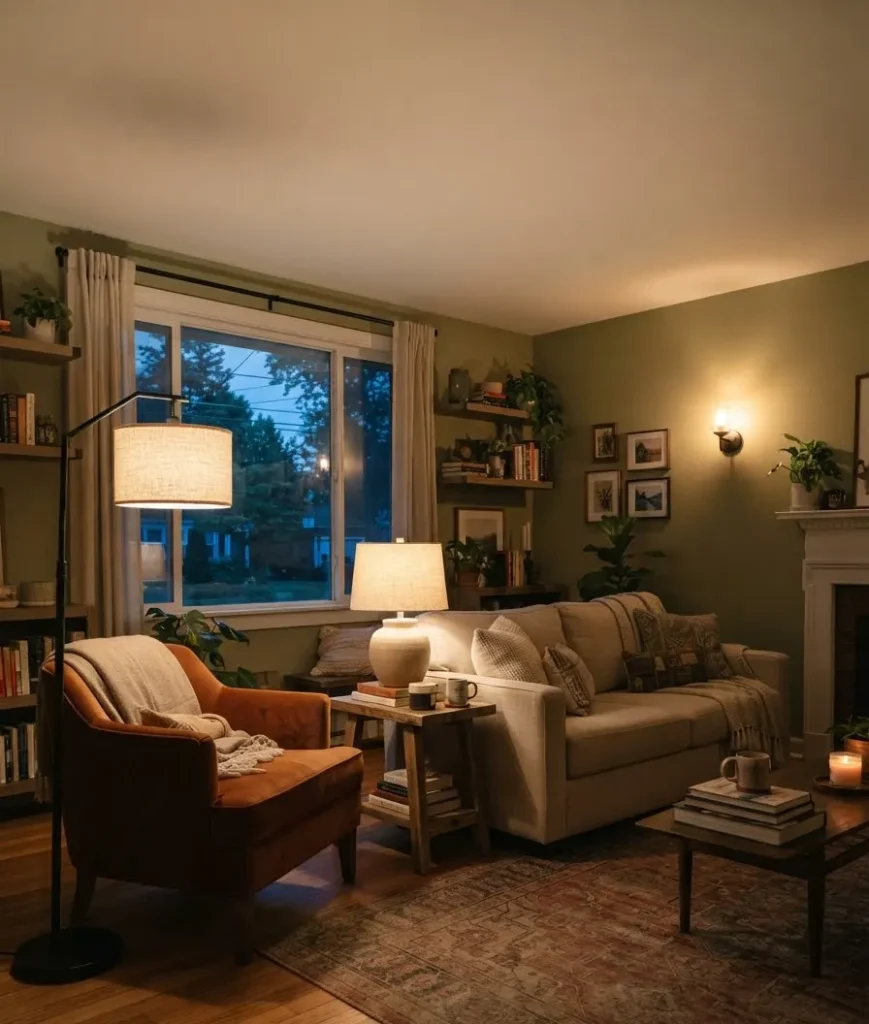
14. Layer your lighting instead of relying on one overhead fixture.
A floor lamp in the corner, a table lamp near the sofa, maybe a small plug-in sconce.
Overhead light alone makes small rooms feel flat and a little clinical.
15. Hang curtains close to the ceiling, not right above the window frame.
This tricks the eye into thinking your ceilings are taller than they are.It costs nothing extra and takes ten minutes.
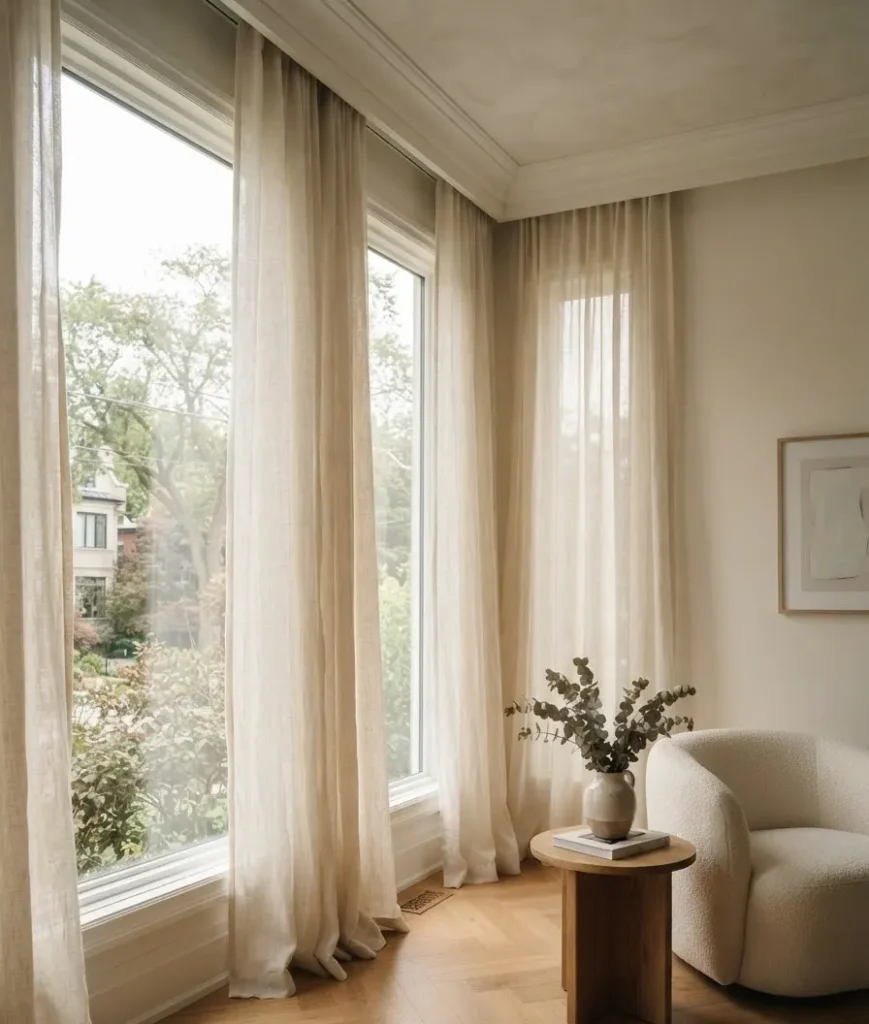
Random thought, and I promise it connects: I used to think curtain height was the most boring topic in interior design.
Then I raised mine by 8 inches and the whole room looked different. Sometimes the boring advice is the advice that works.
Vertical space is your best friend
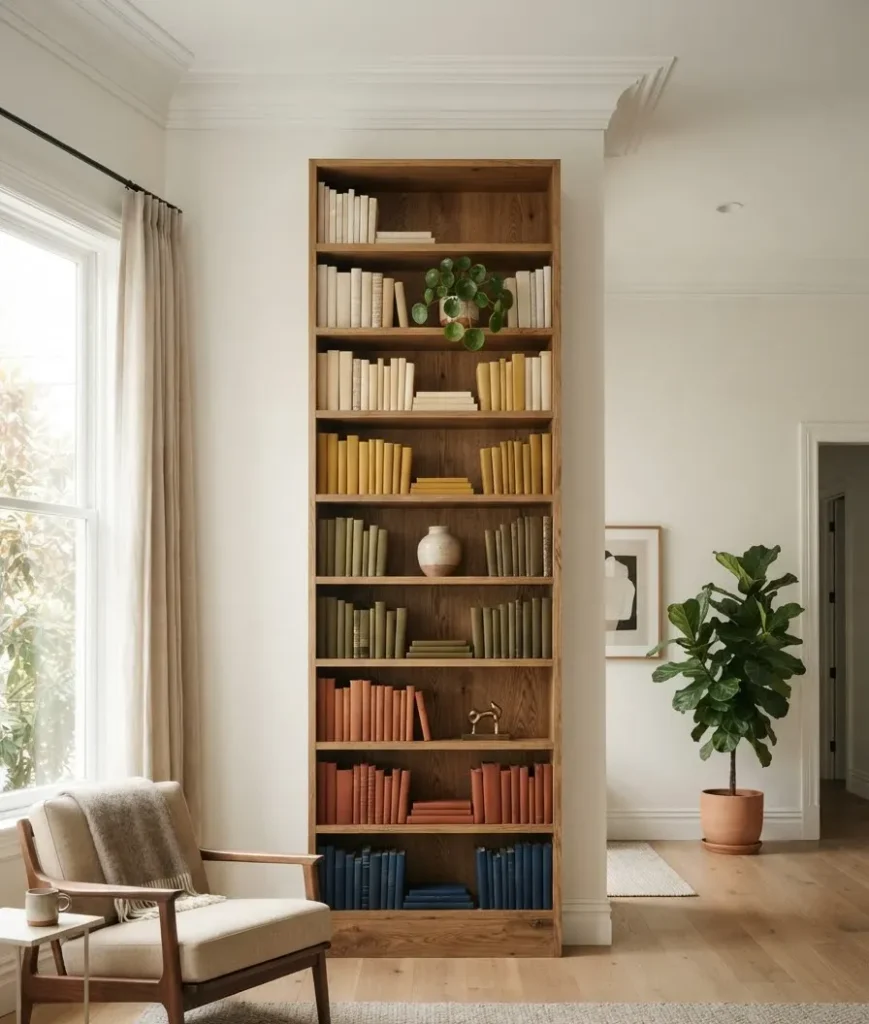
16. Go tall with bookshelves instead of wide.
Floor space stays open while you gain serious storage.
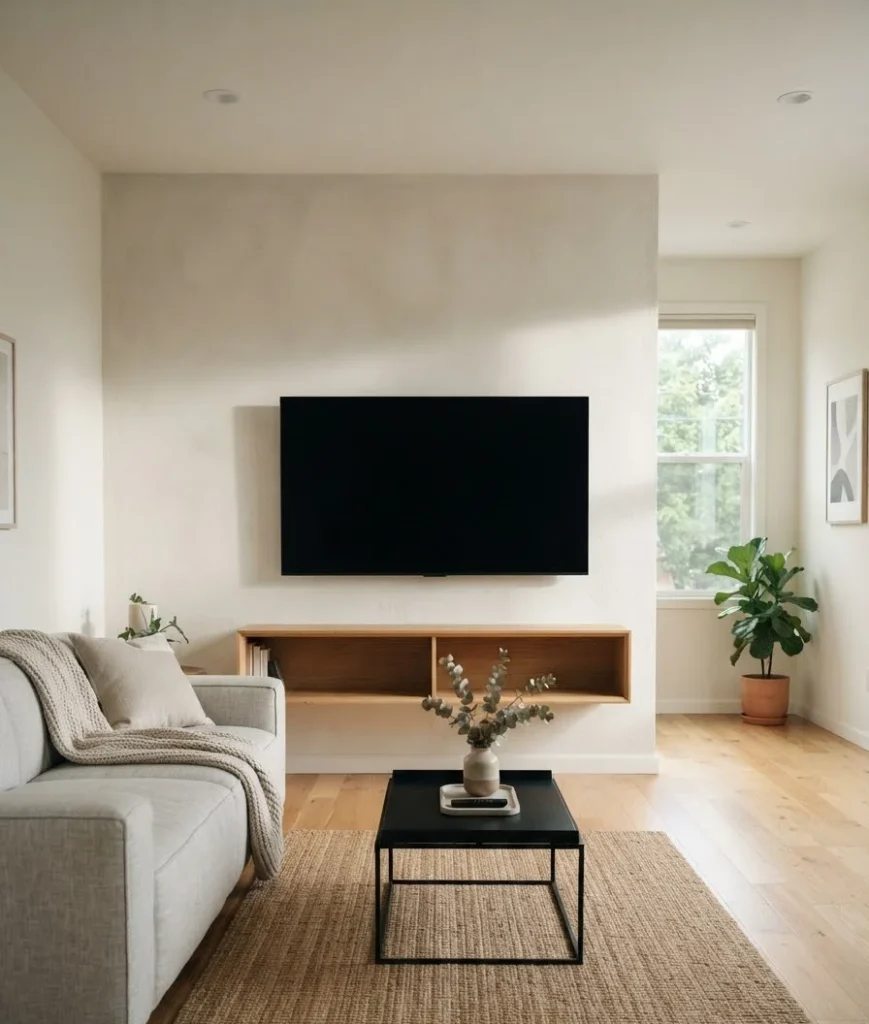
17. Mount the TV on the wall.
A TV stand eats floor space for no real reason once wall-mounting is an option.
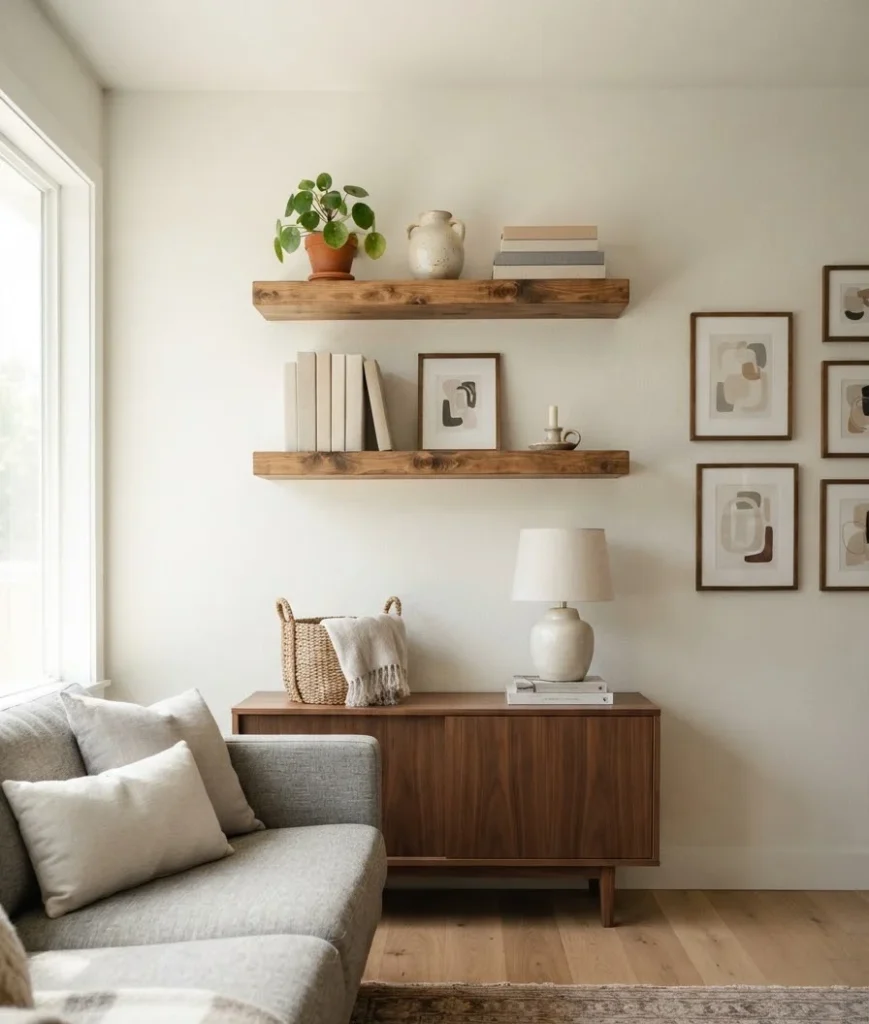
18. Add floating shelves above furniture.
Empty wall space above a sofa or console is wasted real estate in a small room.
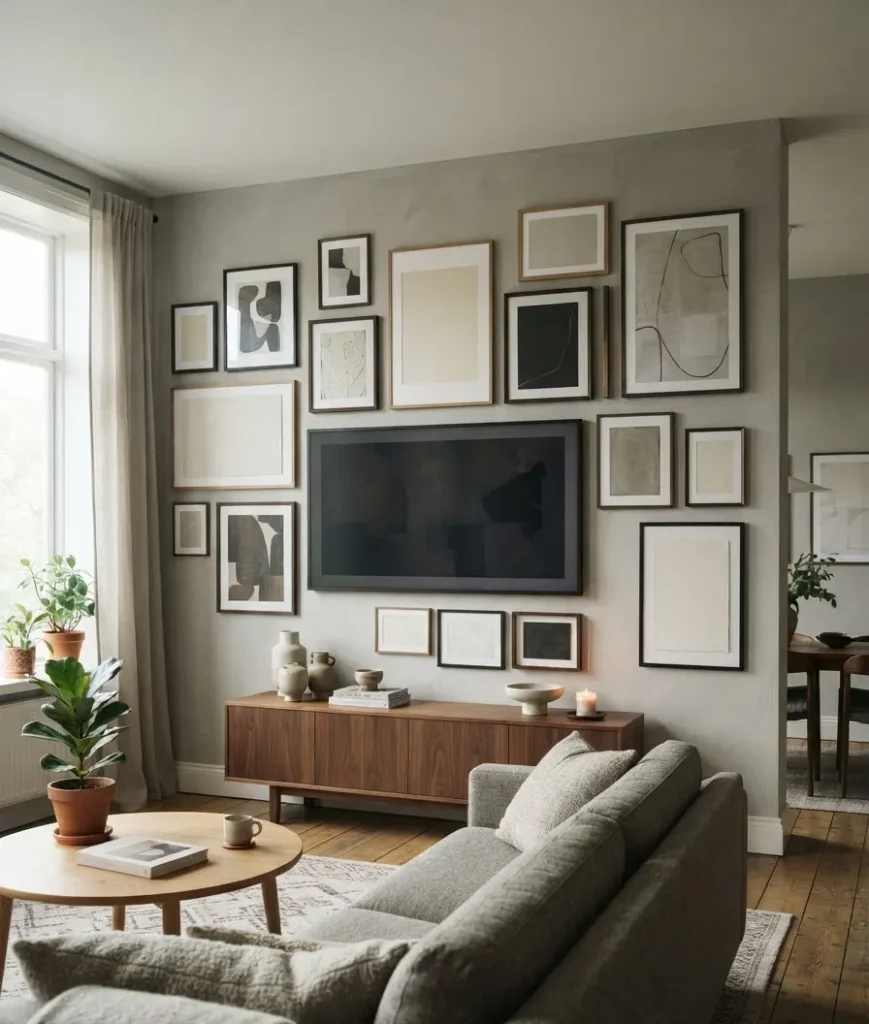
19. Build a gallery wall around your TV.
Interior stylists quoted by Real Homes suggest surrounding the television with art so it blends into the decor instead of dominating the wall as one giant black rectangle.
Rugs, textiles and cozy layering
20. Choose one rug and let it anchor the whole seating area.
Furniture legs should sit on it, not float around it.
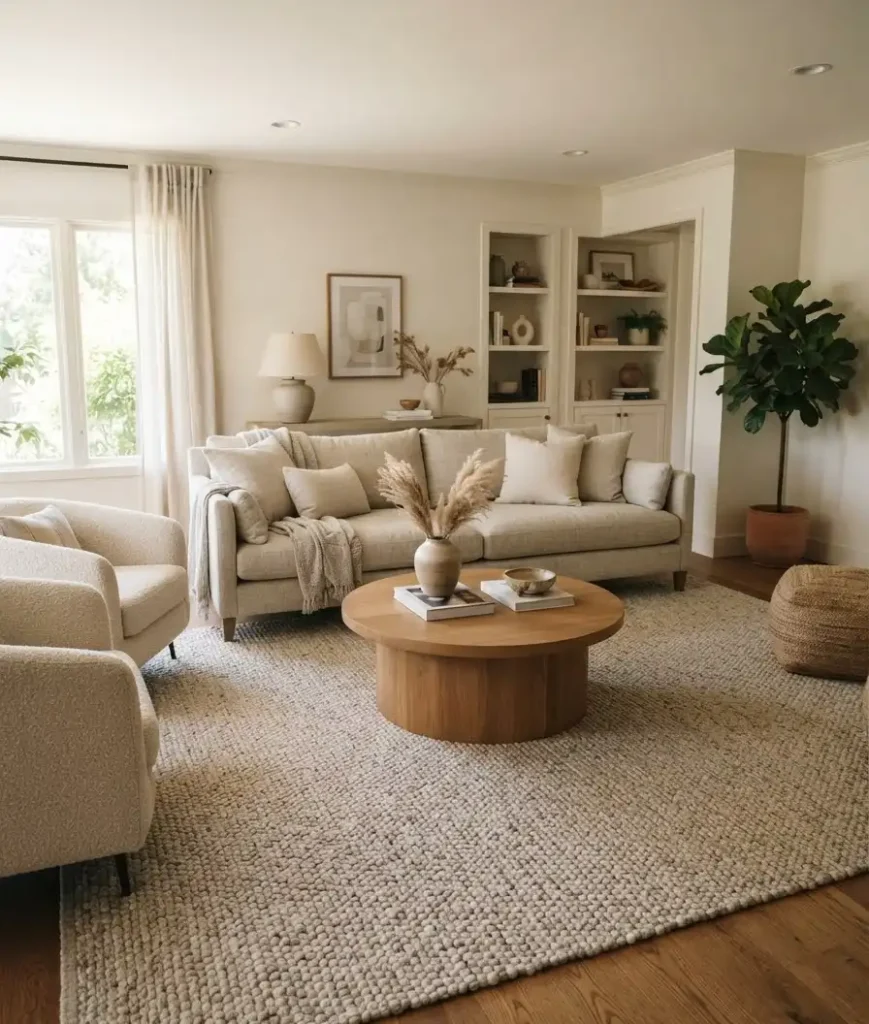
21. Add texture through throws and cushions rather than more furniture.
A chunky knit blanket does more for coziness than another side table ever will.
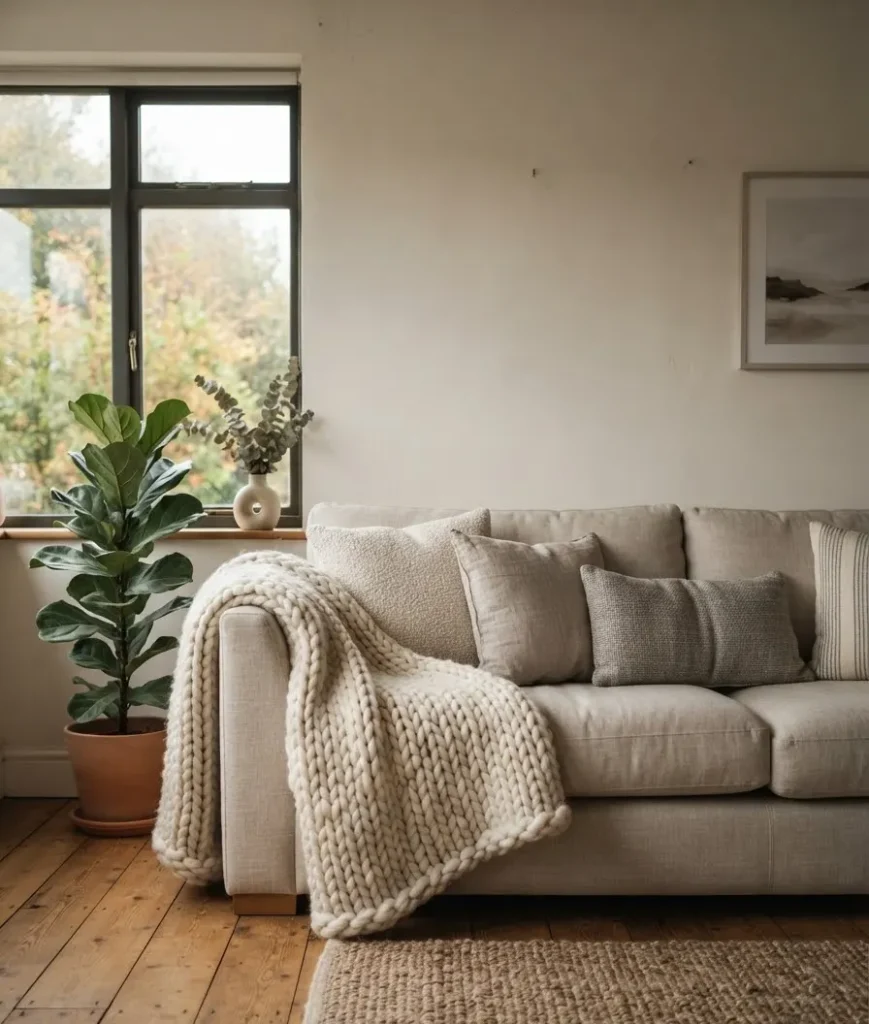
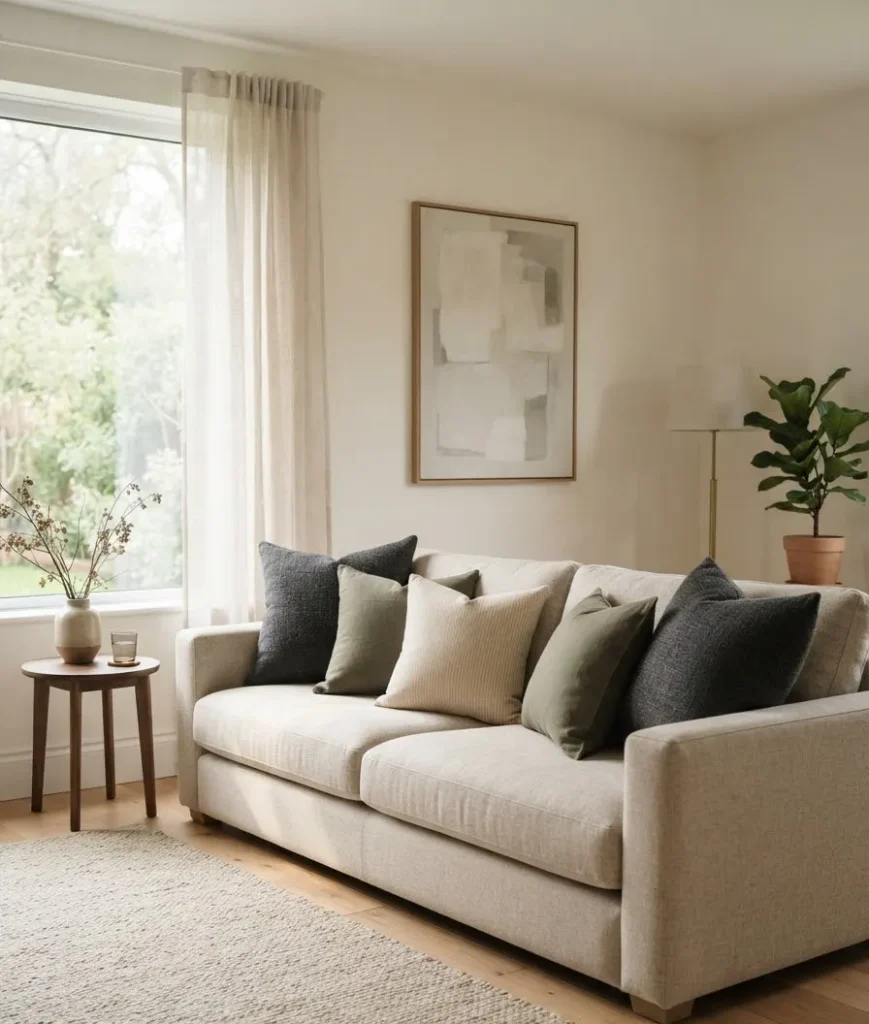
22. Layer two cushion sizes on the sofa, not five random ones.
IMO this is where people overdo it. Two sizes, maybe three colors, done.
Small room, big personality: decor details that matter
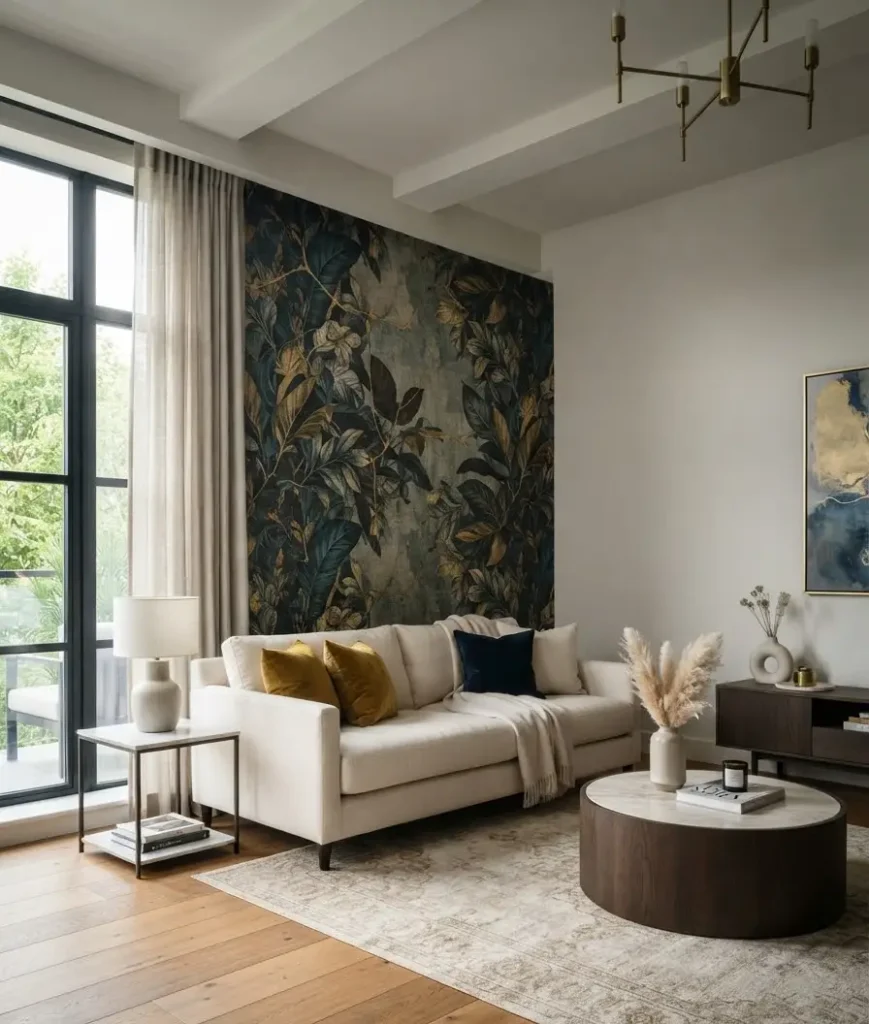
23. Commit to one accent wall or statement piece.
Wallpaper, a bold paint color, or a large piece of art. One strong move beats five timid ones.
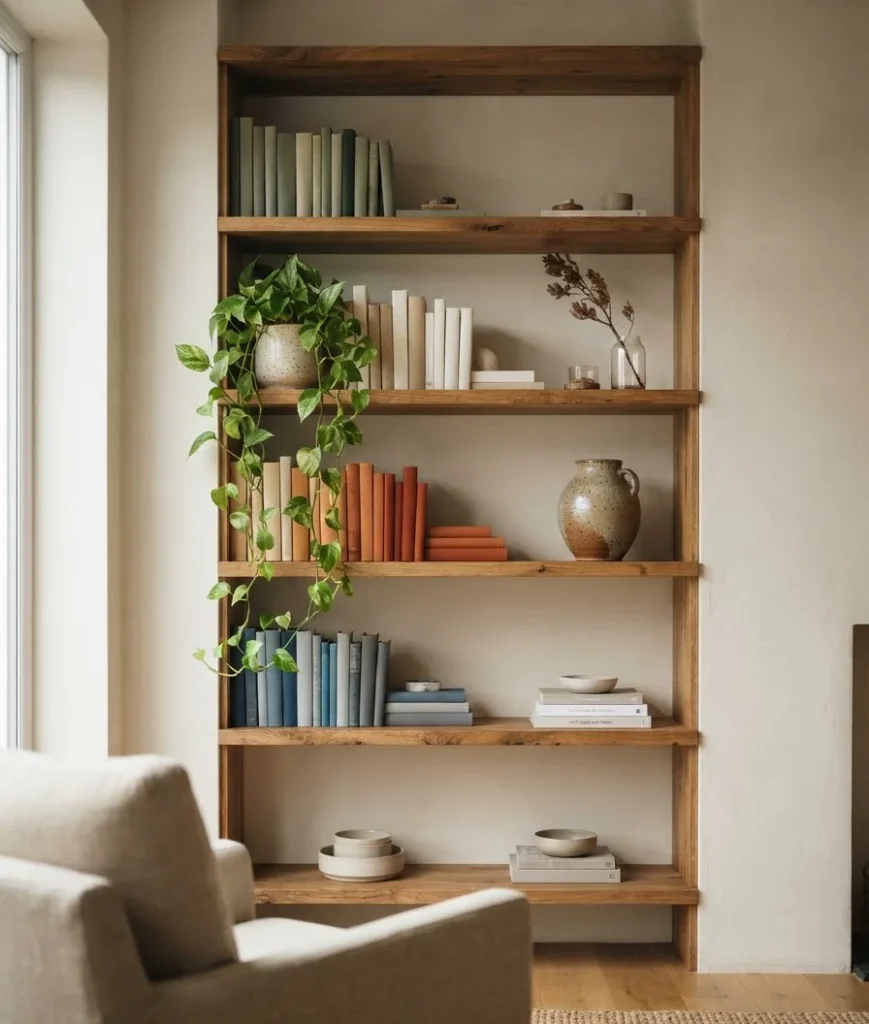
24. Style your shelves like they tell a story.
Group books by color or size, add one plant, leave some negative space.
A shelf packed edge to edge with no breathing room looks chaotic no matter how nice the individual objects are.
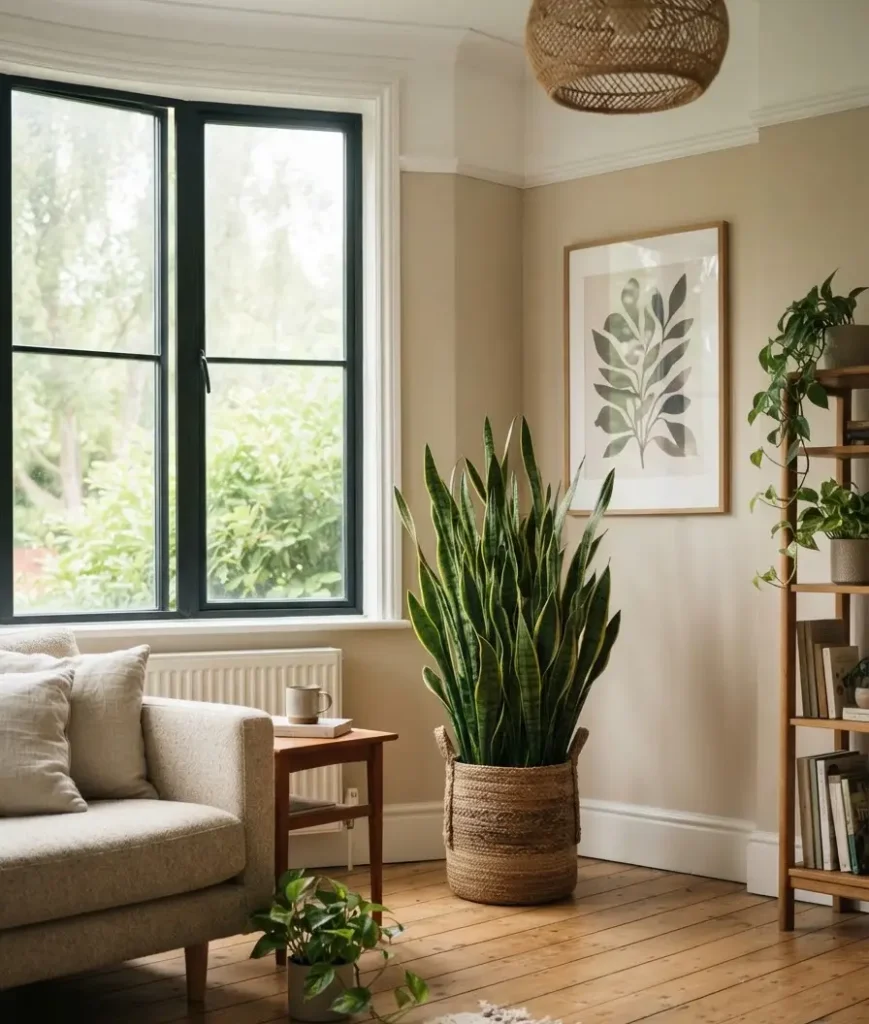
25. Bring in at least one live plant.
A snake plant or pothos in the corner adds life to a room in a way that nothing from a catalog can replicate.
Wow, the difference a single plant makes in photos is honestly kind of ridiculous.
For more layout-specific inspiration, RoomSketcher’s small living room guide has some solid floor plan examples if you want to see these ideas mapped out visually before committing to anything.
Frequently asked questions
What’s the biggest mistake people make in a small living room?
Pushing every piece of furniture against the wall. It feels logical, but it actually makes the room feel more cramped, not less.
Floating even one piece a few inches away from the wall usually helps more than people expect.
Do small living rooms need a coffee table?
Not always. An ottoman or a stack of nesting tables can do the same job while taking up less visual weight. If your room is under 100 square feet, skip the traditional coffee table altogether and go smaller.
What color makes a small room look bigger?
Soft, warm neutrals tend to work best because they reflect light without feeling sterile.
That said, one deeper accent wall paired with good lighting can add depth rather than shrink the space, so don’t rule out darker tones entirely.
Final thought
A small living room isn’t a problem to solve once and forget. It’s a space you’ll keep adjusting as your life changes, new furniture, new art, a plant that didn’t survive the winter.
Pin a few of these ideas, try two or three this weekend, and see what actually changes how the room feels.
Which one are you trying first: the mirror trick, the ottoman swap, or finally raising those curtains?





1 thought on “25 Cozy and Comfy Small Living Room Ideas to Maximize Your Space”