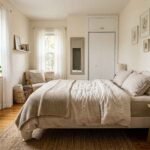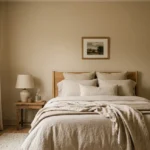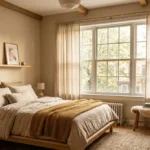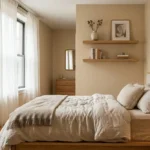
My first apartment bedroom measured 9 feet by 10 feet. I know because I measured it three times, convinced my tape measure was lying to me.
A full bed, a desk, and a dresser barely fit, and for the first six months, the room felt like a storage unit I occasionally slept in.
It took a full year of trial, error, and one genuinely embarrassing attempt at a gallery wall (RIP to that crooked frame arrangement) before the room finally felt like mine. Small, yes. Cramped, no more.
If you’re staring at your own tiny bedroom wondering how anyone makes 100 square feet look like a Pinterest board, you’re in the right place.
This isn’t theory pulled from a design textbook. It’s what actually worked, what flopped, and what I’d tell a friend over coffee before they buy a single throw pillow.
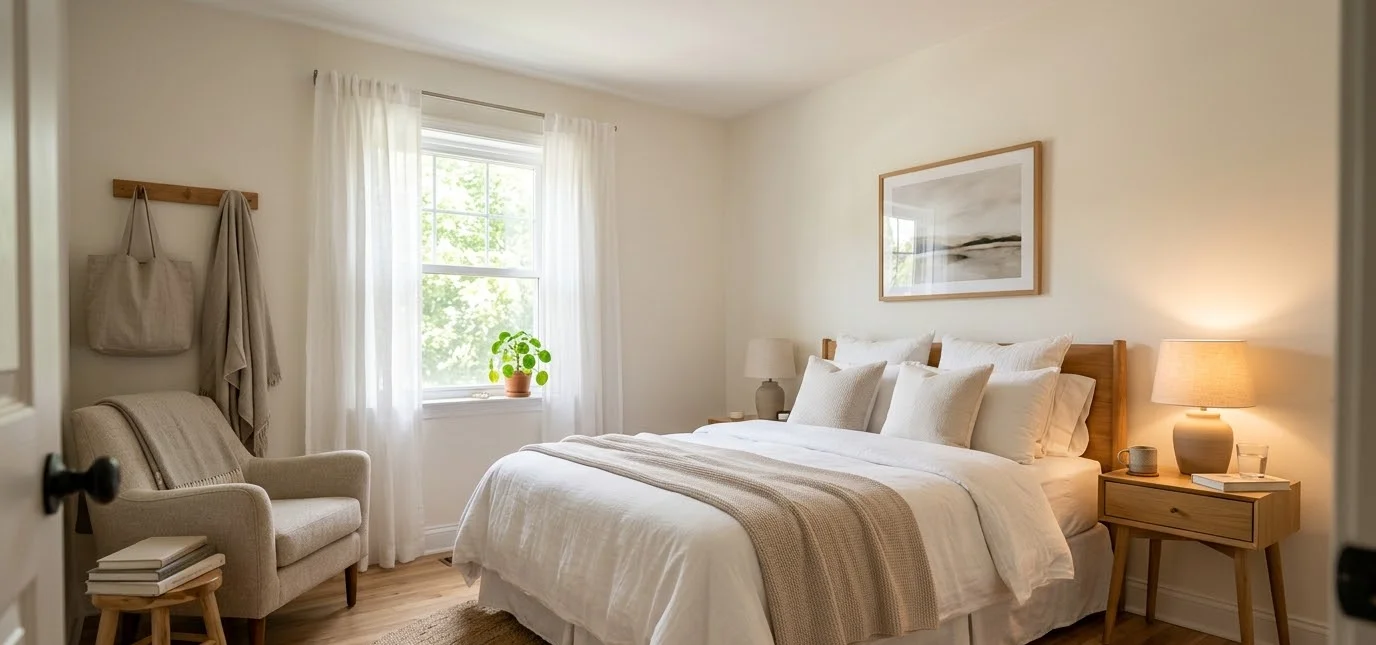
Small Guest Bedroom Ideas Cozy Simple Ways To Make A Tiny Room Feel Like A Retreat
Click Here →Why small bedrooms feel bigger with the right approach
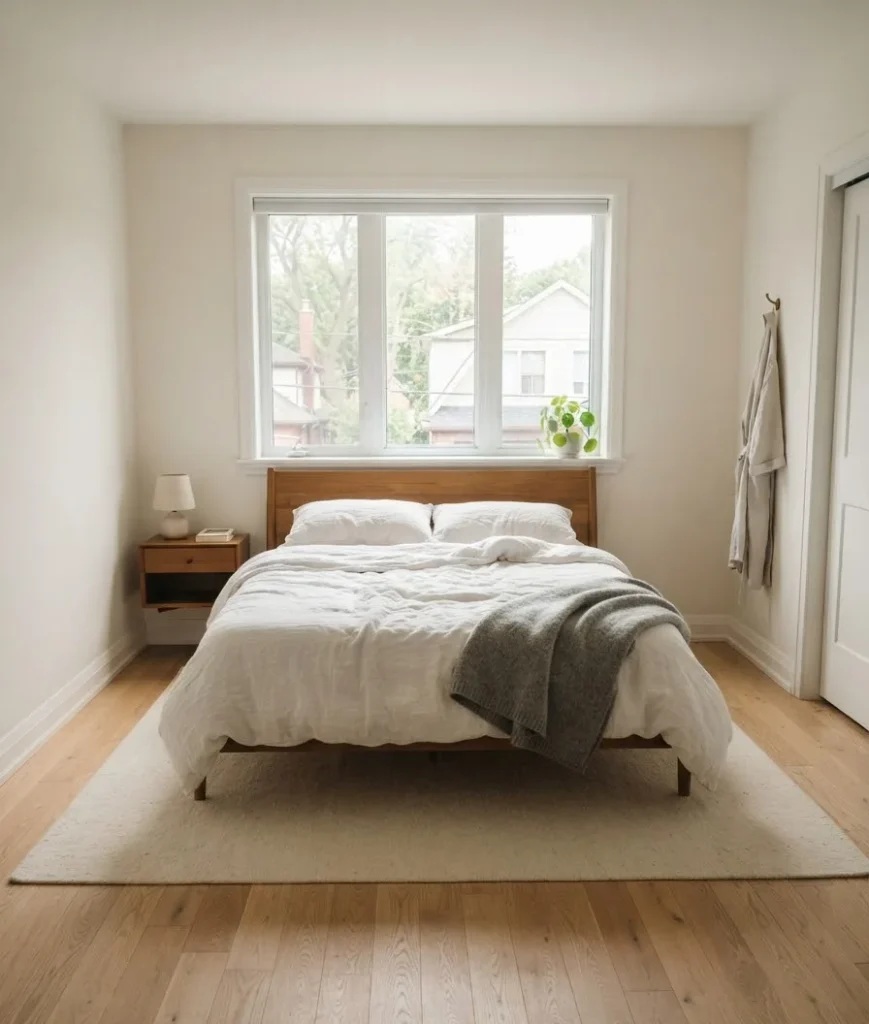
Square footage is fixed. How the room feels is not.
I learned this the hard way after painting my first small bedroom a deep navy because it looked stunning in a magazine spread.
Big mistake. The room felt like a cave by week two, and I repainted it a soft greige within the month.
Small rooms respond to light, color, and proportion way more dramatically than large ones.
A single wrong choice gets amplified in a tight space, but so does a right one.
That’s actually good news: small changes make a visible difference fast.
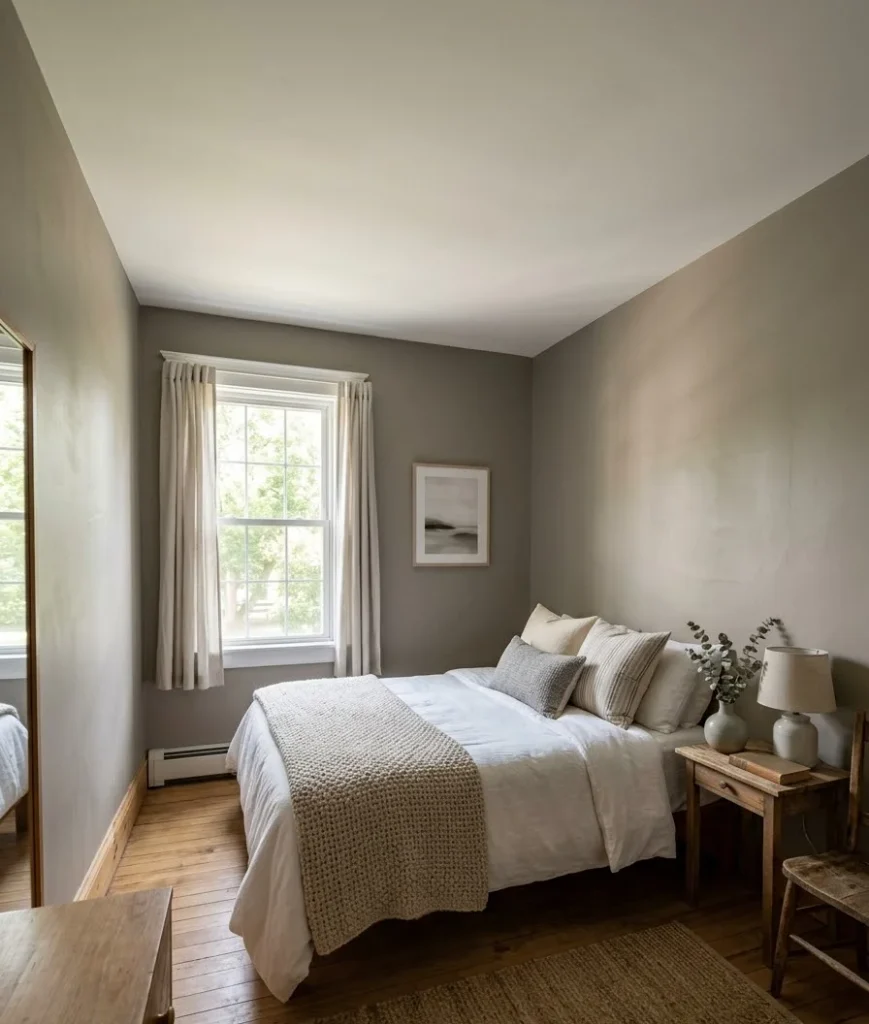
The goal isn’t to make the room look bigger than it is. IMO, that chase leads to sterile, over-mirrored spaces that feel more like a dentist’s waiting room than a bedroom.
The real goal is comfort and visual calm, which, funnily enough, also makes the room read larger.
Start with a color palette that does the heavy lifting
Color sets the emotional tone of a bedroom before anything else does.
Ever walked into a room and felt instantly relaxed without knowing why? Probably the color.
Light, warm neutrals work best in tight spaces
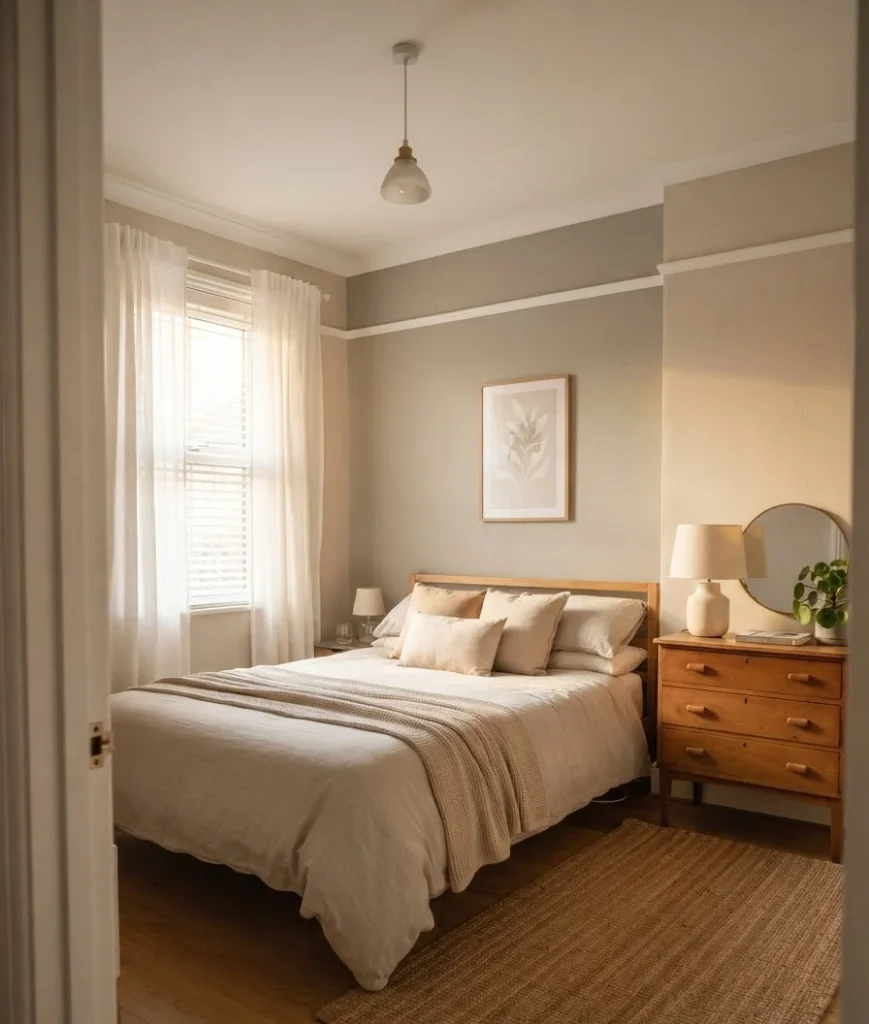
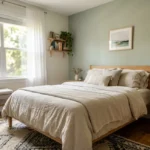
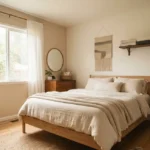
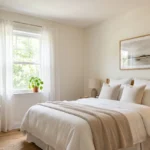
Stick to soft whites, warm beiges, dusty greiges, or pale sage. These tones bounce light around the room instead of absorbing it, which keeps a small space from feeling boxed in.
I’m not saying skip color entirely. Sherwin-Williams has a solid rundown of how undertones affect how a paint color reads in different light, and it changed how I choose paint samples.
I now test every color at three times of day before committing, because a color that looks dreamy at 10am can look grim by 7pm.
Use one accent wall, not four accent walls
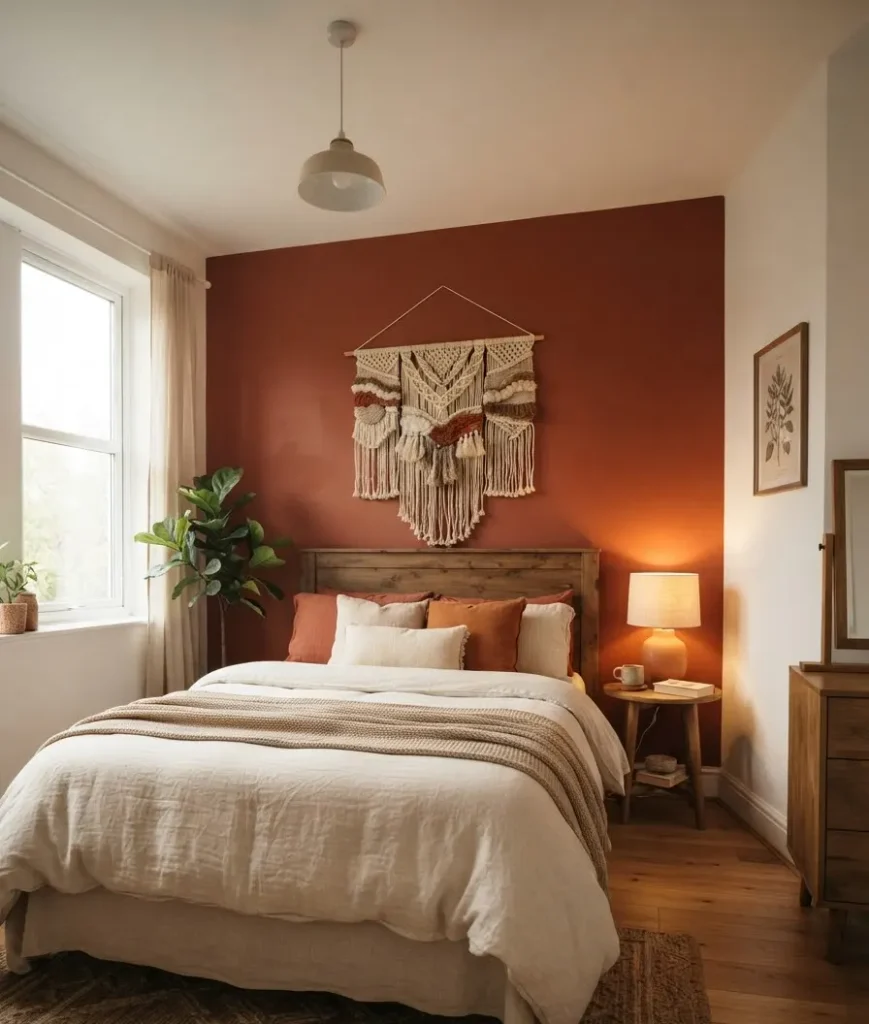
Painting all four walls a bold color in a small bedroom can feel heavy fast.
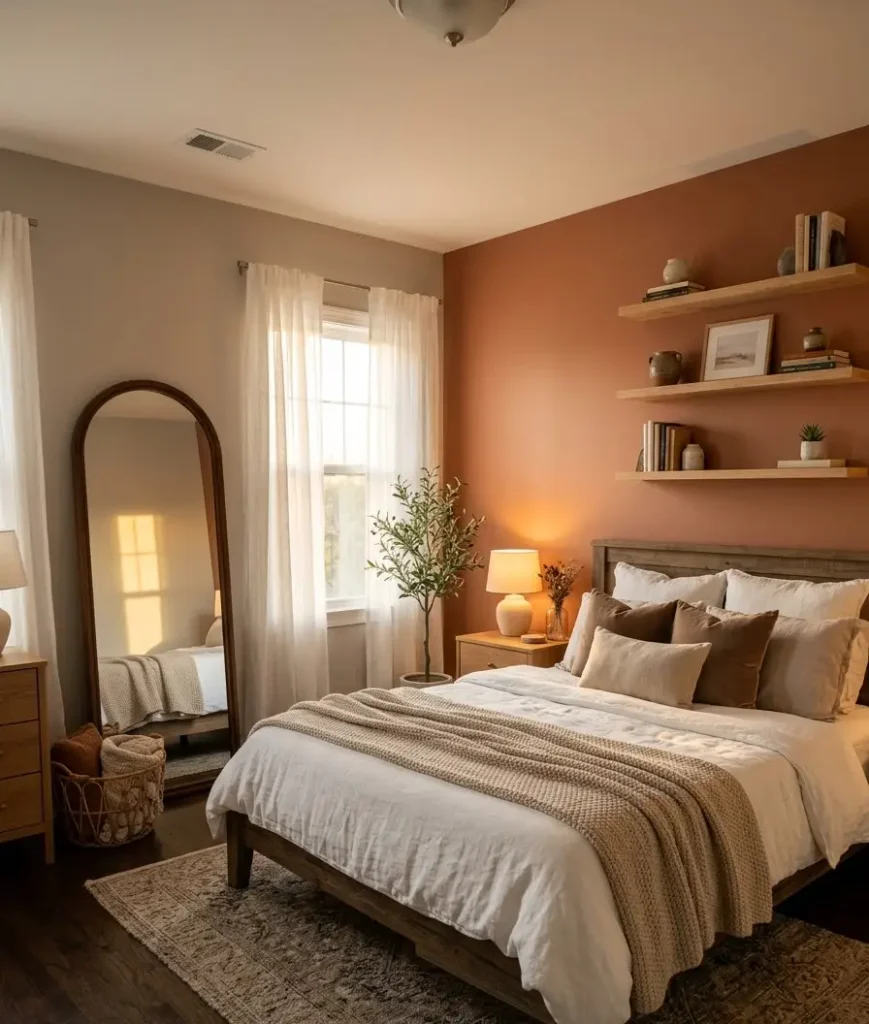
One accent wall, usually behind the headboard, adds personality without swallowing the room whole.
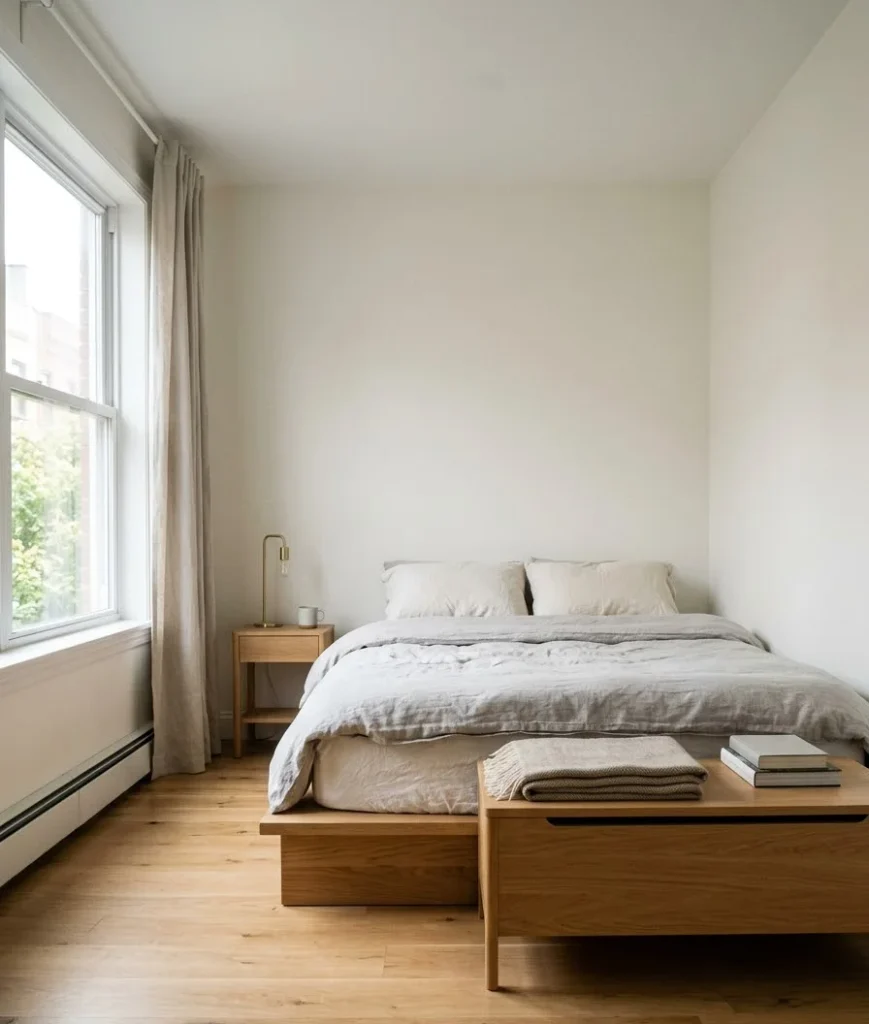
A few accent options that consistently work well:
- Deep terracotta for warmth without darkness
- Muted forest green for a grounded, natural feel
- Warm charcoal, but only paired with plenty of soft textiles
- Dusty blush for a softer, romantic vibe
A quick color comparison
| Palette style | Best for | Watch out for |
|---|---|---|
| All-white / soft neutral | Maximizing light, minimalist look | Can feel cold without texture |
| Warm earth tones | Cozy, grounded feel | Too much can feel dark |
| Pastel accent wall | Personality without commitment | Clashing with existing furniture |
Furniture: less is genuinely more here
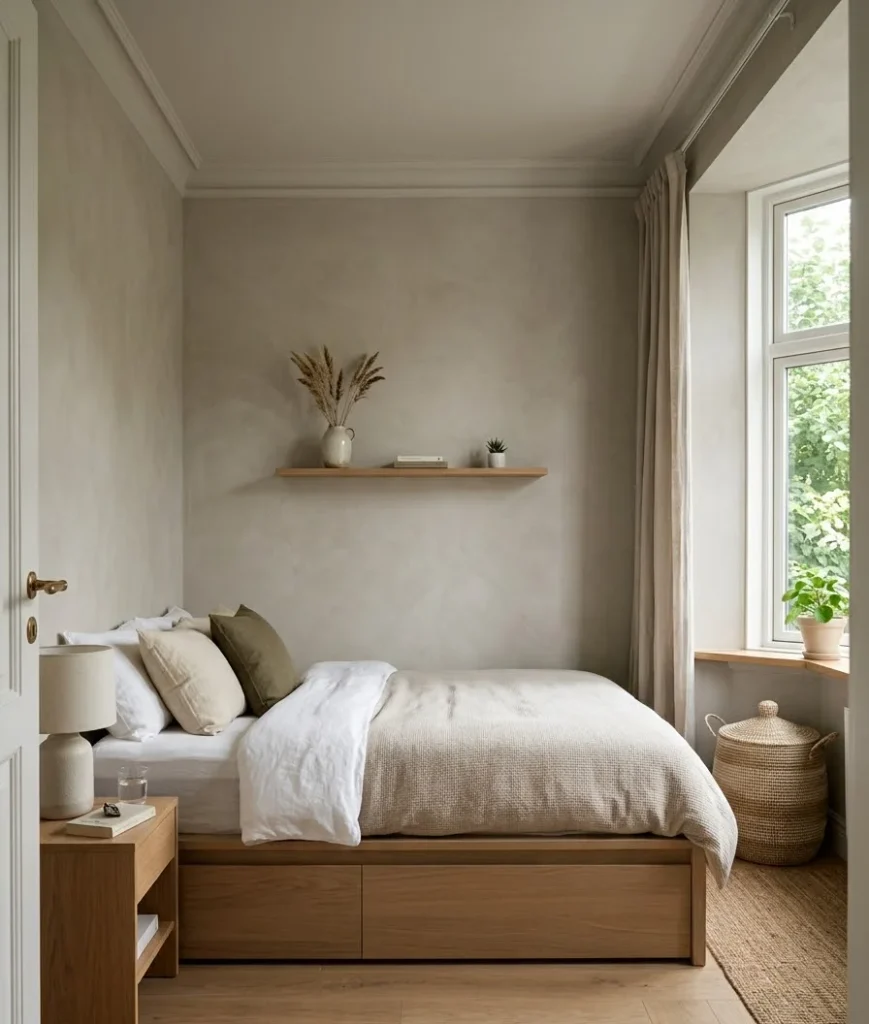
This is where most small bedrooms go wrong, and I say that as someone who once tried to fit a full-size desk into a room that could barely fit the bed.
It looked ridiculous. It functioned worse.
Pick furniture that earns its square footage
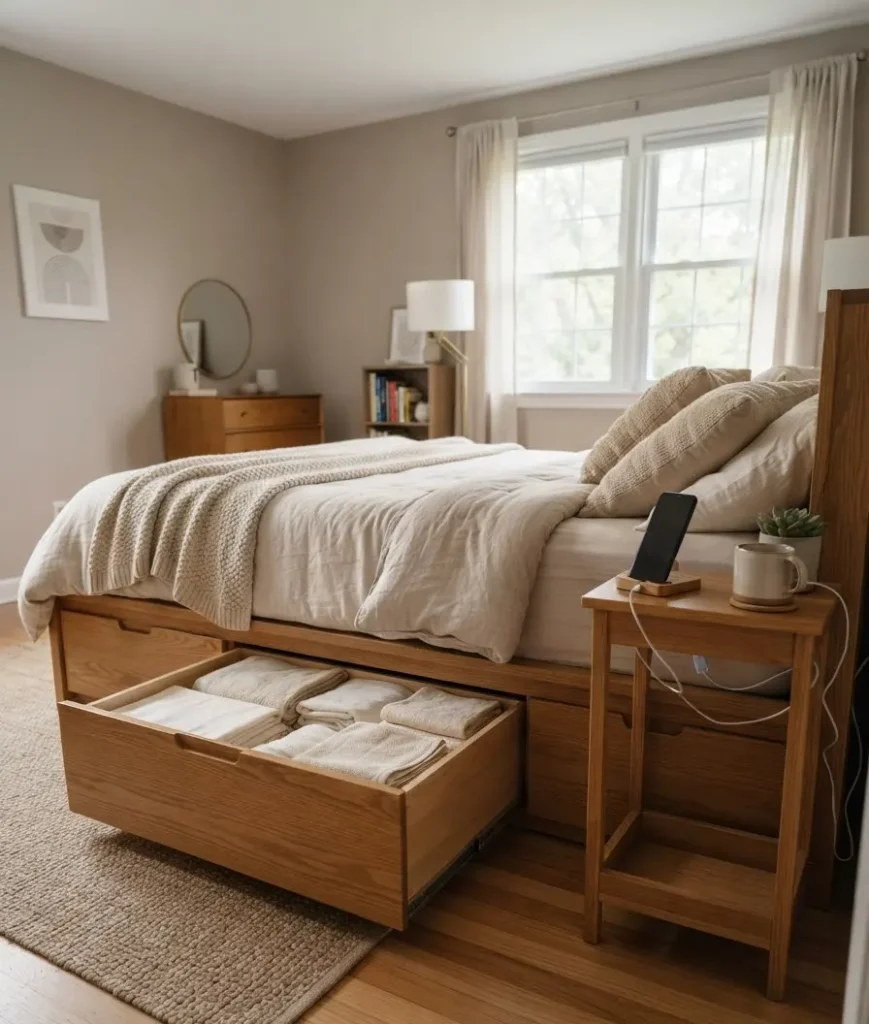
Every piece in a small bedroom should do at least one job well, ideally two. A bed frame with built-in drawers.
A nightstand that also charges your phone. A bench at the foot of the bed that doubles as extra seating and storage.
Multi-functional furniture isn’t a trend, it’s a necessity in small rooms.
I bought an ottoman with hidden storage two years ago, and it holds everything from spare blankets to the box of holiday decorations I never have anywhere else to put.
Scale matters more than you’d think
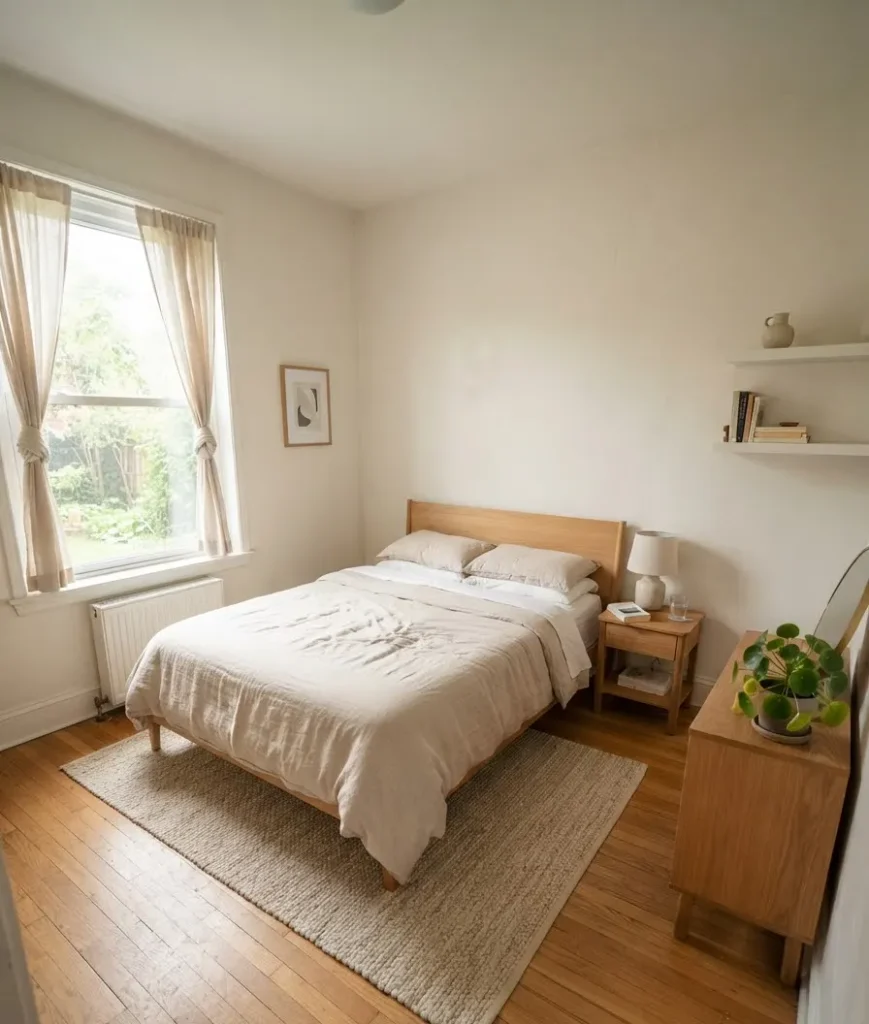
A massive tufted headboard might look glorious in a showroom, but in a 10-foot room,
it eats the whole wall and makes everything else feel like an afterthought.
Choose furniture proportioned to the room, not to what looked good on Instagram.
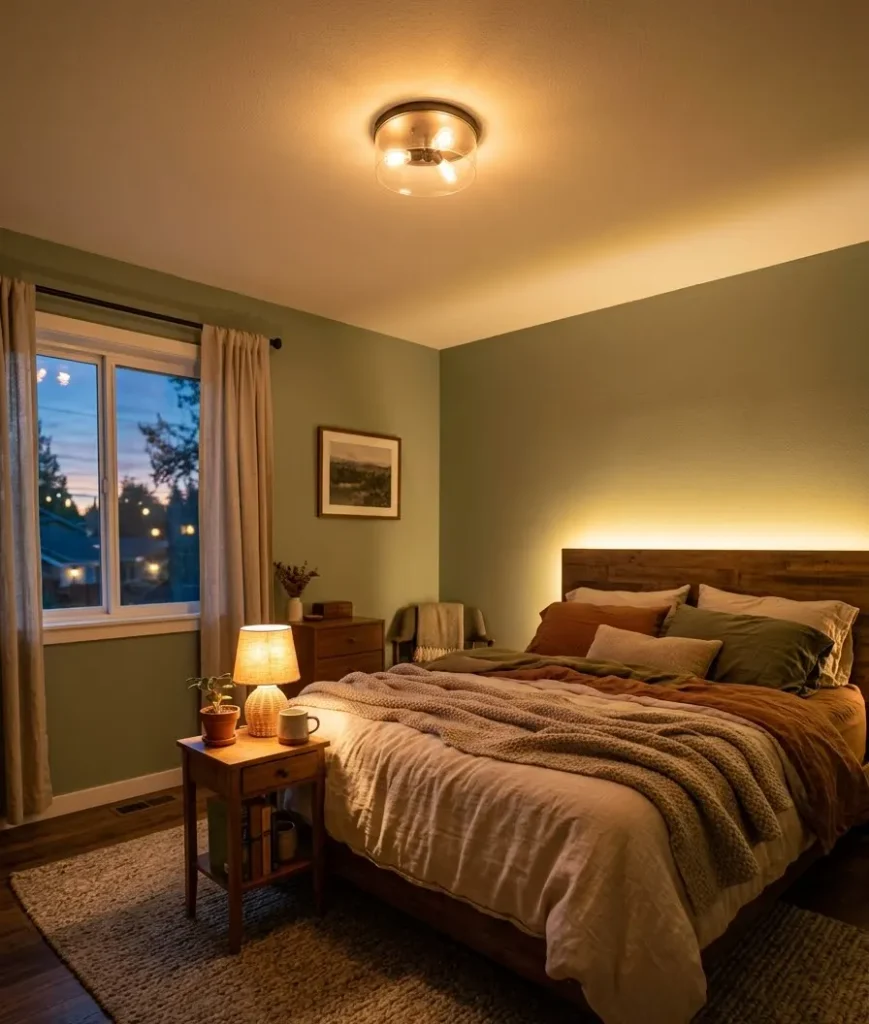
A few scale rules I now follow religiously:
- Leave at least 24 inches of walking space around the bed if possible
- Choose a nightstand no wider than 18 inches for tight layouts
- Skip the oversized dresser; use closet organizers instead
- Pick a rug that extends slightly past the bed frame, not one that floats in the middle
Storage solutions that don’t scream “storage”
Nobody wants their bedroom to look like a warehouse aisle. FYI, good storage in a small bedroom should be nearly invisible.
Vertical space is your best friend
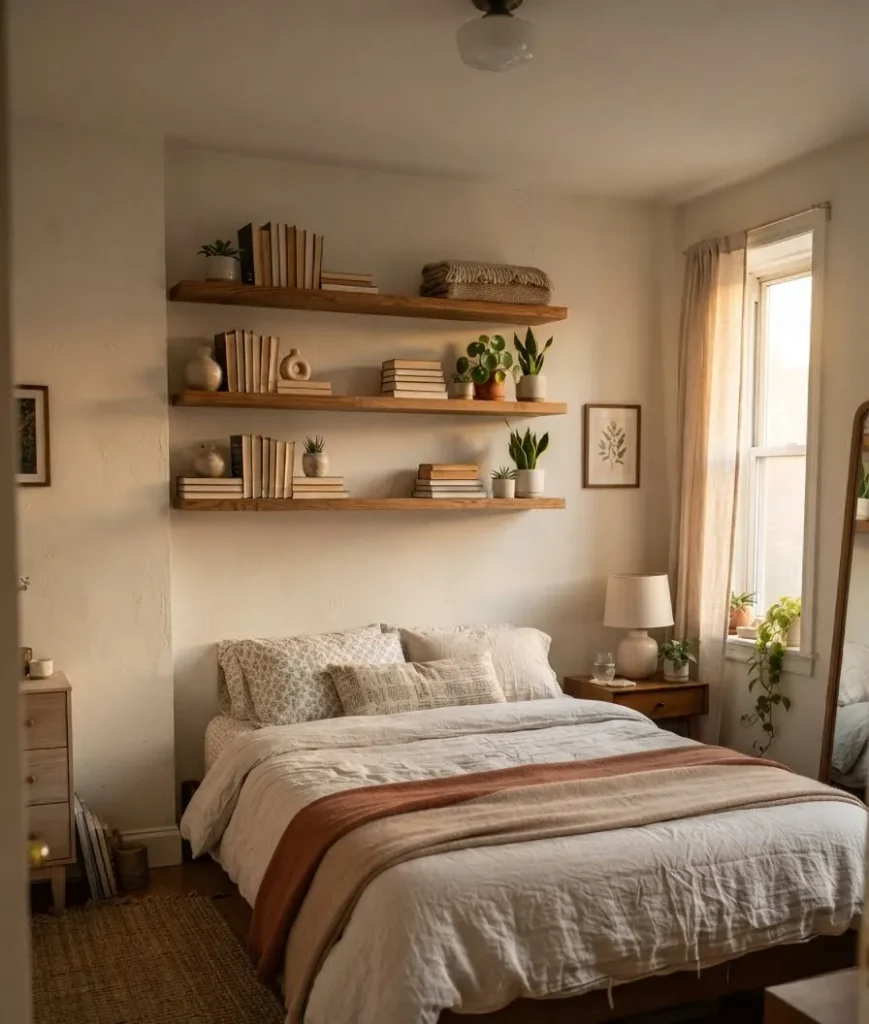
Floor space runs out fast in a small bedroom, but walls rarely do.
Floating shelves above the headboard, a tall narrow bookshelf in the corner, or hooks behind the door all add storage without eating usable floor space.
I added two floating shelves above my bed frame and finally had somewhere to put books that wasn’t the floor next to my bed (a genuine hazard when getting up at 2am for water).
Under-bed storage is underrated
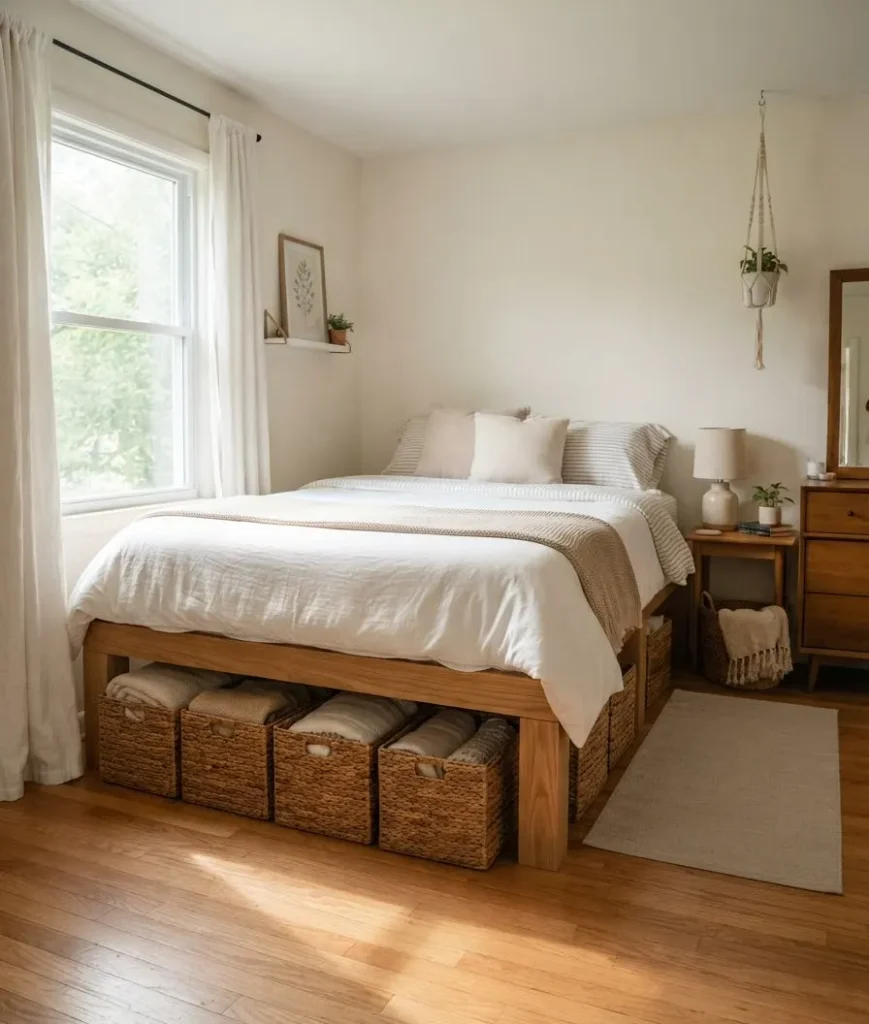
This one’s almost too obvious, but so many people skip it.
Bed risers cost under $20 and instantly create storage space for out-of-season clothes, extra linens, or the shoe collection you’re not ready to admit to.
The Spruce has a helpful breakdown of small-space storage solutions that covers options beyond the usual under-bed bins, including some clever closet hacks I hadn’t considered before.
Lighting: the detail everyone forgets
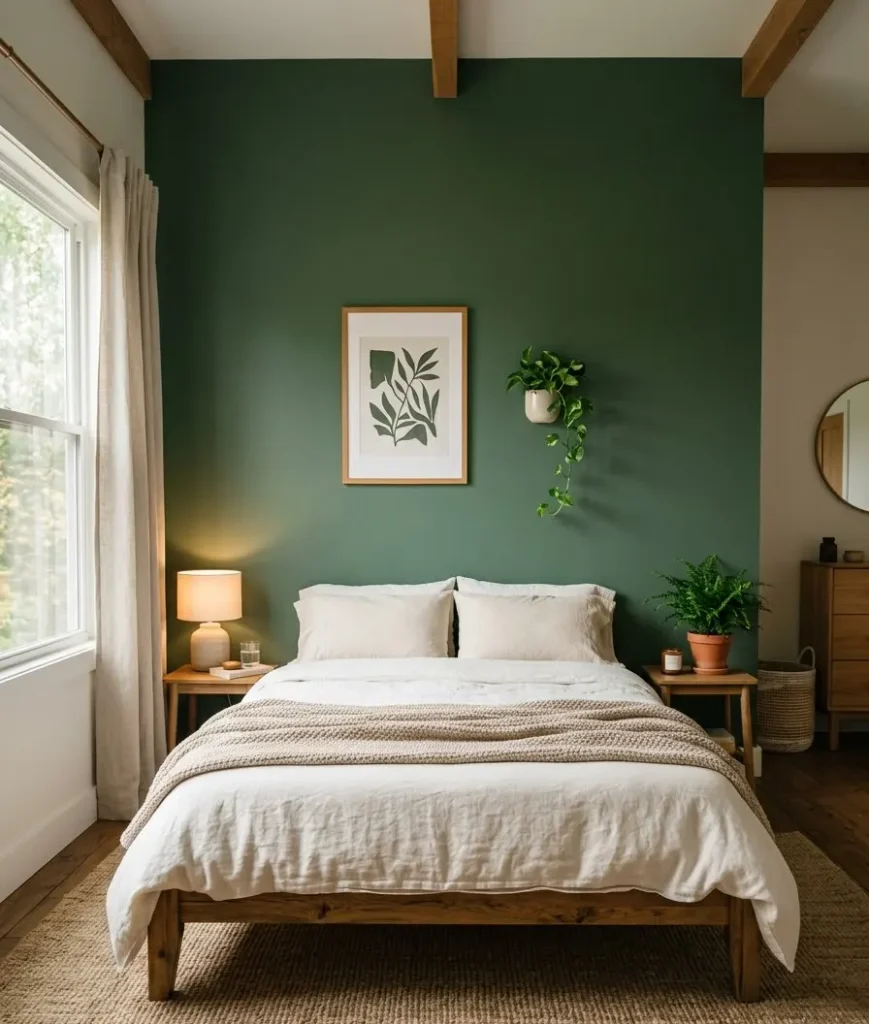
Overhead lighting alone makes a small bedroom feel flat and clinical. Layered lighting makes it feel intentional.
Use at least three light sources
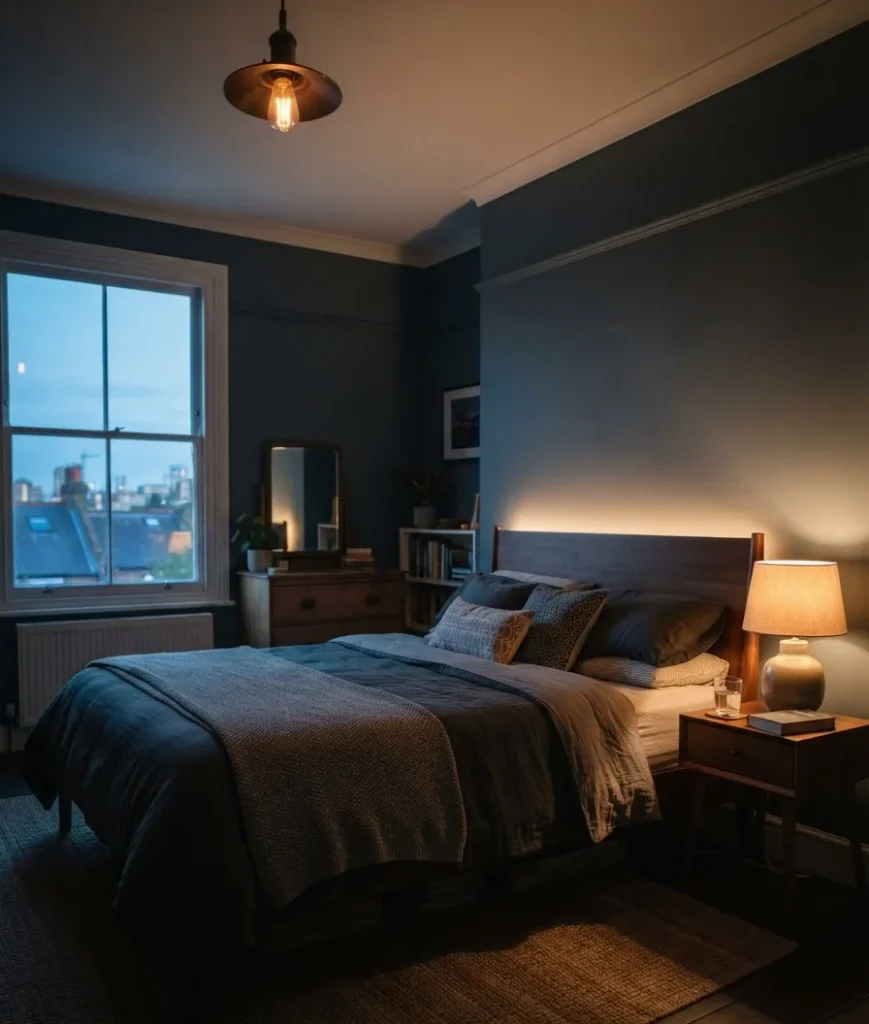
A single ceiling fixture creates harsh shadows and flattens the whole room. Three light sources, at different heights, create depth and warmth instead.
Try combining:
- A dimmable overhead fixture for general light
- A bedside lamp for reading or winding down
- String lights or a small LED strip for ambiance
Honestly, the string lights felt like a college dorm cliché to me at first. I resisted for months.
Then I finally put up a warm-white strip behind my headboard, and the room instantly felt softer in the evening.
Sometimes the cliché exists because it actually works.
Natural light changes everything
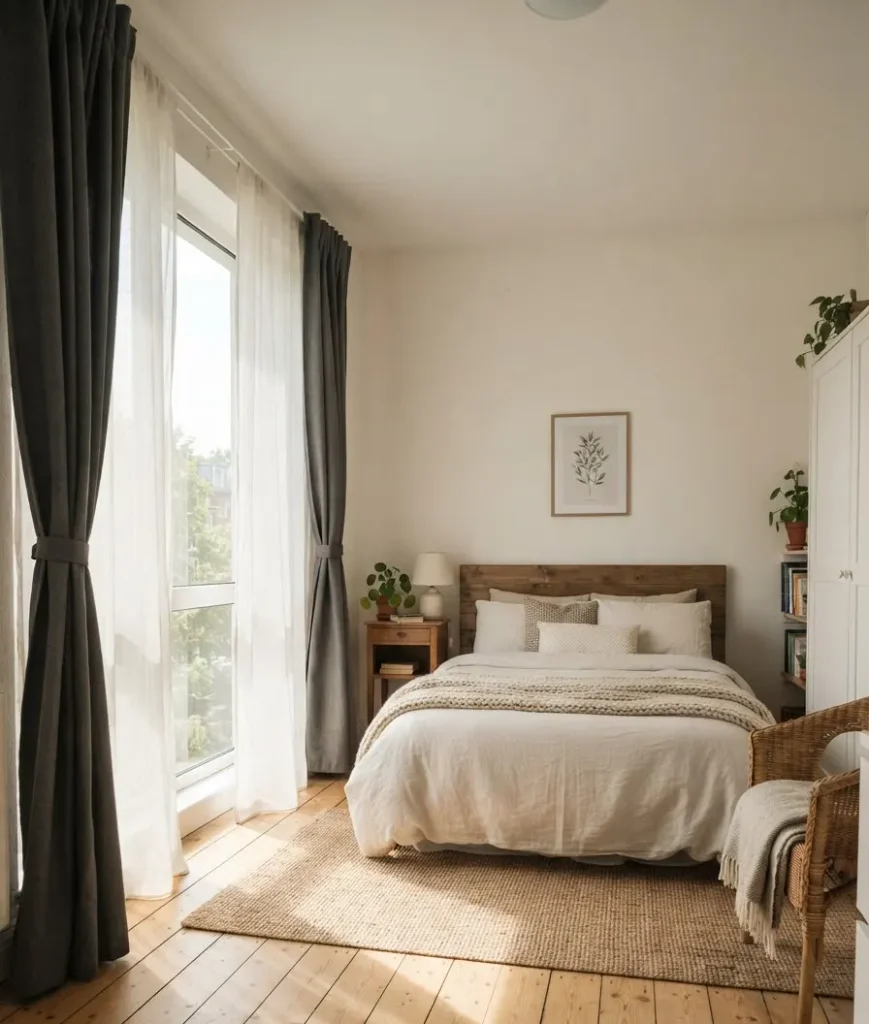
If your small bedroom has a window, don’t block it with heavy furniture or dark curtains.
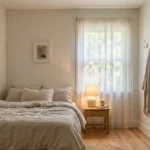
Sheer curtains layered under blackout ones give you flexibility: light and airy during the day, dark and private at night.
Textures and layers make a small room feel finished
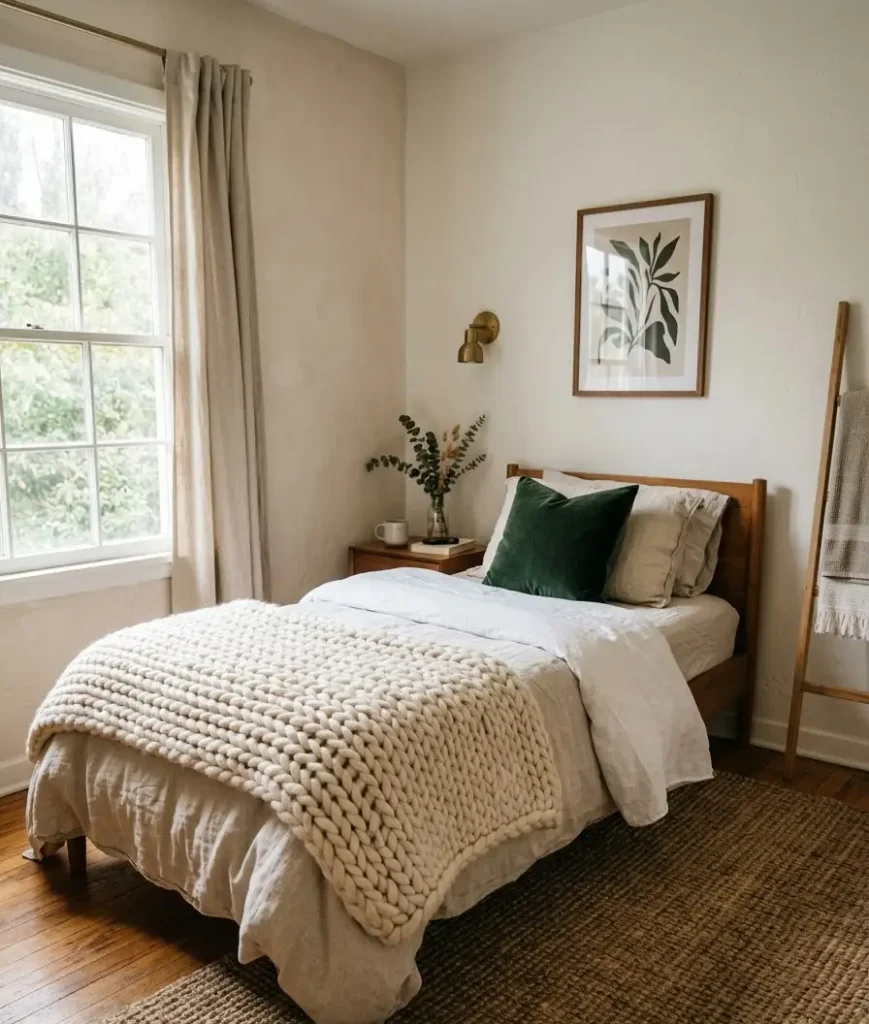
Flat, single-texture rooms feel unfinished no matter how good the color scheme is.
A mix of textures adds richness without adding clutter.
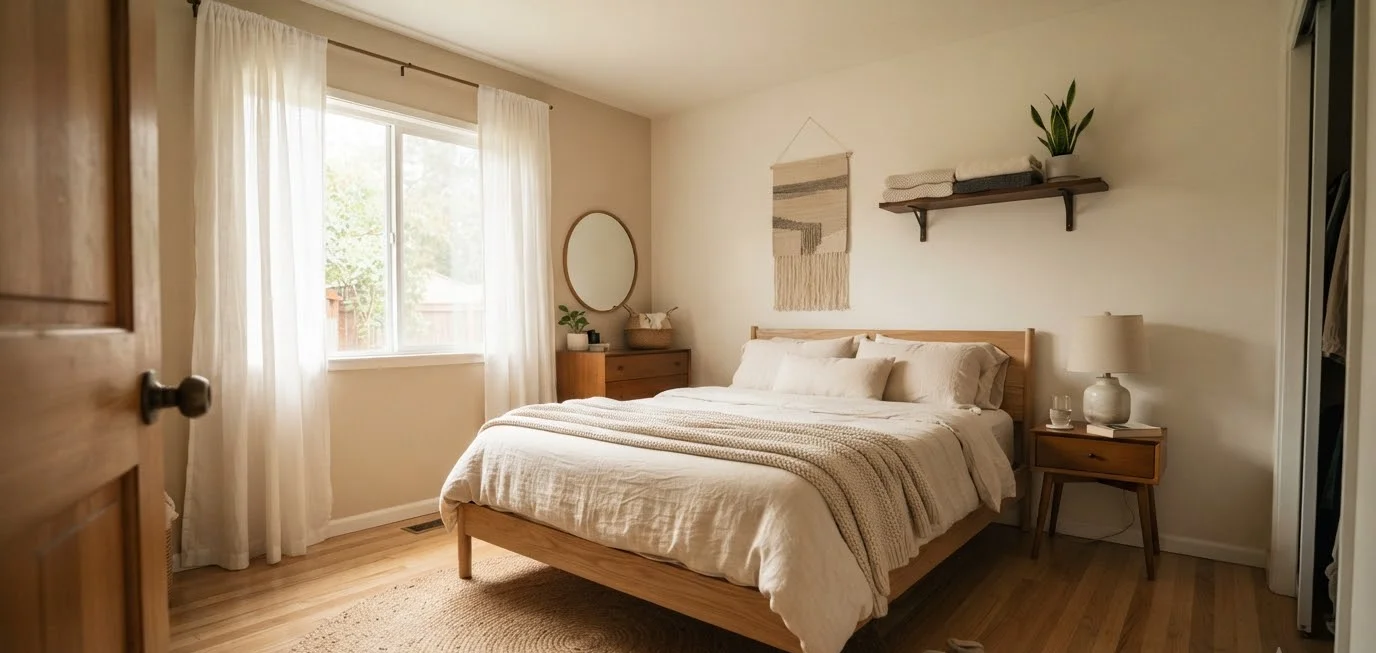
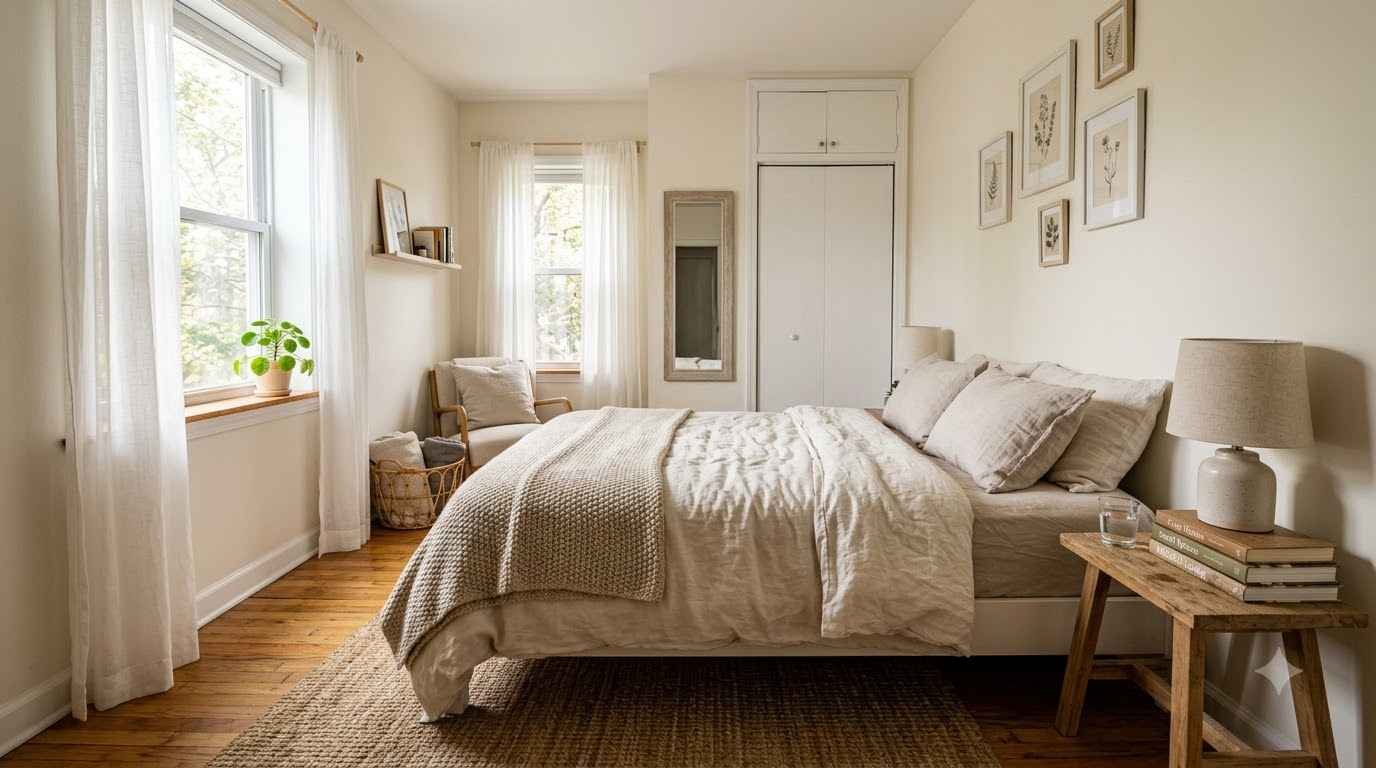
Think about combining a woven jute rug, a knit throw blanket, linen curtains, and a velvet accent pillow.
None of these take up floor space, but together they make the room feel considered rather than sparse.
I’ll be honest, I went a little overboard with throw pillows for a while. My bed had seven of them at one point, and making the bed became a genuine chore every morning.
Three to four pillows is the sweet spot. Trust me on this one.
Mirrors: use them, but use them right
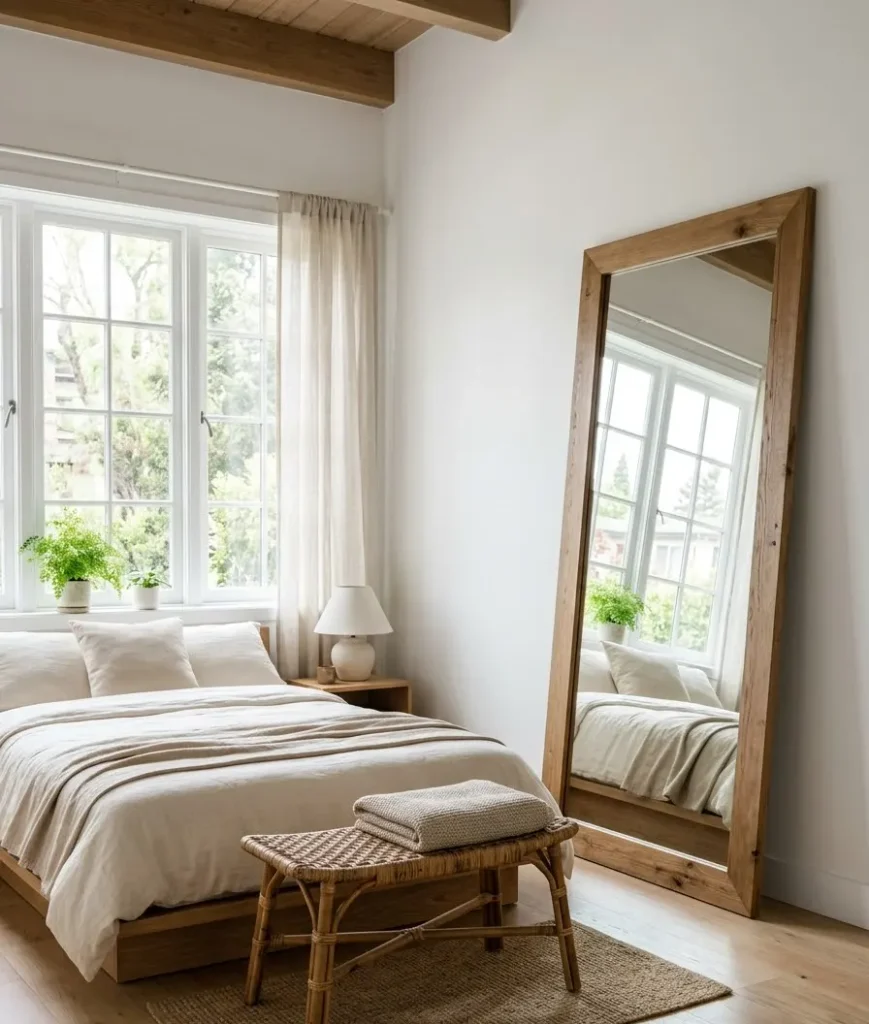
A well-placed mirror bounces light around and adds visual depth to a small bedroom. A poorly placed one just looks like an afterthought propped against the wall.
Place a mirror across from or near a window so it reflects natural light into the room.
A leaning floor mirror in the corner works well too, since it adds height and doesn’t compete for wall space the way a large framed mirror sometimes does.
Keep the visual weight low
This is a trick interior designers use constantly, and it’s not complicated once you see it.
Furniture with visible legs, rather than solid bases touching the floor, makes a room feel more open because you can see floor space underneath.
A bed frame with slim wooden legs instead of a boxy upholstered base. An open-frame nightstand instead of a solid cube.
Small changes, but they add up to a room that breathes instead of one that feels stacked.
A personal styling checklist that actually helped
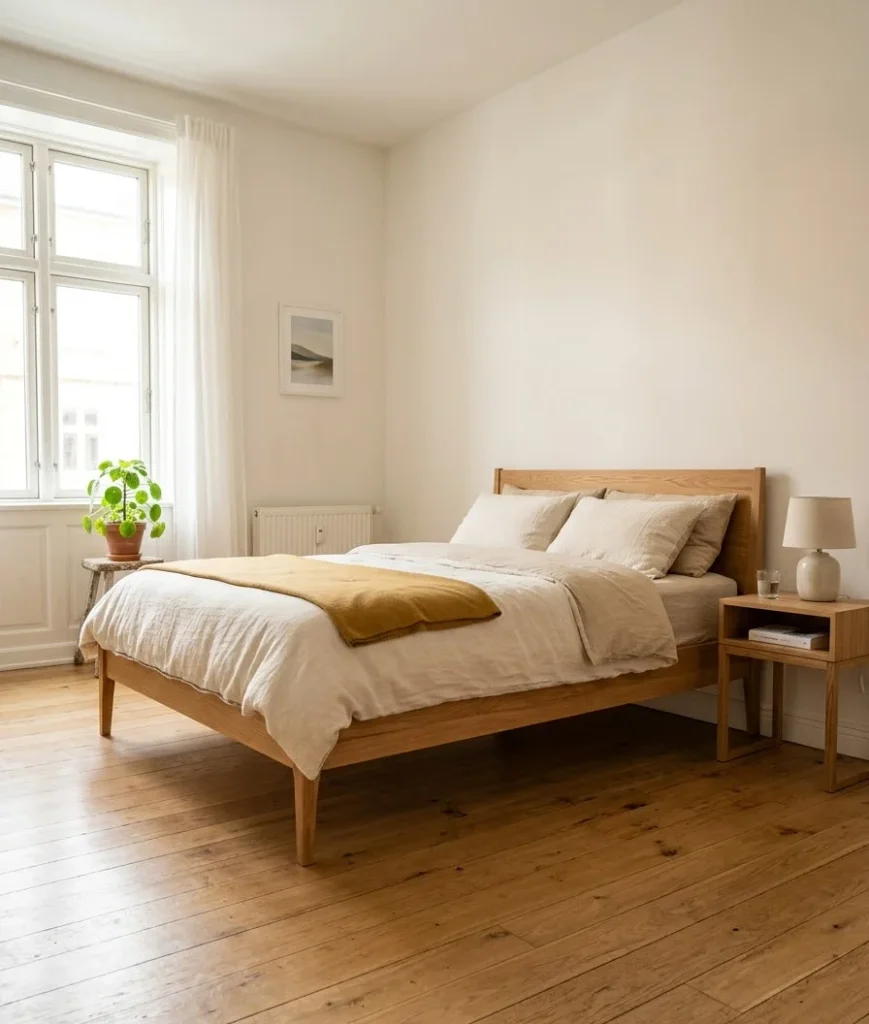
After redoing three small bedrooms over the years (mine, my sister’s, and a guest room that somehow always ends up as a catch-all), here’s the checklist I run through every time:
- Pick a neutral base color, add one accent wall max
- Choose two to three multi-functional furniture pieces
- Add vertical storage before buying more floor furniture
- Layer at least three light sources
- Mix in three to four textures through textiles
- Place one mirror strategically near natural light
- Edit, then edit again; remove one item if the room feels crowded
That last point is the one people skip most often. Sometimes the best design move in a small bedroom isn’t adding something. It’s taking something away.
Frequently asked questions
What colors make a small bedroom look bigger? Soft whites, warm greiges, and pale sage tend to work best because they reflect light rather than absorbing it.
Bold, dark colors can still work, but they’re safest on a single accent wall rather than all four.
Is a small bedroom bad for feng shui or energy flow? Not inherently. A cluttered small bedroom disrupts flow far more than square footage does.
Keep pathways clear, especially around the bed, and the room will feel balanced regardless of size.
Should I skip a rug in a small bedroom to save space? Not usually. A well-sized rug actually helps define the space and adds warmth underfoot.
Just size it so it extends slightly beyond the bed frame rather than floating awkwardly in the middle of the floor.
Final thought
A small bedroom isn’t a design limitation, it’s a design challenge, and honestly, those are the ones that push you to get creative.
My 9×10 room taught me more about proportion, color, and restraint than any larger space ever has.
Start with one change this weekend. Maybe it’s the paint, maybe it’s finally buying that under-bed storage you’ve been putting off.
What’s the first thing you’re changing in your space? Drop it in your notes, save this for later, and go make that tiny room feel like it was made for you.