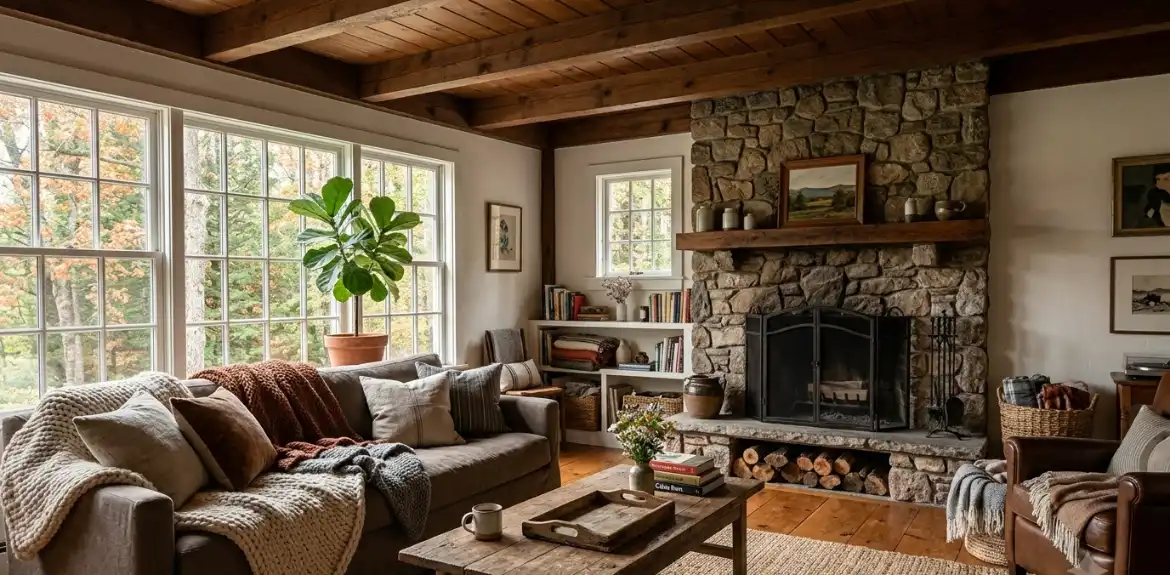
I redid my living room three times before it finally felt right. Not because I bought the wrong sofa or picked a bad paint color.
The problem was flatness. Everything matched too well, and the room had zero personality.
That’s the thing nobody tells you about rustic decor. It’s not about buying “farmhouse” labeled stuff off a shelf.
It’s about mixing materials that shouldn’t work together on paper, but somehow do.
Rough wood next to a soft wool throw. A worn leather chair beside a linen curtain.
That contrast is where the magic lives, and honestly, once you see it, you can’t unsee it.
If you’re pinning rustic living rooms and wondering why yours still looks like a catalog page instead of a home, this list is for you.
I’m walking through 21 ways to layer wood and texture so your space feels collected over years, not bought in one Target run.
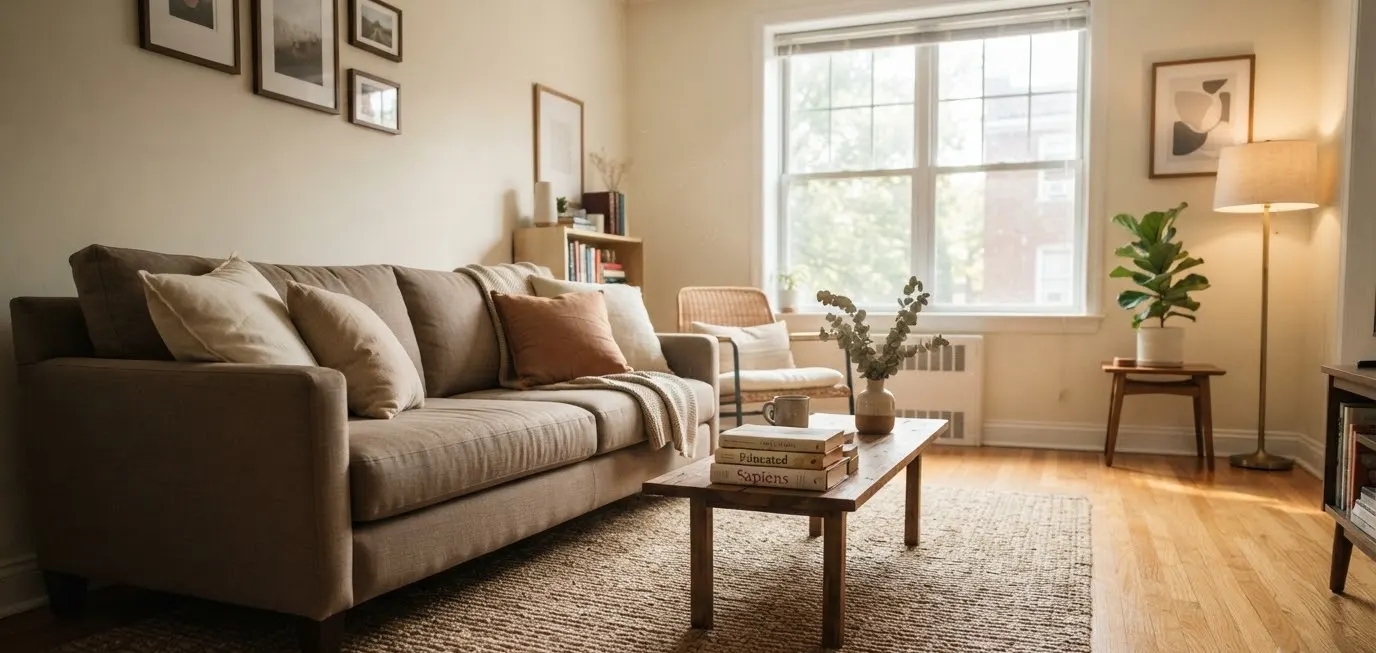
Why Texture Matters More Than Color in Rustic Design
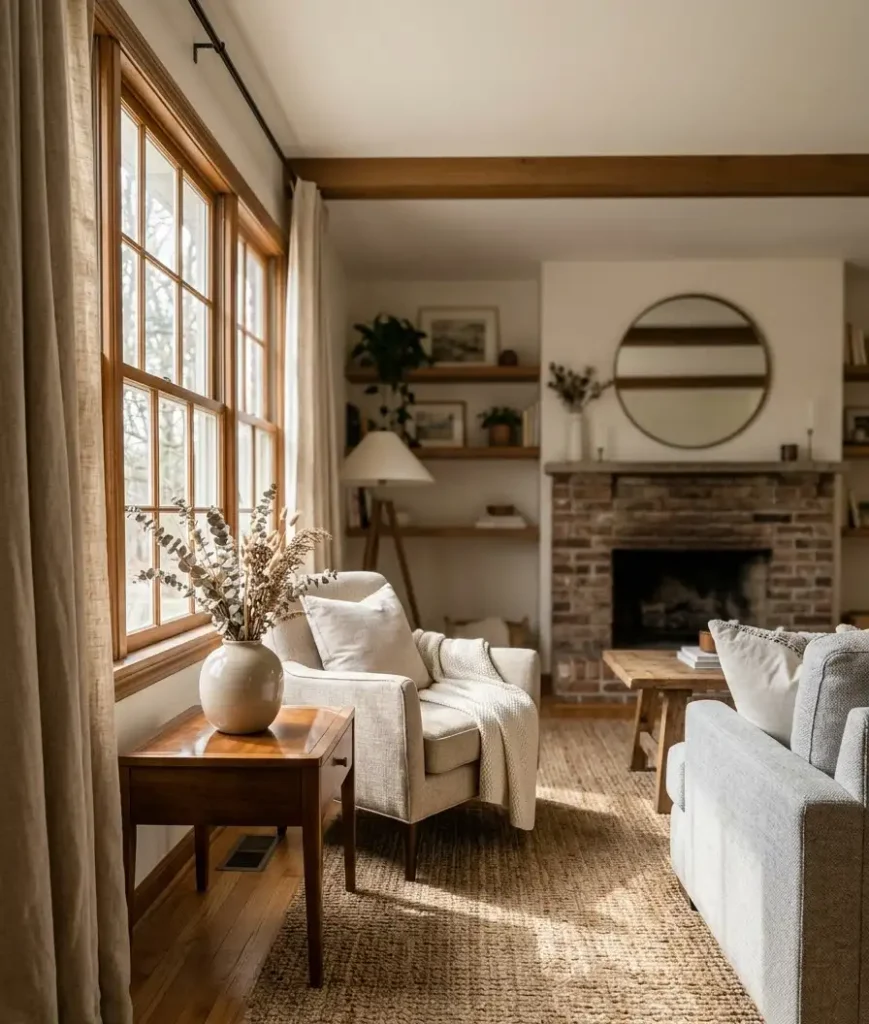
Most people obsess over paint swatches. I get it, color feels like the safe place to start.
But a room with one flat texture, even in a gorgeous color, reads cold no matter what.
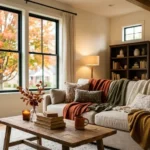
Texture is what your hand notices before your eye does. A chunky knit throw.
A rough jute rug. Smooth ceramic against a rustic wood mantel. Designers at Ideal Home put it well when they explained how layering contrasting textures in a room adds depth and stops a space from feeling one dimensional, and that’s exactly the effect you want in a rustic living room.
Here’s my personal rule: if you can’t tell what a room feels like from a photo, the texture is doing its job.
1. Pick One Dominant Wood Tone First
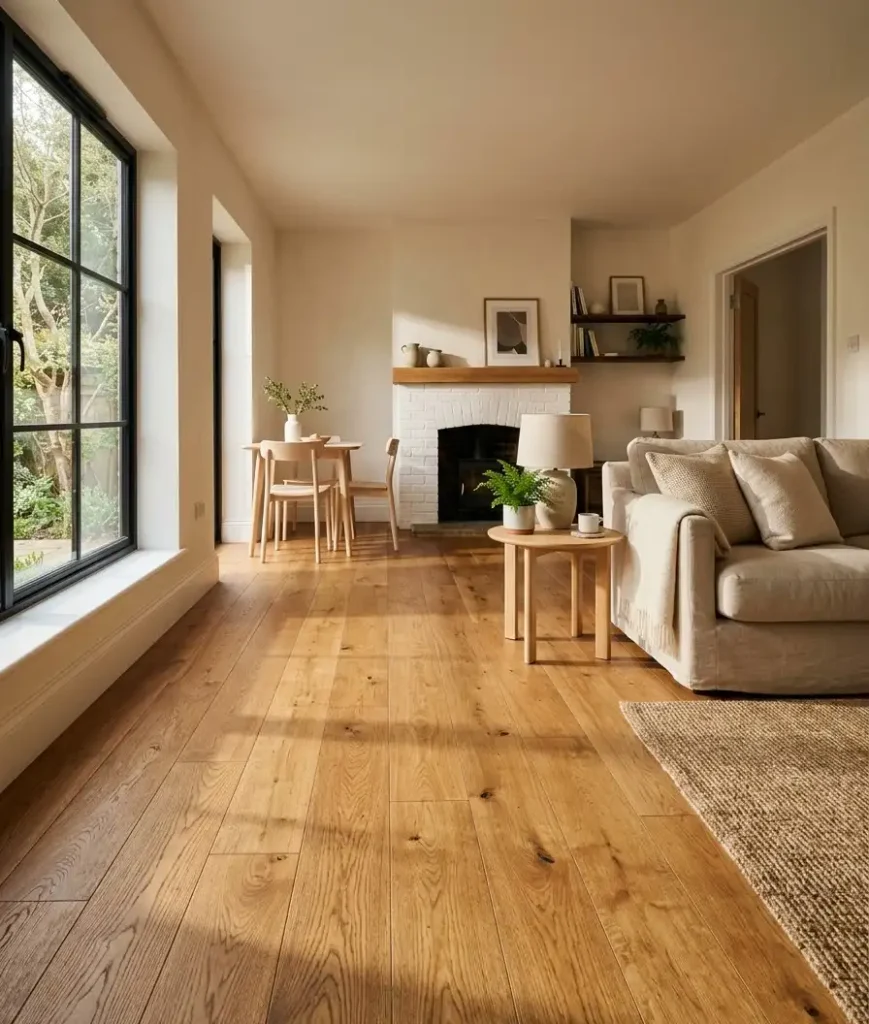
Before you add a single accent piece, figure out your anchor wood. This is usually your floor, or the biggest furniture piece in the room.
I made the mistake of buying furniture first and matching flooring later. Huge headache. Start with what’s already permanent, then build around it.
2. Layer at Least Three Wood Tones
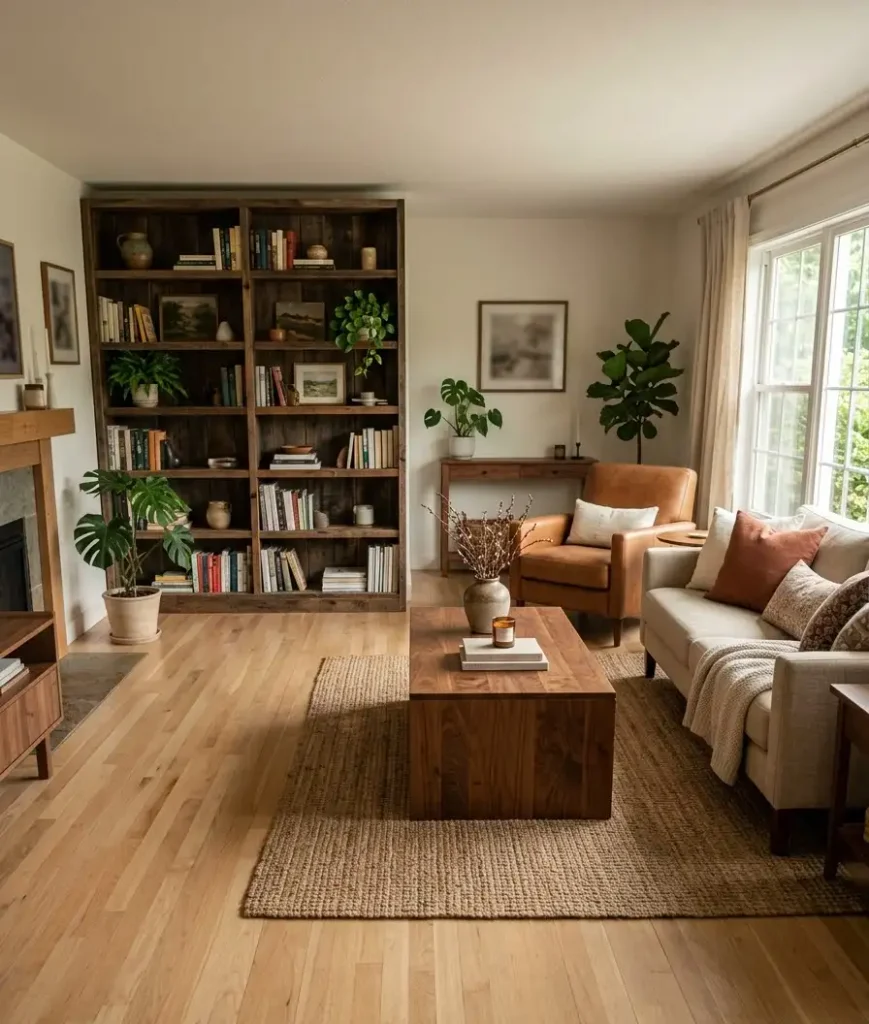
Once you have your anchor, add two more wood tones that complement it. A light oak floor, a medium walnut coffee table, and a darker reclaimed wood shelf can sit in the same room without clashing, as long as the undertones line up.
Sotheby’s design team notes that combining wood with the same undertones keeps a room feeling harmonious, while mixing warm and cool undertones can look disjointed if you’re not careful.
3. Match Undertones, Not Shades
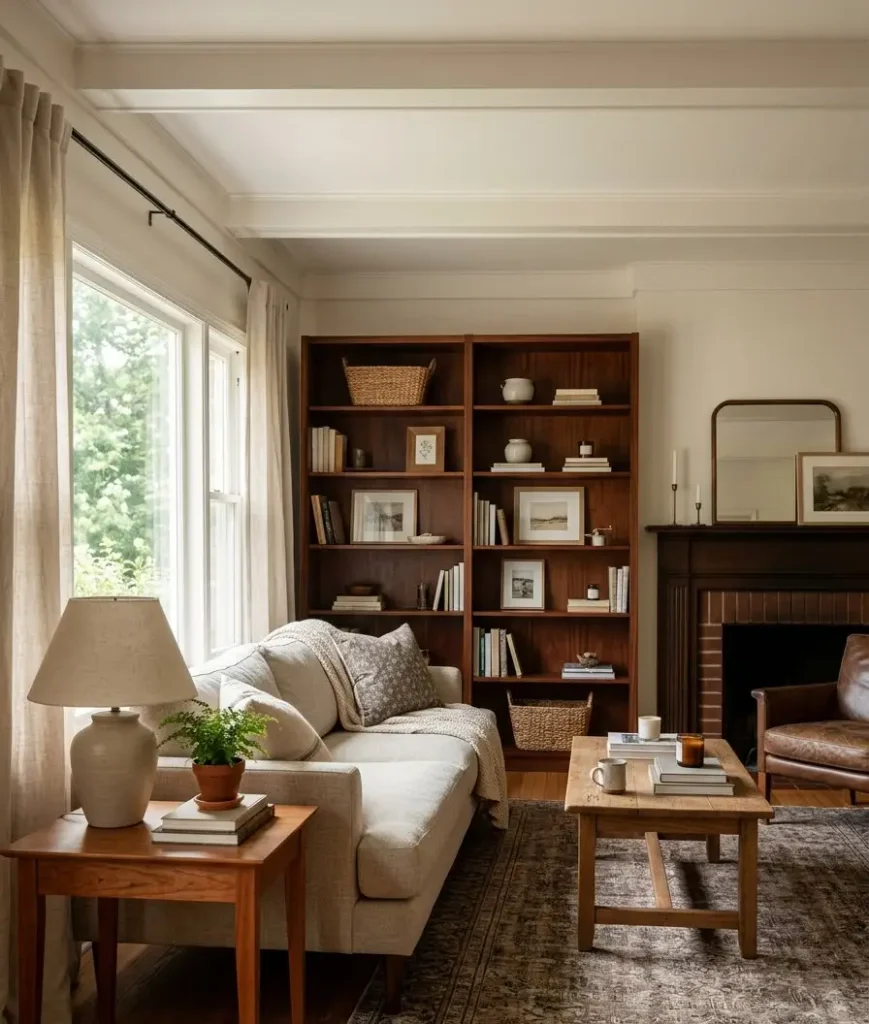
This trips up almost everyone. You don’t need identical wood colors. You need consistent undertones, meaning warm woods paired with warm woods, or cool paired with cool.
Cherry, hickory, and mahogany share warm undertones. Ash, pine, and maple lean cooler. Mixing across those groups can work, but it takes a more careful eye.
4. Use a Rug to Bridge Wood Tones
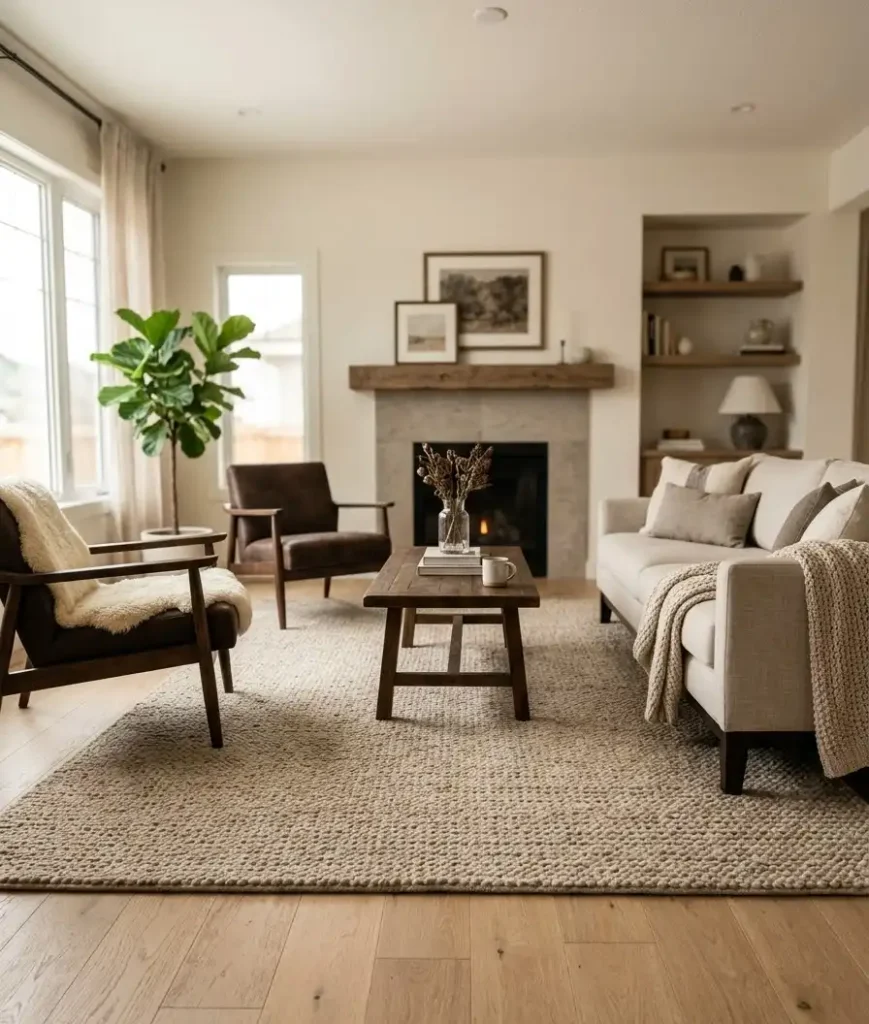
If your wood pieces feel slightly off from each other, a rug
fixes it fast. It gives all the furniture legs a shared visual base, which softens any tension between tones.
Havenly’s design team calls this one of the simplest fixes for a room where every piece of wood is the same tone, or conversely, where the tones feel scattered with nothing tying them together.
5. Bring in Reclaimed or Distressed Wood
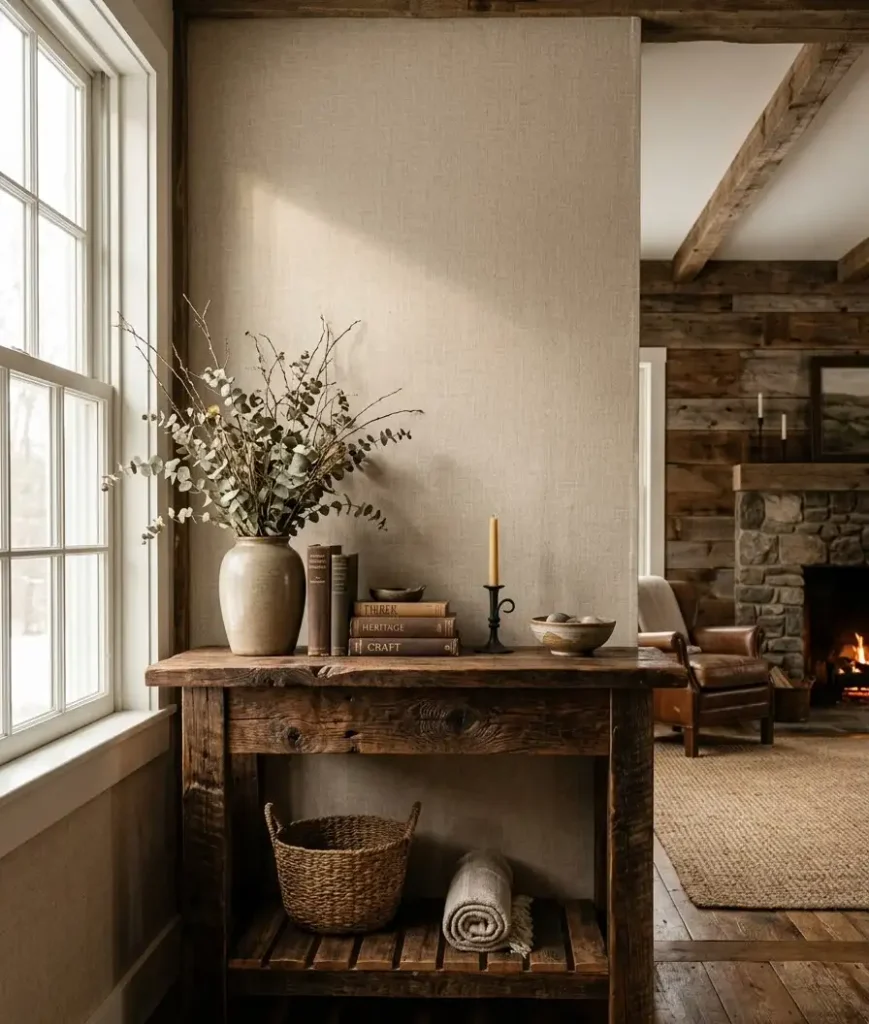
Nothing says rustic quite like wood that already has a story. Scratc
hes, knots, worn edges, all of it adds character that brand new furniture just can’t fake.
I bought a reclaimed barn wood console table years ago and it’s still my favorite piece. Every dent has a reason to be there, even if I’ve forgotten what caused half of them.
6. Add a Wood Beam or Mantel Detail
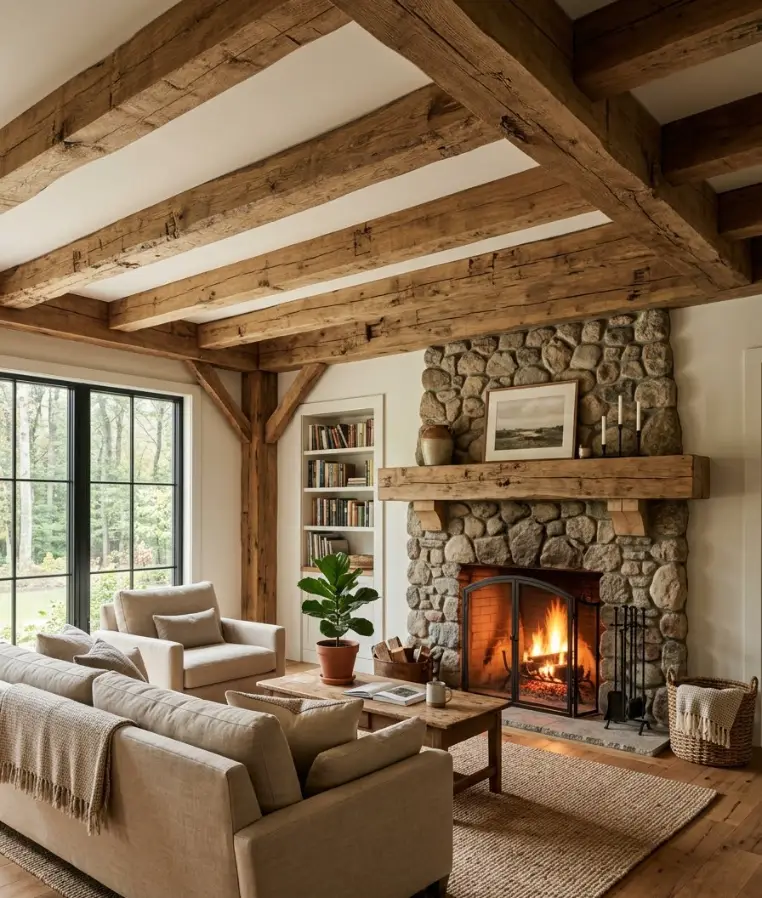
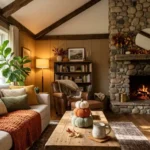
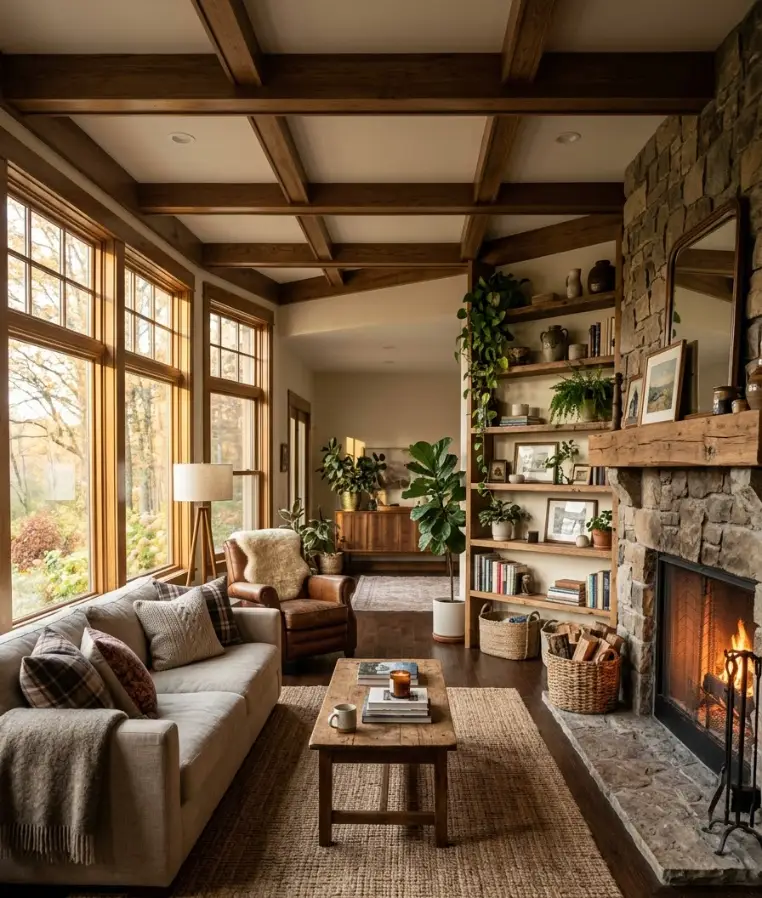
If your budget allows any structural change, a wood beam across the ceiling or a chunky mantel above the fireplace instantly sets a rustic tone.
It doesn’t need to be huge. Even a single beam changes how the whole ceiling reads.
7. Contrast Rough Wood With Smooth Textiles
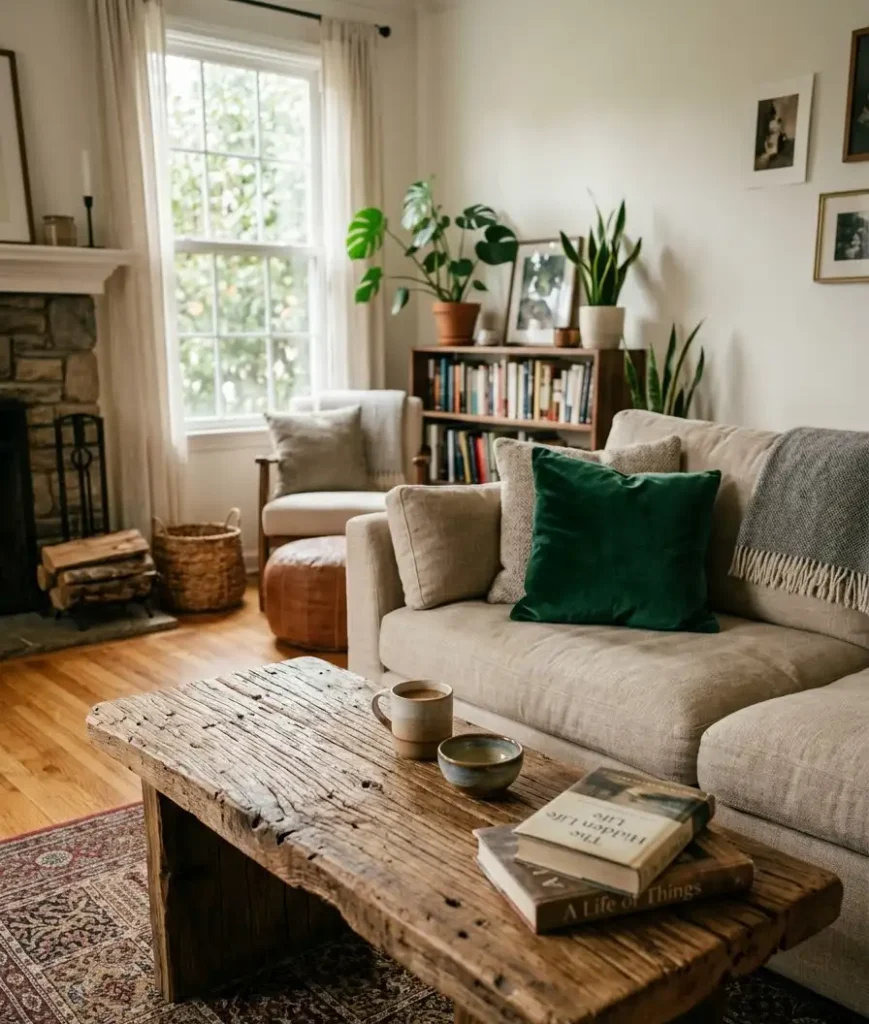
Pair a rough-hewn wood coffee table with a smooth velvet throw pillow.
The contrast between raw and refined is what makes rustic-cozy work instead of rustic-cabin-in-the-woods.
8. Start With a Neutral Base for Textiles
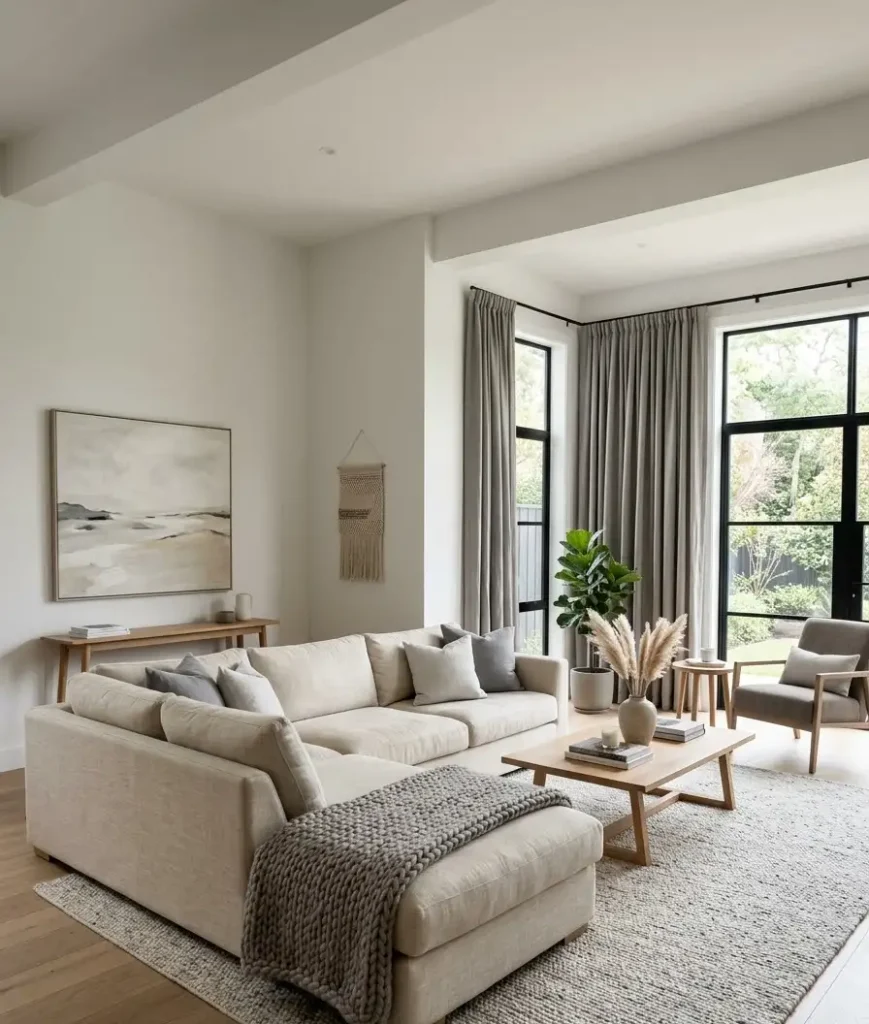
Before piling on patterns, ground the room in a neutral palette. Warm creams, soft grays, muted greens.
This gives you room to layer bolder textures without the whole space turning chaotic.
9. Mix Matte and Glossy Finishes
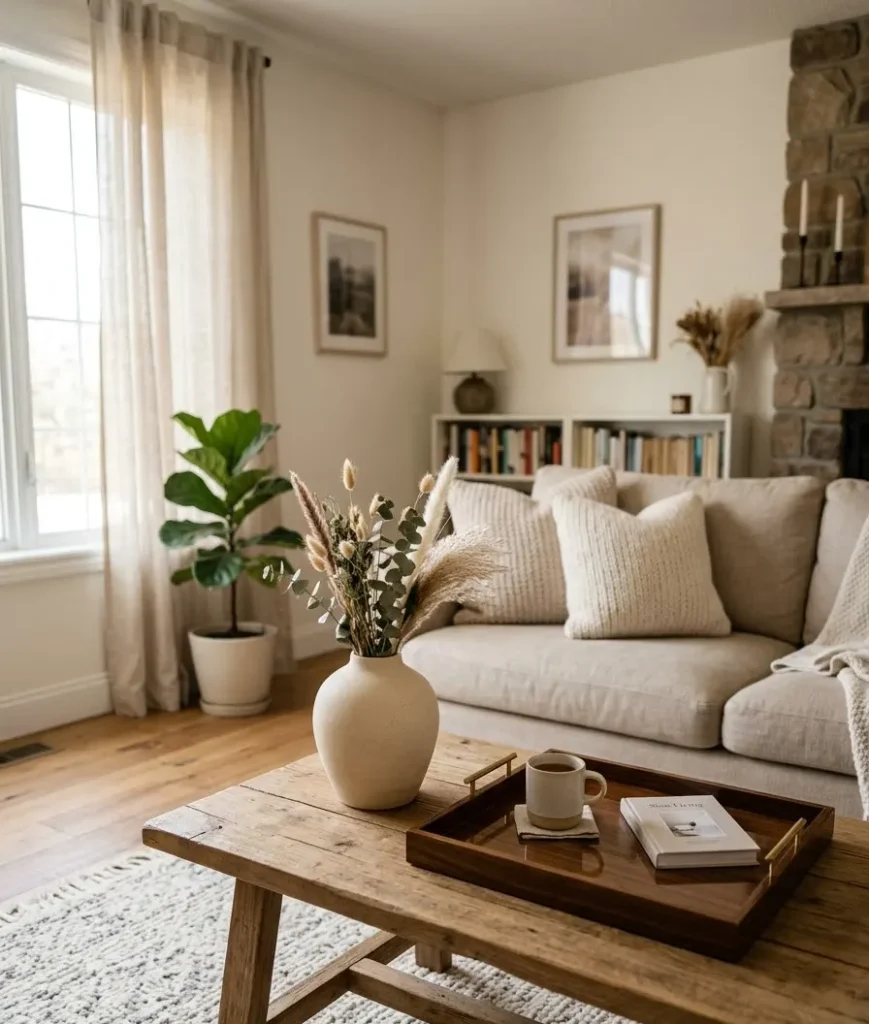
A matte ceramic vase next to a glossy lacquered tray creates instant visual interest.
Rustic doesn’t mean everything has to be dull. A little shine, used sparingly, actually makes the matte pieces stand out more.
10. Layer Rugs for Depth
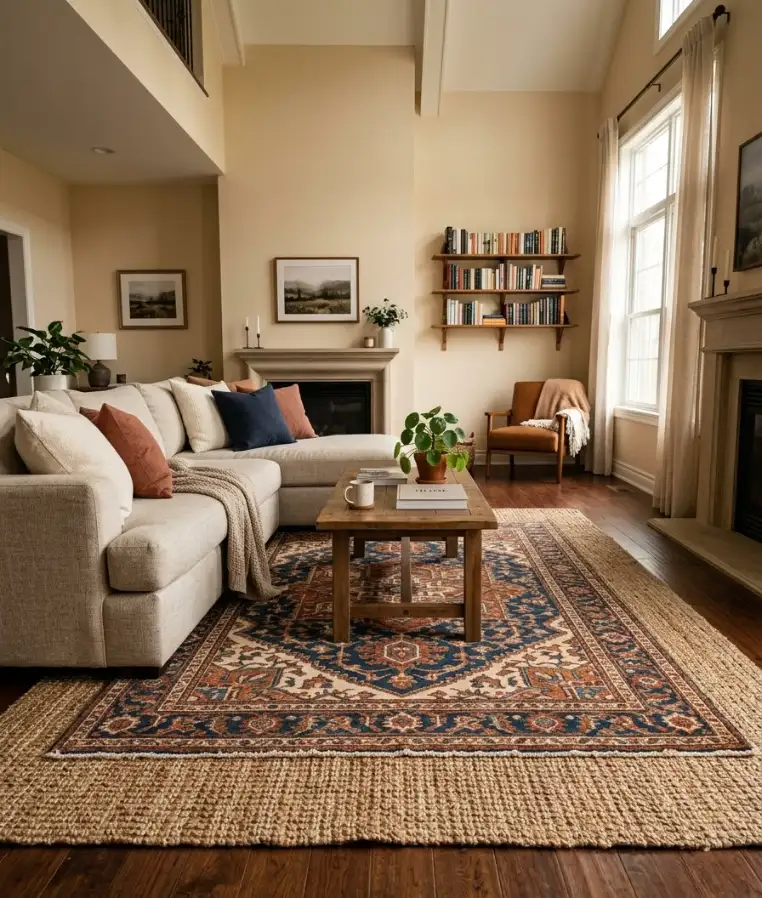
One rug is fine. Two rugs, layered with a smaller patterned one over a larger neutral base, adds a designer touch that costs almost nothing extra.
Jute under, wool or a vintage-style rug on top, works especially well in rustic spaces.
11. Bring in Woven Baskets
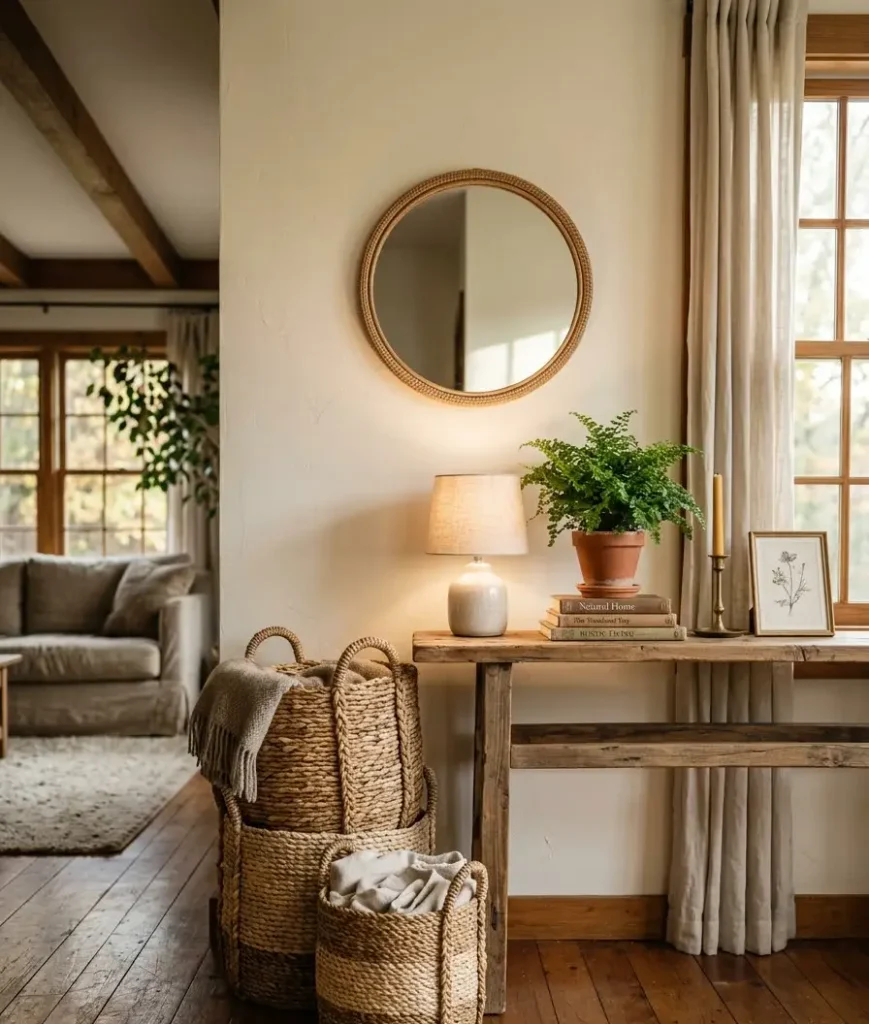
Baskets aren’t just storage. They’re texture. A stack of woven baskets by the fireplace or under a console table adds warmth without adding clutter, and honestly, they hide the remote control chaos better than any drawer ever will.
12. Choose Chunky Knit Throws Over Thin Ones
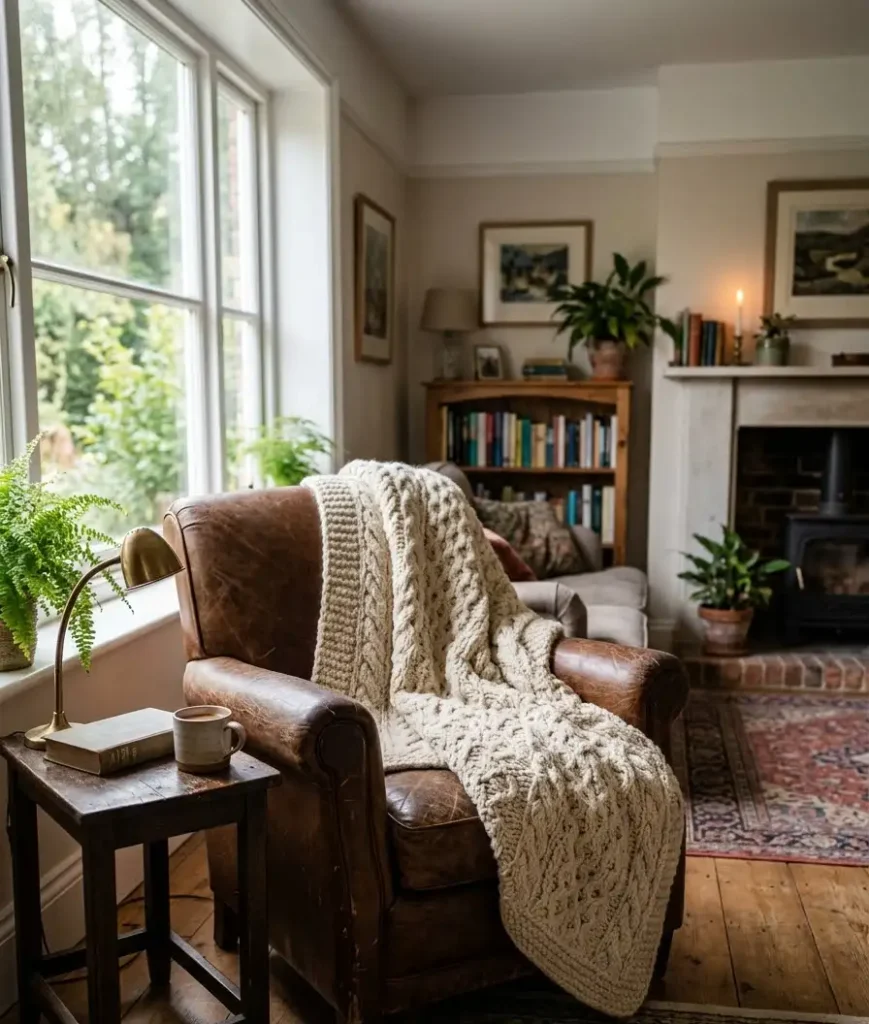
A thin fleece blanket doesn’t do the texture job. Go for a chunky knit, something with visible loops and heft.
It photographs well and it actually feels good draped over a worn leather chair.
13. Add Linen Curtains for Softness
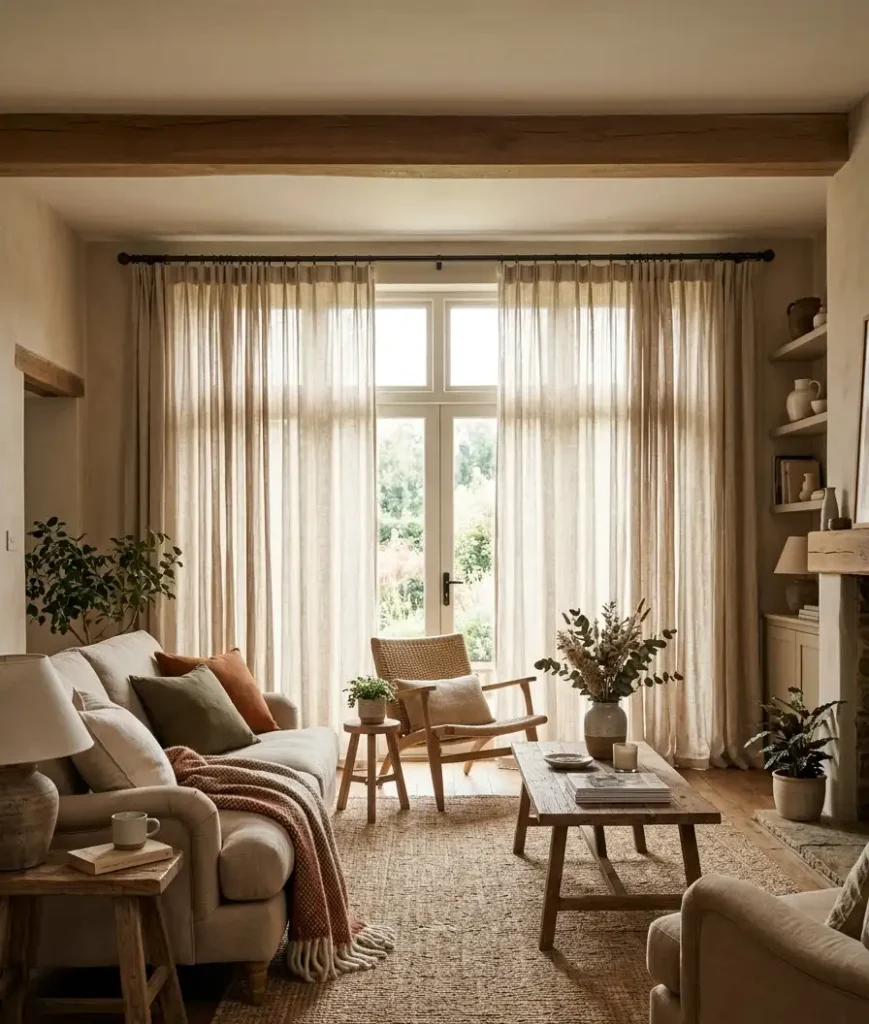
Linen has this slightly imperfect drape that fits rustic spaces better than crisp, formal drapery ever could.
Wow, the difference in a room once you swap out heavy blackout curtains for a lighter linen panel is honestly kind of shocking.
14. Use Stone or Brick as a Texture Anchor
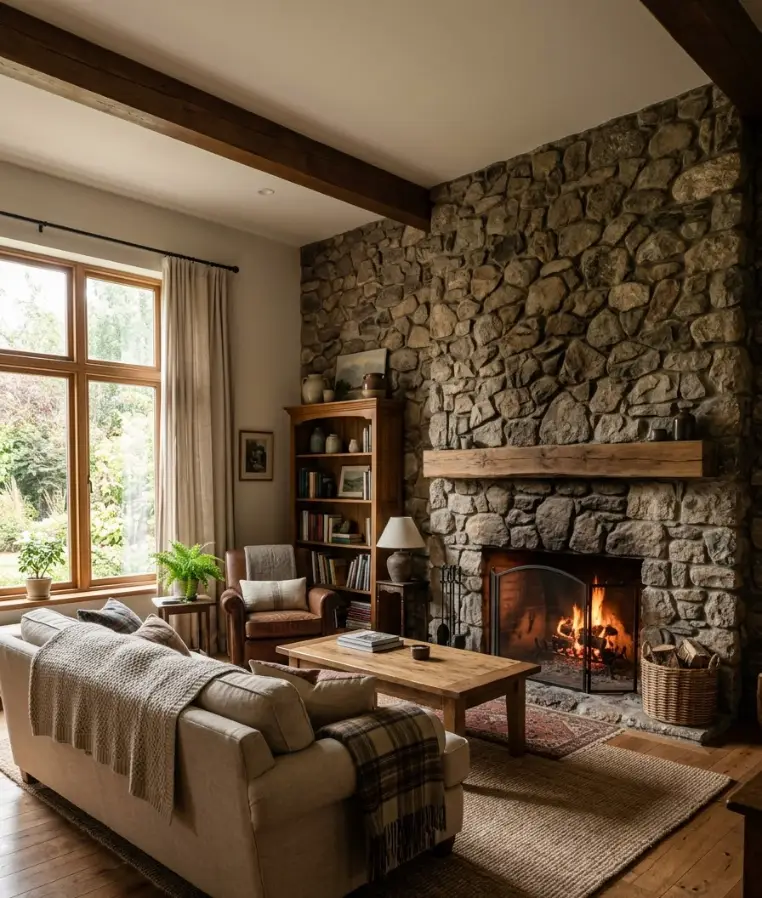
If you have an existing brick fireplace or stone accent wall, don’t fight it. Lean into it. Pair rough stone with warm wood tones and soft textiles for balance.
15. Mix Metal Finishes Sparingly
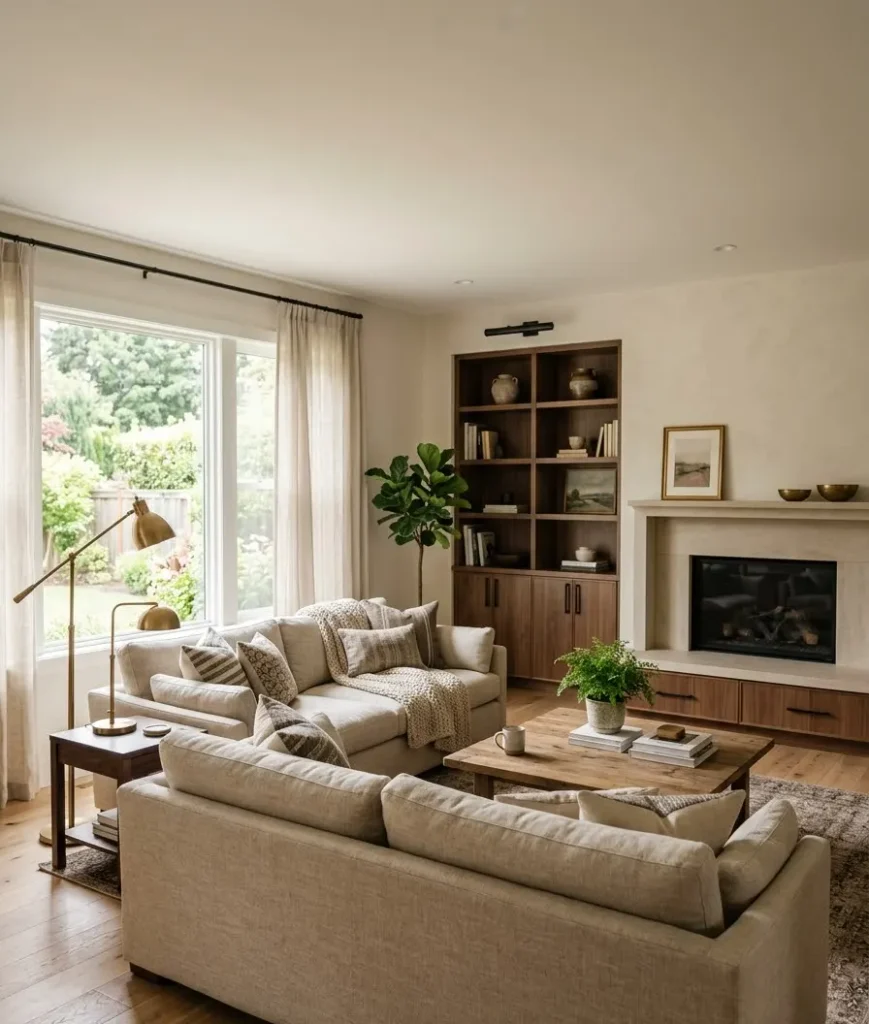
Aged brass, matte black, and brushed nickel can all live in the same room if you’re intentional.
Pick one dominant metal finish and let the others show up as small accents only.
16. Bring in Live Edge Furniture
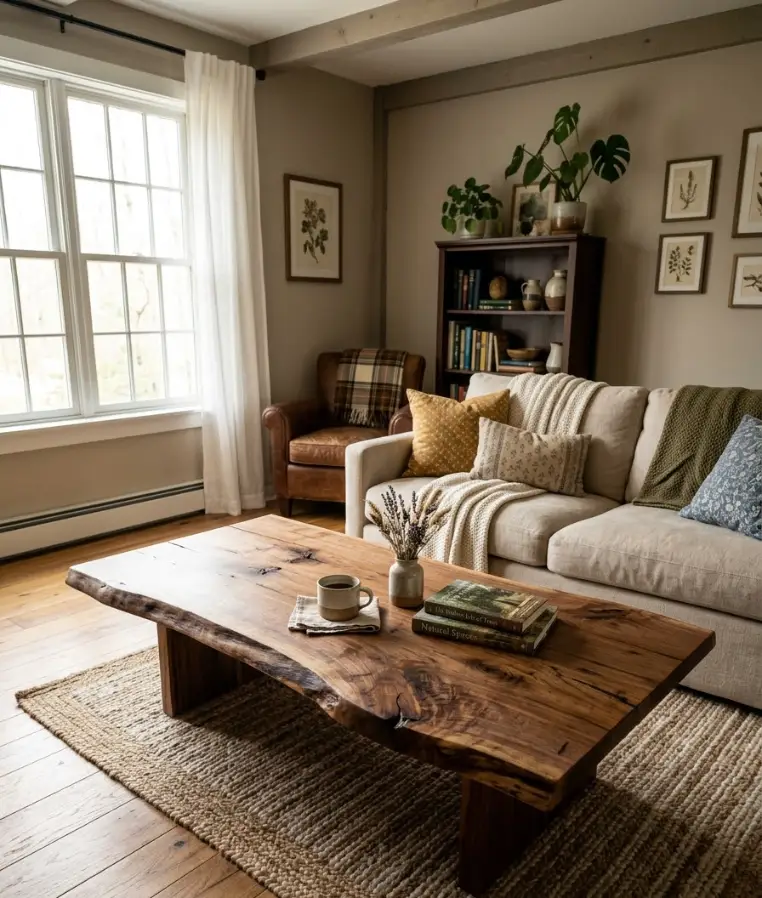
A live edge wood slab, whether it’s a coffee table or a shelf, keeps the natural grain and irregular border of the tree intact.
It’s one of the fastest ways to make a room feel rustic without trying too hard.
17. Layer Throw Pillows in Different Fabrics
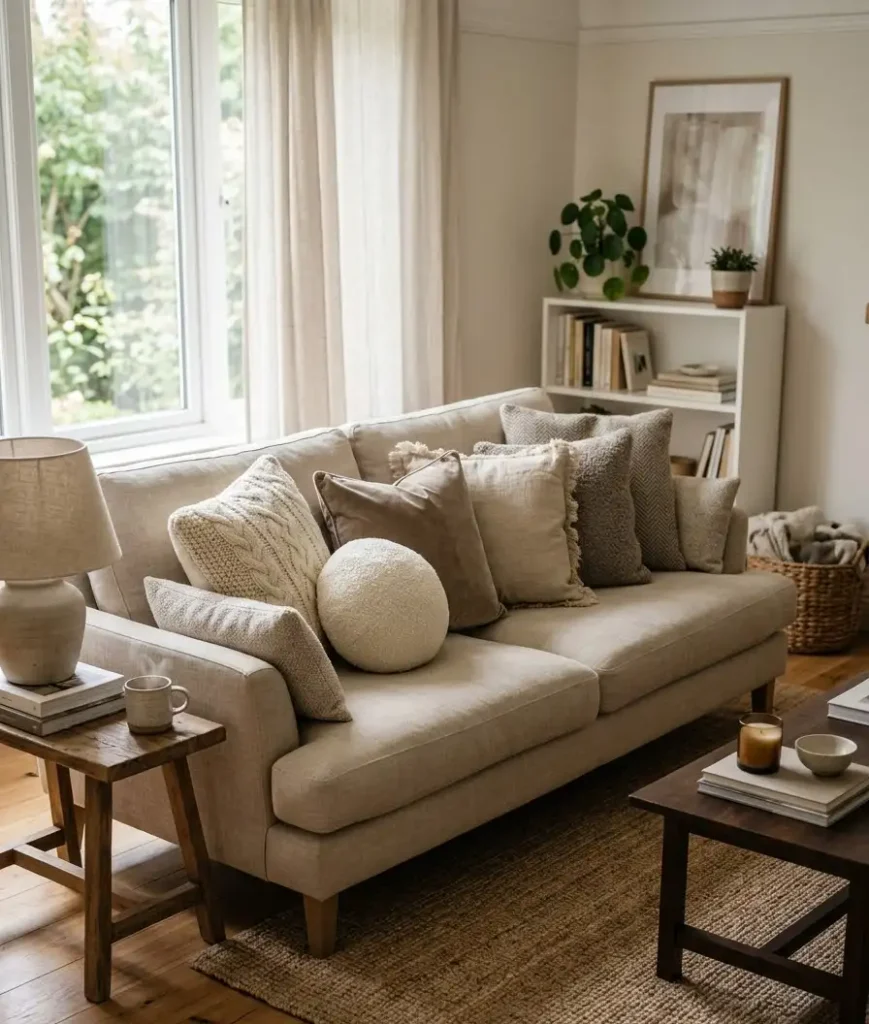
Velvet, linen, wool, boucle. Mixing pillow fabrics on one sofa creates the collected-over-time look that rustic-cozy rooms need.
Don’t match them perfectly. A little imperfection here is the whole point.
18. Add Vertical Texture With Wall Treatments
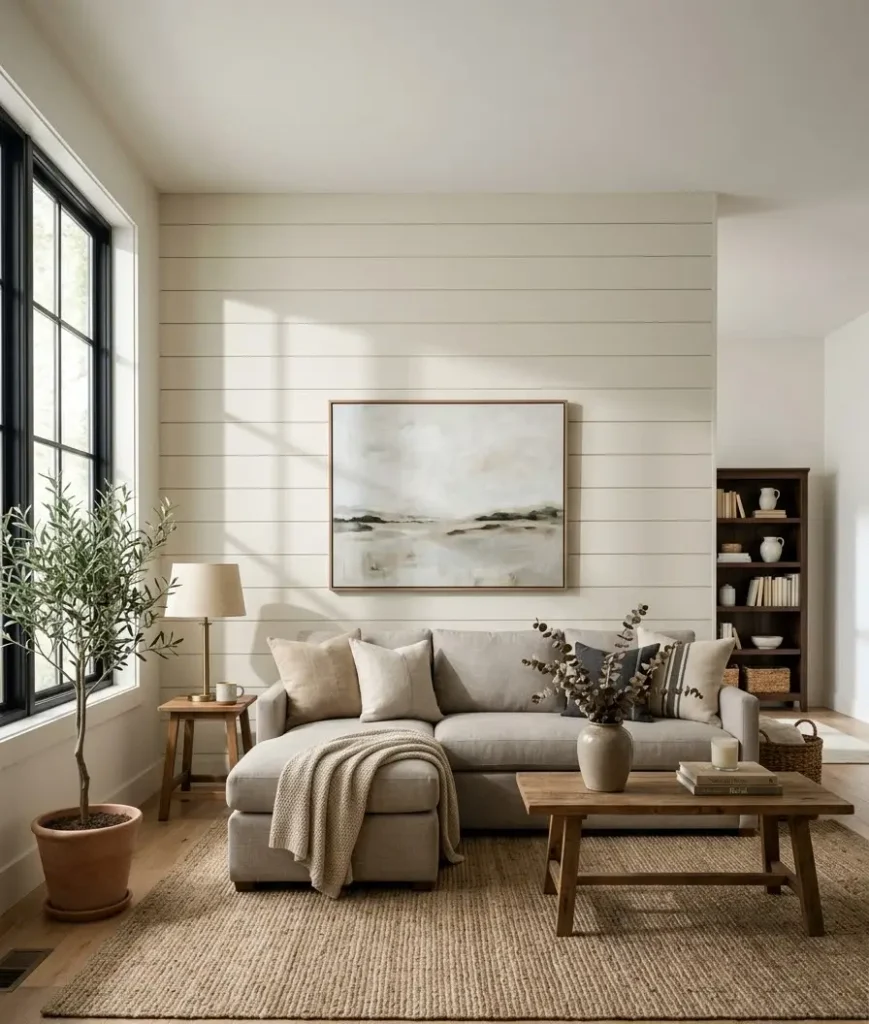
Shiplap, beadboard, or exposed wood paneling adds texture vertically,
which most people forget about. Everyone focuses on floors and furniture and skips the walls entirely.
19. Group Books and Textured Objects on Shelves
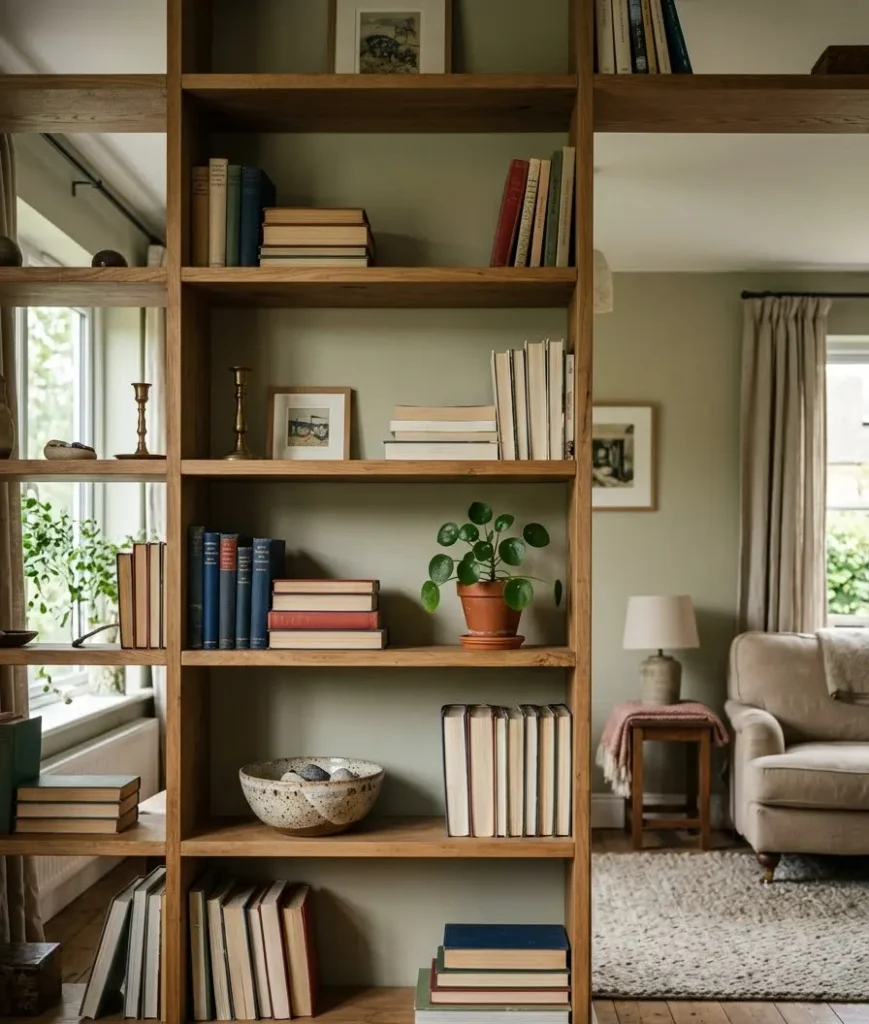
Stack books with visible cloth or leather spines, add a ceramic bowl, a small plant, maybe an old wooden box.
Open shelving becomes a texture display case when you let it.
20. Bring Plants Into the Mix
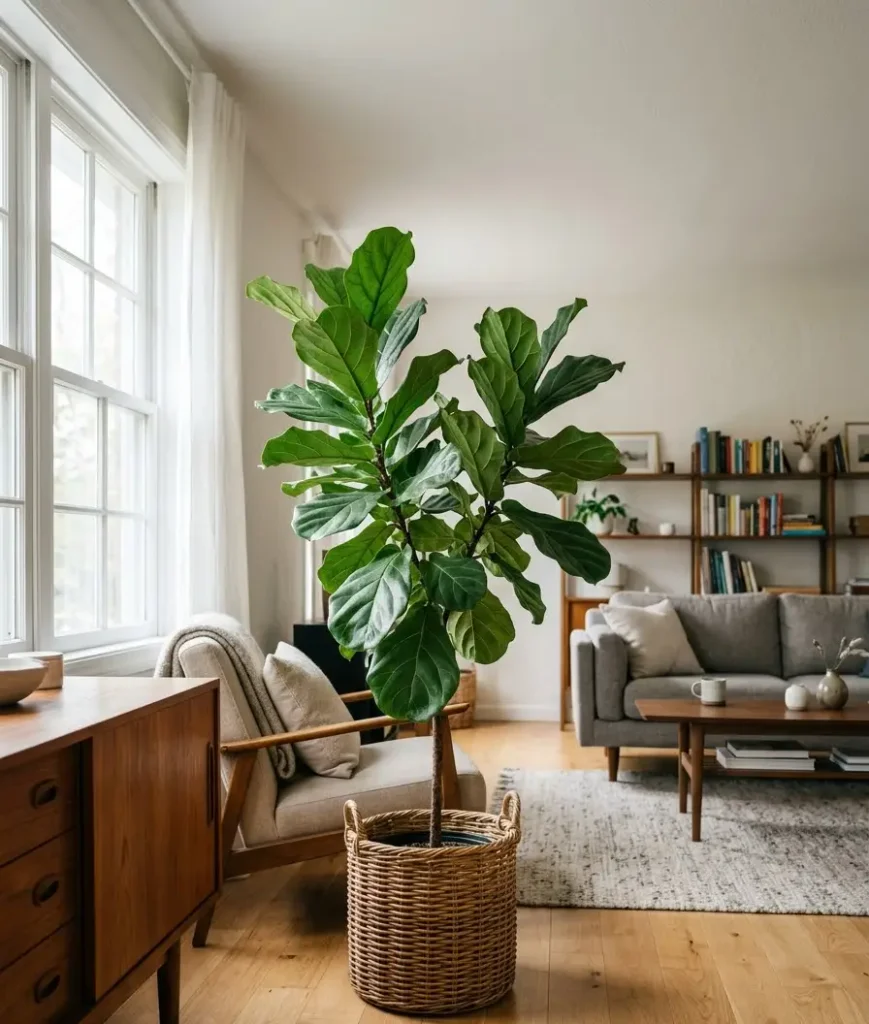
Nothing rustic feels complete without some greenery.
A trailing pothos on a wood shelf or a large fiddle leaf fig in a woven basket pot adds a natural, slightly wild texture that balances out all the structured wood pieces.
21. Don’t Skip the Details on Your Coffee Table
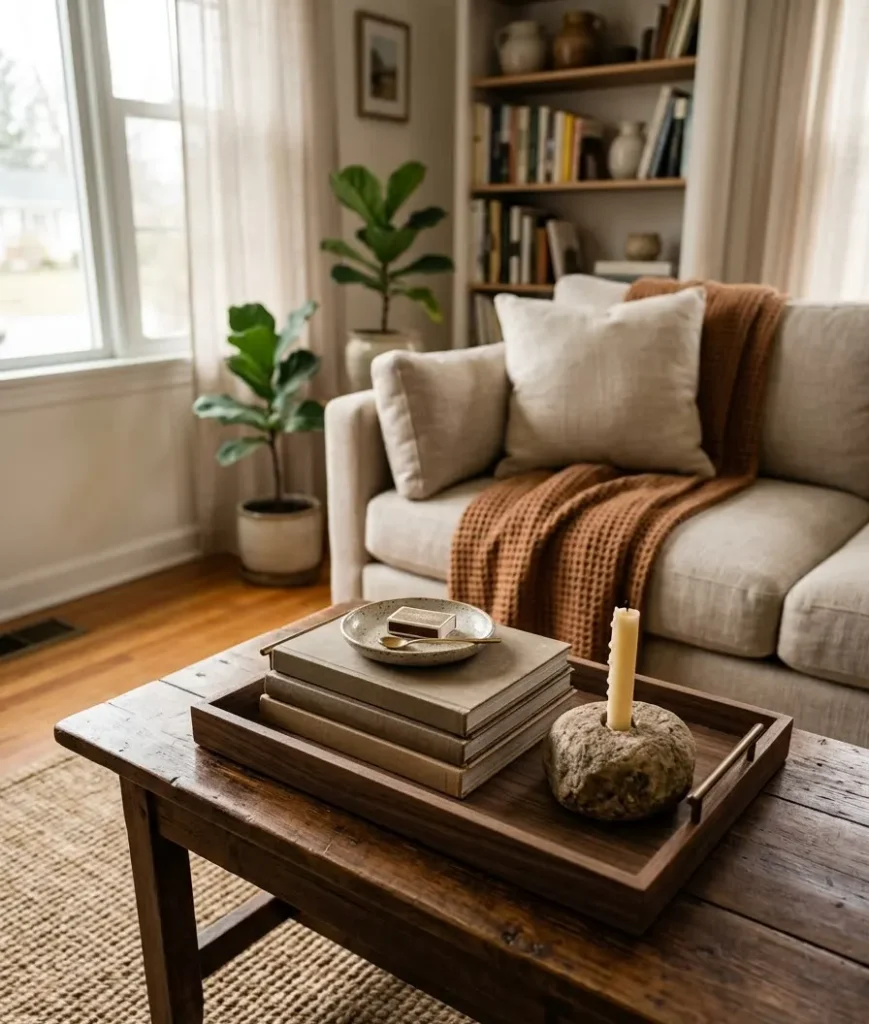
A tray, a stack of books, a small ceramic dish, a candle in a rough stone holder.
Coffee table styling is where you can layer three or four textures in a tiny footprint, and it’s honestly one of my favorite parts of decorating a rustic room.
A Quick Reference: Wood Tone Pairing Guide
| Dominant Wood Tone | Pairs Well With | Undertone |
|---|---|---|
| Light Oak | Walnut, Driftwood Gray | Warm to Neutral |
| Medium Cherry | Mahogany, Hickory | Warm |
| Dark Walnut | Reclaimed Barnwood, Ebony | Cool to Neutral |
Keep this table nearby if you’re standing in a furniture store trying to decide whether that new side table clashes with your existing floor.
It won’t answer every question, but it’s a solid starting point.
A Slightly Random Thought
I know this is supposed to be a decor article, but can we talk about how much easier this whole process is once you stop watching decorating shows that finish a full room reveal in 22 minutes?
Real rooms take months, sometimes years, to feel finished. Mine still isn’t, and I’ve stopped apologizing for that.
Common Mistakes to Avoid
- Matching every wood tone exactly, which flattens the whole room instead of adding depth
- Using only one texture type, like all smooth surfaces or all rough ones, with nothing to contrast against
- Skipping the rug layer, which is often the easiest fix for a room that feels disconnected
- Going too dark with every wood piece, which can make a small room feel closed in rather than cozy
I’ve made every single one of these mistakes myself, some more than once. IMO the rug mistake is the most common one I see in other people’s spaces too.
FAQs
How many wood tones should I use in one living room? Three tends to work best: one dominant tone for your largest piece, and two supporting tones for furniture and accents.
More than that can start to feel busy unless you’re very deliberate about undertones.
Can I mix rustic wood with modern furniture? Yes, and it often looks better than an all-rustic room.
A sleek modern sofa next to a reclaimed wood coffee table gives you contrast, which is really the whole goal of layering texture in the first place.
What’s the fastest way to add texture on a tight budget? Throw pillows, a chunky knit blanket, and a woven basket.
All three are inexpensive, easy to swap out later, and instantly change how a room feels without touching a single piece of furniture.
Final Thought
Layering wood and texture isn’t a one-weekend project, and honestly, that’s kind of the point.
The rooms that feel the coziest are the ones that were built slowly, piece by piece, with a little trial and error along the way.
So pick one tip from this list, just one, and try it in your space this week. Which one are you starting with?