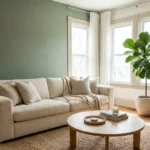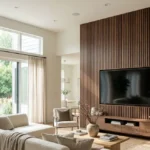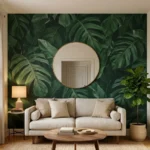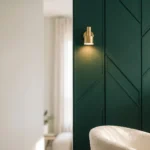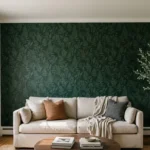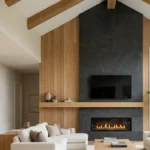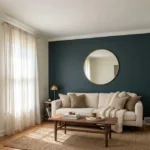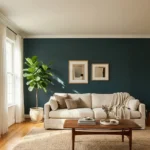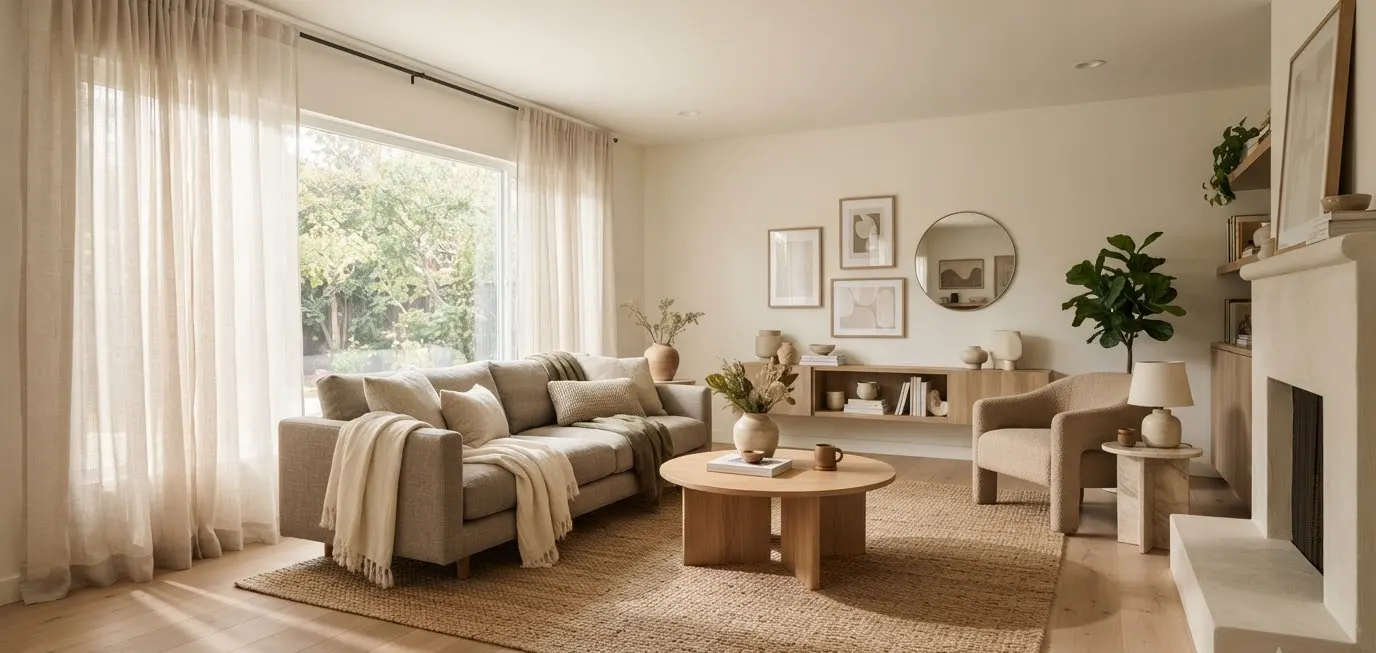
I used to think minimalism meant a white box with one chair in it. Cold. A little sad, honestly.
Then I gutted my own living room three years ago, kept almost nothing, and accidentally landed on something better: a space that’s calm but still feels like someone lives there.
That’s the whole idea behind a cozy minimalist home aesthetic. Less stuff, more warmth.
Not a contradiction, just a different way of editing a room.
If you’ve ever scrolled Pinterest at midnight saving board after board of beige linen sofas and oatmeal-colored throws, you already get the appeal.
You want the calm without the sterile hospital-waiting-room vibe.
That’s exactly what I’m walking you through here: 14 things I’ve actually done in my own home (and a few I learned the hard way) to get warmth and simplicity living under the same roof.
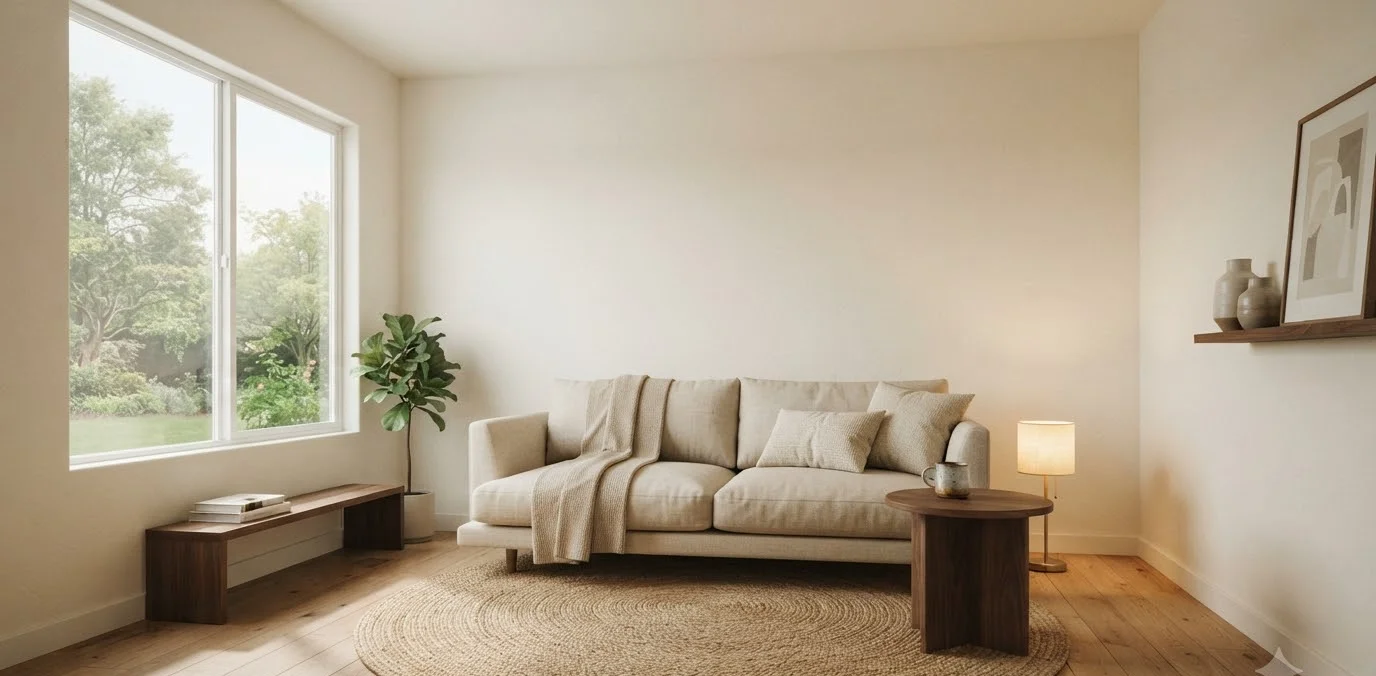
1. Pick one warm neutral and build around it
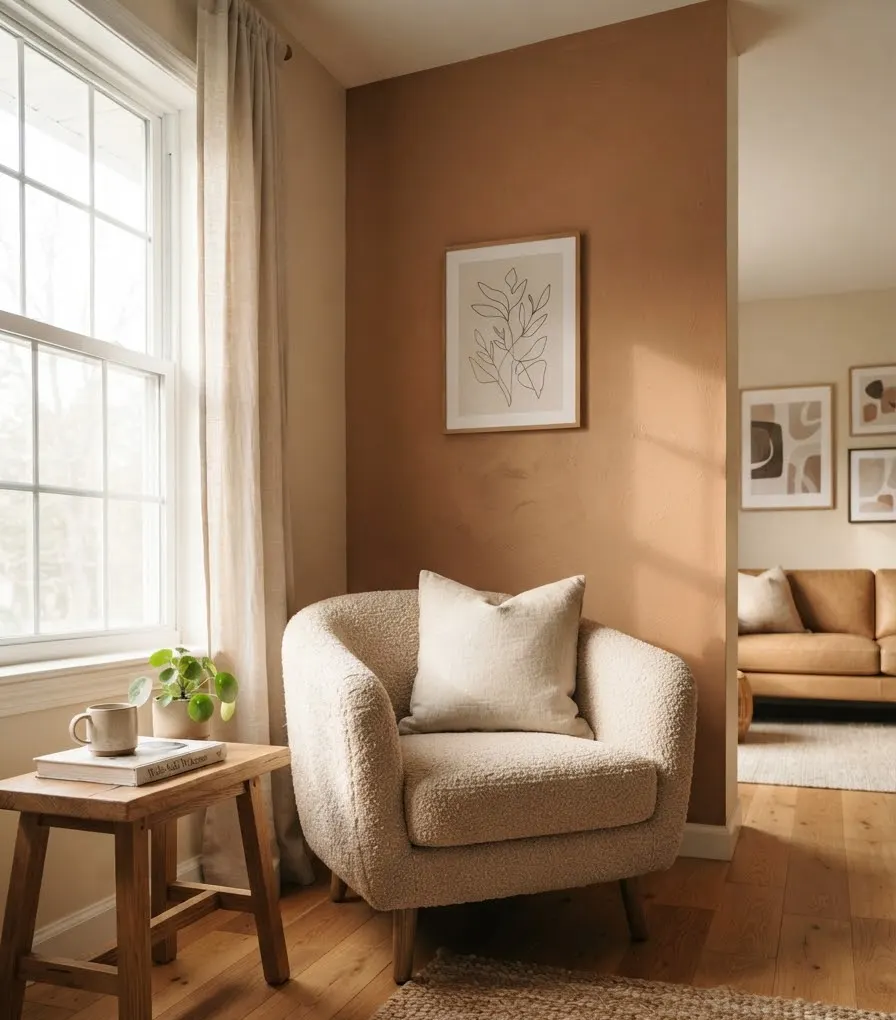
Every cozy minimalist room I love has one thing in common: a single dominant neutral that repeats. Not five different whites fighting each other.
Go with something like warm greige, oatmeal, or a soft clay.
Paint the walls in it, echo it in your textiles, and let it show up again in one or two furniture pieces.
When a room shares one undertone, it reads intentional instead of accidental.
I made the mistake of mixing a cool gray sofa with warm wood floors for a full year.
It never looked right, and I couldn’t figure out why until a friend (an actual interior designer, lucky me) pointed out the undertone clash in about four seconds.
2. Declutter before you decorate anything
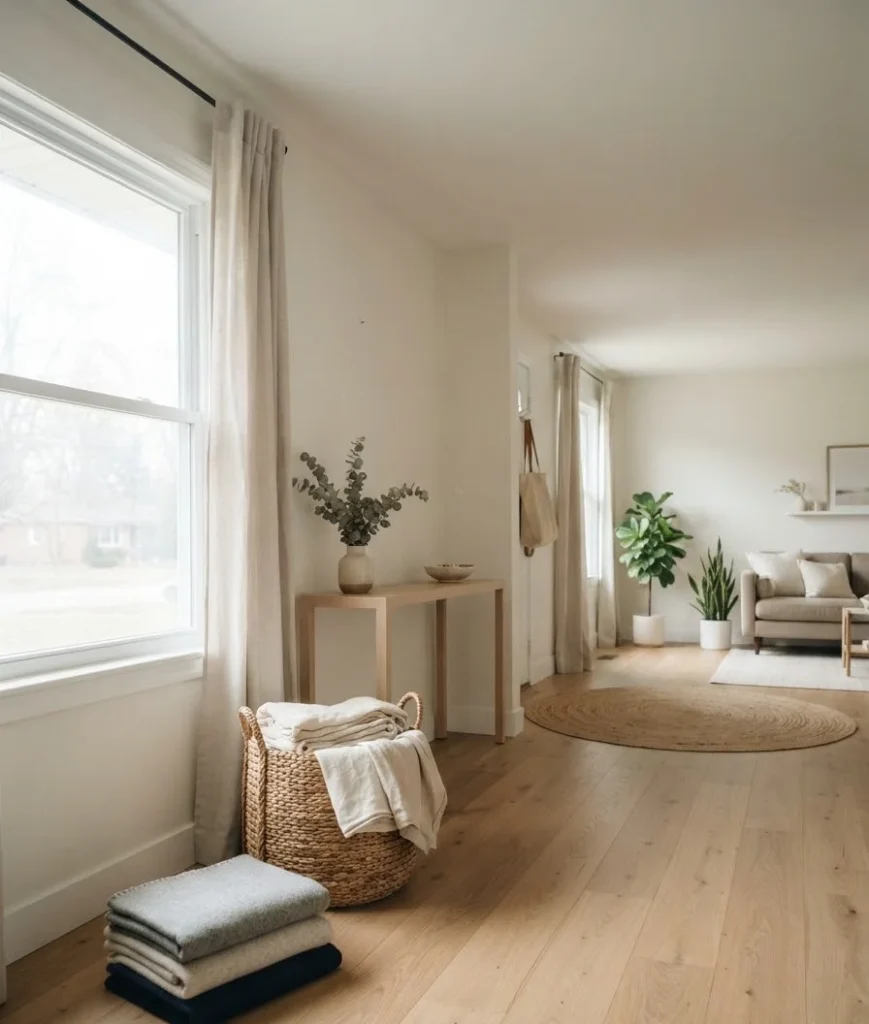
This one’s boring, but it matters more than any paint color or accent chair you’ll buy.
You cannot style a cluttered room into looking minimalist.
It doesn’t work. The furniture and objects need breathing room to read as calm, and that only happens once the excess is gone.
There’s real research behind why this matters beyond aesthetics, too.
A well-known UCLA study on clutter and stress found that people who described their homes as cluttered showed unhealthier daily cortisol patterns than those who saw their homes as restorative.
In plain terms: your messy shelf might be quietly stressing you out every time you walk past it.
Start with one drawer. Not the whole house in a weekend, that’s a recipe for giving up by Sunday afternoon.
3. Choose fewer, better pieces
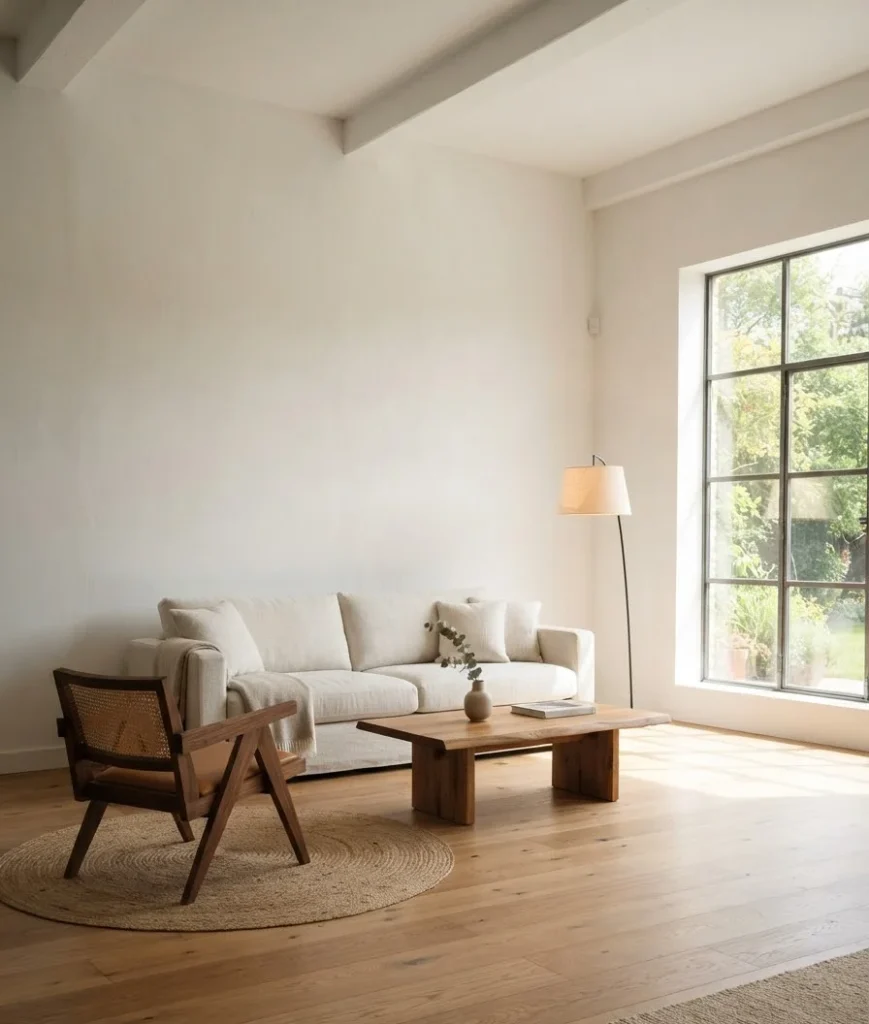
IMO this is the actual secret of cozy minimalism, not the color palette.
A room with 6 well-made pieces beats a room with 20 mediocre ones every single time.
Before you buy anything new, ask yourself:
- Will I still want this in 5 years?
- Does it earn its spot, or is it just filling space?
- Am I buying this because I love it, or because the box on my screen looked cute at 11pm?
I’ve returned more “cute at 11pm” purchases than I care to admit.
4. Let natural light do half the work for you
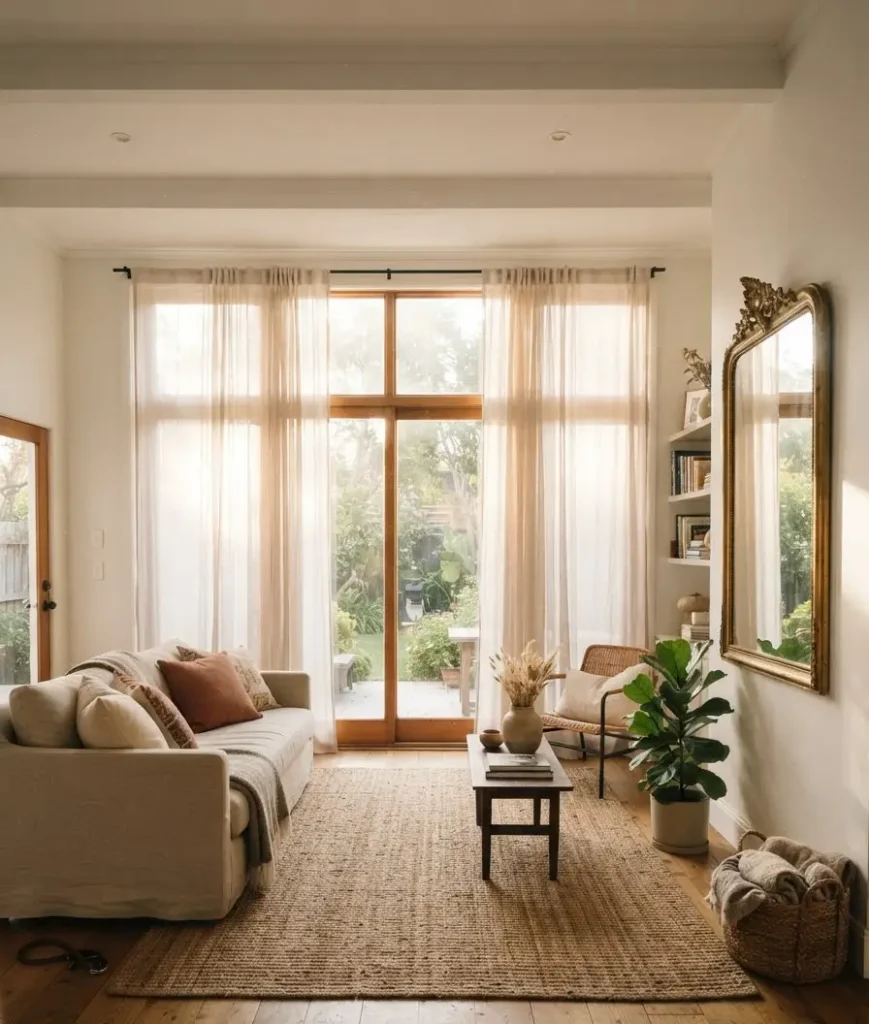
A minimalist room with bad lighting just looks empty. A minimalist room with good natural light looks intentional and airy.
Swap heavy curtains for linen or cotton panels that actually let light through.
Move furniture away from windows instead of blocking them.
If your space gets limited sun, a few well-placed mirrors bounce what little light you have around the room.
Ever notice how the coziest homes on Pinterest almost always have big, unobstructed windows?
That’s not an accident. Light is doing a lot of the visual heavy lifting.
5. Bring in wood tones for instant warmth
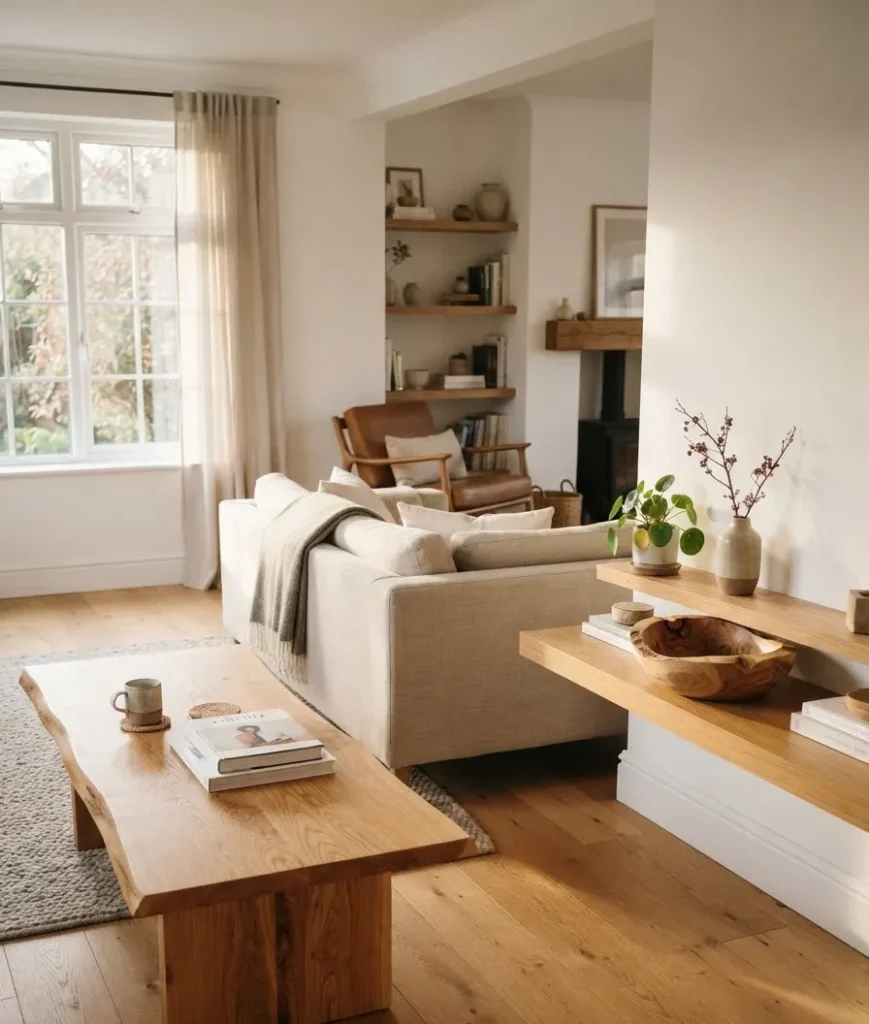
White walls plus zero wood equals a very cold room, no matter how nice the furniture is.
Wood is what keeps cozy minimalism from tipping into “empty apartment showing.”
A few easy entry points:
- Flooring: light oak or a warm-toned engineered wood
- Furniture legs: even one wooden coffee table shifts the whole feel
- Small objects: a wooden bowl, a cutting board left out, a simple frame
You don’t need a full log cabin situation. One or two solid pieces do more than a dozen small wooden trinkets scattered everywhere.
6. Hide the ugly stuff, don’t just move it
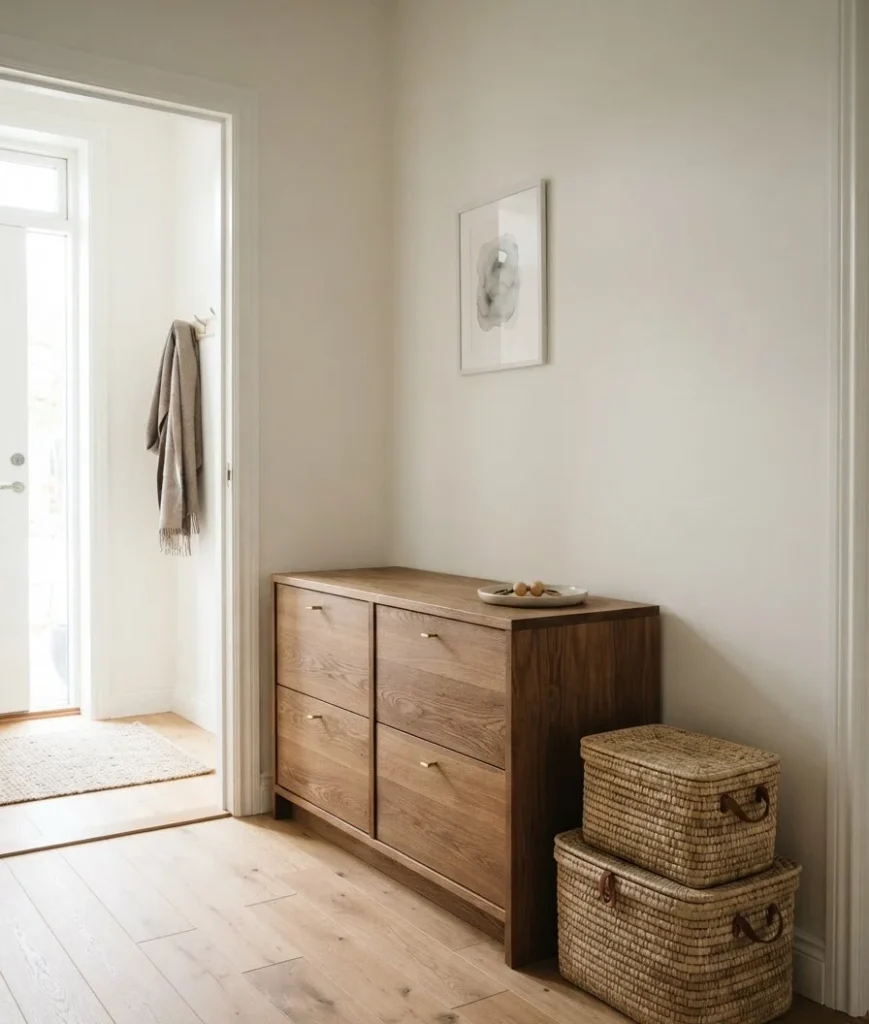
Cozy minimalism isn’t about owning less than everyone else. It’s about not seeing everything you own, all the time.
Cords, chargers, mail, the random pile of stuff that lands on the kitchen counter, these all need a home that isn’t in plain sight.
Closed storage does more for the “clutter-free” look than actual decluttering does, once you’ve already gotten rid of the genuine excess.
Baskets with lids, a console with drawers, a simple cabinet by the entry. Boring furniture, honestly, but it’s doing the most work in the whole room.
7. Layer textures instead of stacking colors
Here’s a small aside, slightly off the beaten path but stick with me.
I used to think “adding personality” meant adding more colors. Turns out it usually just meant adding chaos.
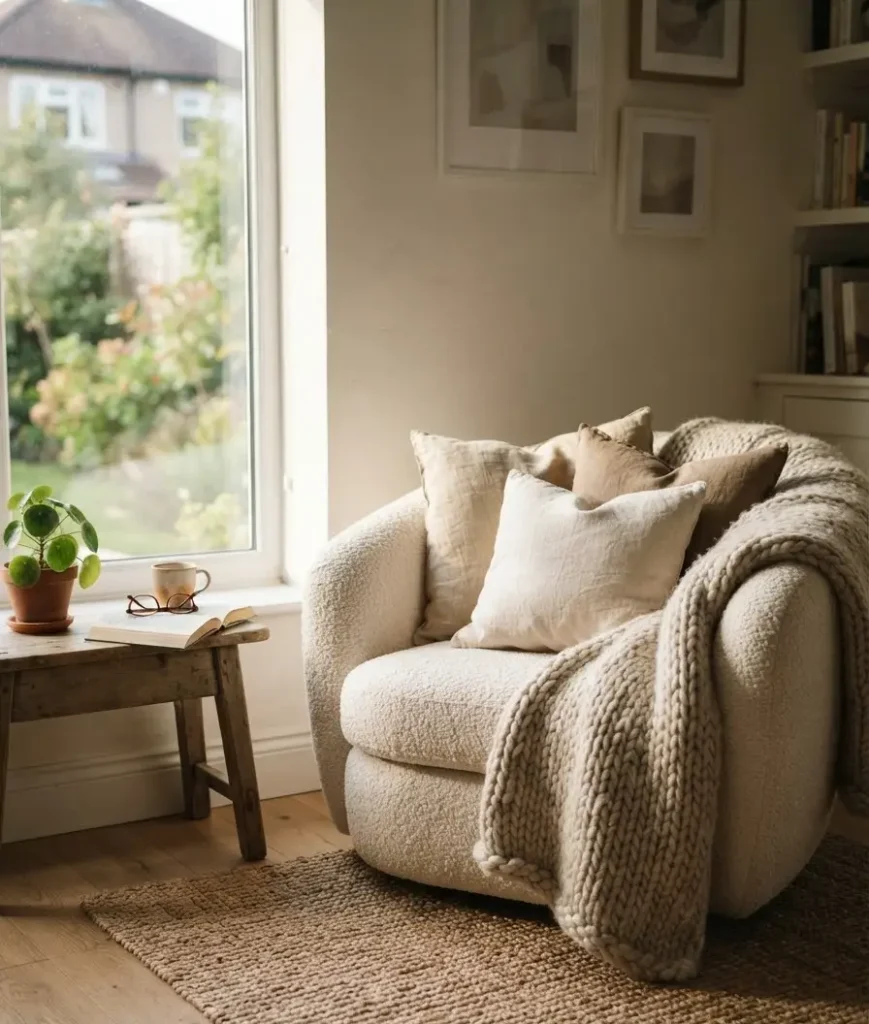
Texture is the move. A chunky knit throw, a boucle chair, a jute rug, linen pillow covers, all in roughly the same color family, still feel layered and rich.
Your eye reads depth from texture the same way it reads depth from color, except texture never clashes the way color does.
Mix at least three textures in every room. Smooth wood, soft fabric, something a little nubby or woven.
That contrast is what keeps a neutral room from looking flat.
8. Choose low-VOC paint for a healthier, calmer home
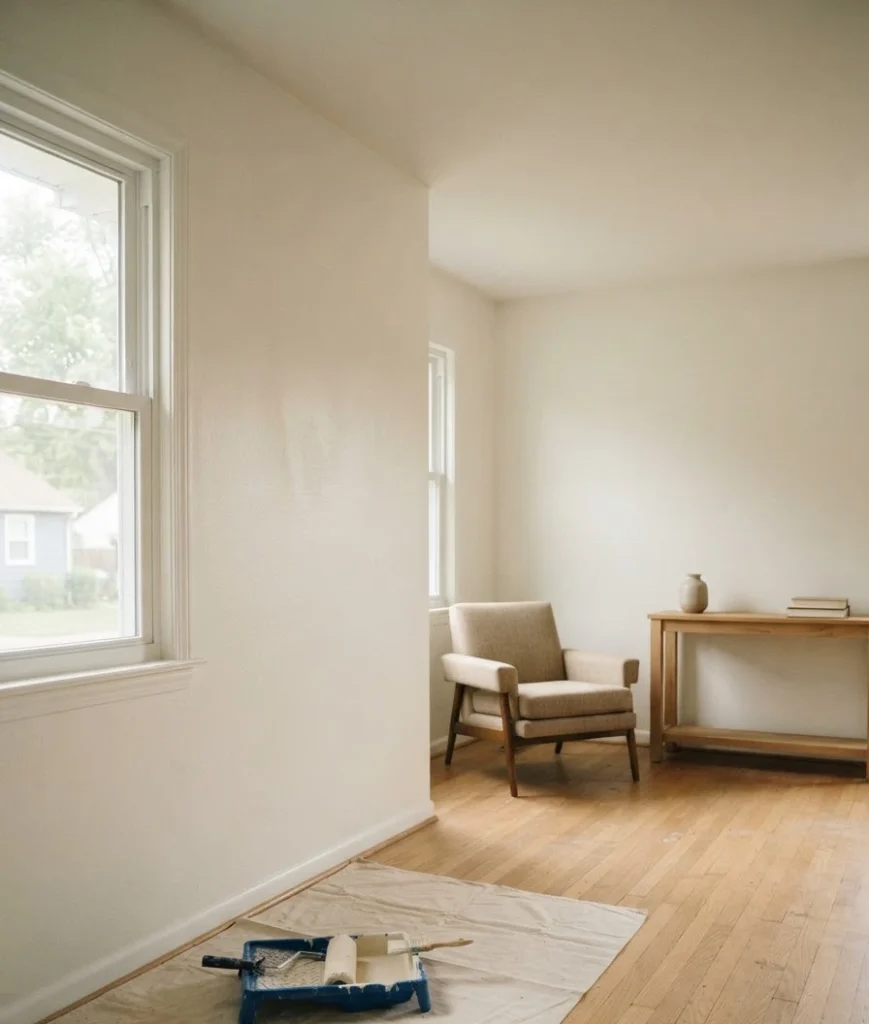
This one surprised me when I first learned it, and it’s genuinely worth knowing before your next paint job.
Standard paint releases volatile organic compounds into your indoor air, sometimes for months after the coat dries.
The EPA’s guidance on VOCs and indoor air quality notes that indoor VOC concentrations often run several times higher than outdoor levels, and painting activities can spike that even further in the short term.
Low-VOC or zero-VOC paint lines from most major brands now perform just as well as traditional formulas.
It’s a small swap that costs almost nothing extra, and honestly, it just makes the “cozy” part of cozy minimalism a little more literal. A room that’s easier to breathe in feels calmer, full stop.
9. Layer your lighting instead of relying on one overhead fixture
A single ceiling light does one thing: it makes a room look like an office. Flat, even, kind of harsh.
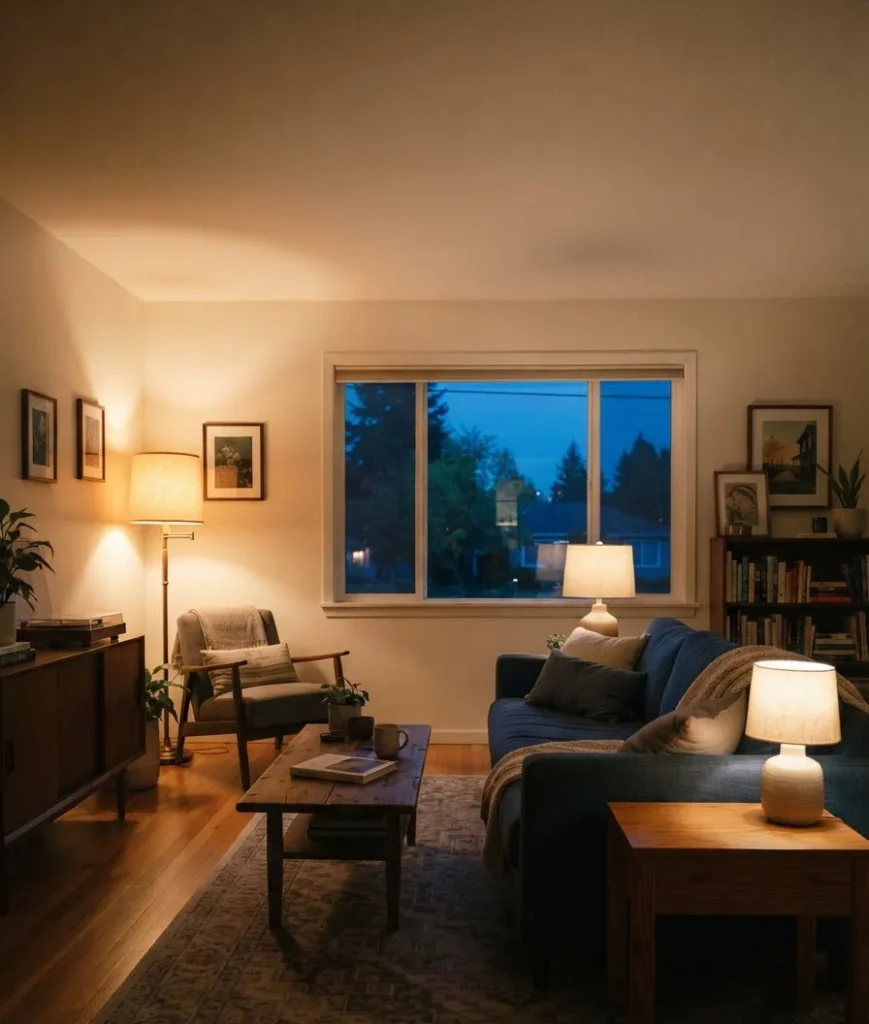
Cozy minimalist spaces use layers: a floor lamp in one corner, a table lamp near the sofa, maybe a small accent light on a shelf.
Warm bulbs (look for anything around 2700K) instead of cool white ones make an enormous difference for basically no effort.
Turn off the overhead light tonight and just use two lamps instead. This is insane how much warmer a room feels with that one change.
10. Add one or two plants, not a jungle
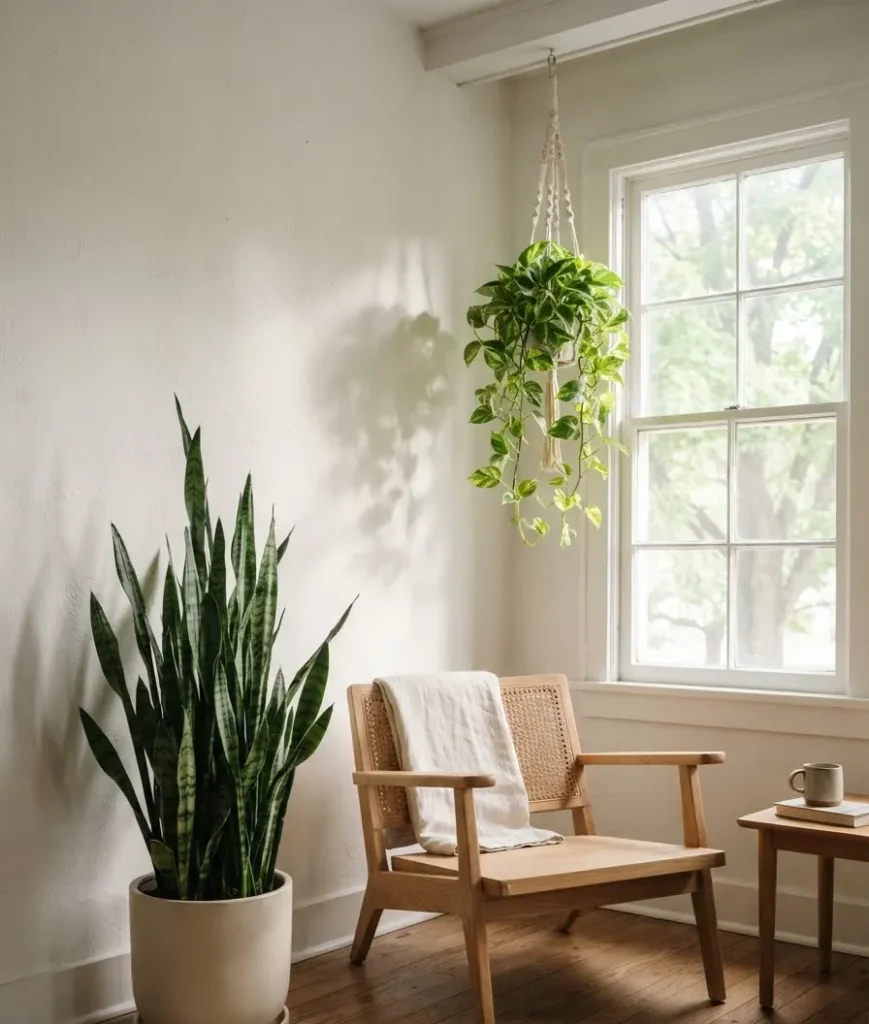
Greenery softens hard lines and adds life to a space that could otherwise feel a little too controlled.
You don’t need to turn your living room into a greenhouse to get the benefit.
Research on biophilic design (the practice of bringing natural elements into built spaces) consistently links exposure to greenery and natural materials with reduced stress and improved mood, according to health researchers who’ve studied the effect.
One or two low-maintenance plants, a snake plant or a pothos, do the job without demanding a green thumb you don’t have.
11. Follow a one-in, one-out rule going forward
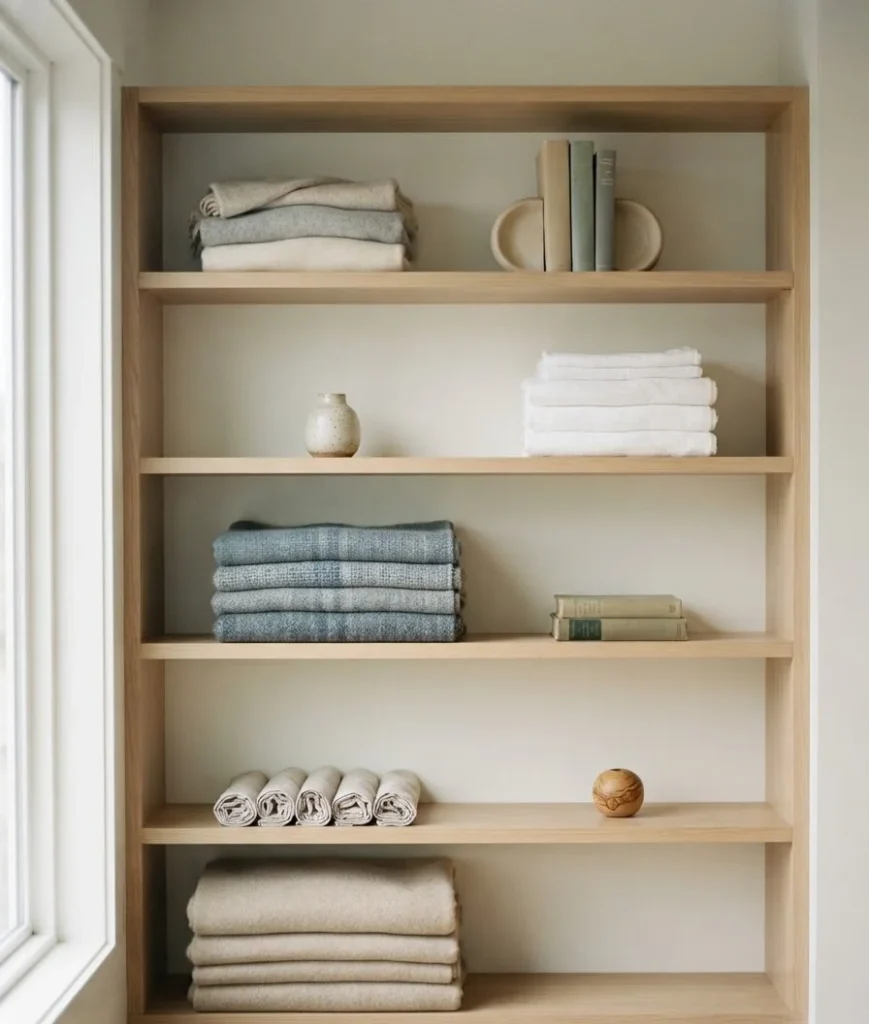
Decluttering once is easy. Staying decluttered is the actual challenge, and this is where most cozy minimalist rooms slowly turn back into cluttered ones over a year or two.
Set yourself a simple rule: something new comes in, something old goes out.
Doesn’t have to be strict or joyless, just a habit that keeps the space from creeping back to where it started.
I’ll be honest, I break this rule for books constantly. Some battles aren’t worth fighting.
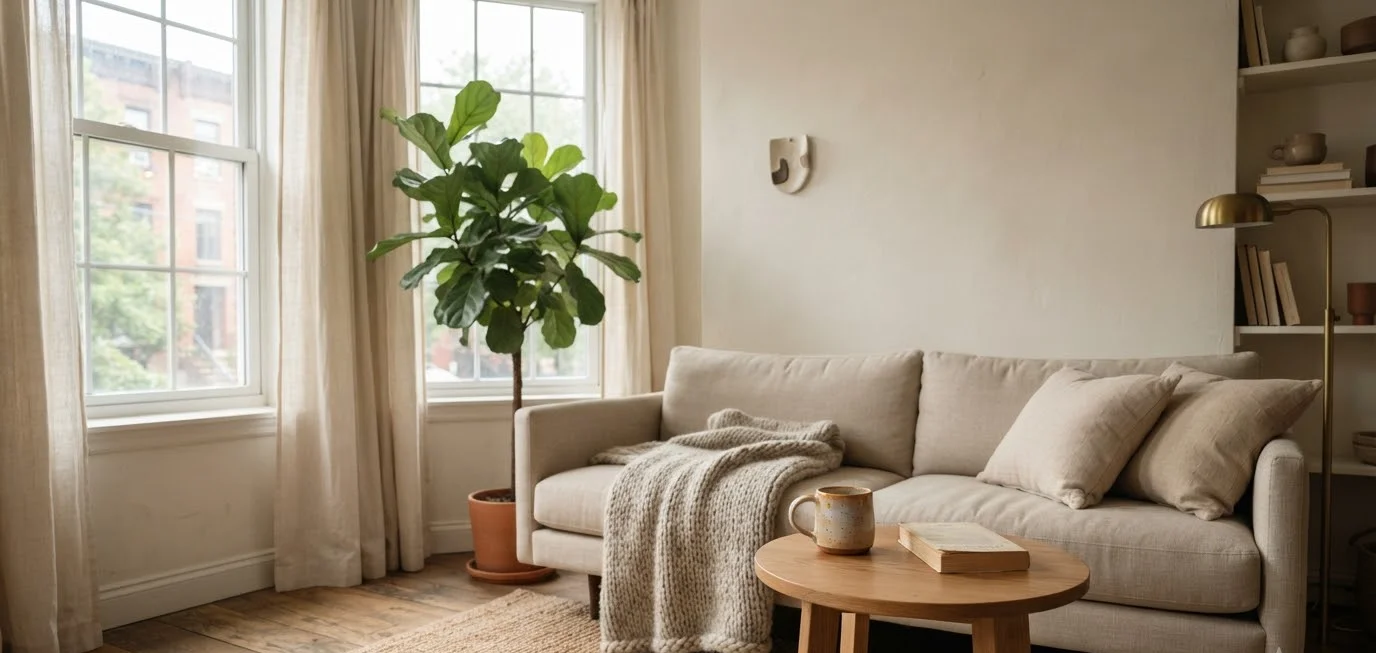
Cozy Minimalist Home Decor On A Budget 15 Smart Tips For Small Spaces
Read More →12. Choose a rug that grounds the room without shouting
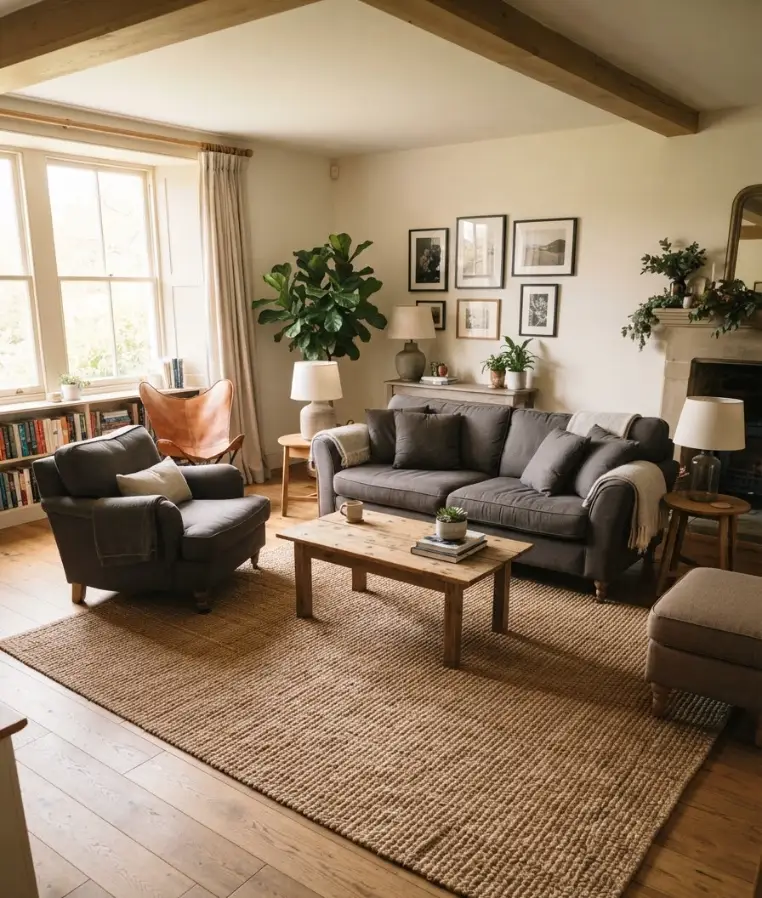
An empty-feeling minimalist room usually has one missing ingredient: something soft underfoot that anchors the furniture.
A natural fiber rug, jute or a low-pile wool in a warm neutral, adds texture and warmth without competing with anything else in the room.
Pick a size big enough that your front furniture legs actually sit on it.
A too-small rug is one of the most common styling mistakes I see, and it makes even a well-decorated room look off-balance.
| Rug material | Feel | Best room |
|---|---|---|
| Jute | Textured, earthy | Living room, entry |
| Wool | Soft, plush | Bedroom, nursery |
| Cotton flatweave | Light, casual | Kitchen, kids’ spaces |
| Sisal | Durable, coarse | High-traffic areas |
13. Curate your shelves instead of filling them
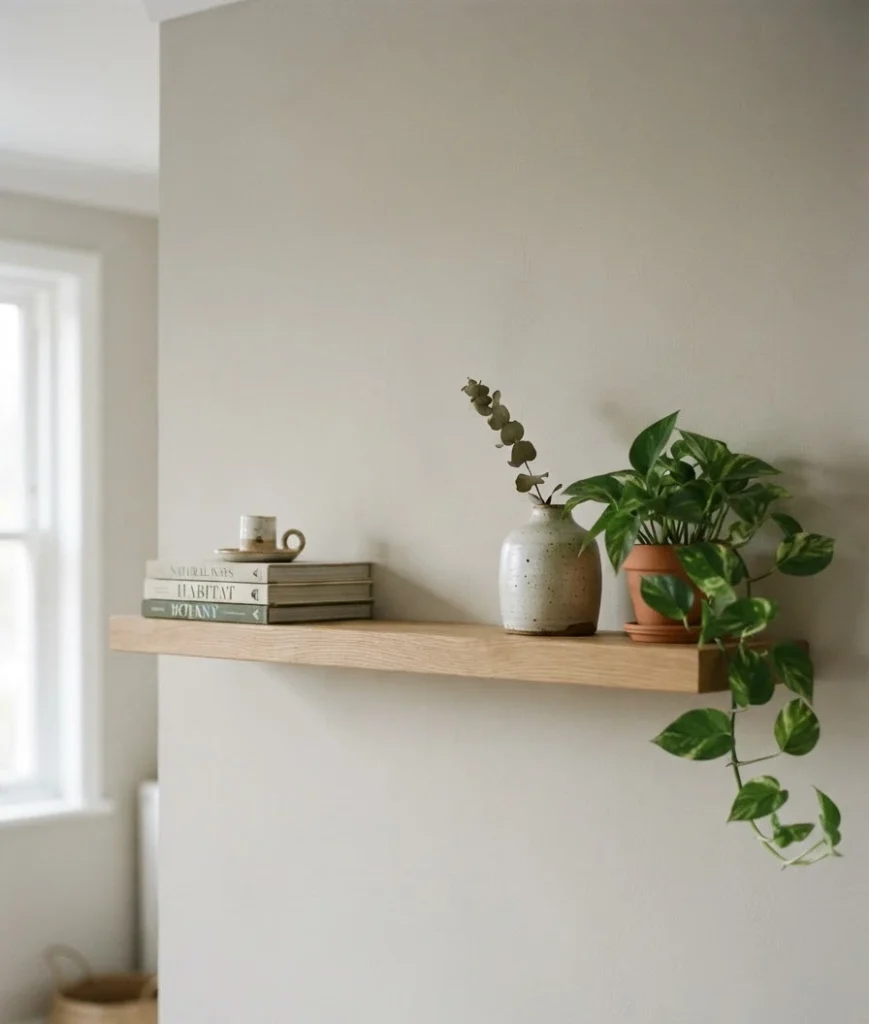
Full shelves look busy no matter how nice the individual items are. Empty shelves look unfinished.
The sweet spot is somewhere around 60 to 70 percent full, with real breathing room between objects.
Group items in odd numbers, threes work well, and vary the height. A stack of books, a single ceramic vase, one small plant.
That’s a shelf, not a museum display, and it shouldn’t take longer to arrange than it takes to dust.
14. Keep 80 percent of your surfaces clear
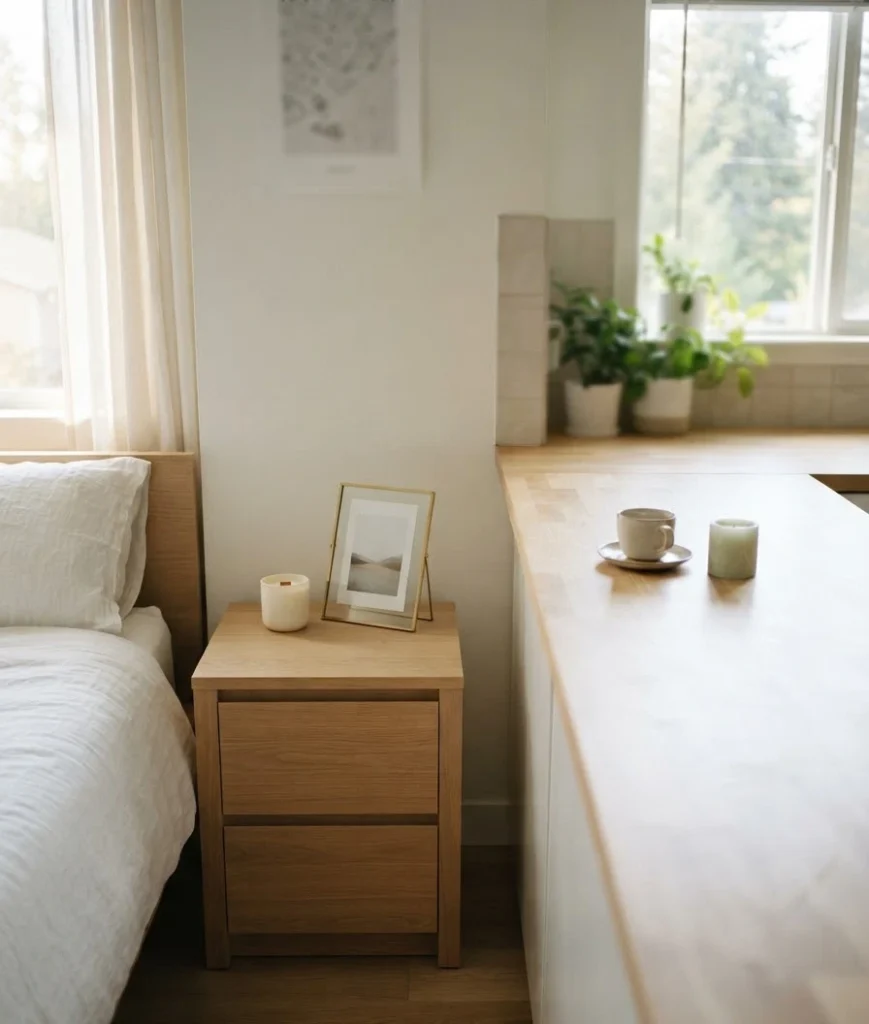
Countertops, coffee tables, nightstands, dressers.
The habit that makes the biggest visible difference in a cozy minimalist home is simply this: most surfaces stay mostly empty.
Leave one or two meaningful objects out per surface. A candle, a small tray, a single framed photo.
Everything else gets a drawer, a basket, or a cabinet. It sounds almost too simple to matter, but this single habit does more visual work than any single purchase you could make.
A quick side note before we wrap up
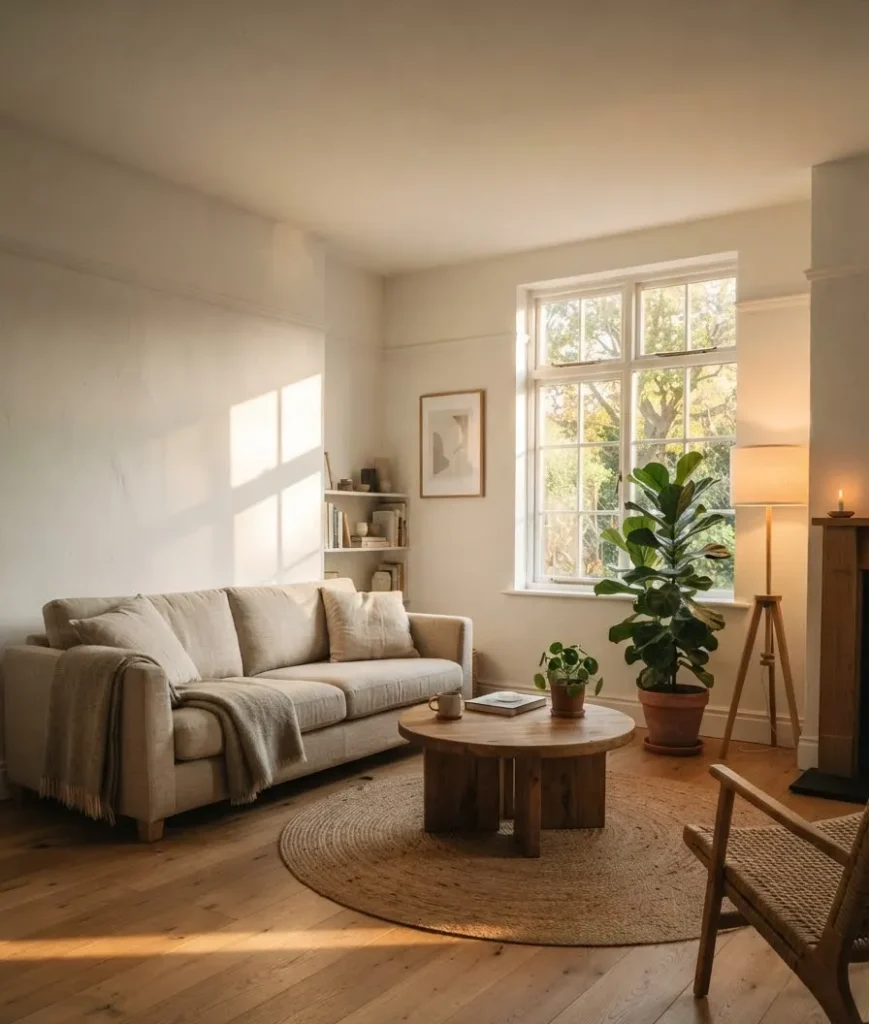
Not every corner of your home needs to follow every single rule here.
My kids’ playroom looks nothing like this article, and honestly, trying to force a toddler’s space into strict minimalism is a losing battle nobody needs to fight. Pick the rooms that matter most to your daily calm and start there.
Frequently asked questions
Is cozy minimalism the same as Scandinavian style? They overlap a lot, but they’re not identical. Scandinavian design leans heavily on specific materials like light birch and simple geometric shapes.
Cozy minimalism borrows the “less but better” mindset from Scandi style while pulling in warmer tones and softer textures from other aesthetics too.
How much does it cost to redo a room in this style? It depends entirely on what you’re keeping versus replacing.
Decluttering and rearranging what you already own costs nothing and often makes the biggest visual difference.
Paint and a rug are usually the next cheapest upgrades, while furniture swaps are where the real budget goes.
Will a cozy minimalist home work with kids or pets? Yes, with some adjustments. Choose performance fabrics or washable slipcovers, keep toy storage in closed bins rather than open baskets, and accept that
“80 percent clear surfaces” might realistically be “60 percent” on a Tuesday afternoon. The core principles still apply, just with a little more forgiveness built in.
Final thought
Cozy minimalism isn’t a finish line you cross once and never think about again. It’s more of an ongoing edit, one drawer, one shelf, one impulse purchase you decide to skip.
Start with a single room this weekend and see how it feels before you touch anything else in the house.
Which one of these 14 are you trying first? I’d genuinely love to know.