Want to know the easiest way to transform how you sleep? It’s not a new mattress. It’s not even a pricey renovation.
It’s nailing the bedroom setup that actually makes you want to crawl into bed at night.
Your bedroom isn’t just where you pass out. It’s your personal sanctuary, your escape from everything else.
But most people treat it like an afterthought—a place to dump laundry and crash. That’s changing today.
I’ve spent way too much time researching bedroom design (okay, maybe scrolling Pinterest at 2 AM counts), and I’ve pulled together 30 ideas that actually work.
These aren’t magazine spreads you can’t recreate.
They’re real, achievable, and honestly? They’ll make you happier.
The Foundation: Colors That Actually Help You Sleep

Color matters more than people think. I learned this the hard way after painting my old bedroom a shade called “dramatic charcoal.” Turns out dramatic doesn’t help you sleep.
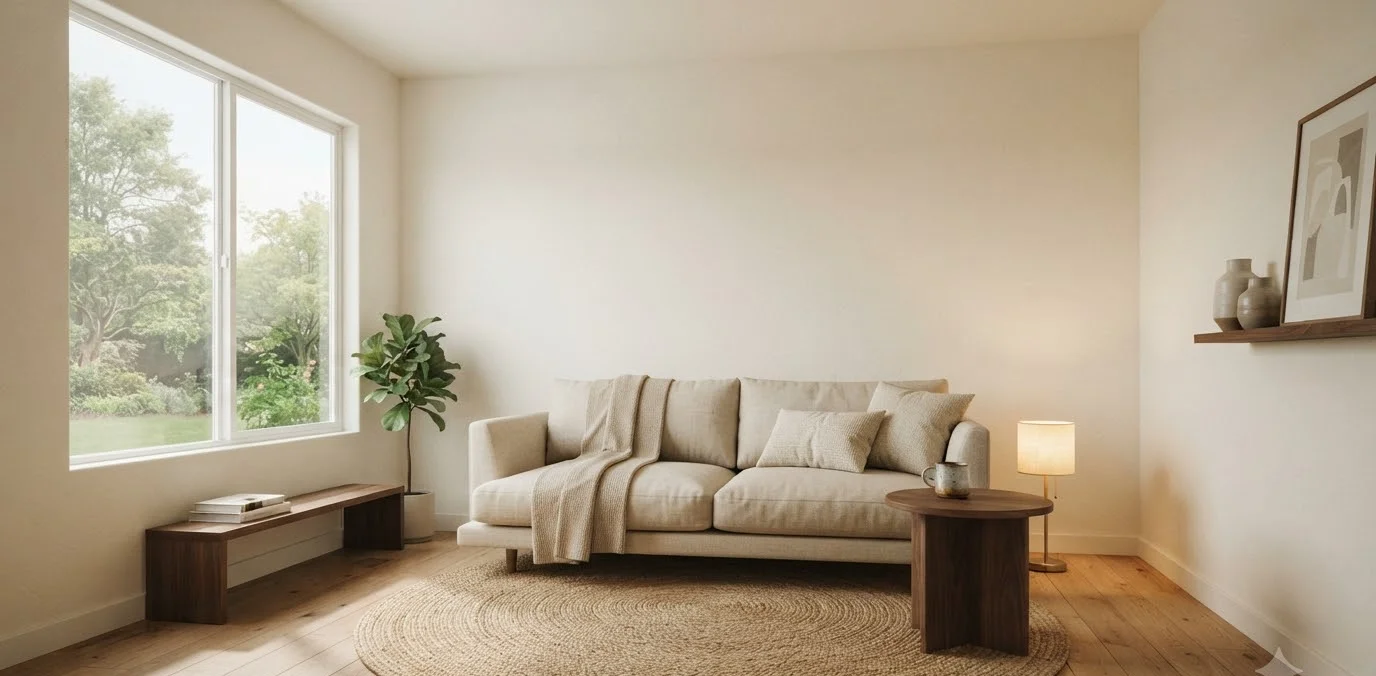
Soft neutrals are your baseline. Think warm whites, soft grays, and creamy beige. These colors relax your nervous system instead of firing it up.
Your brain doesn’t have to work overtime processing visual stimulation when you’re trying to drift off.

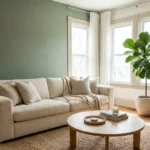
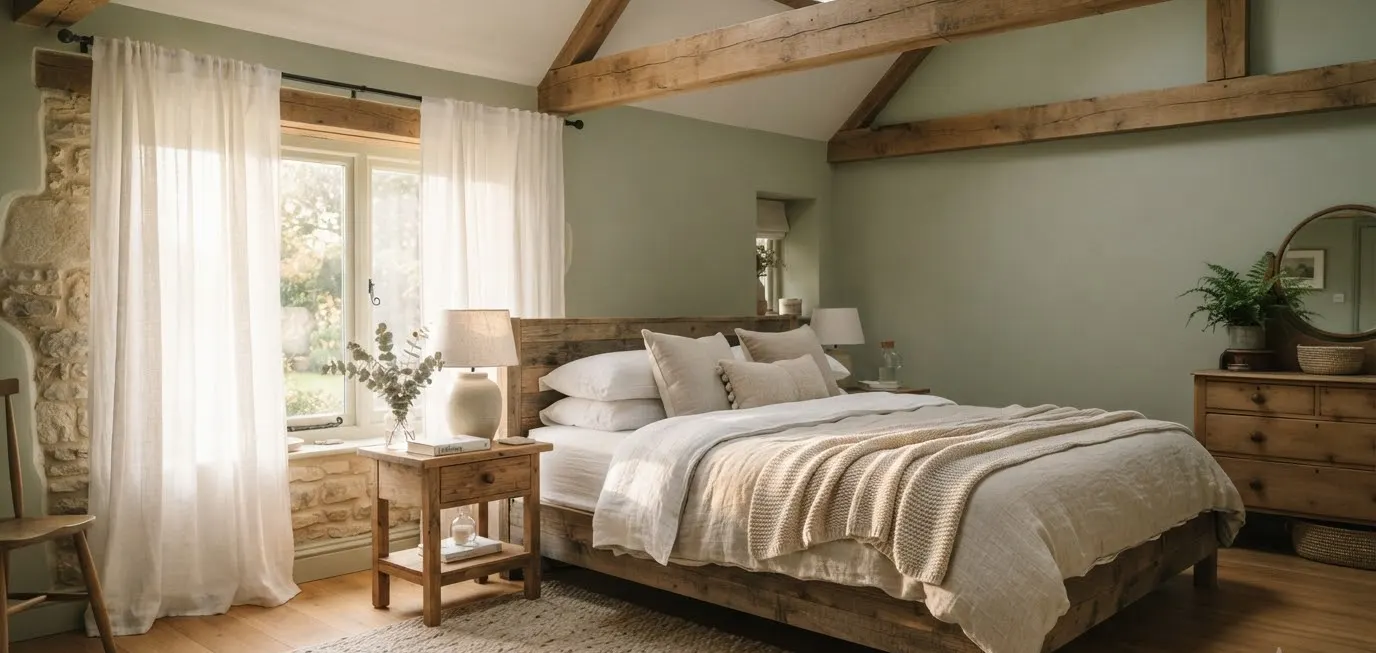
If you hate beige (and hey, totally valid), muted blues and soft greens work wonders too. A light sage green hits differently—it feels fresh without being jarring.
Cool earth tones do the heavy lifting while staying calming.
The key: keep it subdued. Pastels work. Jewel tones don’t. Neon definitely doesn’t.
Lighting: The Underrated Game-Changer

Here’s what I wish someone told me earlier: bad lighting ruins everything. You can have the perfect furniture setup, but if you’re bathing in harsh overhead light, it feels institutional.
Layer your lighting. Get a ceiling fixture for when you need full brightness. Add bedside lamps for reading.
String some warm ambient lighting—Edison bulbs or soft LEDs—for when you want the room to feel less like a hospital and more like a retreat.
Motion-sensor dimmer switches exist. Use them. Your 11 PM self will thank you.

Textures That Make Your Room Feel Like a Hug

This is where coziness actually lives. You can’t buy comfort; you build it with layers.
Quality sheets matter. I’m talking 300+ thread count. Does it seem excessive? Maybe. But you spend a third of your life there, so it’s not.

Layering textures:
- A weighted blanket (sounds gimmicky, works phenomenally)
- Throw pillows in varying fabrics (linen, velvet, cotton)
- A chunky knit throw draped over the foot of the bed
- A plush area rug beside the bed so your feet hit something soft when you wake up
Mix rough and smooth. Combine matte and shine. A velvet pillow next to a linen one creates visual interest and tactile variety. Your room feels alive instead of sterile.
Wall Treatments: Beyond Paint
Honestly, painting is fine. But here’s what elevates a bedroom:
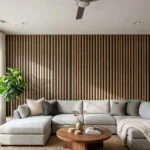
Shiplap or paneling gives farmhouse warmth without being precious about it. You can install peel-and-stick versions if you’re renting or commitment-phobic about renovations.

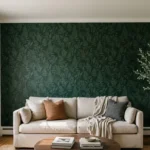
Wallpaper had a bad reputation for decades. Modern designs? Stunning. Go subtle if you’re unsure—small geometric patterns or tonal designs feel current.

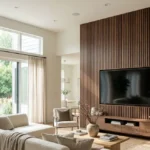
Textured wall panels catch light differently depending on the hour. They add dimension without screaming for attention.

I hung large fabric panels on one wall (held up with 3M hooks). Neutral linen. Took five minutes. Completely changed how the room felt.
The Bed: Get This Right

Your bed should be the visual anchor. That means frame quality matters.
Upholstered headboards feel luxe and catch light beautifully. Metal frames feel industrial-modern. Wood keeps things warm and traditional.
Pick what aligns with your space, but make it substantial. A flimsy frame looks exactly as cheap as it is.

Bed size matters too. A queen is the sweet spot for most people. A king if you thrash around or share the space with someone who needs their own territory (no judgment; I’m that person).

Position your bed thoughtfully. Face it toward the door if possible—it’s called the “command position” and people genuinely sleep better.
No, I’m not making that up. There’s actual feng shui logic here, and science backs parts of it.
A low platform bed feels modern and spacious. A higher frame with storage underneath maximizes small rooms. Choose based on your actual needs.
Storage That Doesn’t Look Like a Storage Unit
Your bedroom shouldn’t be a catchall for everything you own.
Floating shelves store books and décor without eating floor space. Mount them above a desk or beside the bed.

Under-bed storage handles seasonal clothes or extra bedding. Get containers on wheels so you can actually reach things.
A bench at the foot of the bed provides storage and a practical surface for folding clothes (hypothetically; we all know it becomes the laundry chair).

Furniture that pulls double duty saves money and keeps the room uncluttered. Nightstands with drawers.
Ottoman with hidden compartments. Every piece should earn its real estate.
Here’s the thing: when everything has a home, your brain relaxes. Chaos reads as stress, even if you’re not consciously thinking about it.
Personal Touches: Making It Actually Yours

This is where bedrooms stop looking like hotel rooms and start feeling like homes.
Hang artwork you genuinely love. Not a print from a big-box store because it matched the color scheme.
Something that makes you pause and look. A painting from a local artist. A photograph that means something. Your work, even.
Books on nightstands and shelves add personality. They say something about who you are without being loud about it.
Plants bring life. A snake plant or pothos in the corner. Something low-maintenance because let’s be realistic about plant care.
But something living changes the energy. Fresh air gets better. The space feels less stagnant.

Framed personal photos on your dresser. A small vase of fresh flowers on the nightstand (or a candle that smells like flowers if you’re lazy about refreshing them).
These touches transform a room from “nice guest room” to “this is mine, and it matters.”
Furniture Placement: Making Small Spaces Breathe

Tight bedroom? You need strategy.
Don’t push everything against the walls. It makes small rooms feel cramped. Instead, float your bed—pull it away from the wall even slightly. Create a breathing room around it.
Avoid heavy, dark furniture if your space is small. Light woods and slim profiles keep things airy. A low profile dresser instead of a looming cabinet.
Vertical storage is your secret weapon. Tall, narrow bookcases instead of wide, squat furniture. Wall-mounted accessories instead of tabletop clutter.
I watched someone transform a 9×10 bedroom by rotating their bed 45 degrees and removing the nightstands in favor of wall-mounted shelves.
Same exact space, but suddenly it felt spacious. Layout is everything.
The Fireplace Fantasy (Even If You Don’t Have One)

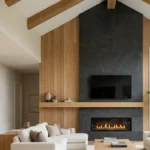
Electric fireplaces are underrated. They’re affordable, zero installation in many cases, and they transform the room’s warmth factor.
Faux fireplace inserts that fit into existing wall spaces run about $200-500.
The ambiance shift is disproportionate. Genuine flickering light is just better than any other lighting source.
Don’t have wall space? A compact freestanding unit works. Keep it in the corner, and it becomes a cozy focal point.
Fireplace or no, the principle stands: choose focal points that serve double duty—beautiful and functional.
Window Treatments: Control the Chaos

Blackout curtains are essential if you sleep past sunrise or live near streetlights.
But they don’t have to be ugly. High-quality blackout linen in neutral tones exists. You’re not stuck with the heavy thermal look.
Pair blackout layers with sheer curtains for daytime softness. You get functionality plus aesthetic flexibility.
Motorized blinds seem fancy but keep prices dropping. Control them from your phone or set them on a timer.
Automatic sunrise simulation helps regulate sleep if you’re into that sort of thing.

Pro tip: hang curtains high and wide. It makes ceilings feel taller and windows look bigger. Cheap trick, massive impact.
Color Accent Ideas That Won’t Overwhelm
Most people fear color in bedrooms. Understandable. One wrong choice and you’ve got a room that’s too intense.
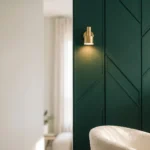
Accent walls are safer than full-room color. Paint one wall a muted teal, dusty rose, or soft mustard.
The rest stays neutral. You get personality without commitment issues.

Accent furniture serves the same purpose. A jewel-toned ottoman. A deep blue accent chair. Bolder color in smaller doses feels intentional instead of chaotic.
Textiles are the easiest way to play with color. Pillows. Throws. A colorful rug. Swap them seasonally if you get bored. No permanent damage.

Honestly, this is where Pinterest becomes your best friend.
Save images that resonate, and you’ll notice color patterns. Your instincts are usually right.
Bedroom Layout Comparison Table
| Layout Type | Best For | Key Advantage | Potential Downside |
|---|---|---|---|
| Bed against wall | Small rooms, traditional feel | Maximizes floor space | Can feel cramped |
| Bed floated in room | Larger spaces, modern aesthetic | Creates distinct zones | Takes up floor space |
| Bed perpendicular to wall | Narrow rooms, corner positioning | Breaks up linear space | Requires strategic furniture |
| Bed by window | Natural light lovers | Morning sun exposure | Difficult blackout curtains |
Mirrors: Making Rooms Feel Bigger

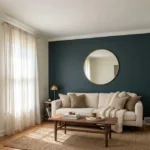
Mirror placement is secretly genius. A large mirror opposite a window bounces natural light around and makes the room feel twice its size.
Don’t just hang one mirror. Layer them. A small round mirror beside a larger rectangular one creates visual interest and practical reflection from multiple angles.
Ornate, decorative mirrors become art pieces. Simple, minimalist frames keep things clean. Your style should dictate shape and frame, but placement matters more than the mirror itself.
I added one mirror to a dark corner of my bedroom, and suddenly that corner felt bright. That’s not exaggeration—reflected light genuinely transforms small spaces.
Flooring Ideas Worth Considering

You don’t need to rip up your floors. Rugs do the heavy lifting.
Layered rugs create coziness and define zones. A larger neutral base rug anchors the space. A smaller patterned rug on top adds visual interest.
Natural fiber rugs (jute, sisal, wool) feel organic and warm underfoot. They’re textured without being scratchy.

Bedroom runner beside the bed means your feet hit something soft when you wake up. Sounds basic; it’s genuinely nice.
Hardwood looks clean. Carpet feels cozy. Laminate is practical.
Pick based on budget and lifestyle, but definitely layer with a rug. Bare floors feel cold (literally and emotionally).
DIY Headboard Ideas
Headboards don’t require a $1,500 purchase. You can build something meaningful.
Fabric headboard: Mount a dowel rod at the height you want and drape linen or canvas. Secure with a staple gun. Looks curated and costs $50.

Shiplap headboard: DIY shiplap behind just the bed instead of the whole wall. Same warmth, quarter the cost and effort.
Upholstered headboard: Grab MDF board, padding, fabric, and staples. Seriously, YouTube can teach you this in one afternoon.

Gallery wall headboard: Lean into asymmetry. Mix framed prints, tapestries, and artwork at varying heights. Bohemian, personal, and totally doable.
The point: a headboard doesn’t have to be expensive to be striking. Effort beats budget when it comes to visual impact.
Storage and Organization Ideas
Out of sight genuinely means out of mind. When your space is organized, your brain quiets down.
Drawer dividers keep your dresser from turning into a chaotic explosion.
Closet organization: Hang clothes by category and color. I know this sounds type-A, but there’s real psychology here. Visual order creates mental calm.
Baskets on shelves hide clutter while staying accessible. Label them if you’re ambitious. Don’t label them if you’re normal.

Over-door organizers capture wasted space. Shoes, accessories, or smaller items stay accessible and off the floor.
The goal isn’t perfection. It’s creating systems you’ll actually maintain. If it’s too complicated, you’ll abandon it within weeks.
Scent and Sound: The Invisible Elements
Scent matters. Seriously. A subtle lavender or chamomile scent (through a diffuser, not overwhelming air freshener) promotes relaxation. Citrus and mint feel energizing. Pick scents intentionally.
White noise machines or ambient sounds help many people sleep. Rain. Ocean waves. Forest sounds. These cost nothing if you’re using your phone, or invest in a dedicated machine.
Noise-canceling technology is advancing. Some people use earplugs; others prefer white noise. Know yourself and plan accordingly.
Your bedroom should be a sensory sanctuary, not just a visual one.
Seasonal Bedroom Updates

Your bedroom doesn’t need to stay static. Seasonal changes keep things fresh without major investment.
Summer: Lighter fabrics. Cotton sheets. Remove heavy throws. Open windows for cross-breeze.
Fall: Warm layers. Thicker blankets. Deeper accent colors. Closed windows for privacy.
Winter: Weighted blankets. Flannel sheets. Extra pillows and throws. Maximum coziness.
Spring: Fresh flowers. Lighter colors. Refresh bedding and curtains. Open windows.
Rotate your décor elements seasonally. Swap throw pillows. Change artwork. These small shifts keep the space feeling intentional and prevent staleness.
Budget-Friendly Upgrades That Punch Above Their Weight
You don’t need massive spending to transform your bedroom. Prioritize smartly.
Best ROI investments:
- Quality bedding (sheets, pillows, duvet)
- One good lighting fixture
- A substantial piece of artwork
- One quality piece of furniture (nightstand or dresser)
These fundamentals elevate everything else. Cheap bedding undermines even a beautiful room. Poor lighting makes luxury furniture look mediocre.
Everything else is additive. Start here. Build from there.
Shopping secondhand works too. Vintage furniture from thrift stores and online marketplaces adds character and costs less. Inspect carefully, but refurbished pieces often outshine mass-produced alternatives.
Common Bedroom Mistakes to Actually Avoid
Too much furniture makes rooms feel cramped. Even in larger bedrooms, restraint creates elegance. Every piece should justify its presence.
Clashing styles confuse the eye. You don’t need cookie-cutter matching, but cohesion matters. Industrial-meets-Victorian feels fractured. Industrial-meets-minimal feels intentional.
Ignoring the ceiling is weird because you stare at it before sleep. Paint it white if your walls are dark. Paint it the same as the walls for seamlessness. Paint it a soft accent color if you’re feeling bold. Just acknowledge it exists.
Neglecting your windows wastes free light. Treat them as a design element, not an afterthought.
Forgetting about air circulation creates stuffiness. Crack a window. Run a fan. Stagnant air feels stagnant psychologically too.
FAQs About Creating Your Cozy Bedroom
Q: How much should I spend on sheets if I’m on a budget?
A: You don’t need luxury brands, but thread count matters. Aim for 300+ count in 100% cotton. Target, Costco, and Amazon have solid options between $30-50. Avoid anything under 200 thread count—it’ll feel thin and wear quickly.
Q: Can I make a small bedroom feel bigger without moving?
A: Absolutely. Use light colors, strategic mirrors, vertical storage, and minimal furniture. Hang curtains high and wide. Float your bed slightly off the wall. These changes cost almost nothing and work dramatically.
Q: What’s the best bedroom temperature for sleep?
A: Sleep research points to 60-67°F (15-19°C) as optimal. Your body naturally cools for sleep, so a slightly cold room supports that biological process. Everyone’s different, but cooler beats warmer.
Final Thought
Your bedroom is your personal economy. You’re investing time and resources into a space where you spend roughly 3,000 hours annually. That deserves intention.
You don’t need everything on this list. Pick ideas that resonate. Maybe it’s the color palette. Maybe it’s the lighting approach. Maybe it’s just the permission to treat your bedroom as something that matters.
Build the space you actually want to be in. Not the one you think you should want. Not the one that photographs well. The one that makes you feel calm when you step inside.
What’s your biggest bedroom frustration right now? That’s your starting point. Fix that first. Everything else builds from there.