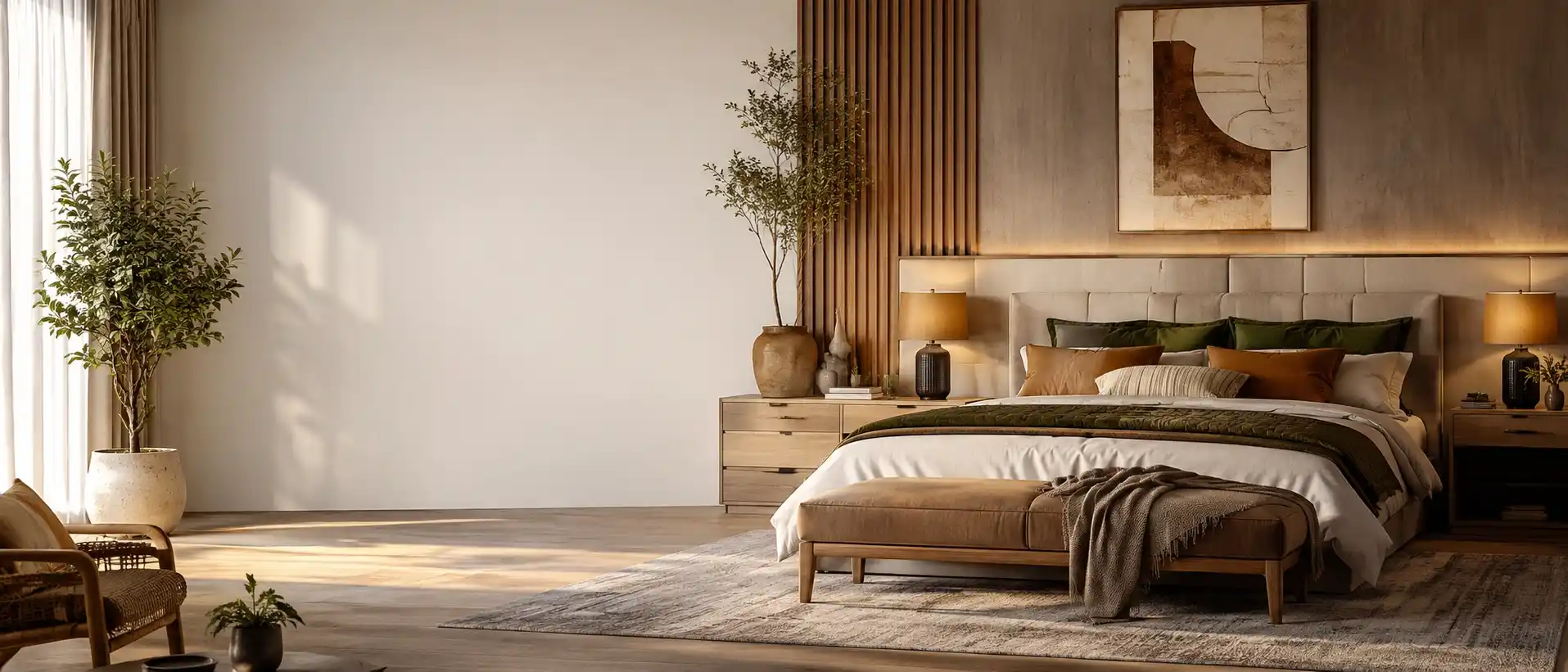
Your bedroom should feel like the only place where nobody bothers you and your thoughts actually settle down.
Not like some magazine spread that makes you feel anxious every time you walk in.
I’ve spent way too many years getting this wrong. Dark walls that made mornings feel depressing.
Harsh overhead lighting that screamed “interrogation room.” Furniture crammed in because Pinterest said that’s how you maximize space.
Eventually, I realized the goal isn’t to copy someone else’s aesthetic—it’s to build a room that genuinely feels like yours.
That’s what this guide is about. We’re skipping the generic advice and getting into the actual decisions that transform a bedroom from “fine” into “I never want to leave.”
What Actually Matters in Bedroom Design
Before jumping into colors and furniture, let’s talk about what people usually get backward.
Most folks pick a color scheme first, then try to find everything else to match. That’s backward.
Your bedroom works best when you start with how you want to feel in it. Do you need energizing? Calming?
A creative space that doubles as a workspace? Everything else flows from that one decision.
Light quality shapes mood more than anything else. Paint color runs second. Furniture arrangement comes third. Get these three in order, and everything else clicks into place.
Color Psychology: Beyond Pinterest Perfection
Here’s the thing about bedroom colors—they work differently depending on your light situation.
A deep charcoal that looks moody and sophisticated in a room with great natural light becomes a cave in a basement bedroom.
That matters way more than following some design rule about what color you “should” pick.
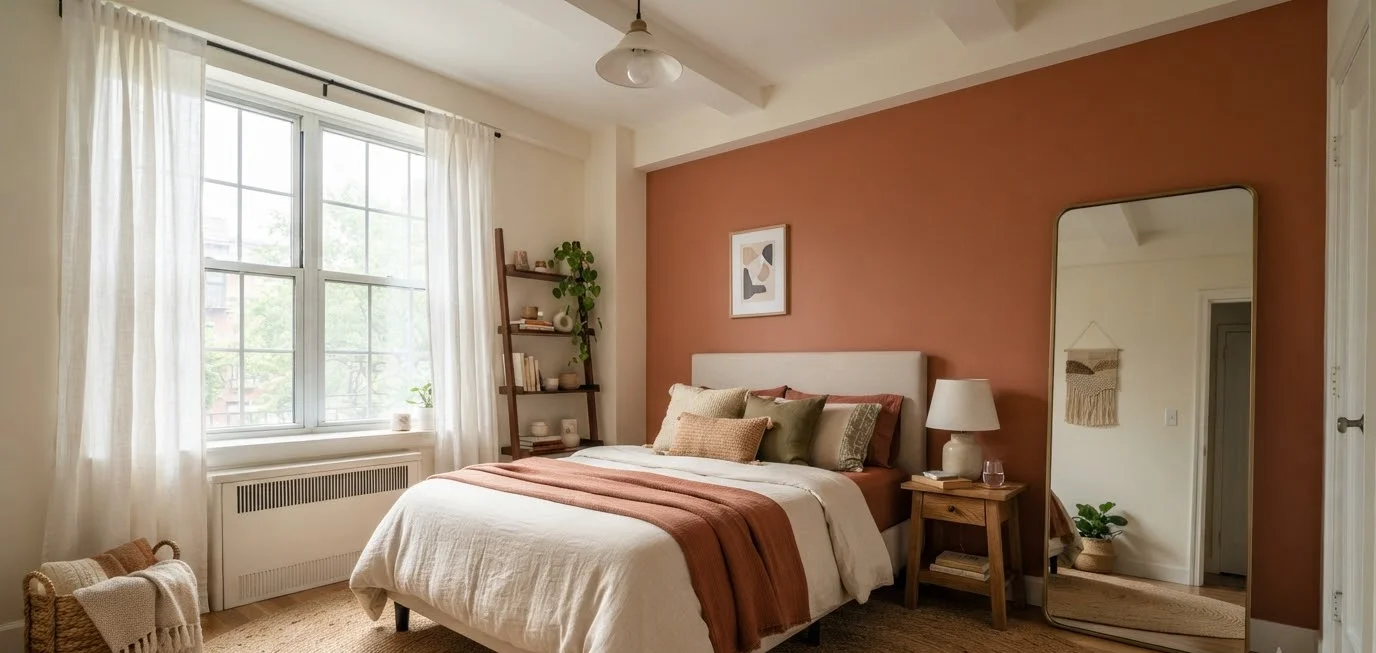
Warm Tones (Beige, Warm Grays, Soft Terracotta)
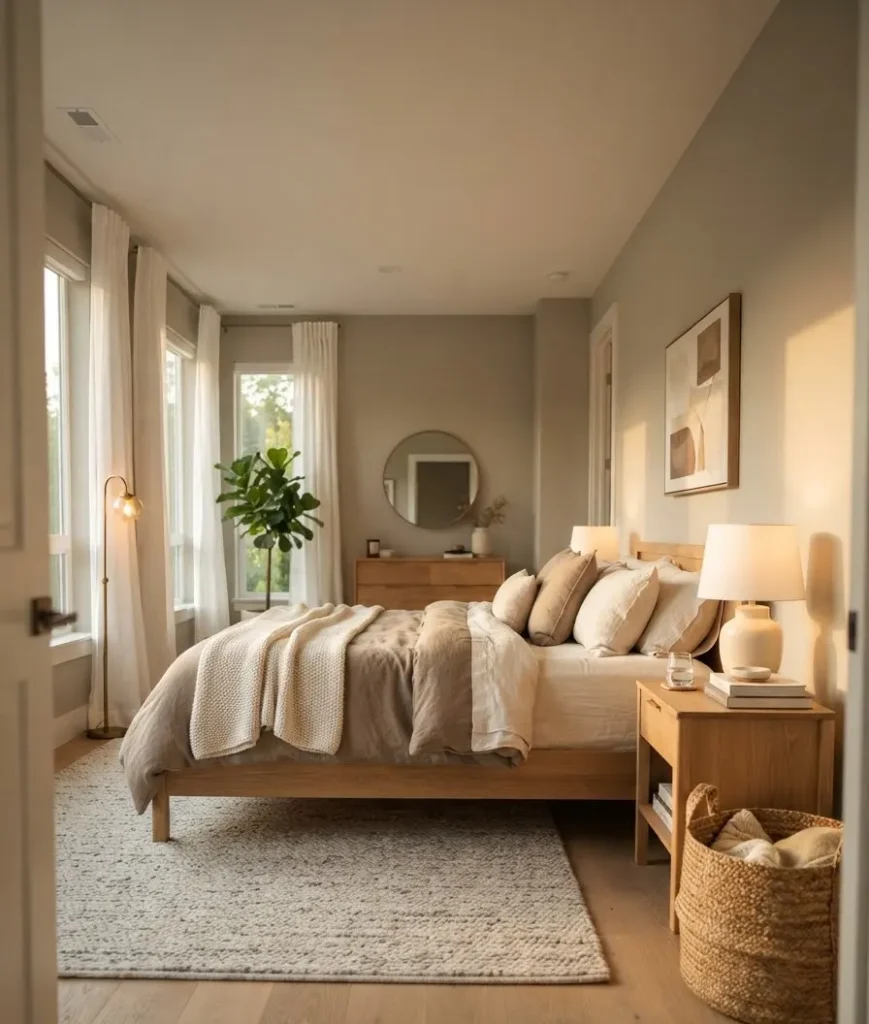
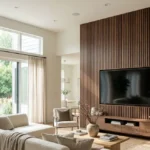
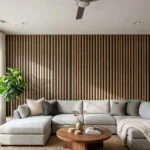
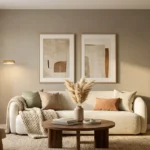
Warm neutrals create instant coziness. I gravitate toward these because they actually feel restful without trying too hard.
They also hide dust better than lighter shades (not that I’m admitting anything about my housekeeping).
The trick is picking a warm neutral that doesn’t look beige-corporate. Look for versions with golden undertones rather than harsh yellows.
Warm grays especially—sometimes called “greige”—hit that sweet spot between sophisticated and livable.
If you go this direction, layer different textures. Your walls might be neutral, but your bedding, curtains, and throw blankets should have depth.
Cool Tones (Sage, Dusty Blue, Pale Gray)
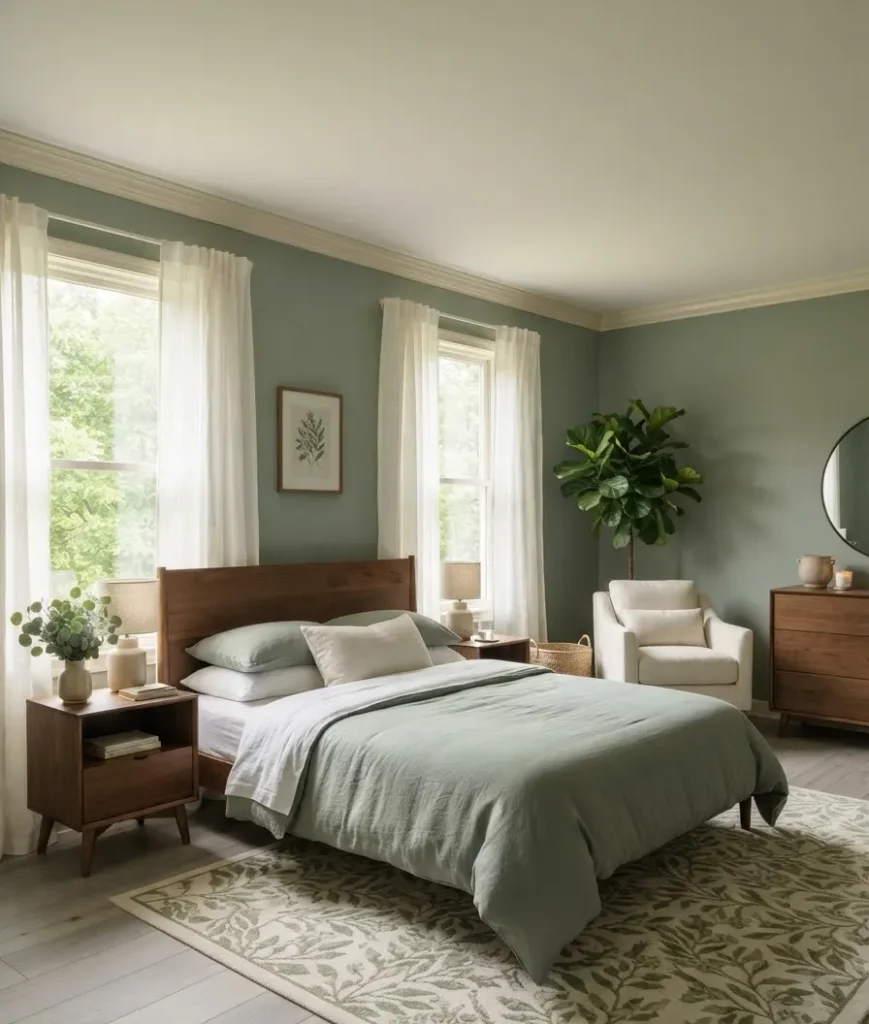
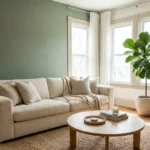
Cool colors feel calming. Sage greens have become popular for good reason—they’re soothing without being boring.
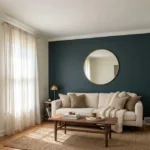
Dusty blues work too, though I find they need warmer elements (like warm wood tones in furniture) so the room doesn’t feel cold.
The risk with cool tones? Picking something too saturated. A true, bright teal is energizing, which defeats the purpose of a bedroom.
You want muted, soft versions that feel like they belong in nature rather than a tech startup.
Bold Colors (Deep Jewel Tones, Navy, Forest Green)
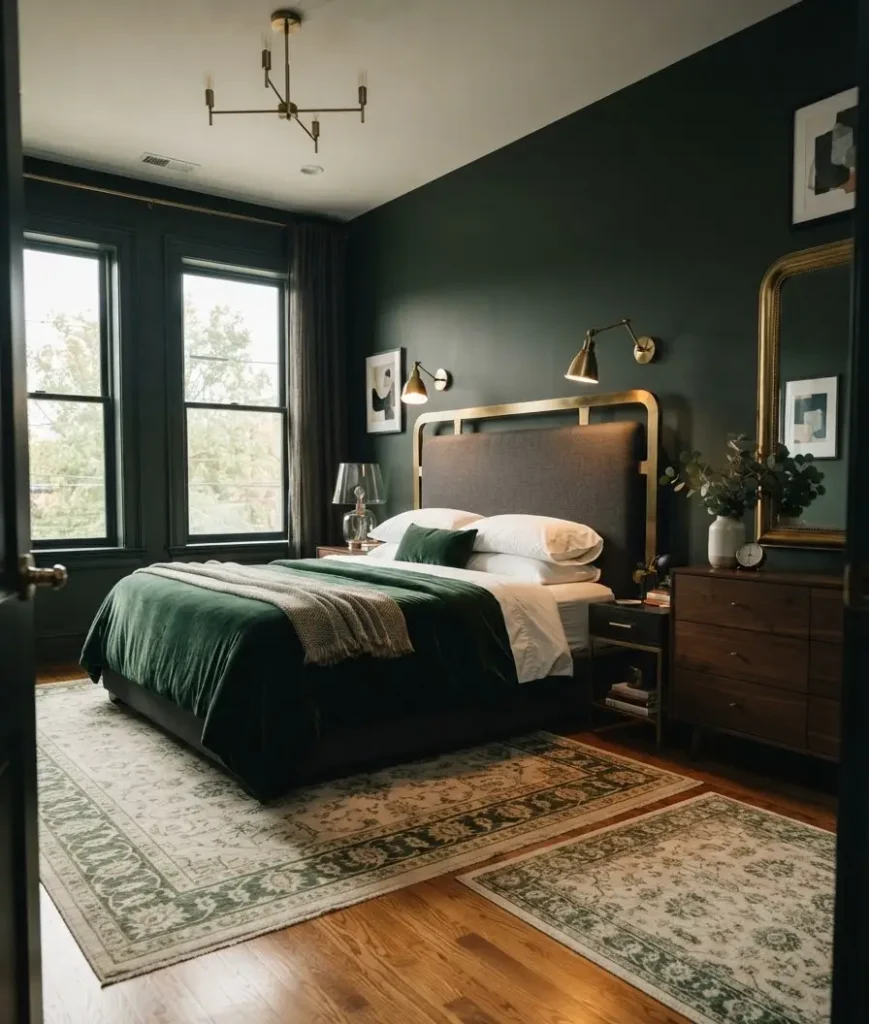
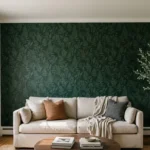
Dark, rich colors can work beautifully if you have the light to support them.
They require either excellent natural light or strategic artificial lighting. Otherwise you’re essentially painting your walls black.
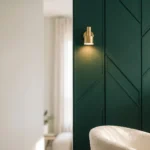
I tested this once with a deep emerald green. In daylight, stunning. At night with standard lighting, I felt like I was sleeping in a hole.
Strategic wall sconces made all the difference. If you’re considering deep colors, commit to lighting that actually works with it.
The Lighting Situation (Where Most Bedrooms Fail)
This is where I get frustrated. Overhead lighting in bedrooms is almost always wrong. It’s too bright, it’s harsh, and it makes you feel exposed rather than cozy.
Think of lighting in layers. You need general ambient light for getting dressed and moving around safely. You need task lighting for reading. You need mood lighting for everything else.
Ambient Lighting Options
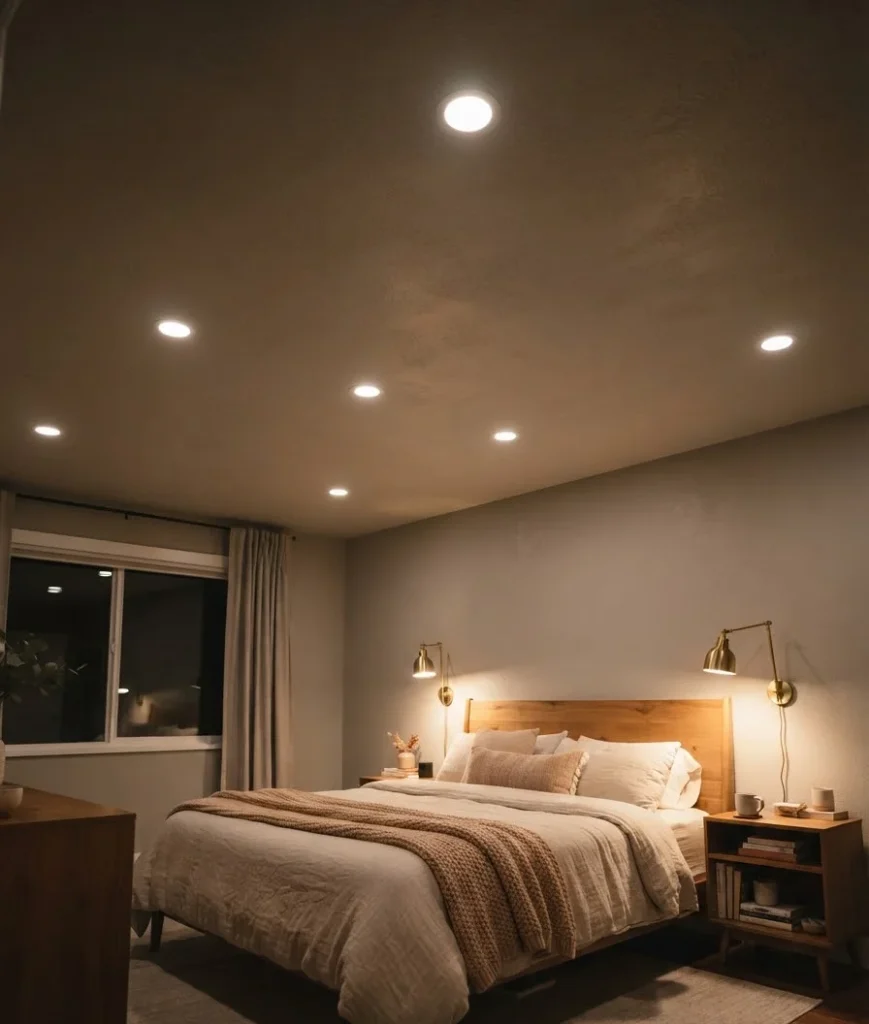
Recessed ceiling lights work okay if you get dimmable ones. Some people do a central fixture that’s dimmed to like 30% in the evenings—that’s functional without being brutal.
Honestly? Wall sconces on either side of the bed often work better than overhead options.
They cast light differently, they’re usually dimmable, and they feel intentional rather than practical.
Task Lighting Worth Considering
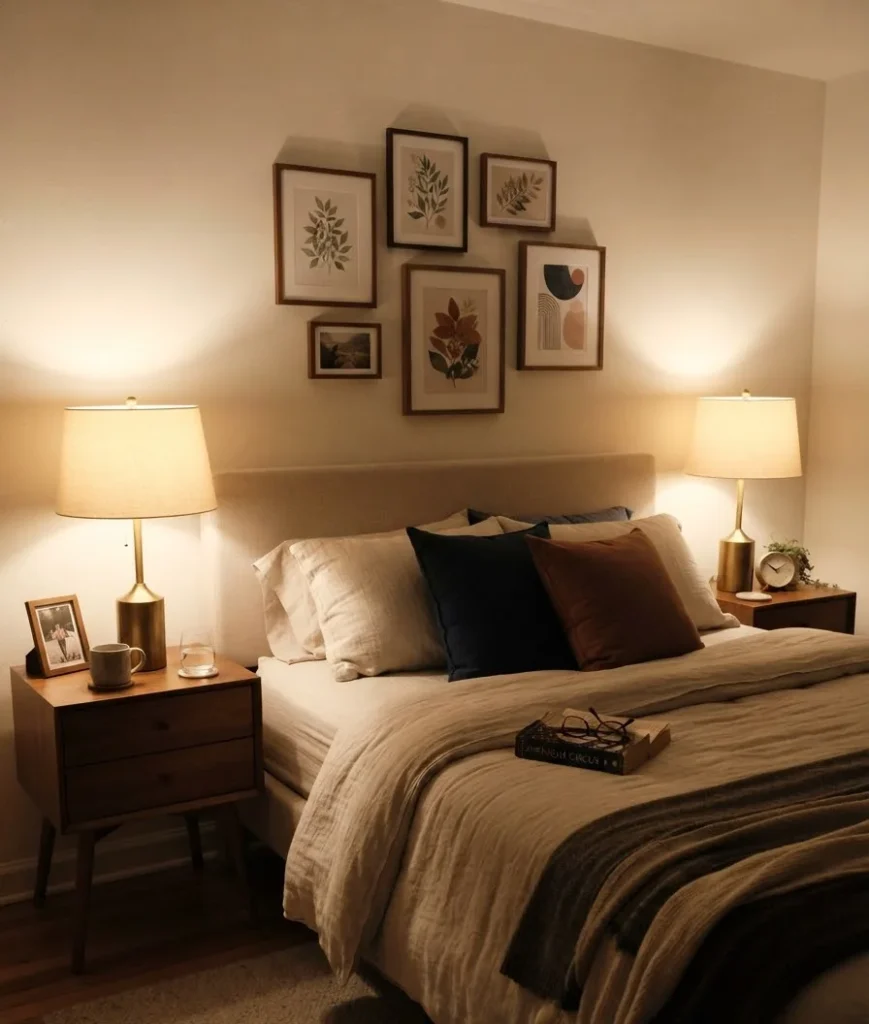
Bedside lamps serve double duty. You need something bright enough to read by, but it shouldn’t feel like a desk lamp.
Look for ones with a wider shade opening toward the bed rather than lamps that just point downward.
If you’re a reader, this matters. A bad bedside light ruins reading. A good one makes reading in bed actually comfortable.
Some people add a small bookshelf lamp or a clip-on reading light. These are honestly underrated.
Mood Lighting (The Secret Ingredient)
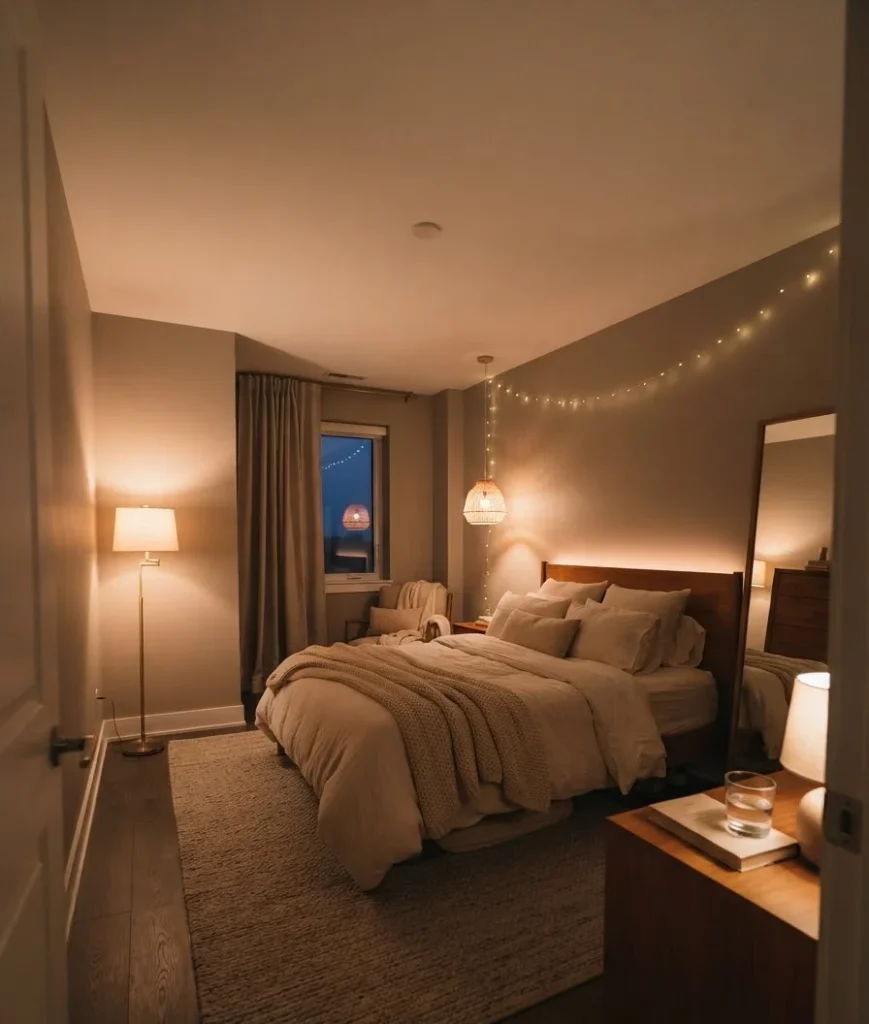
This is the layer nobody thinks about until they try it. Soft background lighting that’s not doing a job, just existing.
Maybe it’s a small accent lamp in a corner. Maybe it’s string lights above the headboard (hear me out—they can look sophisticated if you’re intentional about placement, not just slapped across like a college dorm).
Honestly, I use a small lamp across the room pointed at a blank wall most evenings. The indirect light is calming in a way nothing else achieves. It costs like 20 bucks.
Color Temperature Reality
Warm white light (around 2700K) feels cozy. Cool white light (5000K+) feels clinical. Most bedrooms should lean warm.
Here’s what people don’t realize: the brightness level matters more than the color temperature. A dim cool light still feels okay.
A bright warm light at full blast feels overwhelming. Start with warm tones, then adjust brightness to match your mood, not some design rule.
Furniture: Function Before Fashion
Bedroom furniture doesn’t need to match. It needs to work.
The Bed as Foundation
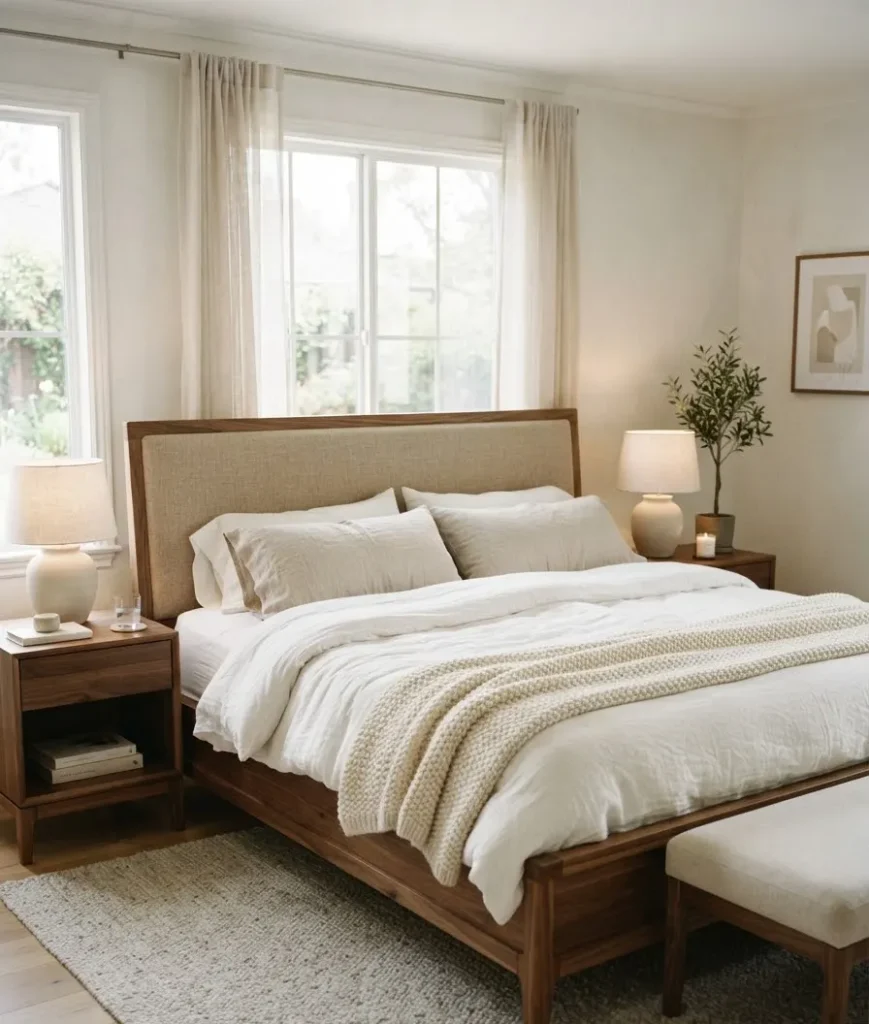
Your bed frame sets the tone for everything else. Not the style—the actual function. A bed frame that takes up too much visual space in a small room shrinks the room.
A bed frame that has too much open space underneath in a small room makes it hard to keep things organized.
Personal preference: solid headboards feel more grounded than slatted ones. They also provide subtle sound dampening, which matters if you live in an apartment or a noisy area.
Mattress firmness is worth getting right. This sounds obvious, but most people pick a mattress and live with it.
Memory foam versus innerspring versus hybrid—this depends on how you sleep, not some universal rule.
If you wake up with back pain, try something different before blaming your pillow.
Nightstands That Actually Hold Things
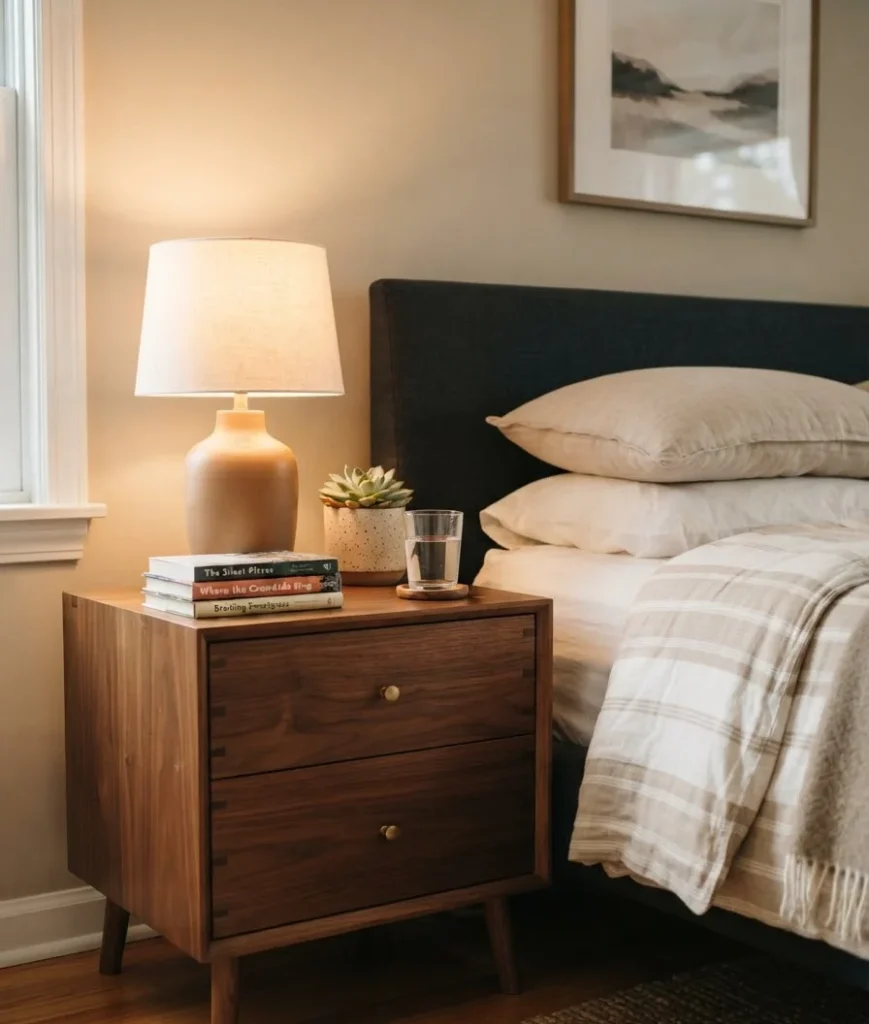
Get nightstands with drawers. Open shelving looks modern until you realize you have nowhere to put your water glass that isn’t visible.
Drawers hide phone chargers, books you’re not reading yet, and everything else that accumulates.
The height should match your mattress so you can reach it without sitting up. Most nightstands are slightly too low or too high—test before buying.
Storage Solutions (Non-Negotiable)
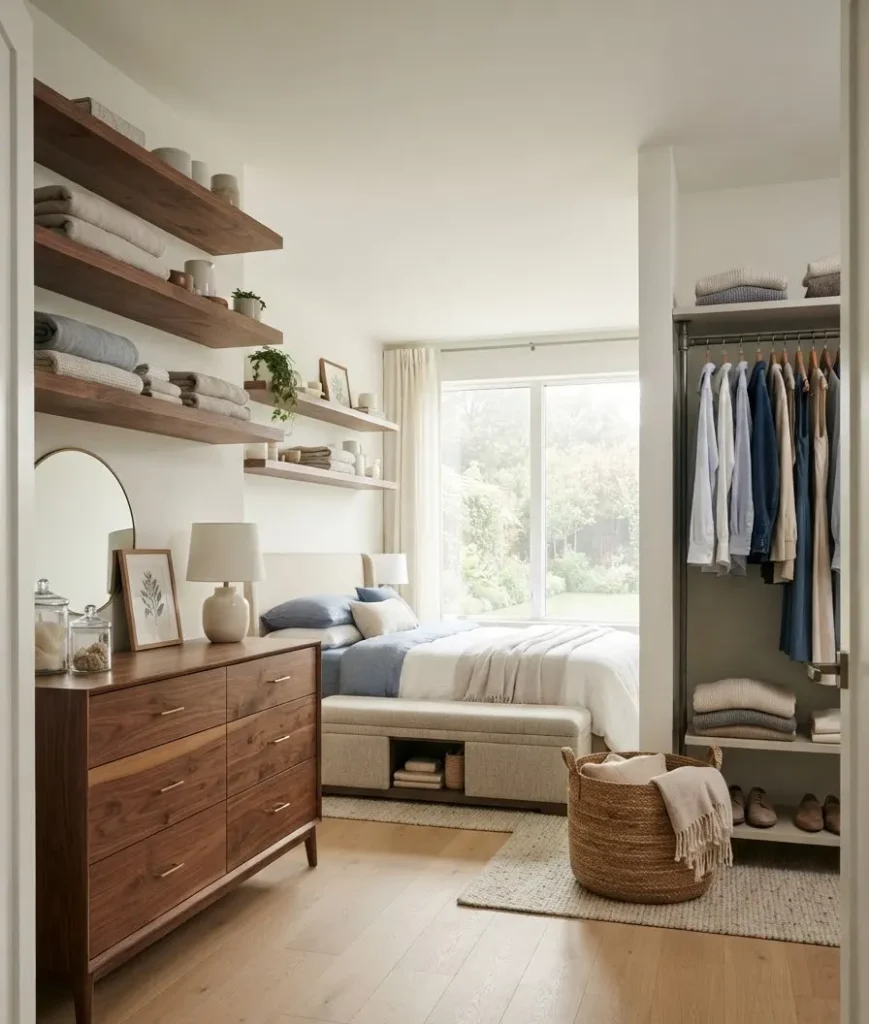
Bedroom clutter destroys the peaceful feeling. You can’t relax if your eyes are constantly landing on piles of clothes or random stuff.
A dresser does actual work. Hanging storage (closet rod, wall shelves) handles things that don’t fit in drawers.
A storage bench at the foot of the bed doubles as seating and storage.
FYI, the amount of storage you think you need? You need more. Especially if you live somewhere with seasonal changes.
Seating (Often Overlooked)
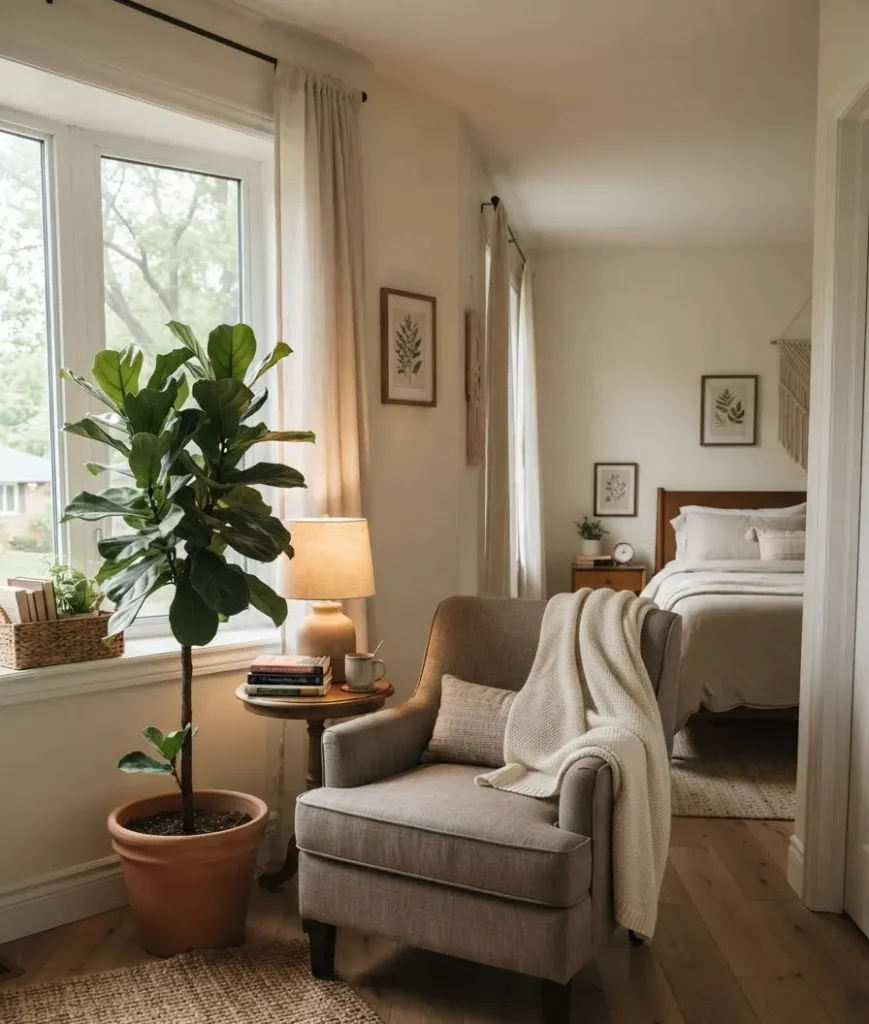
A chair in the corner changes how a bedroom feels. It doesn’t need to be fancy—even a simple upholstered chair gives you a second place to sit besides the bed.
Reading, phone calls, getting dressed—it changes how you use the space.
Some people add a small ottoman instead. Bonus: ottoman storage gets hidden extras out of sight.
Layout Tactics That Actually Work
Bedroom layout seems obvious until you realize your furniture arrangement is making the room feel cramped or awkward.
Bed Placement Strategy
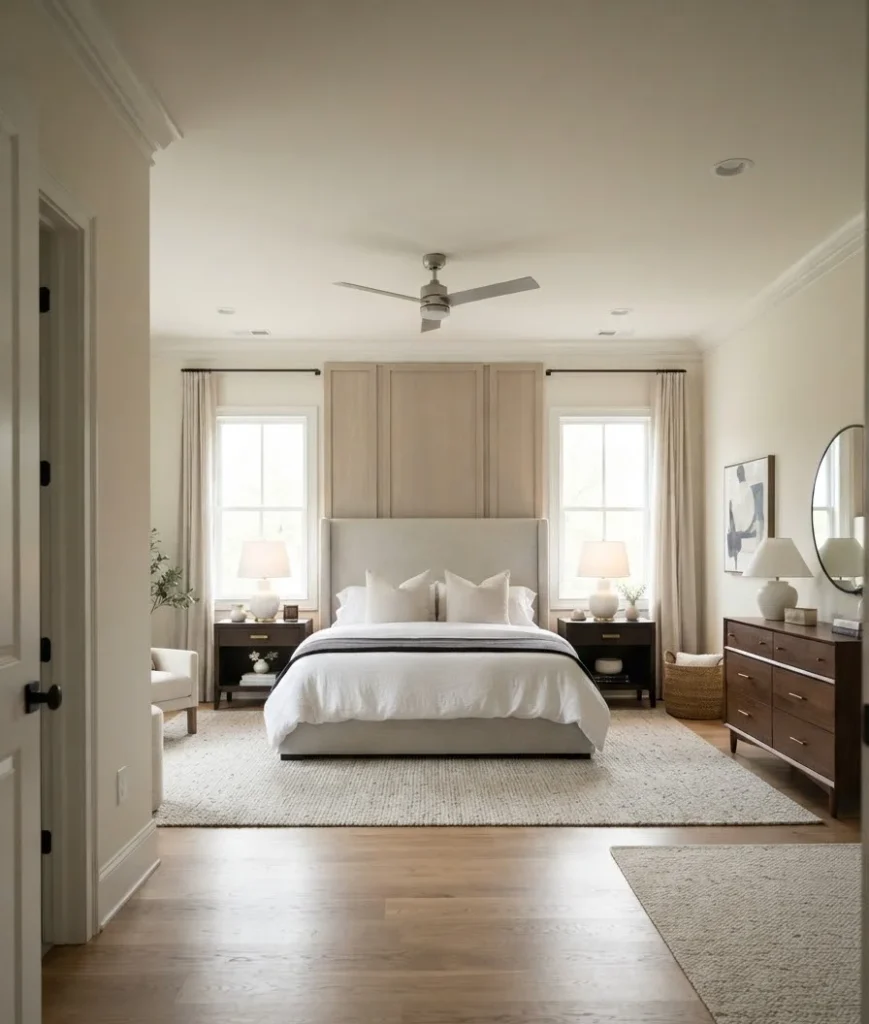
Center the bed on the main wall if possible. This feels balanced and intentional.
Side placement works if your room demands it, but avoid the awkward “floating in the middle” placement that wastes space.
In smaller rooms, the bed against the window might be necessary. That’s fine. Just acknowledge it and build the rest of the layout around that reality.
Traffic Flow Matters
You should be able to move from the door to the bed to the dresser without navigating around furniture.
This seems simple, but a surprising number of bedrooms have furniture blocking natural walking paths.
Think about getting dressed in the morning. Can you move from closet to dresser to mirror without rearranging things? If not, rearrange furniture, not your routine.
Wall Space as Design Real Estate
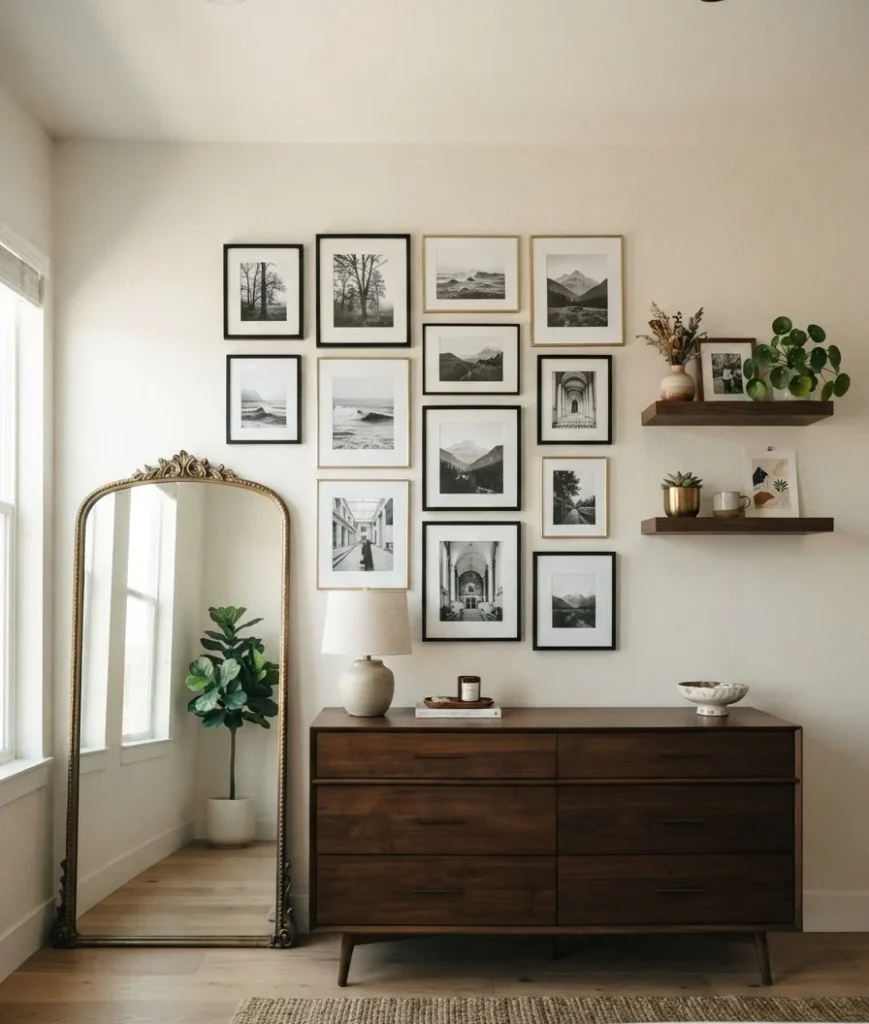
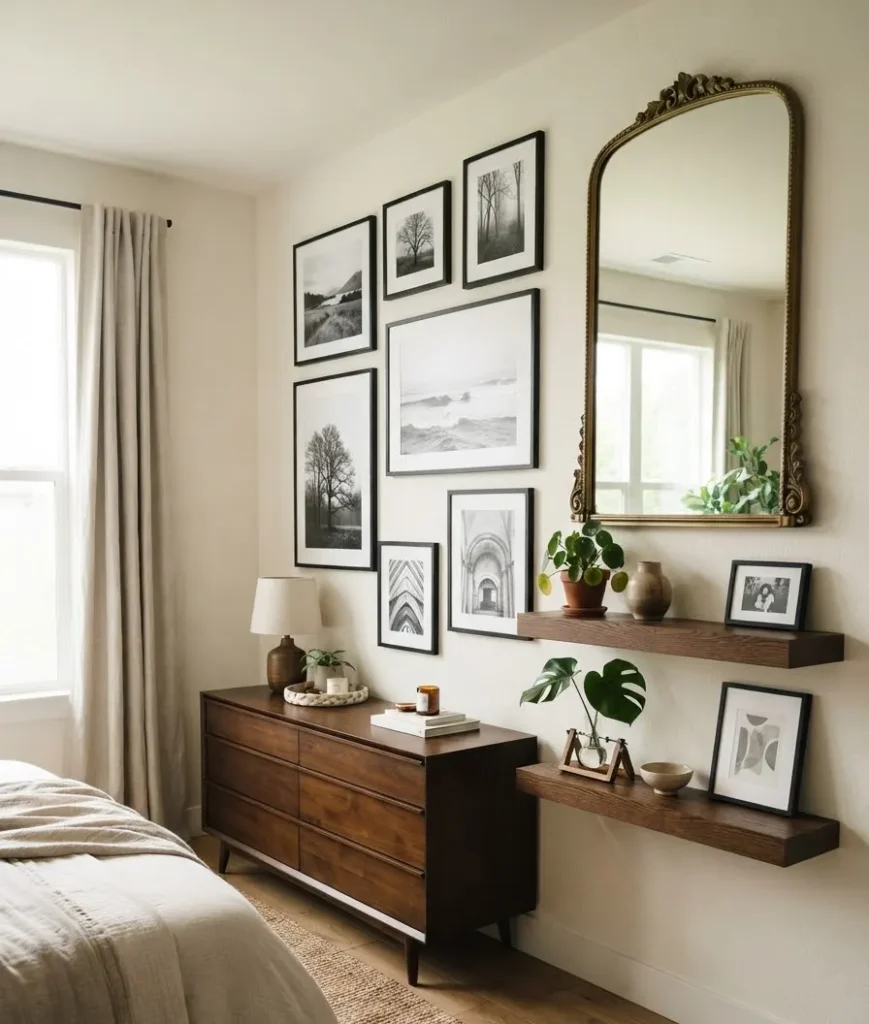
Vertical space gets ignored in bedrooms. A gallery wall above a dresser. Floating shelves for plants and small decor.
A large mirror opposite the window bounces light around and makes the room feel bigger.
Honestly, a large mirror is one of the most underrated bedroom investments.
It changes how light moves through the space and makes rooms feel less claustrophobic.
Texture and Materials: Feel Matters
This is where bedrooms get interesting beyond color and furniture. Texture creates depth.
Bedding Basics
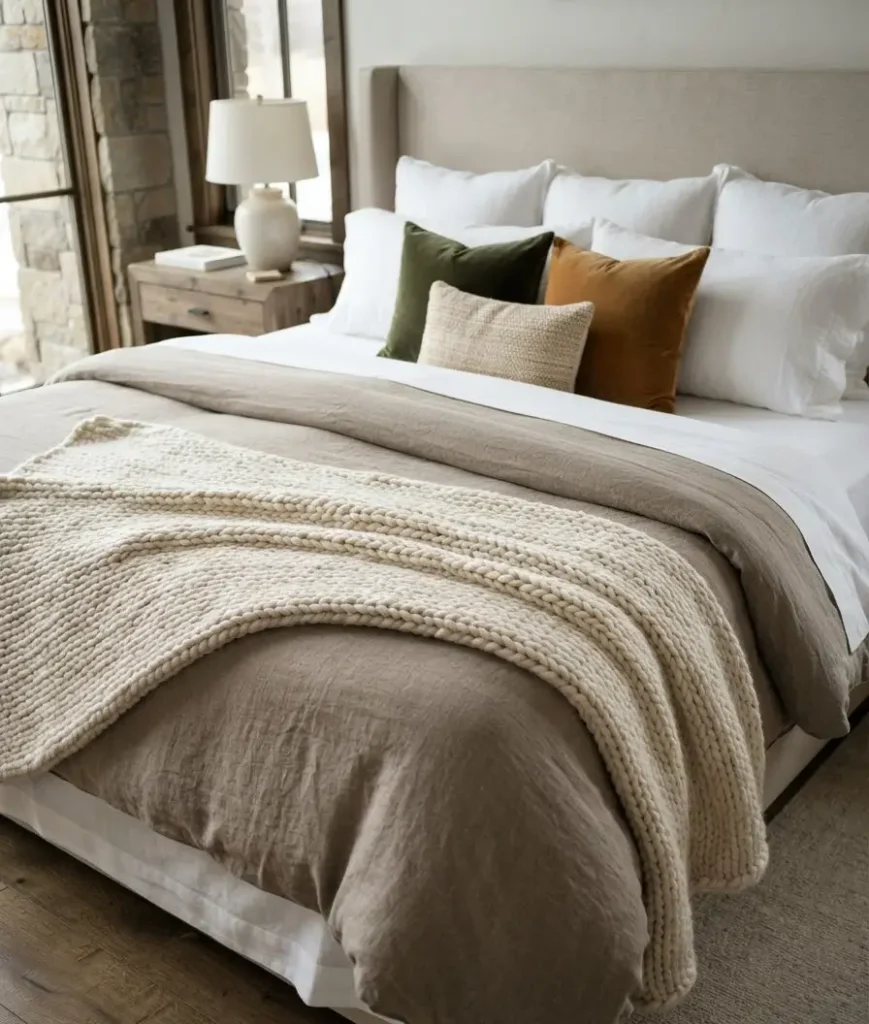
Good sheets change everything. Cotton matters—Egyptian cotton isn’t just marketing.
The thread count marketing is BS (anything over 800 is basically a con), but the actual fabric quality makes you sleep better.
Layering bedding (sheets, duvet, throw blanket) creates visual interest and practical warmth. You can adjust warmth without sweating.
Window Treatments
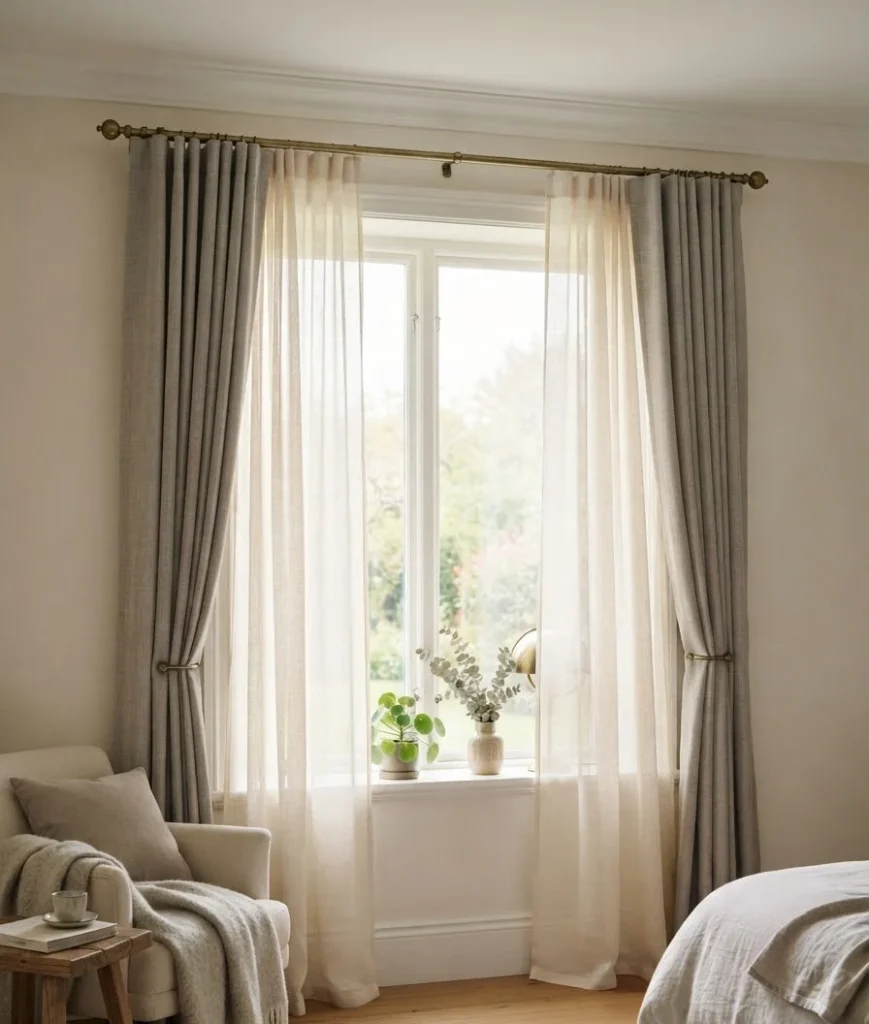
Blackout curtains serve a function—light control. They also insulate better than regular curtains. Look for thermal-lined options if you care about temperature regulation.
Sheer curtains let light filter through without exposing you to the outside.
Layering sheer with blackout gives you options instead of committing to one look.
Flooring Choices
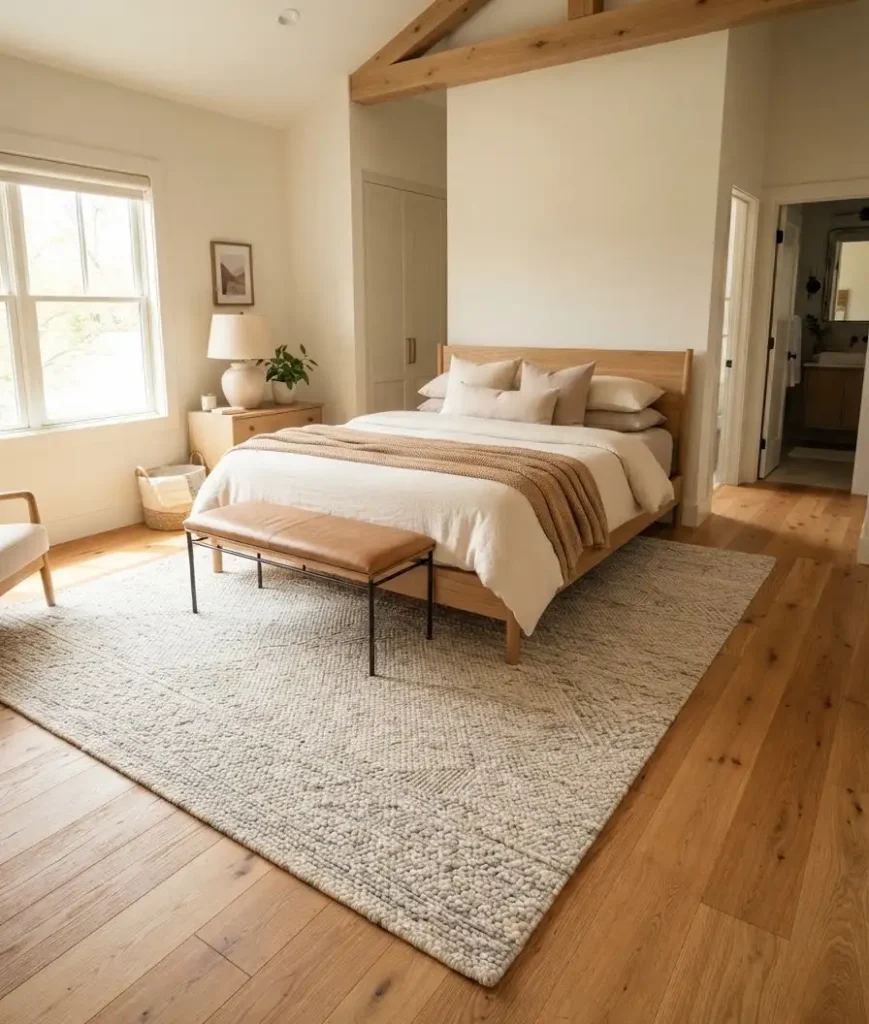
Hardwood feels different than carpet. Carpet deadens sound better than hardwood.
If you have hardwood, a large area rug under or beside the bed makes the space feel warmer.
I’m not saying rip out your flooring. Just acknowledge how it affects the room’s feel and adjust accordingly.
Color Combination Table (Quick Reference)
| Color Pairing | Best Light | Mood | Complexity |
|---|---|---|---|
| Warm gray + wood furniture | Natural light | Calm, grounded | Easy to execute |
| Sage green + cream accents | Mixed light | Peaceful, nature-inspired | Moderate |
| Deep blue + brass accents | Warm artificial light | Sophisticated, cozy | Medium-hard |
| Soft beige + layered textures | Any light | Neutral, flexible | Easy |
Common Mistakes I’ve Made (So You Don’t)
Over-decorating the walls feels like it adds personality until you realize your bedroom looks busier than your living room. Bedrooms benefit from restraint.
Buying furniture without measuring. Your dream dresser might not fit. Your ideal bed frame might dwarf the room. Measure twice, buy once.
Ignoring your lifestyle. If you work from home, a bedroom office setup makes sense. If you have mobility issues, certain furniture placement matters more than aesthetics.
If you have kids or pets, durability beats style. Build for your actual life.
Picking trendy colors that you’ll hate in two years. The bedroom color you picked because Instagram was obsessed with it in 2021? Still there in 2026?
Maybe commit to something more neutral for walls and bring trends through textiles instead.
One weird thing I’ve noticed: people overthink bedrooms. They’re spaces for sleeping, reading, maybe getting dressed.
They don’t need to be complicated. Comfortable, functional, and calm beats impressive every time. And honestly, there’s something deeply satisfying about a bedroom that just… works without trying.
FAQ Section
Q: What’s the best color for a small bedroom?
Lighter neutrals make small spaces feel bigger because they reflect light. Warm grays, soft whites, or pale beiges give you all the coziness without closing in the walls.
That said, if you love dark colors, just commit to excellent lighting so it doesn’t feel like a cave.
Q: How much should I spend on bedding?
Good bedding lasts years, so it’s worth the investment. You’re spending roughly 2,500+ hours in those sheets annually.
Spending more on sheets than on your mattress pad seems weird until you realize decent sheets cost 50-100 dollars and transform how sleep actually feels. That’s reasonable.
Q: Can I make a small bedroom feel less cramped?
Yes. Vertical furniture (tall dresser instead of wide dresser) takes up less floor space. Mirrored surfaces reflect light and make rooms feel bigger.
Clear floor space around the bed makes it feel less cluttered. And sometimes, removing furniture you don’t actually use does more than adding anything else.
Final Thought
Your bedroom doesn’t need to look like a catalog. It needs to feel like your space—the one place where you can fully decompress. Every decision (color, light, furniture) serves that single purpose.
Start with how you want to feel. Build from there. Skip the trends unless they genuinely appeal to you.
Test things if possible before committing. And remember: a bedroom that’s boring but makes you sleep amazingly beats a bedroom that photographs well but keeps you wired.
What does your ideal bedroom look like? The one where you’d actually want to spend time?