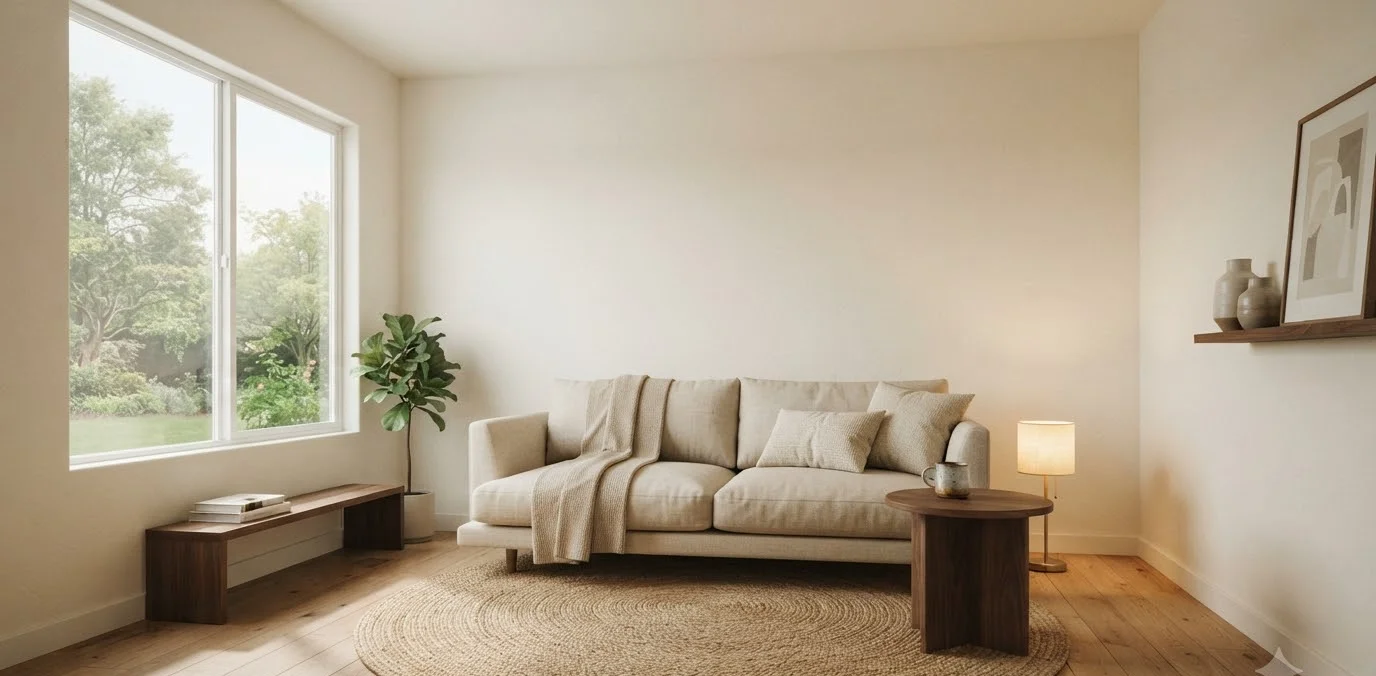
I lived in an all-white apartment for two years and it felt like a dentist’s waiting room. Clean, sure.
Calm, technically. But warm? Not even close. Every photo I took of it looked great on Pinterest and felt strange in real life, like I was staging a home instead of living in one.
That’s the trap a lot of us fall into with minimalism. We clear out the clutter, paint everything a soft neutral, and end up with a space that looks like a showroom nobody actually uses.
If you’ve pinned a hundred “minimalist home” boards and still feel like something’s missing when you look around your own living room, you’re not alone.
The good news: cozy and minimalist aren’t opposites. You just need the right moves, applied in the right order.
I’ve spent years redecorating small rentals on a tight budget (my landlord still doesn’t know about the shelf I installed in year one), and I’ve picked up a few things along the way about what actually makes a simple room feel like home instead of a hotel lobby.
Most of it came from trial and error, not from a design degree.
I repainted one bedroom three times before I landed on a shade that didn’t feel sterile, and I returned more lamps than I’d like to admit before figuring out that bulb temperature matters more than the lamp itself.
Here are 25 ideas that do exactly that, pulled from real rooms I’ve lived in and rooms I’ve helped friends fix, plus a handful of mistakes I made along the way so you can skip them.
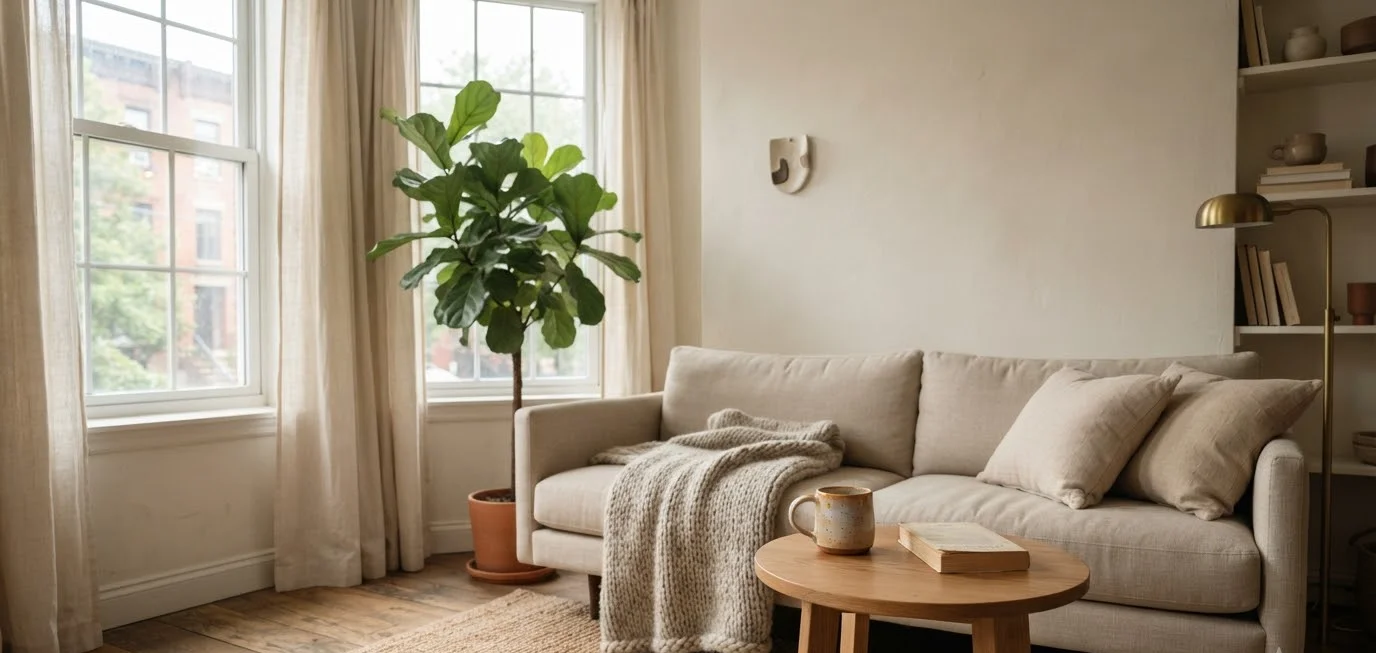
Cozy Minimalist Home Decor On A Budget 15 Smart Tips For Small Spaces
Read More →Why minimalist spaces feel cold in the first place
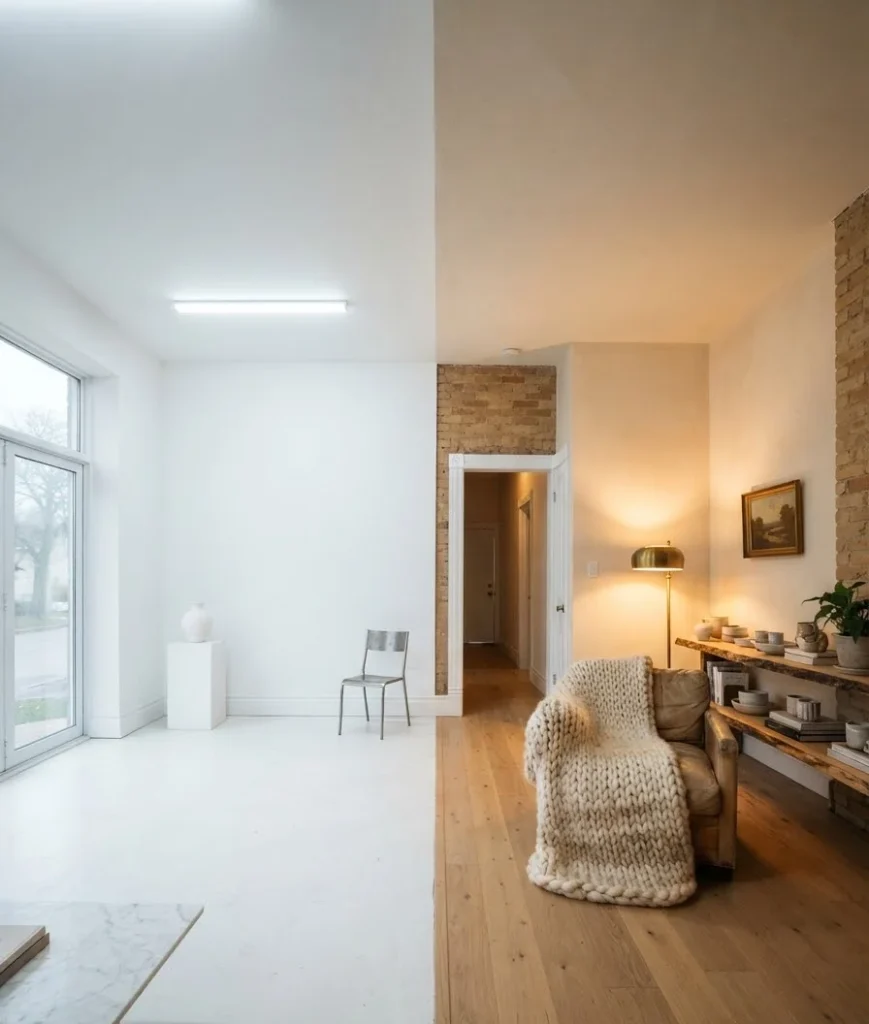
Most minimalist rooms fail for one reason: they stop at subtraction. People remove stuff, paint the walls white, and call it done.
But a home needs texture, warmth, and a bit of personality to feel lived-in, not just tidy.
Think about the last hotel room you stayed in. Spotless, organized, probably had nice linens folded a little too perfectly.
Did it feel like home? Probably not, and that’s the exact gap this list is built to close.
The fix isn’t adding more objects back into the room. It’s choosing the right few.
A room with 10 well-chosen items almost always feels warmer than a room with 30 random ones, and it definitely beats a room with 3 items and nothing else going on.
There’s also a psychological piece to this that doesn’t get talked about enough.
A completely empty room asks nothing of you, and your brain reads that as neutral at best, unsettling at worst.
A few carefully chosen objects, on the other hand, give your eyes somewhere to rest.
That’s the difference between a room that feels calm and a room that just feels bare.
Layer in texture without adding clutter
Texture is the secret weapon of cozy minimalism.
You can keep a room sparse and still make it feel soft and inviting, as long as you’re smart about materials rather than quantity.
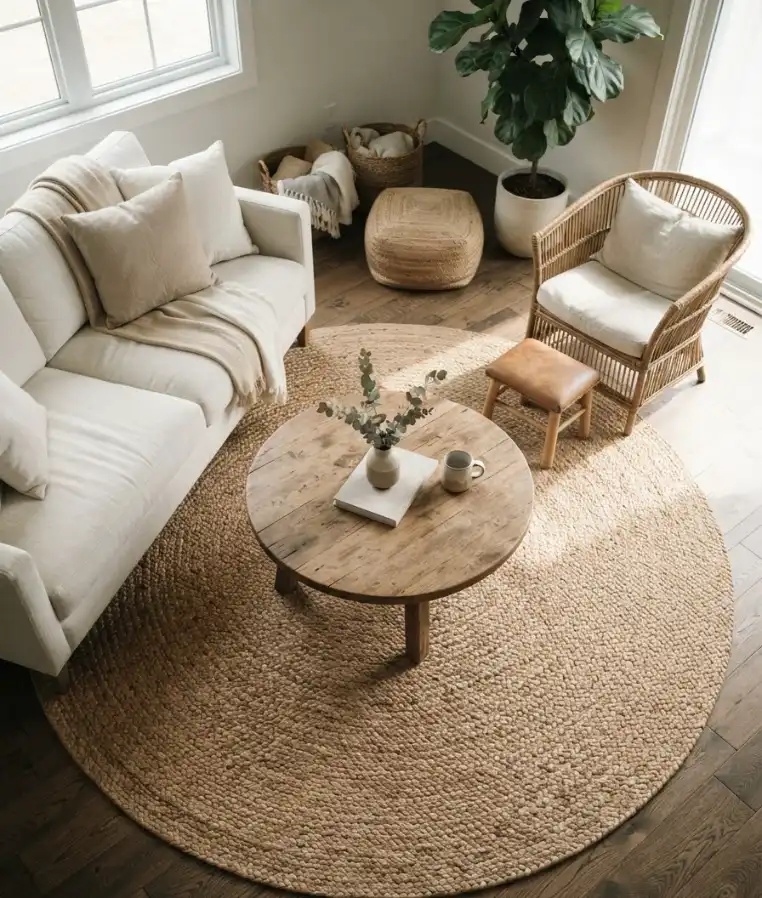
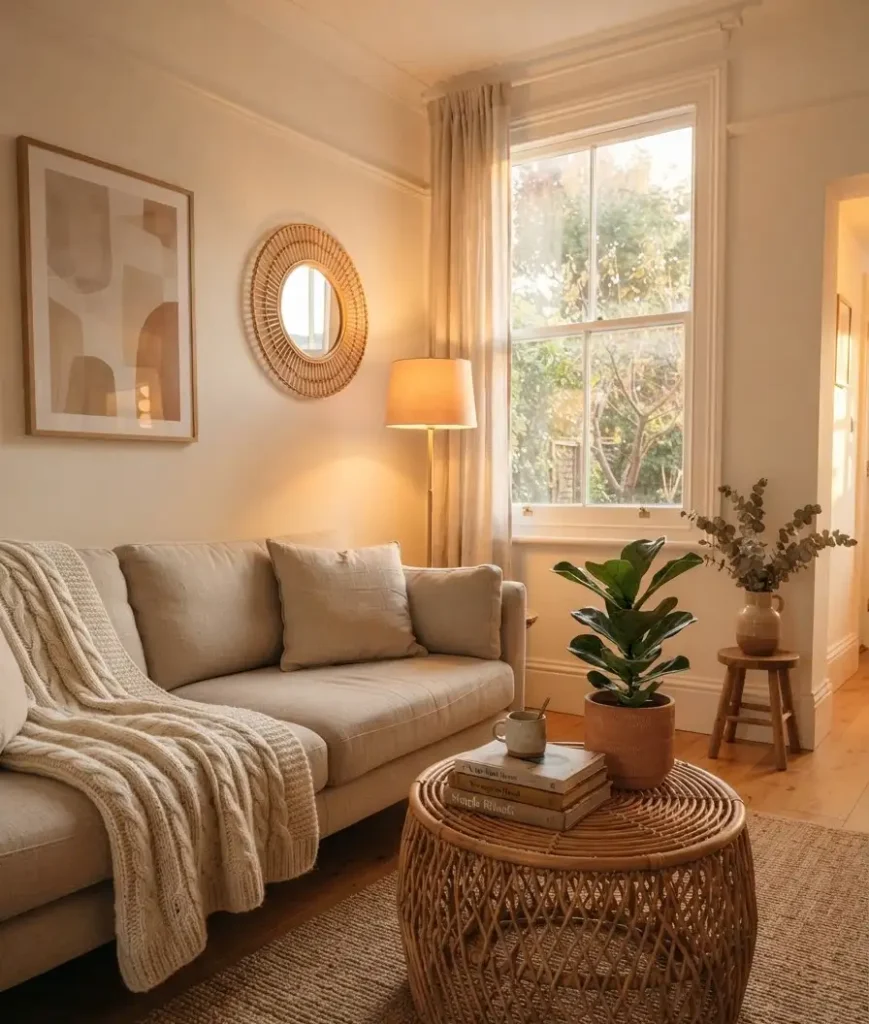
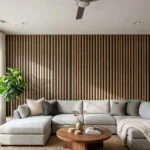
- Swap one flat surface for something tactile. A smooth glass or lacquered coffee table can trade places with a rattan or woven version. The eye reads texture as warmth before you even touch it, which sounds strange until you actually try it in your own space.
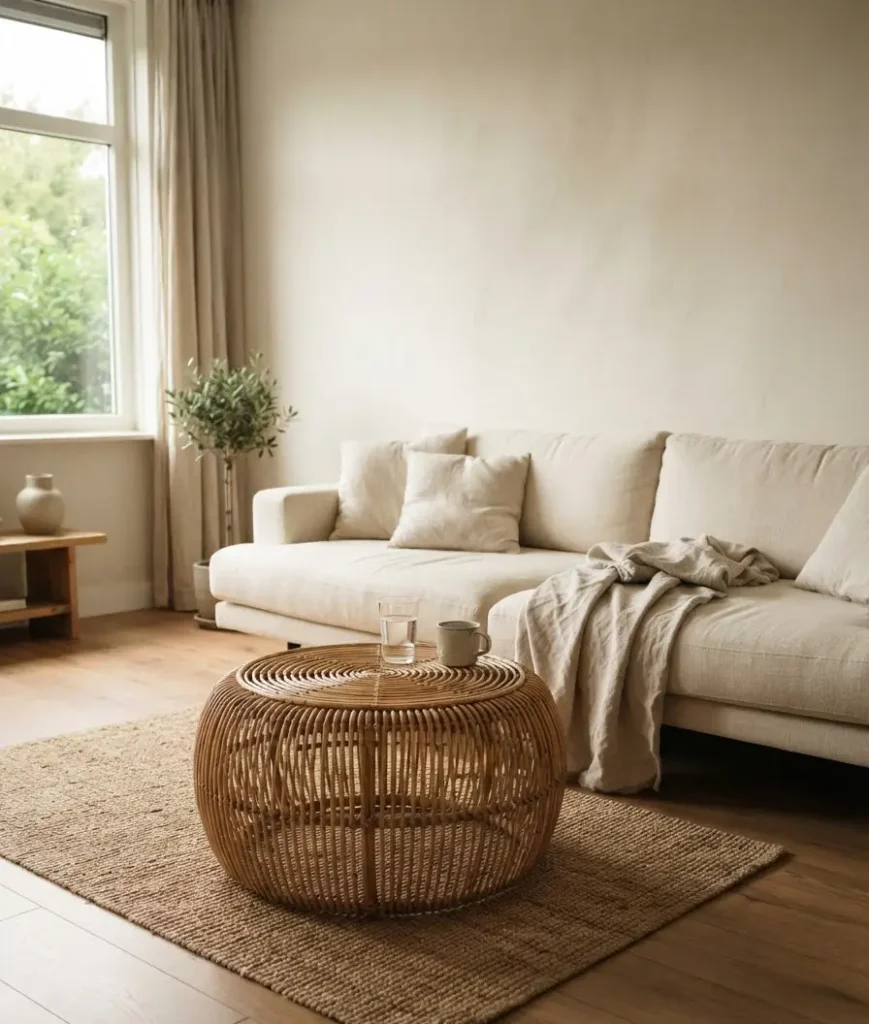
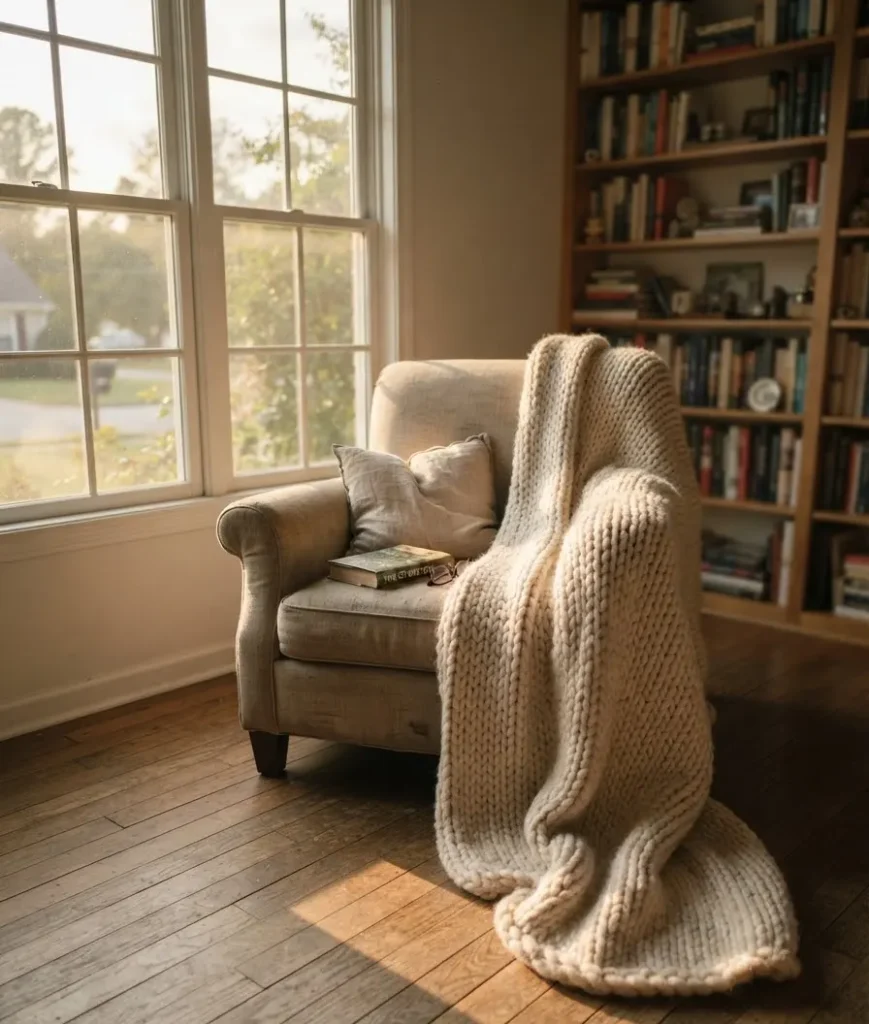
- Add a chunky knit throw. One good blanket draped over a chair does more work than five decorative pillows. I bought mine at a flea market for $12 and it’s still the first thing guests comment on when they walk in.
- Bring in a jute or wool rug. Bare floors read as sterile fast, especially in rentals with laminate flooring. A natural-fiber rug grounds the room without fighting the minimalist vibe, and it muffles sound, which matters more than people expect.
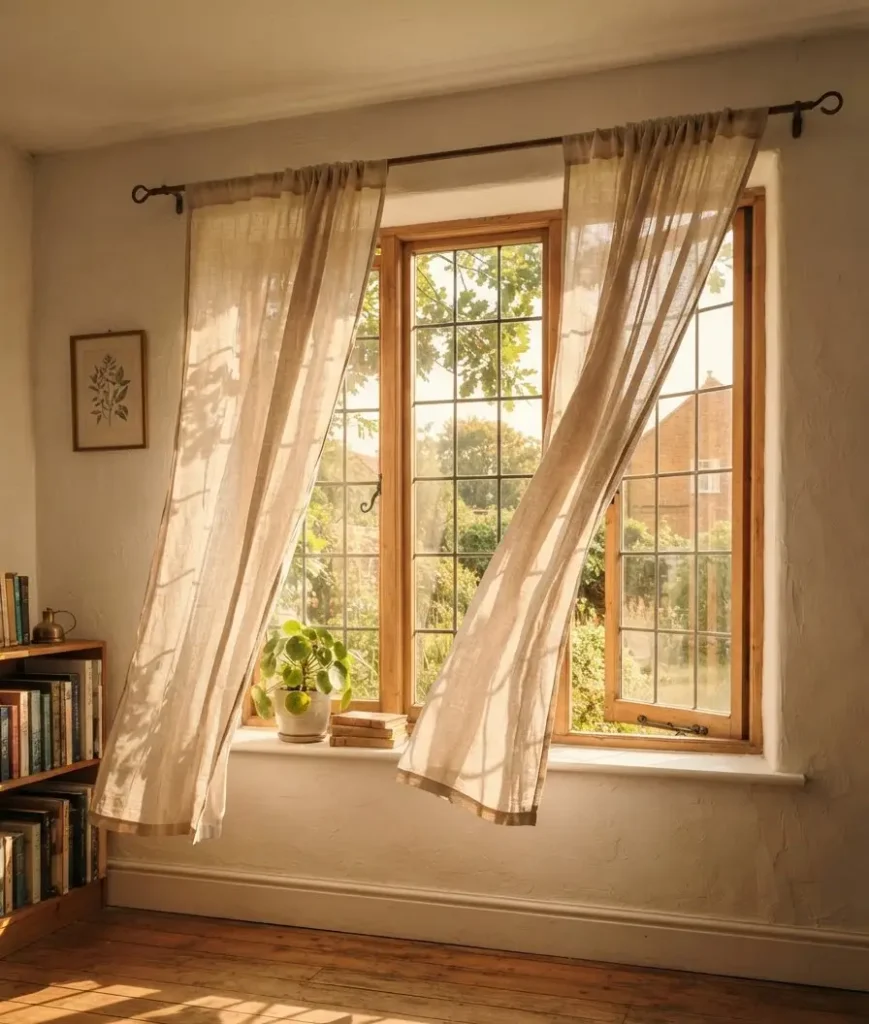
- Use linen instead of cotton for curtains. Linen has a slight rumple to it that catches light differently throughout the day. It never looks stiff, and it moves a little when a window’s open, which adds life to a still room.
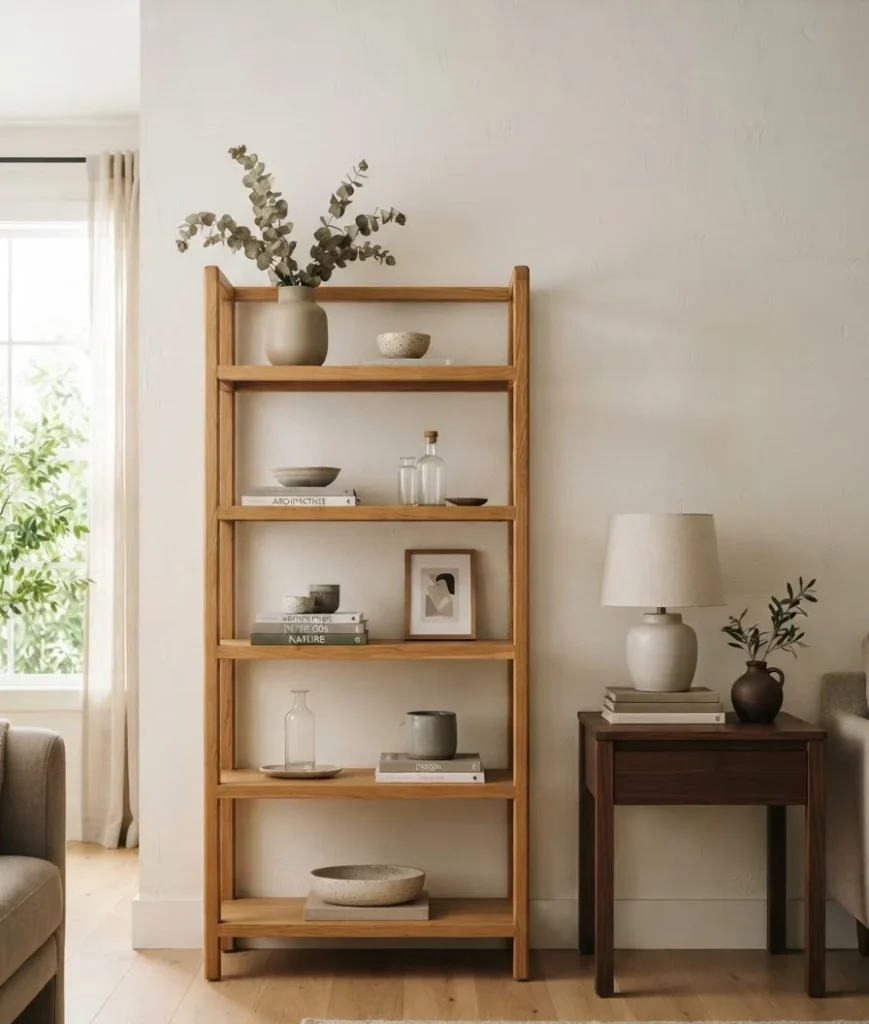
- Mix wood tones on purpose. IMO, the “everything must match” rule is overrated and honestly outdated. A warm oak shelf against a cooler walnut table adds depth instead of chaos, as long as you keep the rest of the palette simple.
Warm up your palette without losing the calm
You don’t have to abandon neutrals to feel warmth. You just need to choose the right neutrals, and this is where a lot of people accidentally go too cold.
- Trade stark white for warm white. Colors like Sherwin-Williams’ Alabaster or a soft cream shift a whole room from clinical to comfortable, and the change costs you nothing extra in paint or labor.
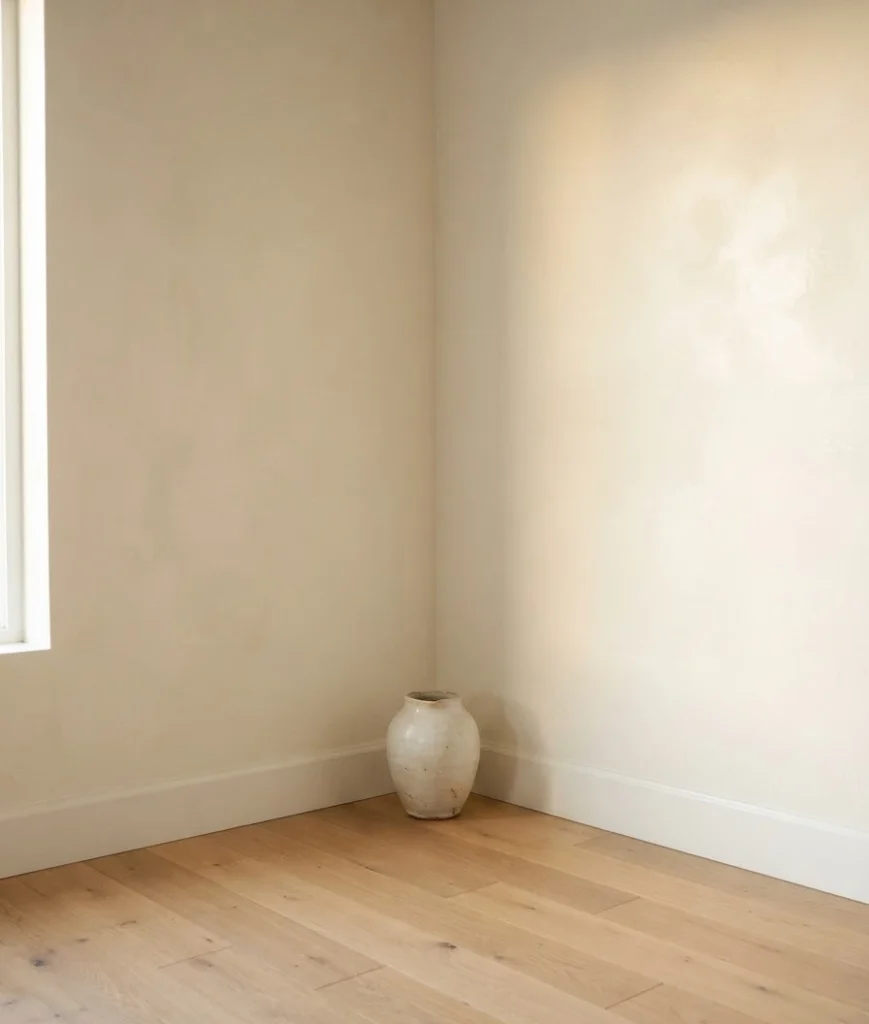
- Add terracotta or rust as an accent, not a statement wall. One planter, one cushion, one ceramic vase. That’s usually plenty, and going bigger than that tends to fight the minimalist framing you’re going for.
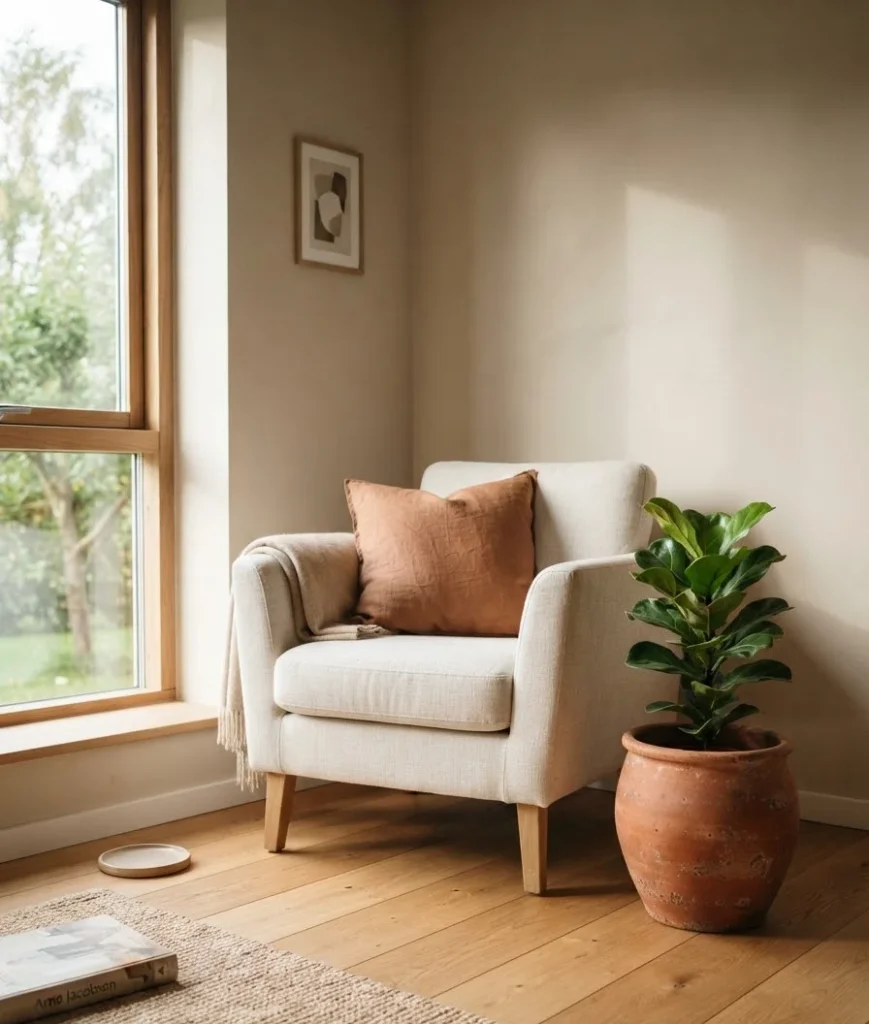
- Go beige, not gray. Gray was everywhere for a decade and it reads cold to a lot of eyes now, mine included. Warm beige and taupe tones feel closer to skin and wood, and further from concrete and steel.
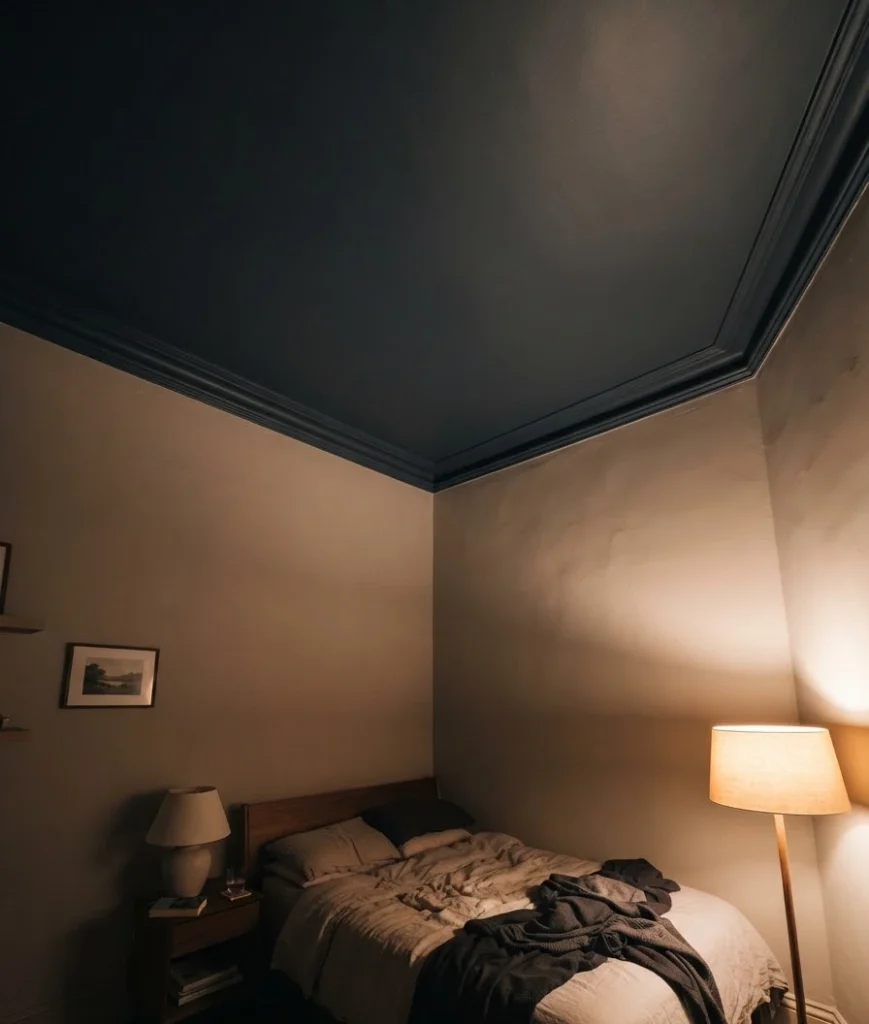
- Paint your ceiling a shade darker than your walls. This trick makes a room feel wrapped rather than boxed in, almost like a cocoon instead of a box. Try it in a bedroom first since the effect is strongest there.
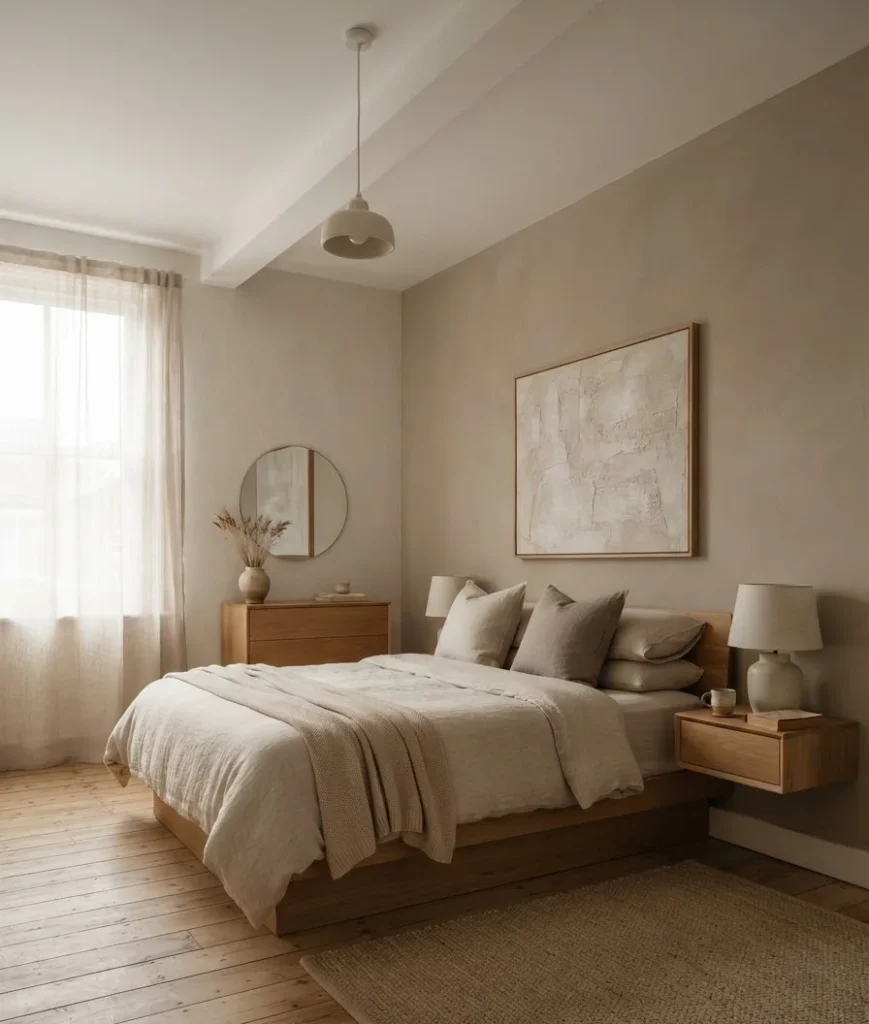
- Stick to a 3-color max palette per room. Base, accent, and one pop color. Anything more starts to look busy even inside a minimalist frame, and it makes the room harder to photograph, which matters if you’re sharing it anywhere.
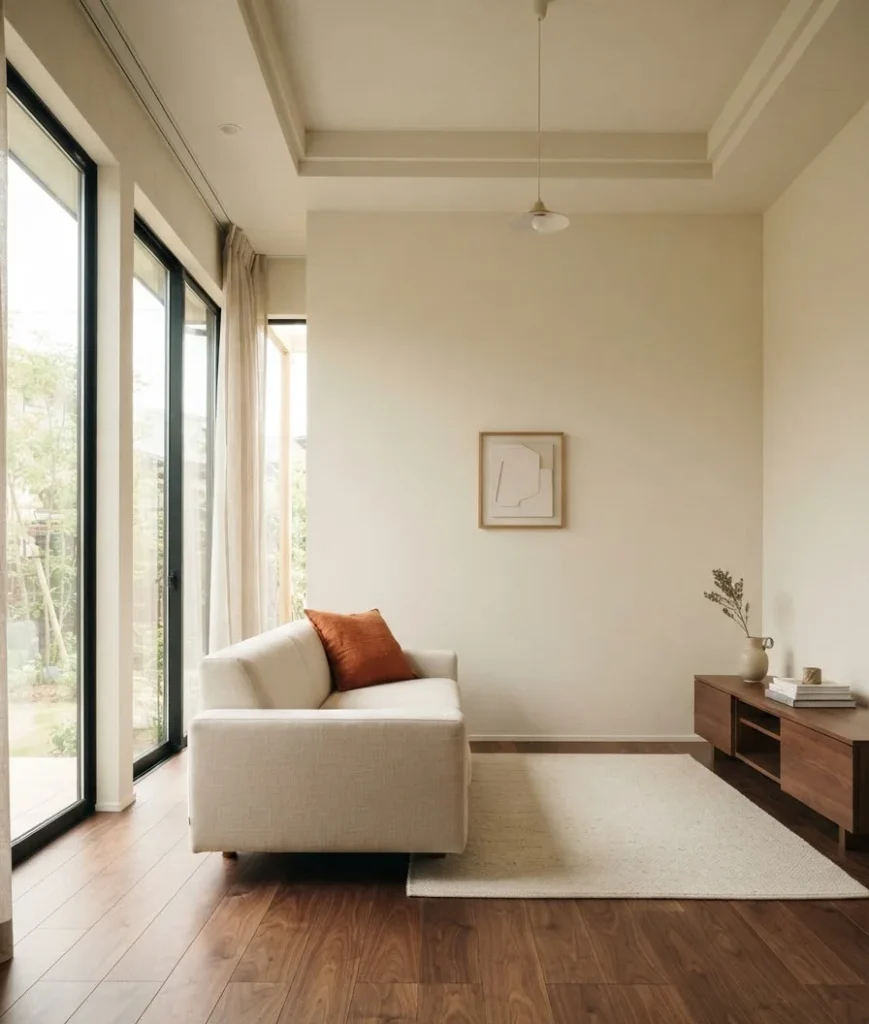
Let lighting carry the mood
Lighting changes everything, and most people underestimate it completely. You could have the perfect furniture and still feel like you’re sitting in an office if the lighting’s working against you.
- Ditch the overhead light as your only source. Overhead lighting flattens a room and makes it feel institutional, almost clinical. Layer in lamps instead, at different heights around the room.
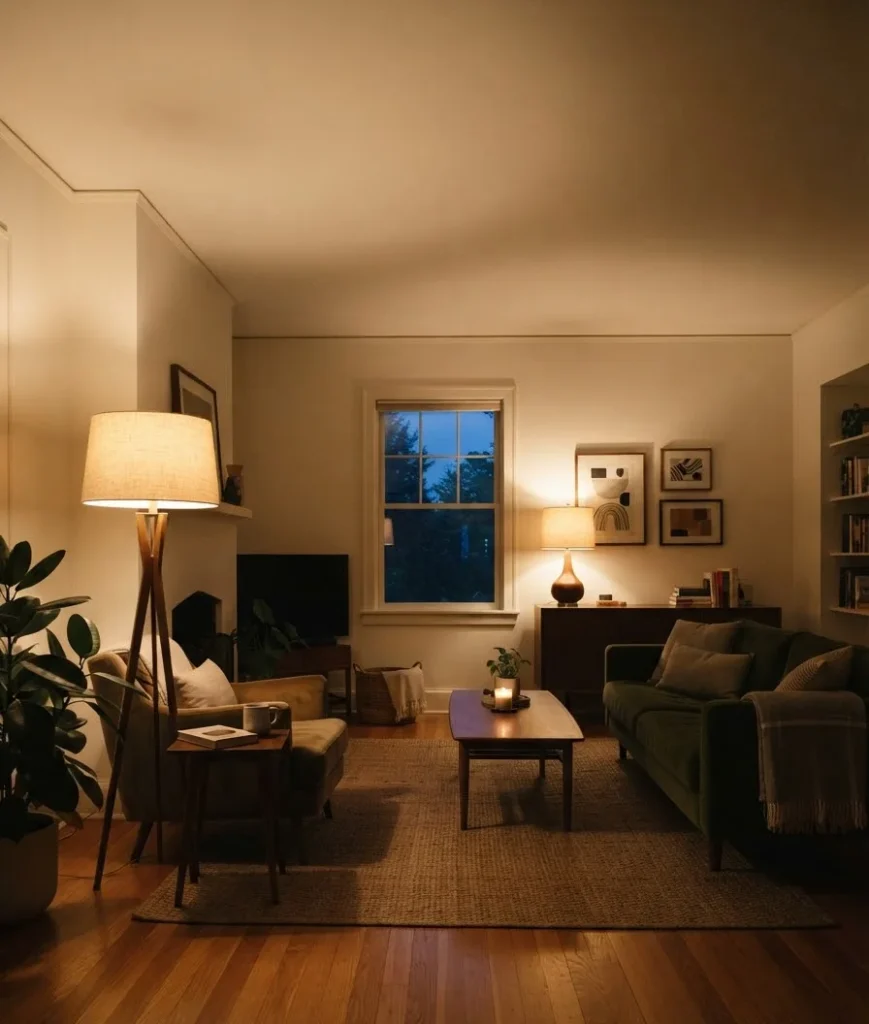
- Use warm bulbs, around 2700K. Anything cooler than that starts to feel like a hospital hallway. Trust me on this one, it’s the single cheapest fix on this entire list.
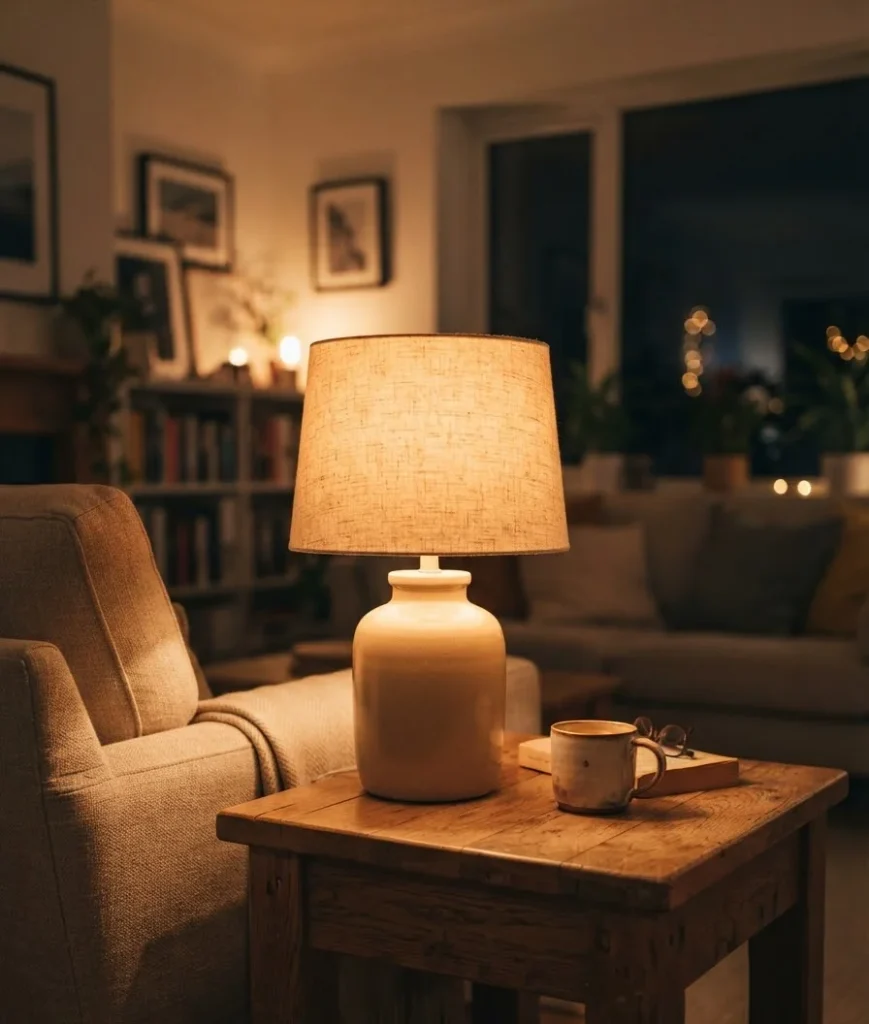
- Add a floor lamp in a reading corner. Even if nobody actually reads there. It signals that the spot is meant to be used, which makes the whole room feel intentional rather than staged.
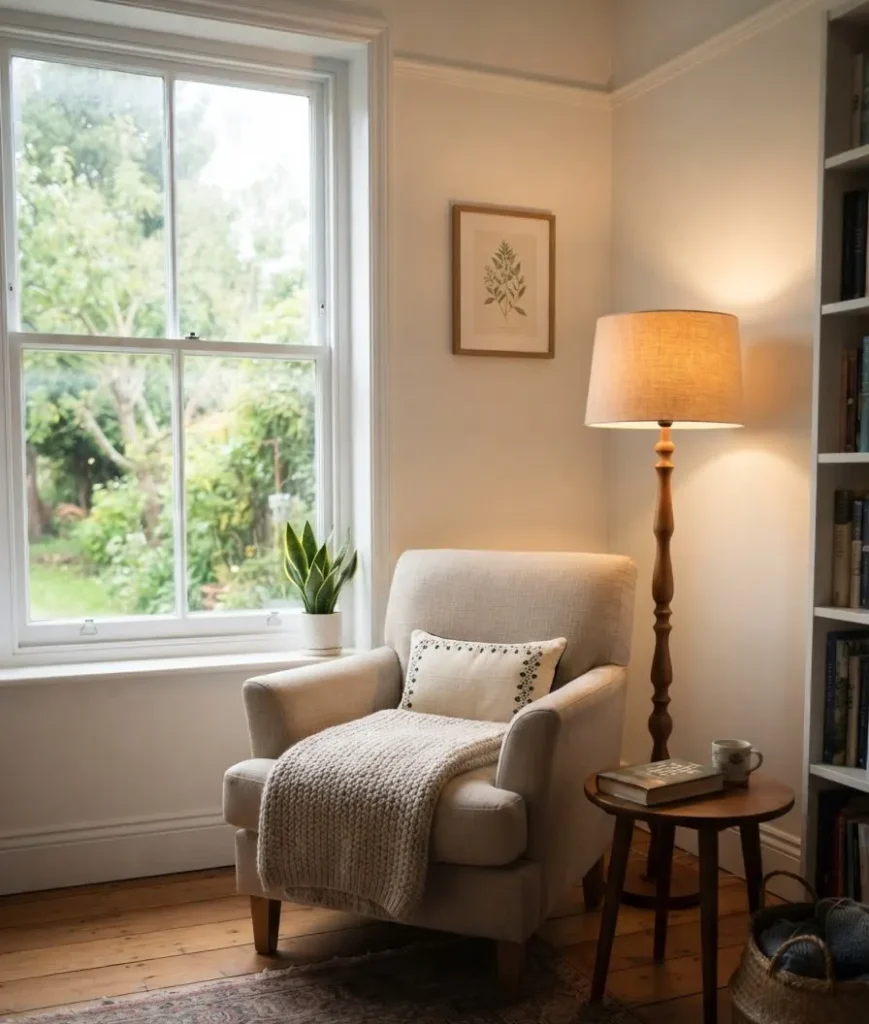
- Try candles or a diffuser with warm scents. Cedar, vanilla, sandalwood. Smell is criminally underrated in interior design, and it’s the one sense most decor advice completely ignores.
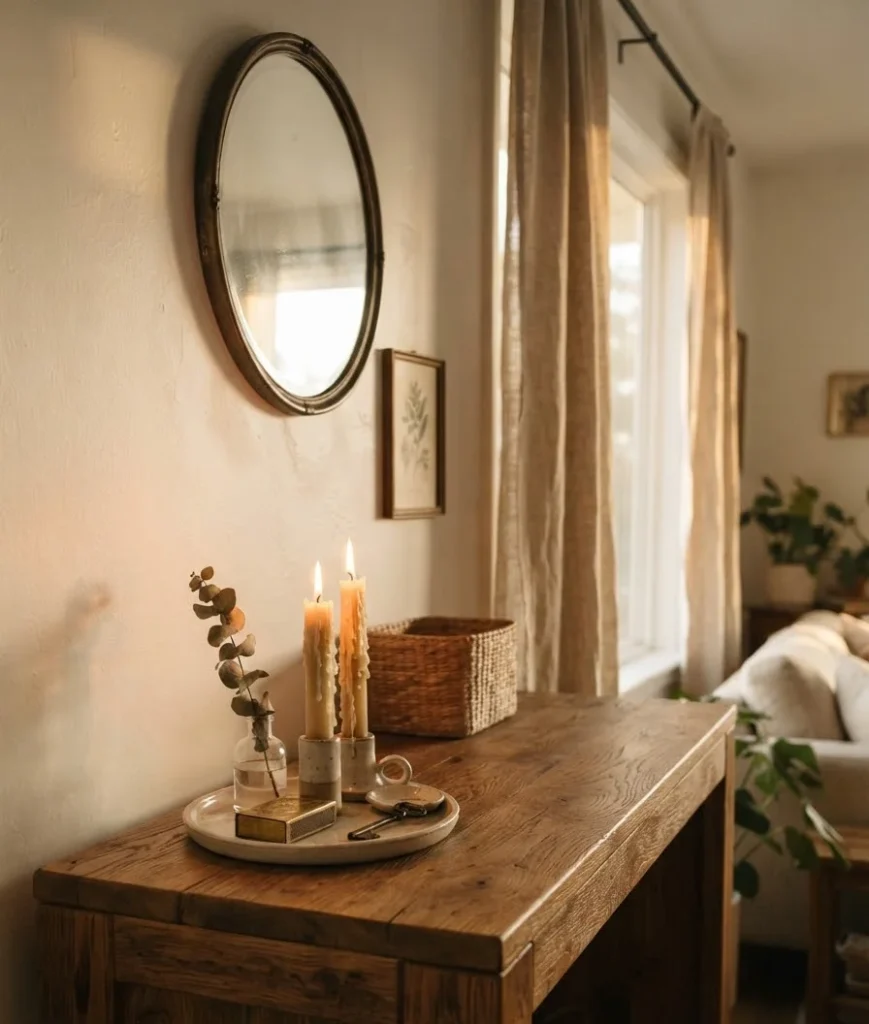
- Let natural light bounce off something reflective. A mirror positioned across from a window doubles your daylight and warms the whole room without spending a cent on electricity.
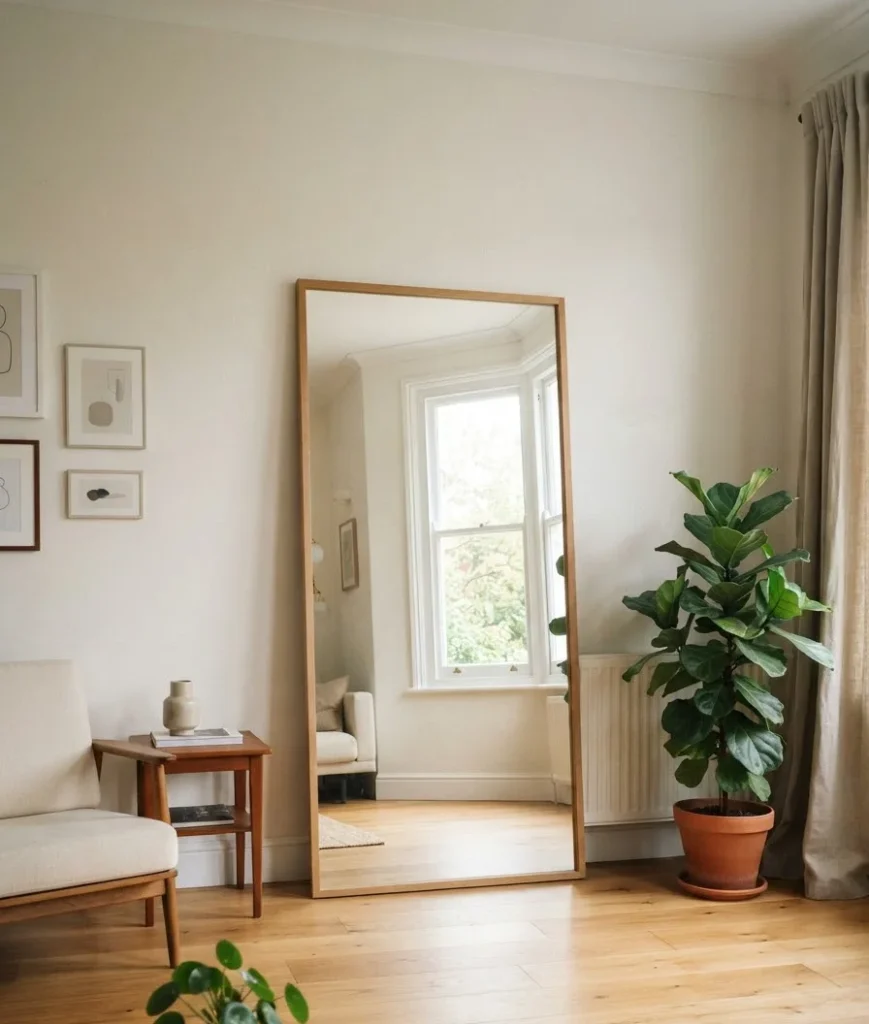
Here’s a quick comparison I put together after testing a few lighting setups in my own living room over one very indecisive weekend:
| Light source | Feels like | Best for |
|---|---|---|
| Overhead only | Office, hospital | Never, honestly |
| Warm lamp (2700K) | Cozy evening glow | Living rooms, bedrooms |
| Candlelight | Intimate, soft | Dinners, wind-down time |
| Daylight plus mirror | Fresh, open | Mornings, small rooms |
Furniture choices that pull their weight
Minimalism doesn’t mean sparse furniture for the sake of it. It means every piece earns its spot, and that’s a much higher bar than just owning fewer things.
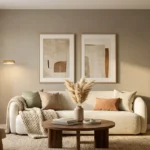
- Choose a low-profile sofa in a soft fabric. Boucle or brushed cotton over anything slick or vinyl. You want something you actually want to sink into after a long day, not something that looks good and feels like a waiting room bench.
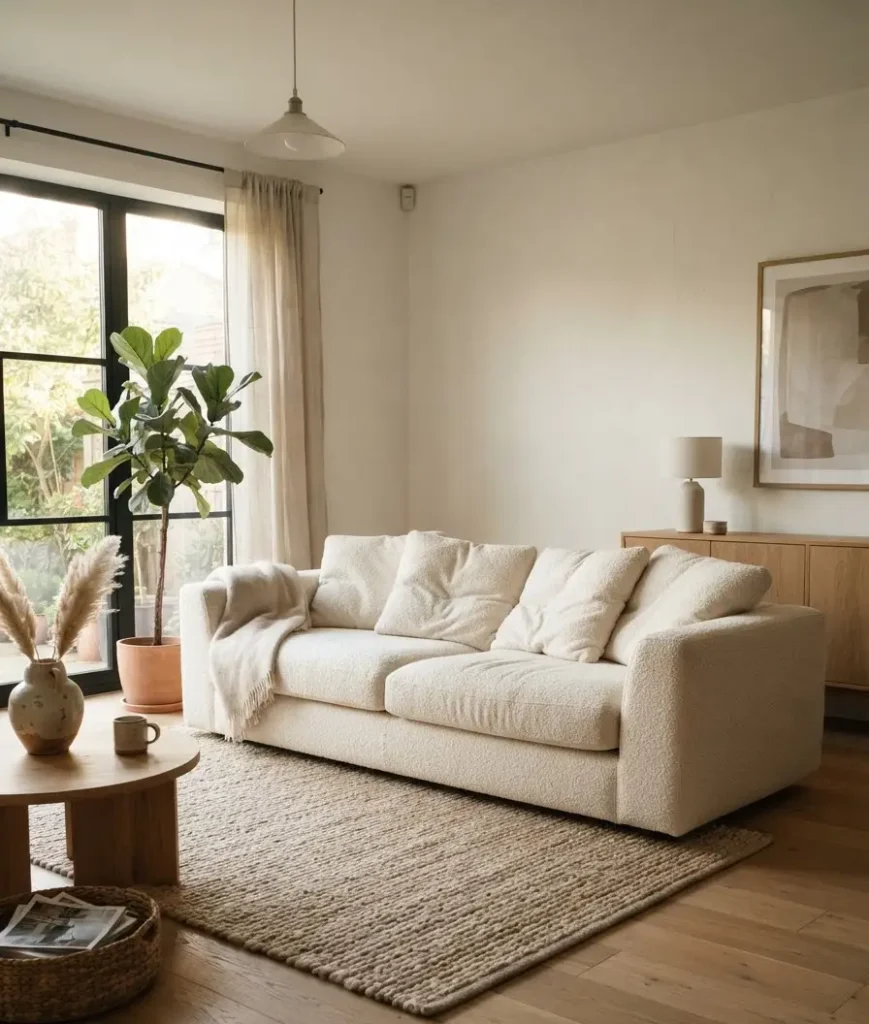
- Add one curved piece to a room full of straight lines. A round side table or an arched mirror softens a space instantly. Minimalist rooms lean hard into straight edges by default, so one curve stands out and relaxes the eye without adding visual noise.
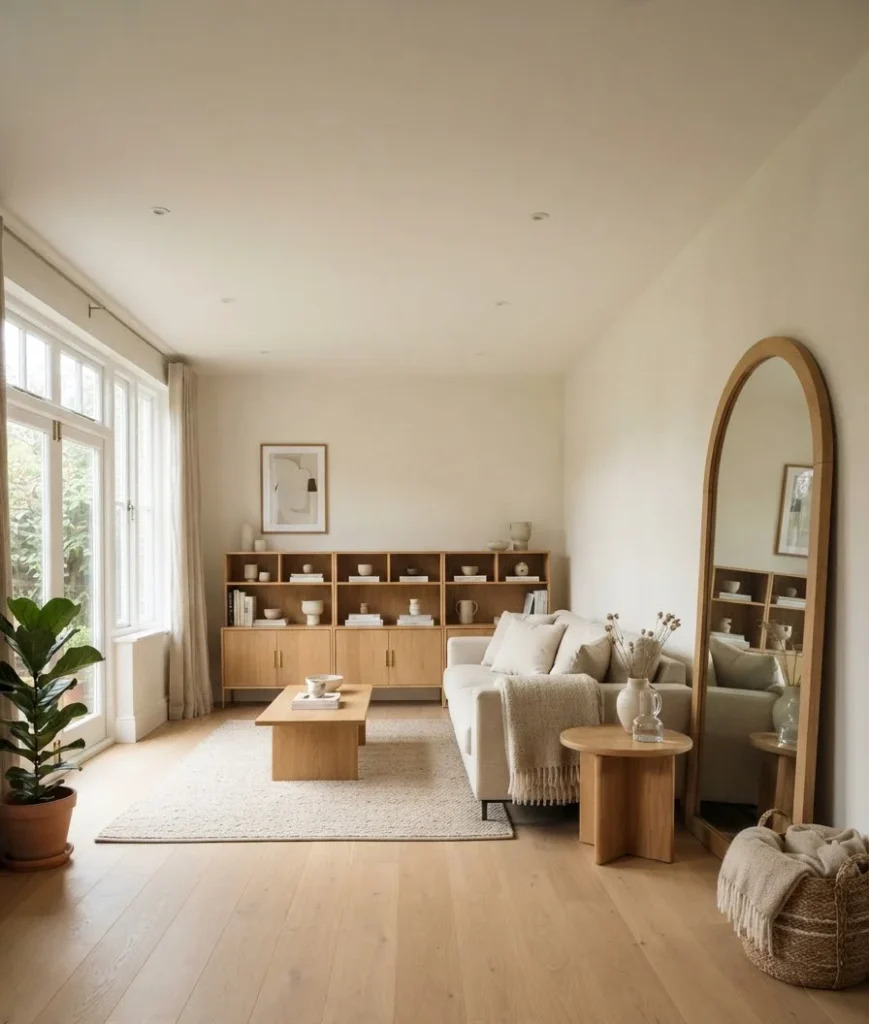
- Skip the matching furniture set. A living room where every piece came from the same catalog looks staged, not lived-in. Mix eras and finishes a little, the way a real home accumulates pieces over time.
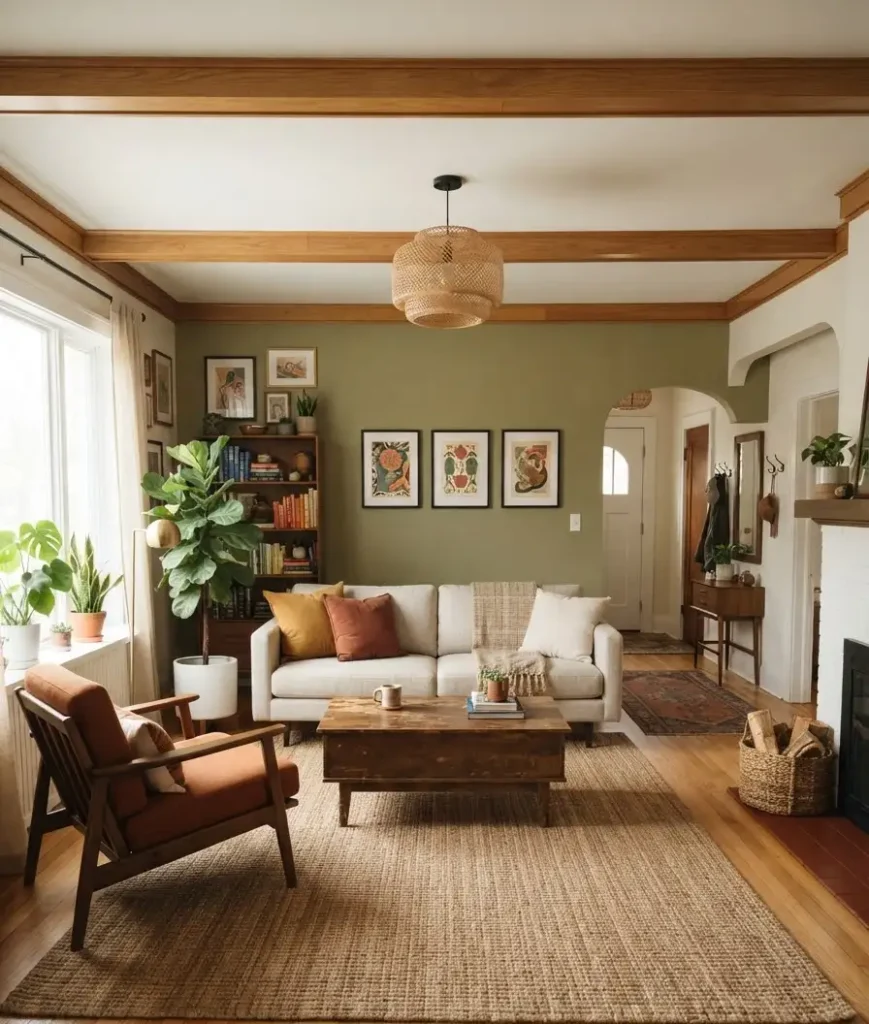
- Bring in a bench instead of extra chairs. It’s flexible, it’s simple, and it doesn’t scream “furniture store display” the way a full dining set sometimes does.
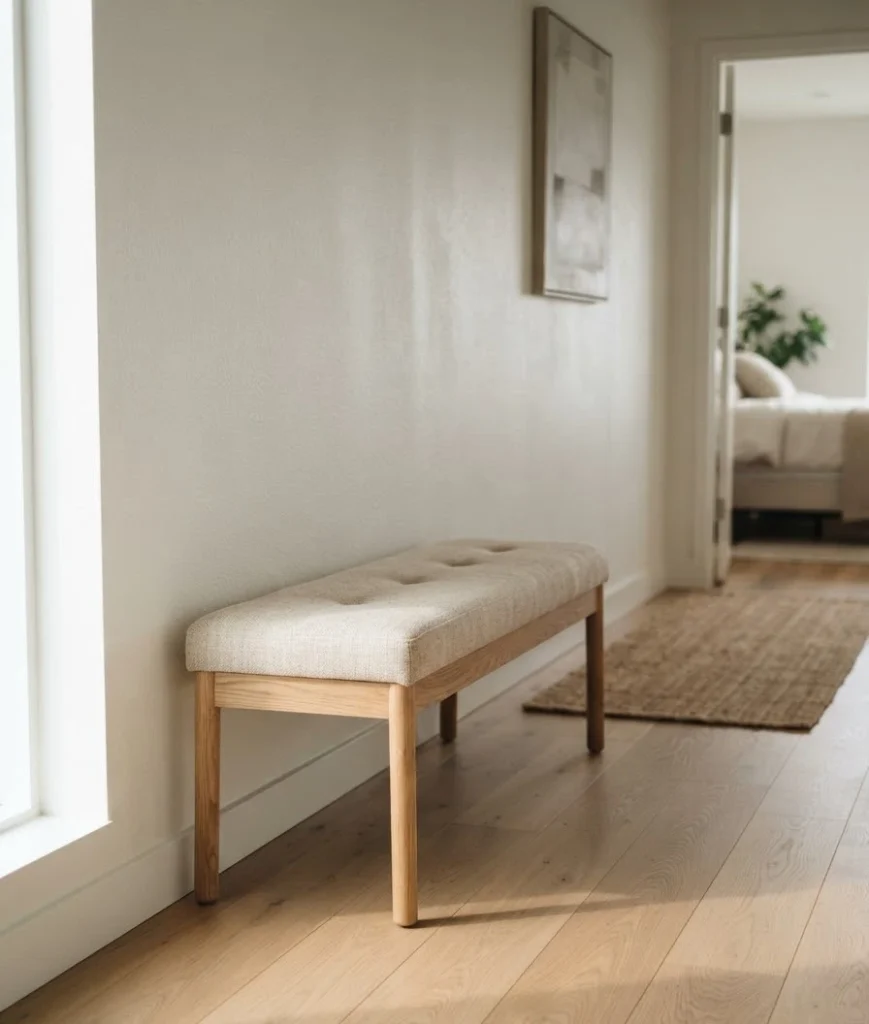
- Leave one wall bare, but style it with a single object. A leaning mirror, a tall plant, one framed print. Negative space next to one meaningful object reads as calm confidence, not emptiness, and that distinction is basically the whole point of this list.
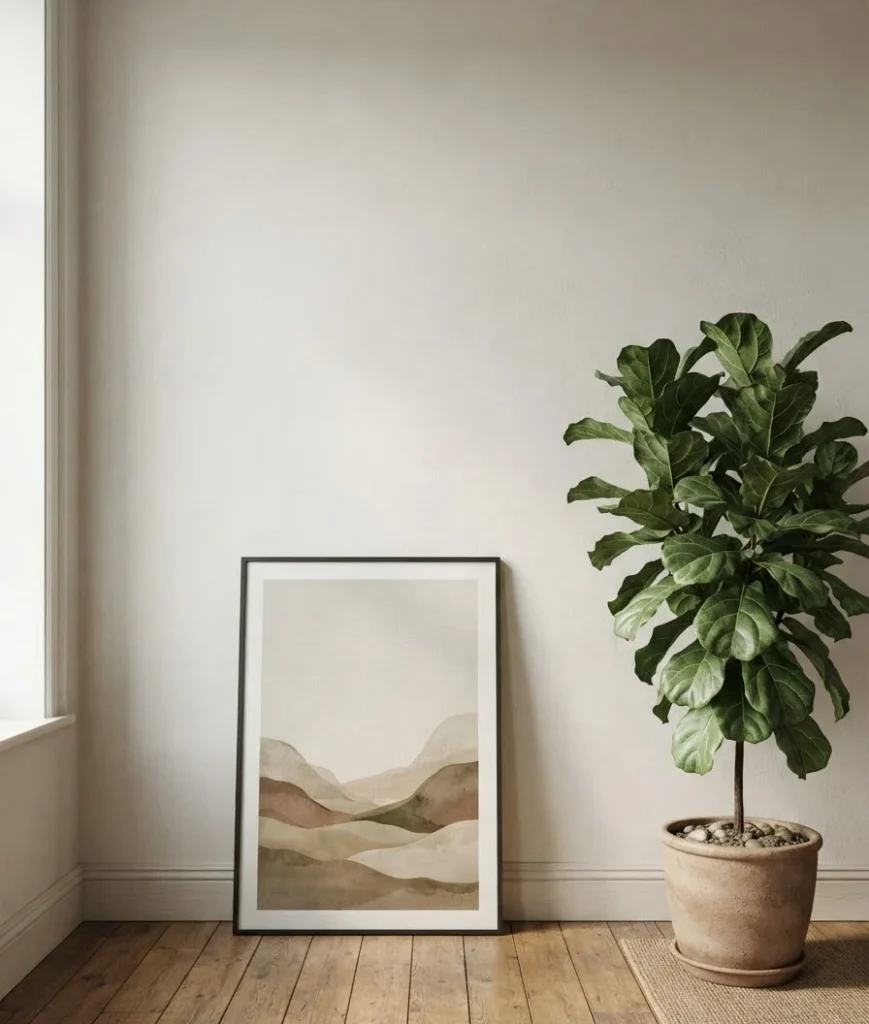
Finishing touches that make it feel lived-in
This is where a lot of minimalist homes lose the plot. People stop right before the part that actually adds warmth, usually because it feels like it’s working against the whole “less is more” idea.
- Display a small stack of books you’re actually reading. Not styled hardcovers bought by the yard for their spine color. Real, dog-eared, slightly messy books say more about a home than any decor object could.
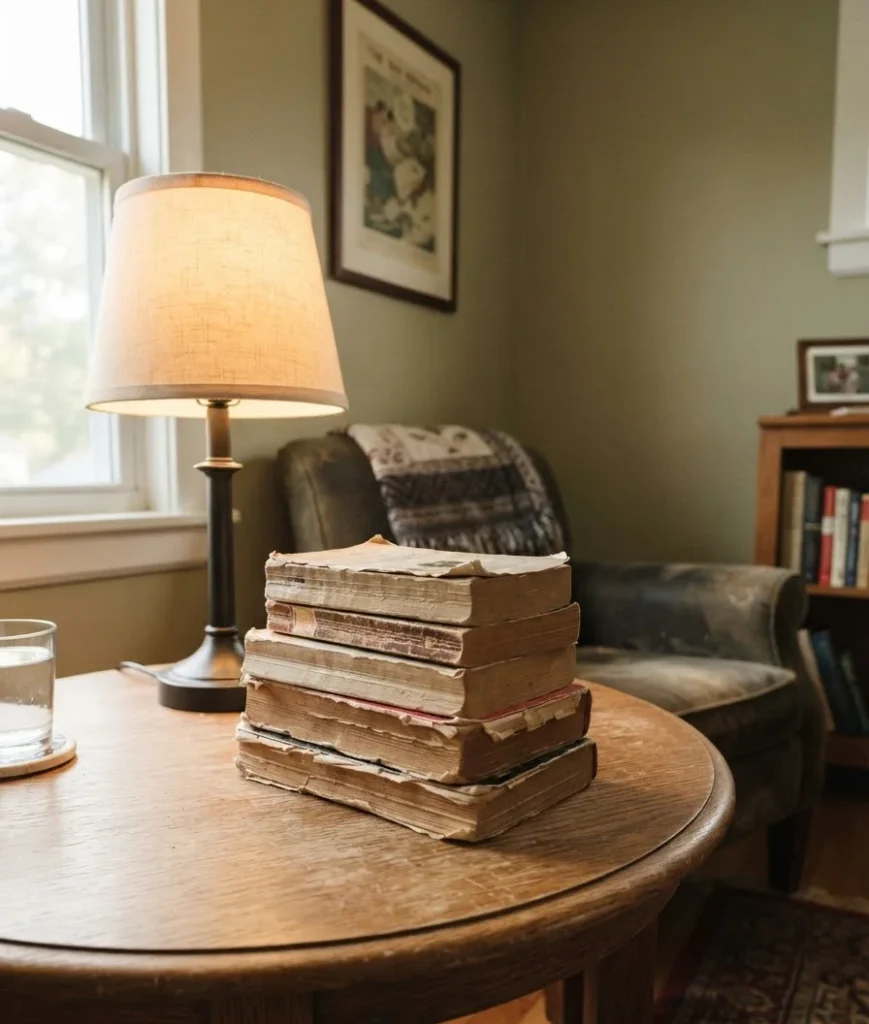
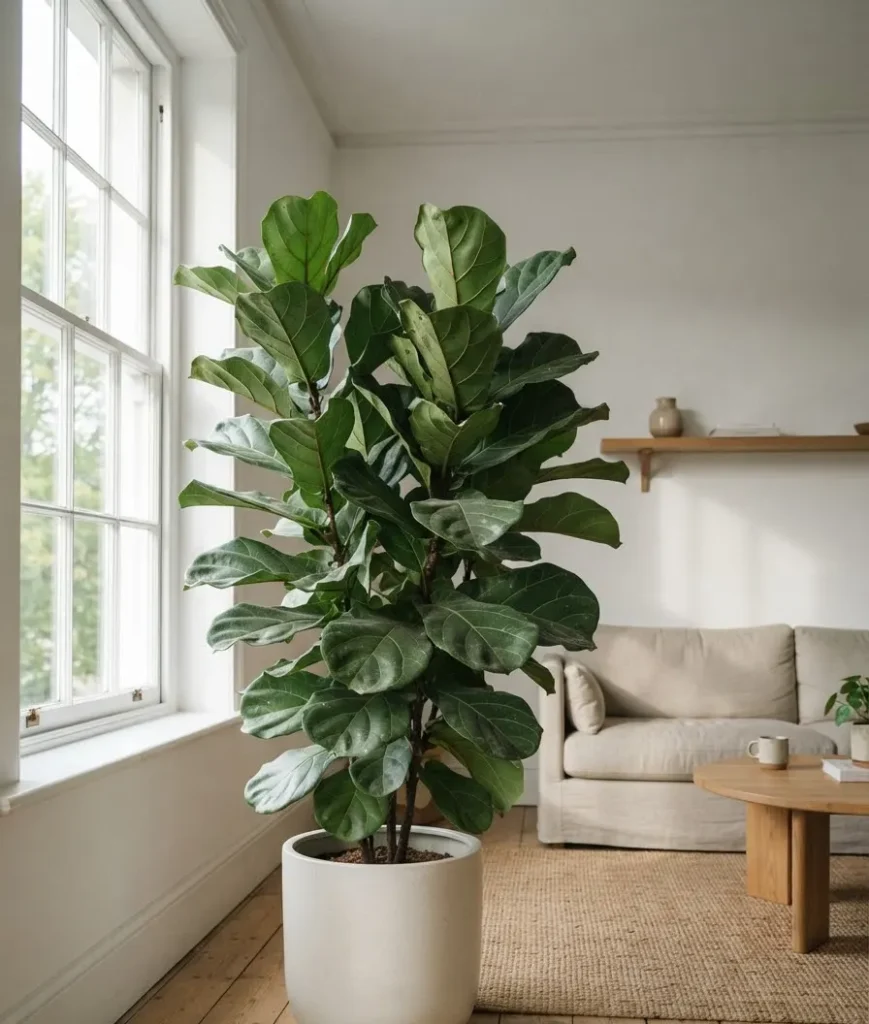
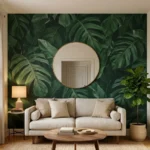
- Add one plant that requires a bit of care. A fiddle leaf fig or a pothos you actually water, not a plastic one gathering dust in the corner. Caring for something in a space makes it feel inhabited in a way that’s hard to fake.
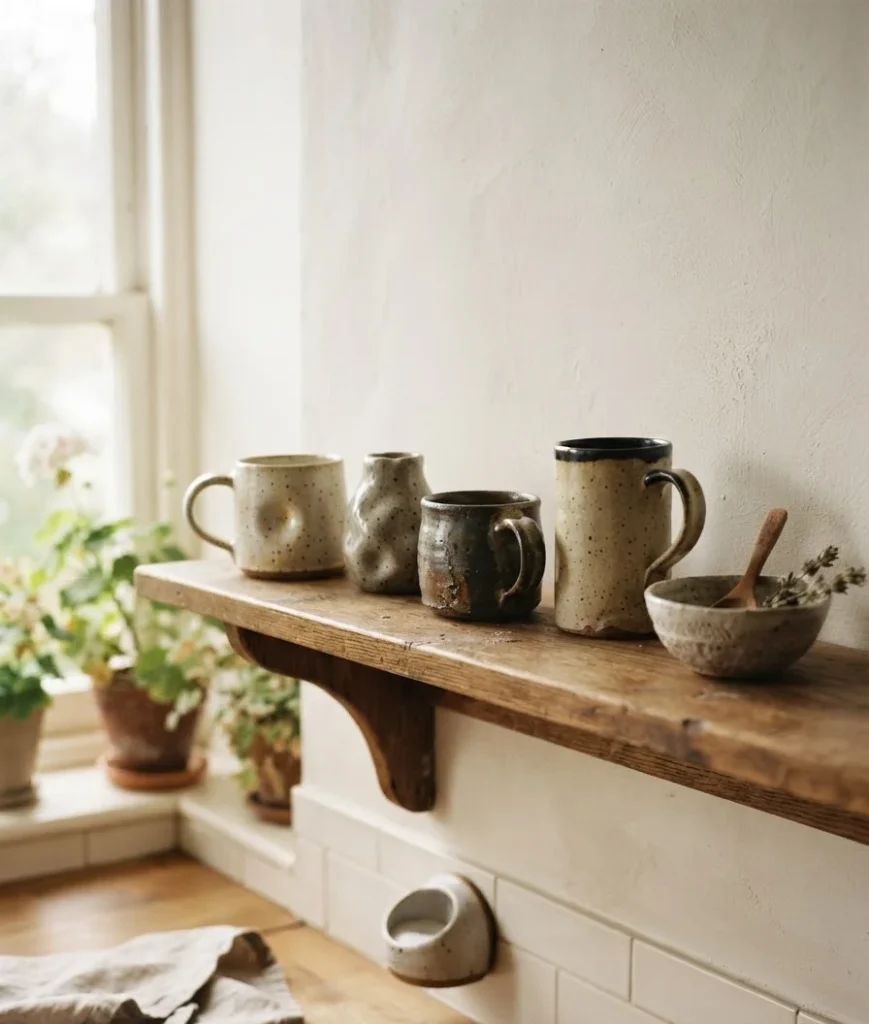
- Use ceramics with visible imperfections. Handmade mugs, a slightly uneven vase, a bowl with a thumbprint pressed into the rim. Perfection reads as showroom. Small flaws read as human, and that’s exactly what a cozy home needs more of.
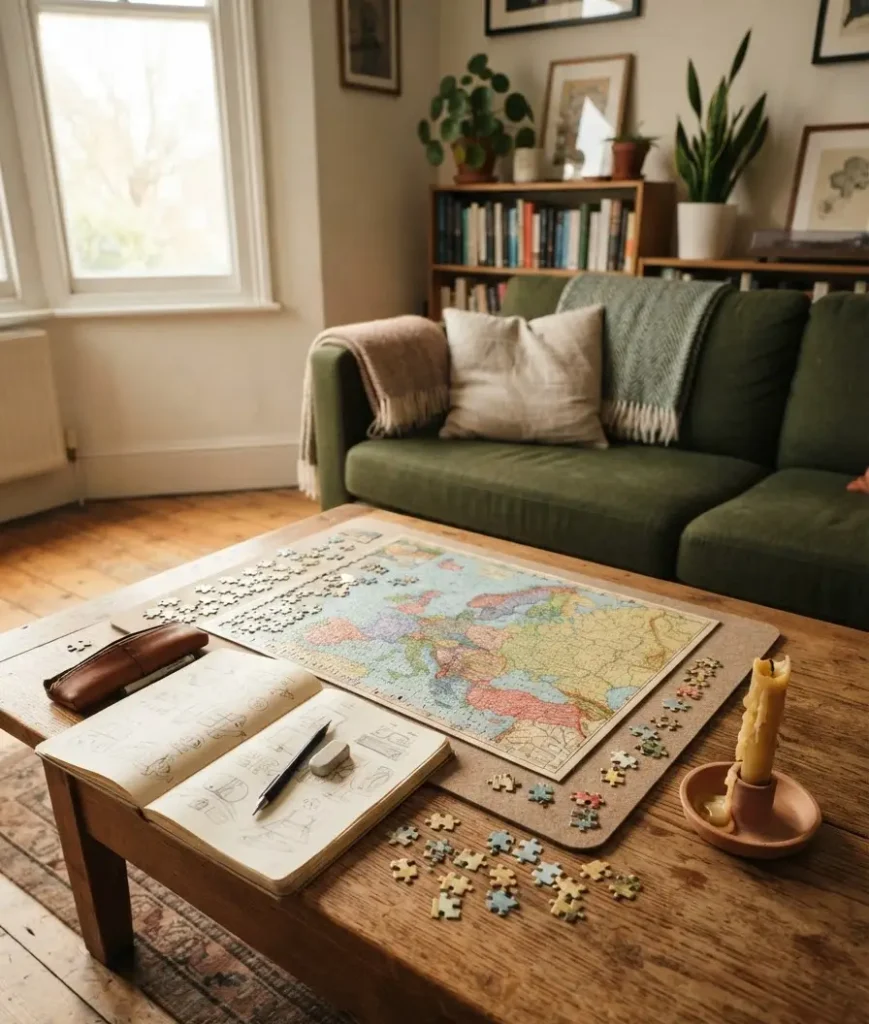
- Keep one surface intentionally “in progress.” A half-finished puzzle, an open sketchbook, a candle burned partway down. It sounds counterintuitive for minimalism, but a touch of lived-in mess signals real life, not a photoshoot waiting to happen.
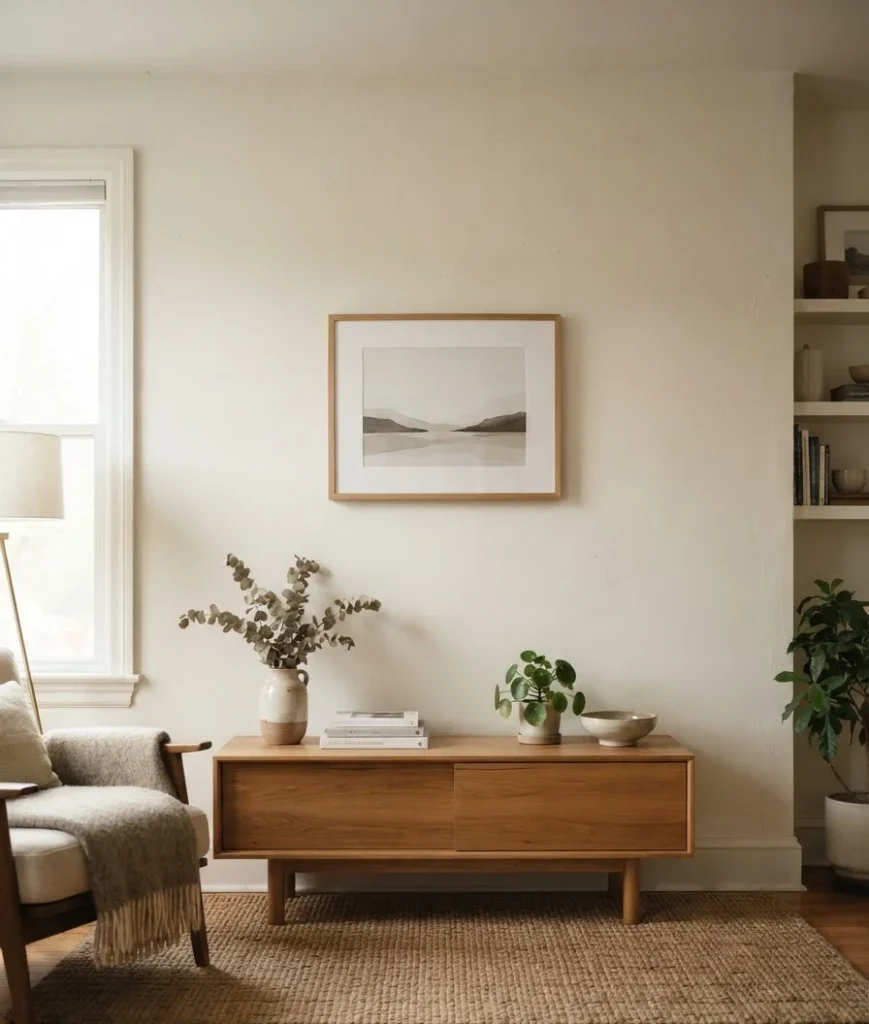
- Hang art at eye level, not gallery height. Most people hang art too high, following a rule meant for museum walls, not living rooms. Bring it down to where you’d actually make eye contact standing in the room, and suddenly the wall feels like it belongs to you instead of a hotel corridor.
A quick side note, completely unrelated but I think about this a lot: my grandmother’s living room had almost nothing in it by modern design standards, just a couch, a lamp, and an old radio, and it was somehow the warmest room I’ve ever sat in.
I think it’s because everything in it was chosen, not just placed there to fill space. That’s basically the whole philosophy behind this entire list, condensed into one memory.
A simple order to tackle these in
If 25 ideas feels like a lot to absorb at once, here’s how I’d sequence it in a real room, based on what actually moved the needle in mine.
- Start with lighting. Swap bulbs and add one lamp before you buy anything else. It’s cheap, it’s fast, and you’ll immediately notice the difference.
- Add one textile. A throw, a rug, or curtains, whichever your budget allows first.
- Fix the wood tones. Don’t force everything to match; let two tones coexist.
- Add one living thing. A plant you’ll actually water changes a room more than people expect.
- Leave the rest alone for a week. Live in the space before adding anything else. You’ll notice what’s actually missing instead of guessing.
That order works because it goes from cheapest and most impactful to slower, more considered choices.
Most people do it backward: they buy furniture first and lighting last, which is exactly why so many “finished” minimalist rooms still feel unfinished.
My honest take on what actually works
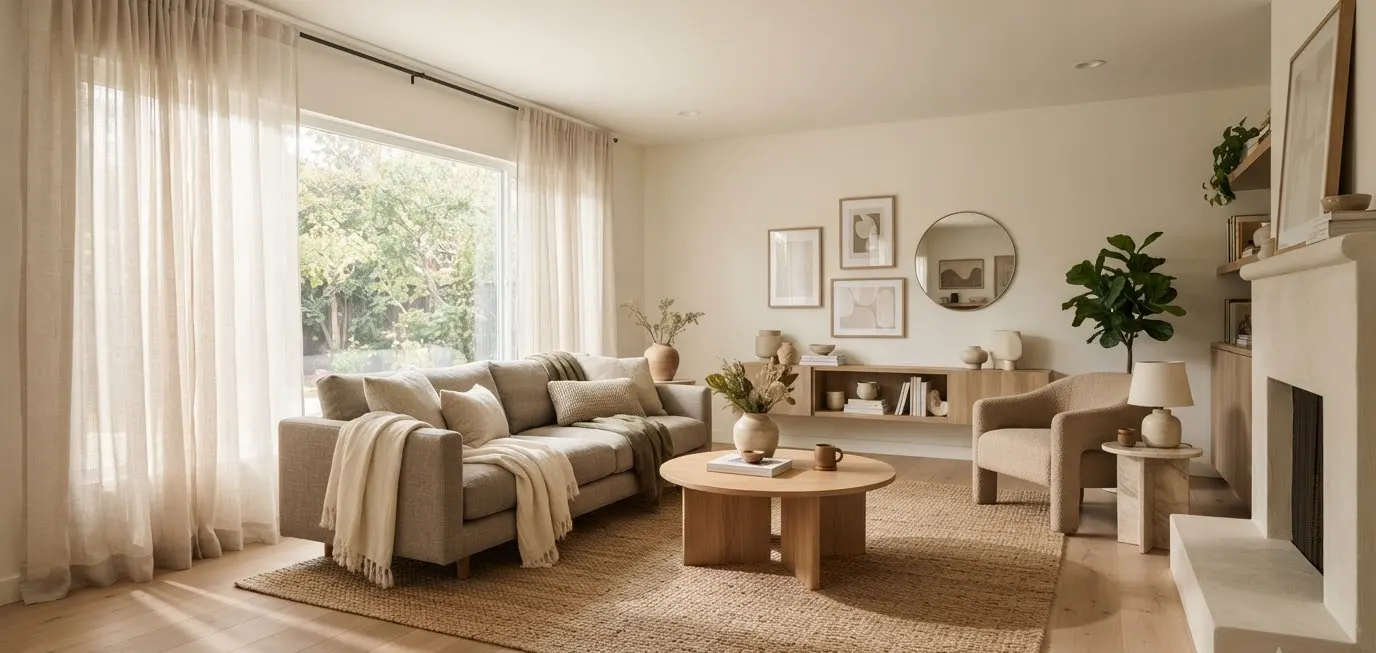
If I had to rank these 25 ideas, texture and lighting do about 80% of the work. Color matters, but a beige room with bad lighting still feels flat and a little sad.
A slightly cooler room with a warm lamp and a wool throw feels like a hug, and that gap surprises most people the first time they test it side by side.
I also think people overspend on this problem. You don’t need a $600 designer sofa to make a room feel warm.
My best cozy corner right now is a $40 thrifted armchair, a lamp from my mom’s basement, and a throw blanket I’ve had since college.
Wow, it’s genuinely wild how much of this comes down to lighting and texture instead of budget, and the cheapest fixes on this list usually outperform the expensive furniture swaps by a wide margin.
For more inspiration on blending warmth into simple spaces, Apartment Therapy and The Spruce both run regular features on exactly this balance, and they’re worth a scroll if you want more visual references to pin alongside this list.
Frequently asked questions
Does minimalist decor have to feel cold? No, and this is the most common misconception about the style. Cold minimalism usually comes from skipping texture and warm lighting, not from having fewer items.
Add a rug, a lamp, and one soft throw, and the same sparse room feels completely different within a single afternoon.
What’s the cheapest way to make a minimalist room feel cozier? Swap your overhead lighting for a warm-toned lamp and add one textured throw blanket.
Both together usually cost under $50 and change the entire feel of a room within a day, which makes it the best starting point on this whole list.
Can I mix wood tones in a minimalist space? Yes, and honestly you probably should. Matching every wood finish perfectly tends to look staged and a little flat.
Two complementary tones, like a warm oak and a darker walnut, add depth instead of clutter, especially in smaller rooms that need visual interest without extra objects.
Final thought
Cozy minimalism isn’t about doing less. It’s about choosing better, and that one shift in thinking changes almost every decision after it. Every item in the room should either work hard or feel good to look at, and ideally both at once.
So which of these 25 ideas are you trying first: the lighting swap, the texture layer, or finally letting go of that all-white sofa you’ve been side-eyeing for months?
Save this list, pick two ideas, and give your space a weekend refresh. I’d genuinely love to know which one made the biggest difference for you.
2 thoughts on “25 Cozy Minimalist Home Ideas to Make Simple Spaces Feel Warm”